Weaning is the only production event in the pig’s life that imposes four simultaneous stressors at once: the abrupt cessation of the sow’s milk; removal from the sow and the familiar social and olfactory environment of the farrowing house; introduction to unfamiliar pen-mates; and the requirement to immediately source all nutrition from solid feed rather than the liquid diet the piglet has been consuming exclusively or predominantly since birth.
Any one of these stressors in isolation would produce a measurable physiological response. All four simultaneously — at an age when the immune system is still maturing, the gastrointestinal tract is still developing the enzyme systems required for efficient solid feed digestion, and the animal is at its lowest absolute body weight and most vulnerable to any reduction in energy intake — creates the post-weaning growth check: the period of reduced or absent weight gain, elevated disease susceptibility, and in poorly managed herds, significant mortality that follows weaning in commercial pig production.
The post-weaning growth check is not inevitable in its severity. The difference between a piglet that loses body weight for 5–7 days after weaning before recovering, and a piglet that barely pauses before continuing its growth trajectory, is largely determined by the management decisions made before, during, and in the days immediately following weaning. These decisions — weaning age, nutritional preparation, pen environment preparation, social group management, feed presentation, and water access — together determine the magnitude of the post-weaning check and the speed of recovery.
This guide covers all of them: the biology of the weaning transition that explains why each management element matters, the specific management interventions that minimize the check, the nutritional strategy for the post-weaning period, and the monitoring and troubleshooting approach for addressing problems when they emerge.
Part 1: The Biology of the Weaning Transition
Why the Gut Is the Central Challenge
The gastrointestinal changes at weaning are the primary physiological mechanism underlying the post-weaning growth check — more consequential than the psychological stress of separation and more addressable through management than the immune vulnerability of this developmental period.
The digestive enzyme mismatch: A nursing piglet’s gastrointestinal tract is optimized for milk digestion. Its enzyme profile is dominated by lactase (for lactose digestion), and it has high activity of the enzymes required to process the proteins and fats in sow’s milk. The enzyme systems required for efficient plant-based starch digestion (amylase, sucrase-isomaltase) and plant protein digestion are present but immature, having been partially stimulated by creep feed exposure if creep feeding was practiced.
When weaning removes milk from the diet and requires the piglet to subsist entirely on plant-based solid feed, this enzyme mismatch creates a transient period of reduced digestive efficiency — undigested substrate reaching the large intestine where it serves as fermentation material for pathogenic bacteria, creating the osmotic diarrhea and dysbiosis that characterize post-weaning enteric disease.
The gut structure change: Beyond the enzyme profile, weaning triggers a significant structural change in the small intestine — villus atrophy (shortening of the absorptive villi that provide the intestinal surface area for nutrient absorption) occurs in the first 24–48 hours after weaning in most piglets, reducing absorptive capacity at the same time that the enzyme mismatch reduces digestive efficiency. This double reduction in effective nutrient processing is the proximate cause of the growth check — even a piglet that continues eating at near-normal rates will absorb proportionally less of what it consumes in the first week after weaning.
The recovery trajectory: Both villous structure and enzyme profile recover, but not instantly — full recovery of intestinal morphology typically requires 5–10 days, and the enzyme profile shift toward mature, plant-adapted digestion requires 1–2 weeks. Interventions that support this recovery (appropriate nutrition, gut health management, disease prevention) compress the recovery timeline; stressors that impede it (disease challenge, inadequate feed intake, suboptimal temperature) extend it.
The Immune Vulnerability Window
As established in the colostrum management guide preceding this one, the piglet at weaning is transitioning from passive immunity (relying on colostral antibodies that are now declining) to active immunity (its own developing immune system). This transition creates a window of relatively reduced immune protection that coincides exactly with:
- The introduction of new pen-mates whose pathogen profiles differ from the birth litter
- The highest gastrointestinal pathogen challenge from weaning-related gut disruption
- The social stress and cortisol elevation of environmental change
The resulting immune suppression — physiological stress elevates cortisol, which directly suppresses immune cell proliferation and function — explains why common endemic pathogens that older pigs tolerate without clinical disease (E. coli, Rotavirus, Streptococcus suis) can cause significant morbidity and mortality in freshly weaned piglets exposed to them for the first time.
Part 2: Weaning Age — Its Impact on Everything That Follows
The Physiological Readiness Argument
Commercial pig production has progressively moved toward earlier weaning ages over the past 40 years — from the traditional 8-week weaning common in older production systems to the 21–28 day weaning that characterizes most current commercial operations, and in some intensive systems to 14–17 day early weaning.
The rationale for earlier weaning is primarily reproductive — earlier weaning shortens the sow’s lactation period, allowing faster return to estrus and shortening the farrowing interval, increasing the number of litters per sow per year and therefore PSY. As detailed in reproductive management guidance throughout this series, PSY is the highest-leverage productivity metric in sow-based pig production — a 1-pig improvement in PSY across 20 sows generates XAF 1,800,000 (USD 3,000) in additional annual gross margin.
The trade-off at younger weaning ages: The younger the piglet at weaning, the less developed its digestive enzyme system, the smaller its absolute body weight and body reserves, and the more pronounced the post-weaning growth check. Piglets weaned at 21 days show a more severe and longer-duration growth check than piglets weaned at 28 days, which show a more severe check than those weaned at 35 days.
The practical optimum for most West African commercial operations: 21–28 days is the standard range — capturing most of the PSY benefit of early weaning while maintaining physiological readiness sufficient for the post-weaning transition to be managed successfully with appropriate nutritional and environmental support.
The Weight Threshold
Beyond age, weaning weight is an independent predictor of post-weaning performance. Piglets below 5.5 kg at weaning show substantially worse post-weaning outcomes than those above 6.0 kg — more severe growth check, higher disease susceptibility, higher mortality risk, and a longer recovery period.
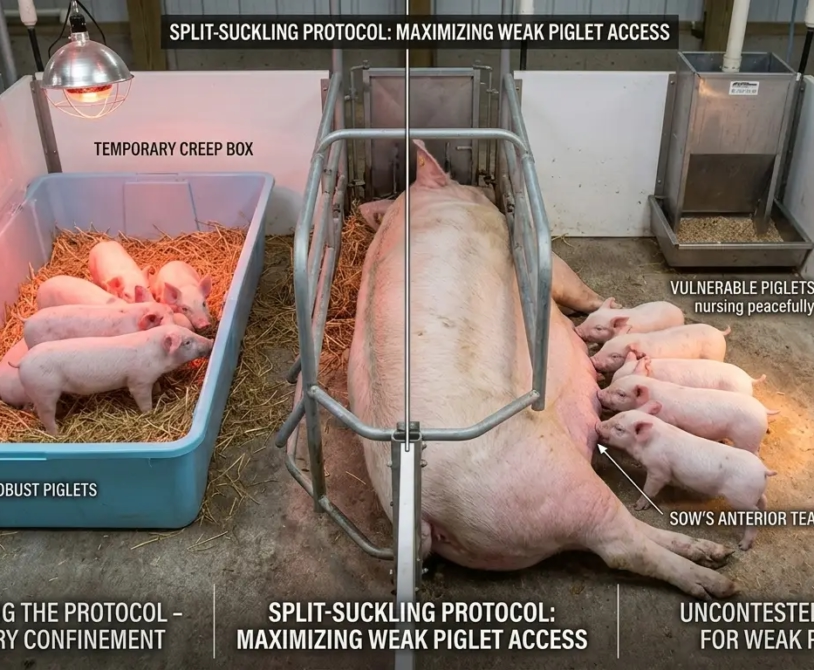
The management implication: Where a piglet is approaching the scheduled weaning age but has not reached minimum weaning weight threshold due to illness, competition for teat access, or inadequate milk supply from the sow, a brief extension of the nursing period (2–4 additional days with targeted nutritional support) often produces a better outcome than weaning underweight on schedule. For the smallest members of a litter, this decision should be made individually rather than weaning the entire litter uniformly — the largest piglets can be weaned on schedule while the smallest are held with the sow for a few additional days.
Part 3: Preparation in the Days Before Weaning
Creep Feed — Its Weaning-Specific Benefit
As detailed in the four-stage diet guide elsewhere in this series, creep feed serves multiple functions in the pre-weaning period. Its most directly weaning-relevant benefit is digestive enzyme stimulation — exposure to plant-based feed ingredients, even at the low intake levels typical of nursing piglets, initiates the upregulation of the starch-digesting and plant protein-digesting enzyme systems that the piglet will depend on entirely after weaning.
Piglets with prior creep feed exposure at weaning:
- Show less severe villus atrophy in the 24–48 hours after weaning (the feeding history moderates the structural response)
- Transition to eating solid feed faster after weaning (familiarity with solid feed reduces the behavioral learning barrier)
- Show shorter post-weaning growth check duration (the enzyme systems are more advanced)
The minimum creep feeding period for weaning benefit: Research consistently shows that the intestinal benefit of creep feeding requires meaningful consumption, not merely exposure. Piglets need to consume a minimum of approximately 200–400 grams of creep feed in the 7–10 days before weaning to show measurable benefit at weaning — equivalent to the consumption levels achieved with good creep management as detailed in the four-stage diet guide.
Sow-Side Preparation
Gradual milk supply reduction: Where the farm’s management system allows (primarily relevant in longer lactation, 28+ day weaning systems rather than 21-day weaning), reducing the sow’s feed allocation by 10–15% in the final 3–4 days before weaning partially reduces milk production — easing the physical demand of abrupt cessation on the sow’s mammary glands. This is a sow welfare consideration rather than a piglet preparation strategy.
Pre-weaning feed familiarization in the farrowing house: In the 3–5 days before weaning, placing the same starter feed that will be provided in the weanling pen in a small trough accessible to the piglets in the farrowing crate allows familiarization with the specific feed formulation they will encounter post-weaning. The feed can be moistened to a gruel consistency, which typically improves initial palatability and intake for young piglets.
Part 4: The Weaning Day — Management at Transition
Timing the Sow Removal
Remove the sow, not the piglets: The standard protocol in modern commercial pig production moves the sow to the gestation area rather than moving the piglets to a new pen — leaving the piglets in their familiar farrowing environment for 24 hours after weaning, then moving them to the weanling pen. This approach separates the stressors: the piglets experience maternal separation and milk cessation on day 0, but the new-pen stress and social mixing do not occur until day 1 — reducing the simultaneity of the four weaning stressors.
Where the sow-removal delay is not practiced: In operations using the standard same-day removal and immediate transfer protocol, the priority is minimizing the time between removal and the provision of highly palatable starter feed and fresh water in the weanling pen — every hour of delay in feed and water access in the new pen compounds the stress-induced anorexia that is the primary driver of the post-weaning growth check.
Social Group Management at Weaning
Minimize mixing of unfamiliar litters: Each mixing event introduces the aggression and social hierarchy establishment that itself suppresses feed intake for 24–48 hours. Where the farm’s batch farrowing system allows it, weaning piglets from the same farrowing batch (born within a few days of each other) into groups minimizes the social disruption relative to mixing piglets from widely different farrowing dates.
Group size at weaning: As detailed in space allowance guidance, weanling groups should be kept to 8–12 animals. Smaller groups (compared to the 15–20 pig groups that might be used in grower and finisher phases) reduce the competition intensity for feed and drinker access at the most vulnerable point in the animal’s life.
Identifying litter-mates where group composition is adjusted: Where piglets from multiple litters are mixed into weaning pens, matching by weight (combining similarly-sized animals regardless of litter origin) produces better outcomes than mixing across large weight ranges — the competitive disadvantage of a small piglet in a pen of significantly larger animals compounds every other post-weaning challenge it faces.
Part 5: The Weanling Pen Environment
Temperature — The Non-Negotiable Specification
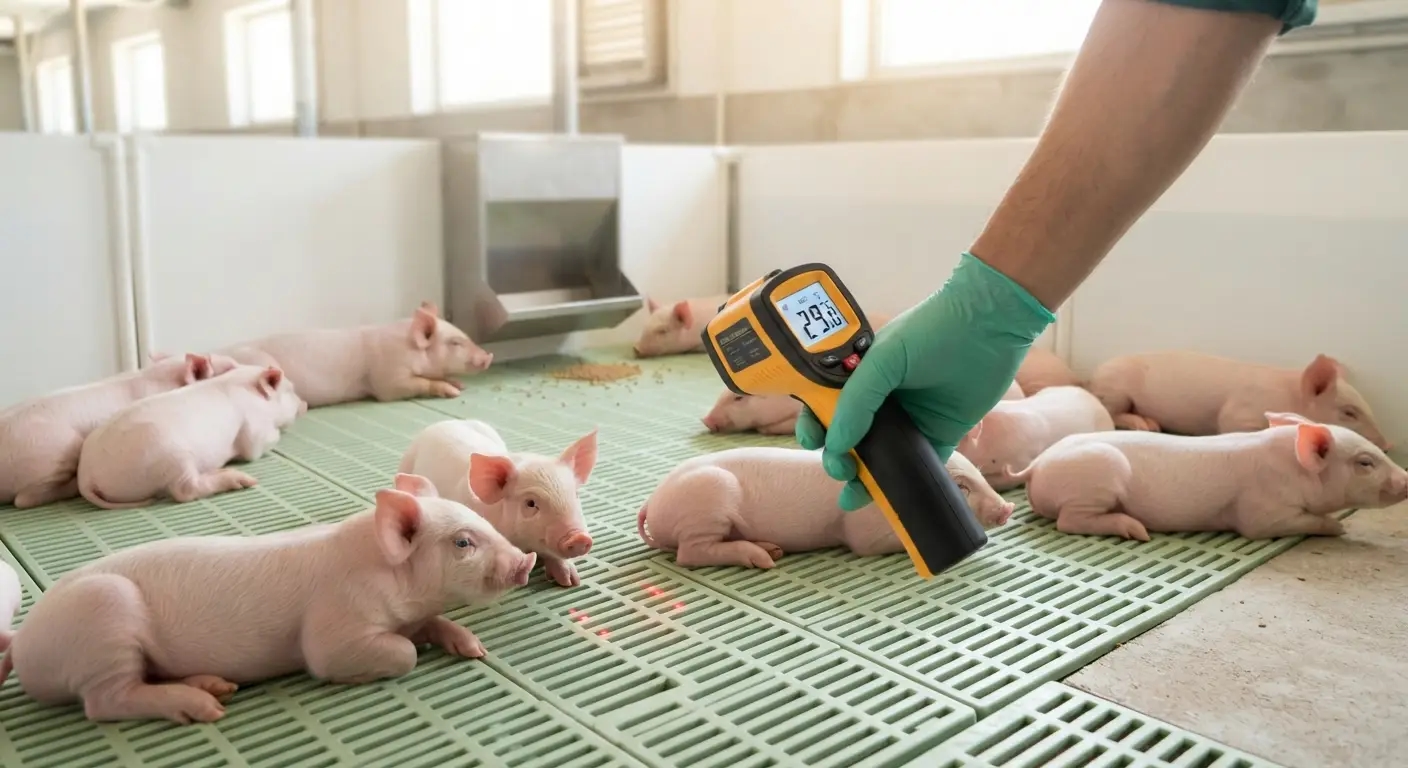
The weanling pen temperature requirement deserves emphasis that is disproportionate to the length of text required to state it: the weanling pen must be at the correct temperature before the piglets arrive, maintained at that temperature continuously, and the temperature target must be appropriate for the piglet’s actual developmental stage.
Target temperatures:
| Post-Weaning Week | Pen Air Temperature |
|---|---|
| Week 1 (days 0–7 post-weaning) | 28–30°C |
| Week 2 (days 7–14) | 26–28°C |
| Week 3 (days 14–21) | 24–26°C |
| Week 4+ (days 21–28, transitioning to grower) | 22–24°C |
Why these temperatures are higher than might be expected for what appear to be “small pigs”: A 6 kg weanling at 21 days of age has far less subcutaneous fat and far less absolute muscle mass for thermogenesis than a 30 kg grower. Its thermoneutral zone is substantially higher. Placing freshly weaned piglets in a pen at 24°C — a temperature that would be comfortable for a grower pig — means those weanlings are cold, reducing feed intake further (cold animals reduce voluntary feed intake as an energy conservation response) and diverting the limited metabolic resources they have away from recovery from weaning stress toward thermogenesis.
Verification: Check temperature at pig level (not at ceiling height, where most thermometers in pig housing are placed) before the piglets arrive. The behavior of the piglets immediately after placement in the pen is the best real-time temperature assessment: piglets huddling tightly together and shivering indicates the pen is too cold; piglets spreading out, panting, or avoiding each other indicates the pen is too warm; piglets that distribute normally and begin exploring the pen within 20–30 minutes of placement indicates a comfortable temperature.
Floor Type
As established in flooring guidance elsewhere in this series, fully slatted plastic flooring is the appropriate specification for weanling pens — the combination of slatted surface (allowing manure to pass below the pig’s standing surface) with plastic material (non-conductive, not absorbing cold from the concrete substrate below) provides both the hygiene and thermal advantages most important at this stage.
Feeder and Drinker Configuration
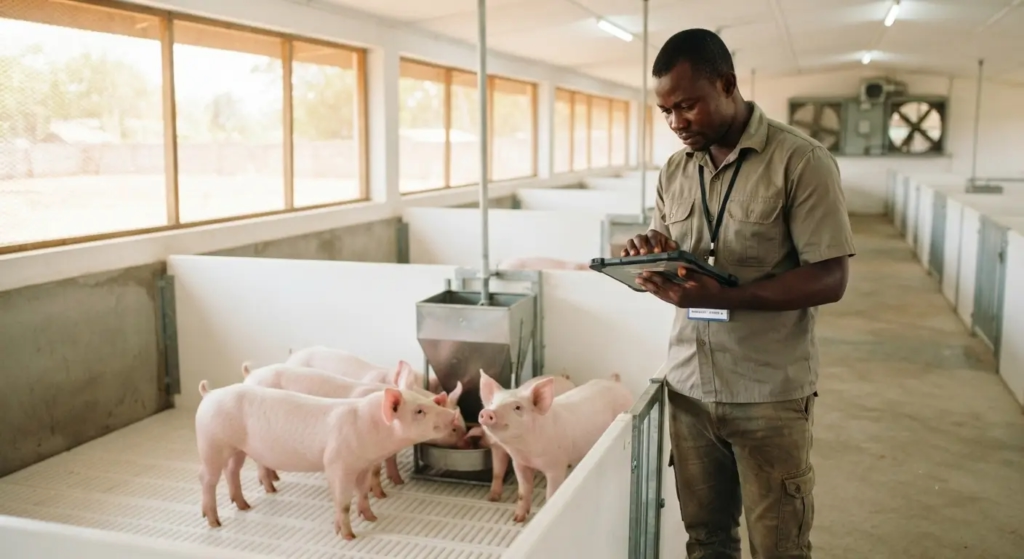
Multiple feeding spaces: Competition for feeder access in the first days after weaning, when all piglets are simultaneously in the appetite-depressed state of adjustment, is reduced by providing more feeding spaces per pig than would be required in established grower or finisher groups. The recommended feeder space of 5–7 cm of trough space per pig, or the equivalent in tube feeder access points, should be met without compromise in the weanling pen.
Wet-dry feeders: As referenced in water management guidance elsewhere in this series, wet-dry feeders — which combine dry feed and water access at the same station — consistently outperform separate dry feeders and drinkers for feed intake in freshly weaned piglets. The combination of water and feed at a single location appears to reduce the behavioral barrier to initial solid-feed consumption in animals accustomed to the combined nutrition-and-fluid experience of nursing.
Water temperature and flow rate: Freshly weaned piglets may refuse room-temperature water in the first 24–48 hours as part of the generalized appetite suppression of the weaning transition. Slightly warm water (30–35°C) in the first 24 hours can improve initial water intake — reducing the risk that water restriction compounds the feed intake depression. Flow rate at weanling drinkers must meet the 300–500 mL/minute minimum for this weight class as detailed in water management guidance.
Part 6: The Post-Weaning Nutrition Strategy
The First 48 Hours — Priority on Intake, Not Nutrient Density
The most common nutritional error in post-weaning management is formulating an excellent diet that the piglets refuse to eat. In the first 48 hours after weaning, feed intake — getting anything into the pig — is a higher priority than the specific nutritional composition of what is eaten.
Strategies to encourage initial intake:
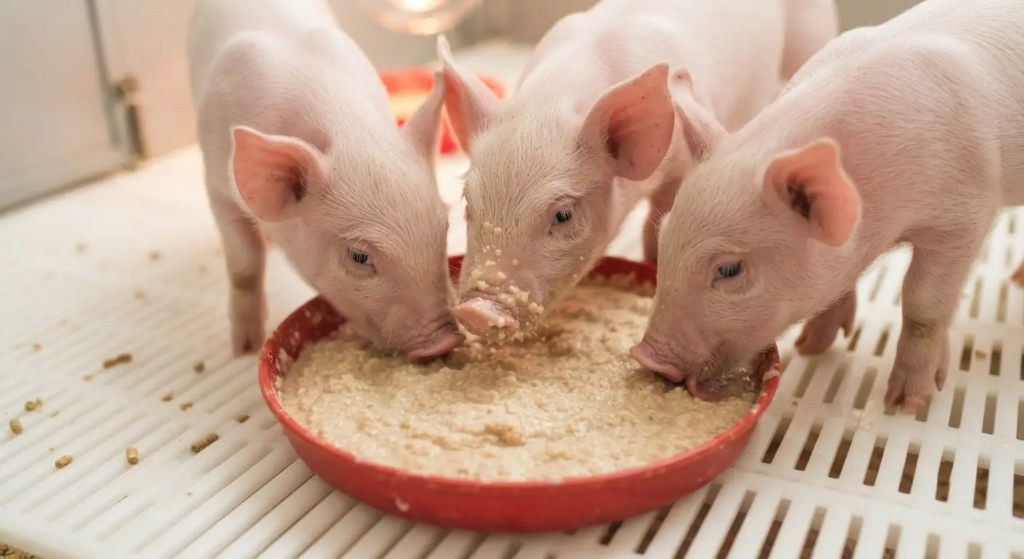
Moistened feed (gruel): Mixing starter feed with warm water to a porridge or thin slurry consistency closely approximates the physical characteristics of sow’s milk — liquid, warm, easily lapped. Freshly weaned piglets that have never encountered dry feed as a primary diet accept moistened feed with significantly less delay than dry feed alone. The limitation is that moistened feed spoils rapidly in tropical temperatures — fresh gruel must be prepared and offered in small quantities several times per day (4–6 feedings in the first 24 hours), with any uneaten gruel removed and replaced rather than left to ferment.
Feed presentation on the floor: Scattering a small amount of starter feed on the pen floor immediately after placement — not only in the feeder — uses the piglets’ natural rooting and investigation behavior to introduce them to the feed before they have discovered the feeder location. Floor-scattered feed is wasteful and creates hygiene concerns for ongoing management, but for the first 24 hours it is a valuable bridge between the piglets’ first pen exploration and their establishment of feeder-directed feeding behavior.
Highly palatable ingredients: As detailed in the four-stage diet guide, post-weaning Phase 1 starter formulations include dairy-derived ingredients (whey, skim milk powder), highly digestible protein sources, and specific palatability enhancers (sucrose at modest levels, spray-dried plasma protein, which has independently documented appetite-stimulating effects) specifically to encourage initial consumption.
Feed Intake Targets
| Post-Weaning Period | Target Daily Feed Intake | Notes |
|---|---|---|
| Day 1 | 50–100 g/piglet | Primarily establishing feeding behavior; nutritional intake minimal |
| Day 2–3 | 100–200 g/piglet | Intake increasing; some recovery of voluntary consumption |
| Day 4–7 | 200–350 g/piglet | Recovery phase; approaching normal for size and age |
| Week 2+ | 350–500 g/piglet | Normal weanling intake trajectory |
Monitoring actual pen-level feed intake (comparing feed delivered against feed remaining in feeders and on the floor) against these targets identifies groups below trajectory before the growth check becomes a prolonged performance problem.
The Four-Phase Post-Weaning Nutrition Sequence
As detailed in the four-stage diet guide, the starter period is appropriately divided into sub-phases that track the piglet’s maturing digestive capacity:
Phase 1 (days 0–7 post-weaning, 7–11 kg): Highest dairy inclusion, maximum digestibility emphasis, 20–22% CP, 1.40–1.50% SID lysine. The formulation that prioritizes acceptance and utilization over cost.
Phase 2 (days 7–21 post-weaning, 11–18 kg): Reducing dairy inclusion, increasing conventional plant protein, 19–21% CP, 1.30–1.40% SID lysine.
Phase 3 (days 21–35 post-weaning, 18–25 kg): Bridge to conventional grower formulation, 18–20% CP, 1.20–1.30% SID lysine.
Transition to grower: At 25 kg or approximately 35–42 days post-weaning, transition to the conventional grower 1 ration over a 3–5 day blending period.
The anti-nutritional factor concerns specific to early post-weaning nutrition — particularly the importance of heat-processed soybean meal with verified low trypsin inhibitor activity, and the mycotoxin sensitivity of young pigs — are detailed in the nutrition strategy and mycotoxin guidance in the nutrition cluster of this series.
Part 7: Disease Prevention in the Post-Weaning Period
The Specific Disease Challenges of the Post-Weaning Environment
Three disease entities are particularly associated with the post-weaning period and the specific vulnerabilities of the freshly weaned piglet:
Post-Weaning E. coli Diarrhea (PWD): Enterotoxigenic E. coli (ETEC) strains produce diarrhea through adhesion to the intestinal epithelium and production of enterotoxins that cause excessive fluid secretion. Freshly weaned piglets are particularly susceptible because the weaning-associated gut disruption creates attachment sites for ETEC fimbriae; the decline of colostral antibodies leaves the mucosal surface relatively unprotected; and the pH change in the stomach (milk’s buffering capacity is lost and stomach pH rises) reduces the acid barrier that normally limits bacterial survival in the upper gut.
Prevention: Sow vaccination against ETEC strains (boosting colostral IgA that provides mucosal protection during nursing, partially persisting into the post-weaning period); zinc oxide in the post-weaning diet at pharmacological levels (highly effective at reducing PWD but regulated or restricted in some jurisdictions — verify local regulatory status); organic acids in the diet or water (reducing gut pH toward the protective range); and the management factors that reduce weaning stress and support gut integrity.
Porcine Circovirus Type 2 (PCV2) — Post-Weaning Multisystemic Wasting Syndrome (PMWS): As referenced in vaccination guidance, PMWS typically presents 3–6 weeks post-weaning — the delay reflecting the virus’s incubation and the immune-compromising effect of weaning stress that amplifies its pathological impact. PCV2 vaccination (as detailed in vaccination guidance) is the primary prevention tool.
Streptococcus suis: S. suis meningitis, septicemia, and arthritis are classic post-weaning disease presentations, typically occurring in the first 2 weeks post-weaning as newly mixed litters cross-infect each other with S. suis strains to which they have varying levels of immunity from their birth-litter exposure history. Minimizing mixing of litters (reducing the cross-exposure to novel S. suis strains), maintaining excellent pen hygiene, and prompt treatment of any piglet showing neurological signs (paddling, tremors, lateral recumbency — the classic S. suis meningitis presentation requiring immediate injectable penicillin treatment) limits the impact.
Antibiotic Prophylaxis — The Policy Context
Routine antibiotic prophylaxis in post-weaning feed or water (adding antibiotics to prevent disease in the absence of specific disease diagnosis) is a practice that:
- Is specifically prohibited in an increasing number of international markets and regulatory jurisdictions
- Creates selection pressure for antibiotic resistance development
- Is specifically prohibited as a requirement for supply into certain export markets and formal retail channels
The management and nutritional strategies in this guide — minimizing weaning stress, correct temperature, adequate feeding, creep feed preparation, appropriate vaccination — reduce post-weaning disease incidence to levels manageable without routine prophylaxis in well-managed commercial systems. Antibiotic use at weaning should be reserved for treatment of diagnosed disease rather than routine prevention.
Part 8: Monitoring the Post-Weaning Period — Recognizing and Responding to Problems
Daily Monitoring Protocol (Days 1–7)
Morning observation (before feeding): Assess pen uniformity and identify any piglets that have not risen from their overnight resting position — lethargic, not-risen piglets are early indicators of disease or inadequate thermal management requiring investigation.
Feeding observation: Watch active feeding behavior at the time of feed delivery or feeder inspection — how quickly do the piglets respond? Are all piglets accessing the feeder, or are some excluded by competitive feeding behavior from the dominant animals? What proportion of the pen appears interested in feed versus indifferent?
Fecal assessment: The fecal character of freshly weaned piglets is a useful disease indicator: firm, slightly pale feces in the first 24 hours (transition from milk-based to solid-feed-based digestion) is expected; profuse, watery, yellow-grey diarrhea indicates E. coli or Rotavirus infection requiring immediate attention; blood in feces indicates a more serious disease process warranting urgent veterinary assessment.
Weight assessment: Weigh a representative sample (10–15 piglets) at weaning, at day 7, and at day 14 — tracking the growth check depth and recovery rate against expected benchmarks confirms whether the post-weaning management system is performing adequately or requires adjustment.
The Recovery Benchmark
A well-managed post-weaning period should see piglets return to their weaning body weight by day 7–10 post-weaning (after the initial weight loss of the growth check) and be at approximately 120–140% of weaning weight by day 14. Groups tracking significantly below these benchmarks warrant investigation of the specific contributing factors: temperature, feed intake, disease burden, or nutritional formulation.
Summary
The post-weaning transition is not a problem to be managed around — it is a biological reality to be managed through. The piglet’s digestive system is genuinely underprepared for complete solid-feed dependency at 21–28 days of age, its immune system is genuinely at its most vulnerable when maternal antibodies are declining, and its own immune development is incomplete, and the social disruption of mixing unfamiliar animals in a new environment is genuinely stressful in ways that suppress feed intake and cortisol-mediated immune function.
None of these challenges are eliminable. All of them are modulable — their severity is directly influenced by the management decisions made before weaning (creep feed preparation, appropriate weaning age, weaning weight threshold), at weaning (sow removal timing, litter mixing protocol, immediate pen conditions), and in the days following (temperature maintenance, feed presentation strategy, disease prevention, and monitoring).
The farm that applies all of these tools systematically — using creep feed to prepare the gut, weaning at an appropriate weight threshold, maintaining correct pen temperature, presenting feed in formats that maximize initial intake, implementing the vaccination and disease prevention measures specific to the post-weaning period, and monitoring daily performance against expected benchmarks — will consistently achieve post-weaning growth checks that are shorter in duration, less severe in depth, and faster in recovery than farms that accept the post-weaning check as an unavoidable, unmanageable event.
Every day of growth check compressed is another day of growth at commercial rates. At 500 weanlings per year, compressing the average growth check from 7 days to 4 days recovers 1,500 pig-days of growth — approximately XAF 1,200,000 (USD 2,000) in additional production value from the same animals, the same genetics, and the same feed. The management investment that achieves this recovery pays for itself many times within a single year.