No other nutritional intervention available to a commercial pig farm has the biological significance of the colostrum a piglet receives in its first hours of life. Not the most precisely formulated starter ration. Not the highest-quality creep feed. Not any injectable supplement or oral supportive care product. The colostral immunoglobulins that a piglet absorbs through its gut wall in the first 24 hours of life are the only substantive source of immune protection it will have during the first weeks — the weeks when it faces the highest pathogen challenge of its entire life in the farrowing house environment.
The magnitude of colostrum’s importance comes from a single anatomical fact: the pig’s epitheliochorial placenta does not allow antibody transfer from dam to fetus during pregnancy. Unlike humans, dogs, horses, and many other mammalian species that receive at least partial transplacental passive immunity, the pig is born with essentially no circulating immunoglobulins — a state of immunological nakedness that would be lethal without the concentrated immunoglobulin supply in colostrum.
The urgency of colostrum management comes from a second biological fact: the window during which colostral immunoglobulins can cross the intestinal wall intact into the piglet’s bloodstream closes within approximately 24–36 hours of birth. The small intestinal enterocytes that mediate this transcytosis process (physically transporting intact IgG molecules across the cell from the intestinal lumen to the underlying bloodstream) are gradually replaced by mature enterocytes that digest rather than transport proteins — a process called “gut closure” that is irreversible and cannot be delayed by any management intervention.
These two facts — immunological nakedness at birth, and a closing window for passive immunity acquisition — create a management imperative that is as time-sensitive as any intervention in commercial livestock production. This guide builds the complete colostrum management system: verifying intake across an entire litter, identifying and prioritizing the piglets most at risk of inadequate intake, the interventions available when natural nursing fails or is insufficient, the colostrum bank that provides insurance for the scenarios where the sow’s own supply is unavailable, and the monitoring indicators that allow assessment of passive immunity transfer success.
The Biology of Colostrum — What Makes It Different from Milk
Composition: Not Just Nutrients
Colostrum differs from mature milk in composition across every measured category — its immunological function comes from components that are present at high concentration at birth and decline rapidly:
Immunoglobulins (the critical component):
Colostrum contains three classes of immunoglobulins, of which IgG is by far the most important for systemic passive immunity:
- IgG: The dominant immunoglobulin class in pig colostrum; provides systemic immune protection once absorbed through the gut wall and distributed in the bloodstream; concentration in first-milking colostrum ranges from 50–100 mg/mL and declines to less than 10 mg/mL by 24 hours post-partum
- IgA: Provides local mucosal protection in the gastrointestinal and respiratory tracts; not absorbed systemically through the gut wall but remains active in the intestinal lumen throughout lactation in decreasing concentrations
- IgM: The first immunoglobulin class produced in acute immune responses; provides early-response systemic protection
The total immunoglobulin concentration in colostrum at the time of farrowing is approximately 10–15 times higher than in mature milk produced 48 hours later — making the timing of colostrum intake profoundly more important than the quantity of fluid consumed, since a small volume of high-concentration colostrum provides more immune protection than a larger volume of later milk.
Energy concentration:
First-milking colostrum is also substantially higher in fat and energy than mature milk — approximately 30–40% fat on a dry matter basis compared to the 8–10% fat content of mature milk. This energy density is critical for the neonatal piglet’s thermal management, as it provides the substrate for the metabolic heat generation the newborn pig requires for independent thermoregulation. A piglet that has consumed adequate colostrum is physiologically better equipped to maintain body temperature than one that has not — the nutrition and thermal management vulnerabilities identified in the golden hour guide are directly interconnected through colostrum intake adequacy.
Growth factors and immune modulators:
Beyond immunoglobulins and energy, colostrum contains a range of bioactive components — insulin-like growth factor-1 (IGF-1), epidermal growth factor (EGF), and various cytokines — that stimulate gut development, immune system maturation, and the proliferation of intestinal villi. These components contribute to the gut infrastructure that supports the transition from colostrum-based passive immunity to the active immunity that the piglet’s own immune system begins developing over the subsequent weeks.
The Gut Closure Timeline
The timing of gut closure — the progressive loss of the intestinal capacity to transport intact immunoglobulins — is species-specific and follows a consistent pattern in pigs regardless of the timing or amount of colostrum consumed:
- 0–12 hours: Maximum absorption capacity — transcytosis of IgG is most efficient; a given volume of colostrum consumed in this window provides more immune protection than the same volume consumed later
- 12–24 hours: Declining but still substantial absorption capacity
- 24–36 hours: Significant decline in absorption efficiency; immunoglobulins consumed during this period are increasingly digested rather than transported
- After 36 hours: Effectively zero absorption of intact immunoglobulins; colostrum consumed after this point provides nutritional but not immunological benefit
The practical implication: The urgency of ensuring every piglet nurses in the first 12 hours is not about nutritional adequacy (which could potentially be addressed at any point in the first days of life) — it is about immune protection that cannot be provided at any later point regardless of the intervention used.
What Determines the Sow’s Colostrum Quality
The immunoglobulin concentration in a sow’s colostrum is primarily determined by her own circulating antibody levels — and these in turn are determined by:
Vaccination status: A sow vaccinated against specific pathogens in the weeks before farrowing has high circulating antibody titers against those pathogens, which are actively concentrated into colostrum during the pre-partum colostrum formation period. This is the mechanism underlying the sow vaccination programs for neonatal protection (E. coli/Clostridium vaccines, PRRS vaccination programs) detailed in vaccination guidance elsewhere in this series.
Disease exposure history: Natural disease exposure produces circulating antibodies that are concentrated into colostrum in the same way as vaccination-induced antibodies. A sow that has been exposed to the endemic pathogen population of the farm has developed antibodies to those specific pathogens — making her colostrum specifically protective against the disease challenges her piglets will face in that environment. This is one of the rationales for the “acclimation exposure” approach during the quarantine period for incoming gilts.
Parity effects: First-litter gilts typically produce colostrum with lower immunoglobulin concentration than experienced sows of the same vaccination status — the immune system’s response to vaccination and exposure increases and becomes more robust over successive parities. This is a clinically relevant consideration for managing first-litter gilt litters, where additional attention to colostrum intake adequacy may be warranted.
Body condition at farrowing: Sows that are significantly undernourished (BCS below 2.5 at farrowing) may produce colostrum of lower immunoglobulin concentration — the immune proteins in colostrum come ultimately from the sow’s own protein metabolism, and protein-depleted sows have less capacity to produce high-concentration immunoglobulin output.
The Minimum Adequate Colostrum Dose
What the Research Shows
Quantitative research on passive immunity transfer in pigs has established approximate minimum colostrum consumption targets:
Minimum for adequate passive immunity: Approximately 200–250 mL of colostrum consumed in the first 24 hours of life is associated with circulating IgG levels in the piglet adequate for protection against typical commercial pathogen challenges.
Optimal for maximal protection: 350–500 mL consumed in the first 24 hours, with a significant proportion (ideally the majority) consumed within the first 12 hours, achieves the highest protective IgG titers.
The timing premium: 200 mL consumed in the first 6 hours provides more systemic protection than 200 mL consumed at 18–24 hours, due to the higher absorption efficiency in the earlier gut closure window.
Converting Dose to Practical Management Targets
Nursing frequency: A piglet with normal suckling behavior will nurse approximately every 45–60 minutes at the sow’s natural milk ejection intervals — approximately 10–15 nursing bouts in the first 12 hours. Each successful nursing bout provides roughly 10–20 mL of colostrum at first-day concentrations. A piglet completing 10–15 bouts in the first 12 hours therefore receives approximately 100–300 mL — within the range needed for adequate protection, provided each nursing bout results in effective milk extraction.
The small piglet problem: A litter’s smallest piglets are the most vulnerable on multiple simultaneous dimensions:
- They have the least body fat reserve for thermal management
- They have the least muscle strength for sustained suckling effort
- They face the most competition for teat access from larger, more vigorous littermates
- They have the highest surface-area-to-mass ratio and therefore the fastest heat loss
A small piglet that struggles to access teats against competition, whose weak suckling effort fails to trigger adequate milk ejection, and whose body temperature is declining from inadequate thermal management is in a cascading downward spiral — each problem worsening the others — that only direct human intervention can interrupt.
Verifying Colostrum Intake Across the Litter
The 2-Hour and 8-Hour Assessments
2-hour check (during active farrowing): Throughout the farrowing event, regularly verify that piglets born earlier are finding and using teats while the farrowing continues. A piglet born first and not yet nursing successfully after 2 hours from birth is already behind in its colostrum intake timeline and requires intervention.
8-hour crop fill equivalent assessment: As established in the golden hour guide, the 8-hour assessment is the critical checkpoint for confirming successful transition. For each piglet in the litter:
Signs of adequate colostrum intake at 8 hours:
- Visibly rounded, full abdomen (distended in the ventral profile when viewed from below — the stomach filled with milk and colostrum creates a characteristic fullness visible even externally through the abdominal wall)
- Active, responsive to handling, and will actively orient toward the udder when placed near it
- Warm body temperature (warm to the touch across the back and flanks — not cool or cold)
- Pink skin coloring indicating adequate circulation and oxygenation
Signs of inadequate colostrum intake at 8 hours:
- Thin, tucked-up abdomen (the sunken appearance of an unfed piglet)
- Lethargic, slow to respond to handling, weak vocalization
- Cool or cold to the touch (indicating hypothermia developing from inadequate energy intake)
- Pale or mottled skin
- Tendency to separate from the main litter group rather than being integrated and competing for teat access
Any piglet failing the 8-hour assessment requires immediate intervention — the colostrum window is already one-third closed.
The Suckling Observation Assessment
Beyond assessing the piglet’s condition after nursing has (or has not) occurred, direct observation of the suckling behavior during a nursing bout provides real-time information about whether colostrum is actually being transferred:
Signs of successful nursing:
- The piglet is positioned correctly at the teat — snout contacting the teat with downward head pressure, not misdirected at skin alongside the teat
- Active, rhythmic jaw movement (the massaging motion that stimulates milk letdown)
- Swallowing movements visible in the throat — the most reliable sign that fluid is actually being received, not just that suckling behavior is occurring without effective milk extraction
- Tail wagging during the suckling bout (the characteristic wag-while-nursing behavior of a successfully feeding piglet — the “tail-wag test” is a reliable practical indicator in attended farrowing environments)
Signs of unsuccessful nursing (piglet present but not effectively consuming colostrum):
- Misdirected suckling — the piglet is nosing and suckling at an area of skin rather than at a teat
- Suckling behavior without swallowing — the jaw is moving, but there is no visible swallowing, suggesting either the teat is non-functional or the piglet lacks the strength to trigger milk ejection
- Rapid fatigue — the piglet makes brief suckling attempts and then falls away from the teat without completing a nursing bout
- Failure to latch at all — the piglet is present near the udder but cannot find or attach to a teat
Intervention Strategies for Insufficient Natural Intake
Strategy 1: Assisted Nursing
The simplest intervention — physically placing the piglet at a teat and supporting it in position until it latches and begins effective suckling.
Technique:
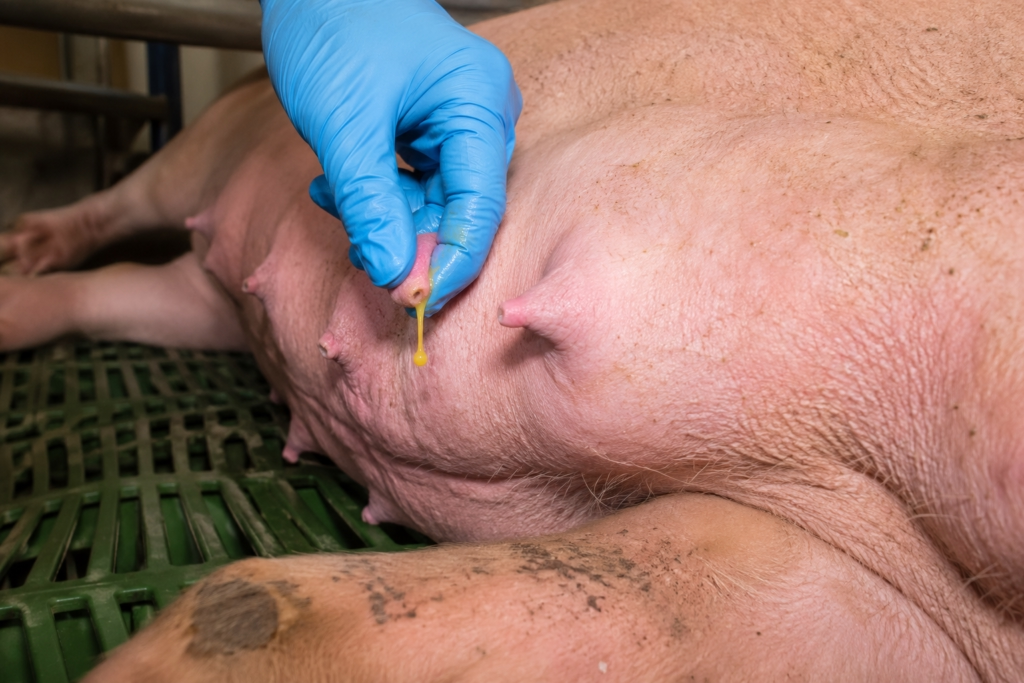
- Select a teat on a functional gland that is producing colostrum (test by gentle manual expression before placing the piglet — a teat producing visible colostrum with gentle pressure is a productive gland)
- The anterior glands (closest to the forelegs) typically produce more colostrum than the posterior glands in the first hours after farrowing; preferentially placing smaller, weaker piglets at these anterior teats maximizes their intake opportunity
- Cup the hand beneath the piglet to support its body weight, reducing the energy expenditure required for the piglet to maintain its own position at the teat
- Once the piglet latches, maintain the supporting position until it has completed a sustained nursing bout (tail wagging and swallowing confirmed)
- Repeat at every nursing opportunity (every 45–60 minutes) until the piglet is strong enough to compete independently
Strategy 2: Split-Suckling
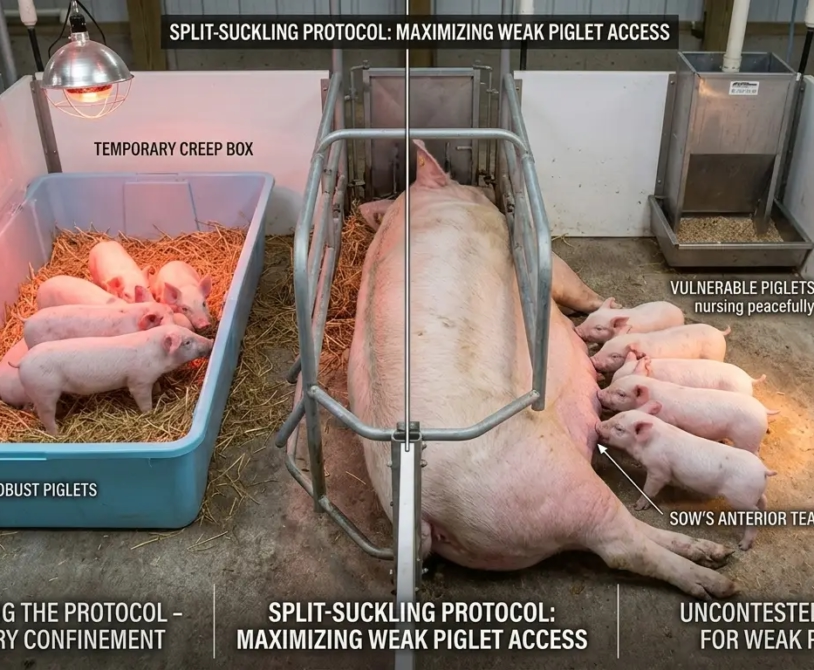
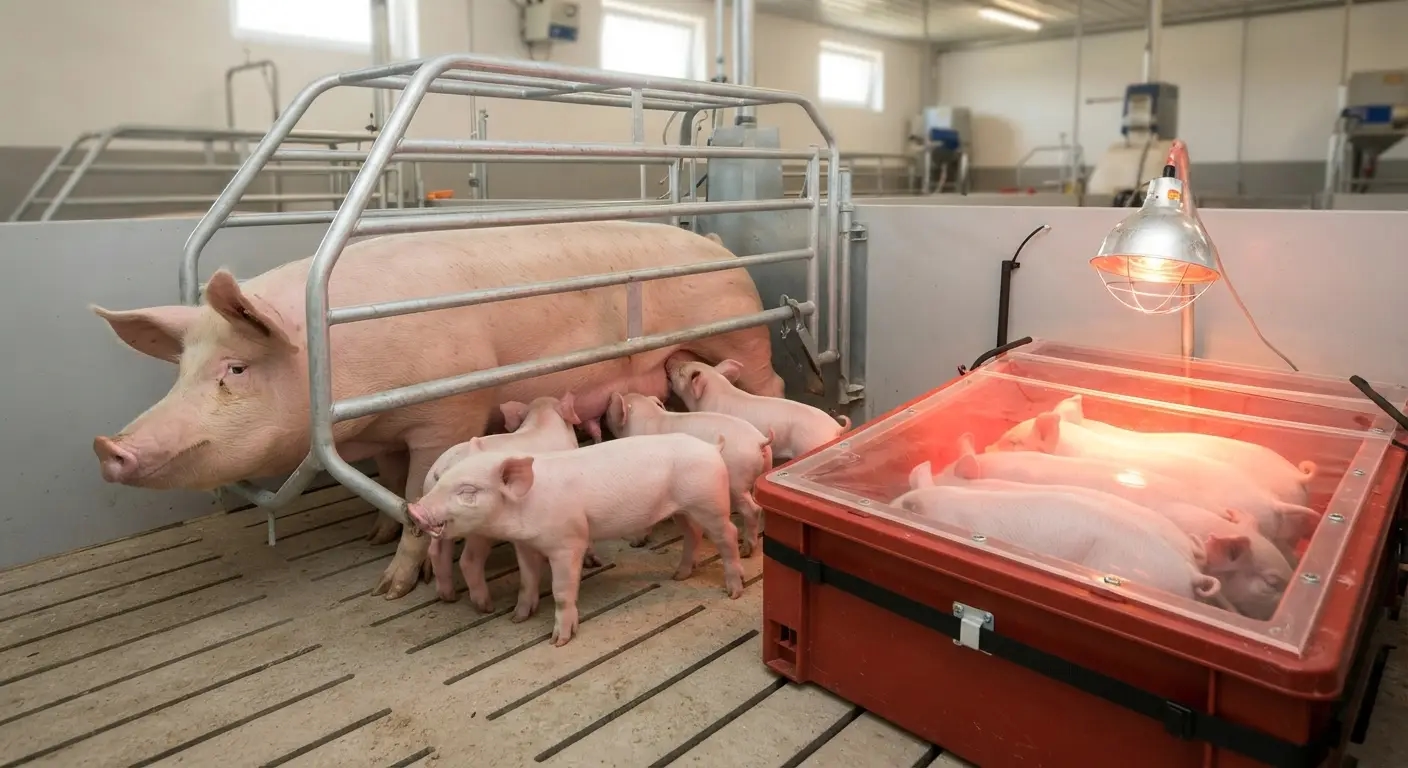
As established in the farrowing management handbook, temporarily confining the larger, more vigorous piglets to the warm creep area for 30–45 minute periods while the smaller piglets have uncontested udder access.
When to use: Most valuable in litters where the size range is large — where the top third of the litter by birth weight is substantially heavier than the bottom third, and competition for teat access is creating a situation where small piglets are consistently displaced.
Frequency in the first 24 hours: In litters with significant size variation, split-suckling periods every 2–3 hours during the first 12 hours ensures that every small piglet has multiple uncontested nursing opportunities during the highest gut-absorption-efficiency window.
Strategy 3: Direct Colostrum Administration
When natural nursing cannot provide adequate colostrum — either because the piglet is too weak to nurse independently or because the sow’s colostrum production is insufficient (MMA complex, agalactia) — colostrum must be administered directly.
Sources of colostrum for direct administration:
From the same sow: Manual expression from the sow’s teats immediately after farrowing — the sow’s colostrum is species-matched, pathogen-specific for the farm’s disease environment, and has the highest IgG concentration of any available colostrum source. Even relatively small amounts manually expressed (10–15 mL per teat with gentle hand milking) can provide a critical initial dose to a piglet unable to nurse independently.
From another sow on the same farm: A sow that has just farrowed (ideally within hours of the recipient piglet’s birth, to maximize IgG concentration) and has excess colostrum from a small litter relative to her teat count can serve as a donor. Her colostrum provides farm-specific pathogen protection — she has developed antibodies to the same endemic pathogens the recipient piglet will face.
From the farm’s frozen colostrum bank (detailed in Part 5 below): Frozen colostrum thawed appropriately provides the insurance supply when fresh colostrum from a concurrent sow is unavailable.
Commercial colostrum supplement products: Products formulated to supplement or partially replace sow colostrum, providing energy and some immunological components — generally considered a supplement to rather than a replacement for sow-sourced colostrum, as no commercial product replicates the farm-specific pathogen coverage provided by colostrum from a sow with the specific disease exposure history of that farm environment.
Administration technique — syringe feeding:
For piglets with some suckling reflex but insufficient strength to nurse independently:
- Draw 5–10 mL of colostrum into a clean syringe (no needle — just the syringe barrel)
- Position the piglet in sternal recumbency (belly-down, not on its back)
- Insert the syringe tip gently into the corner of the piglet’s mouth
- Deliver 1–2 mL slowly, pausing between each small aliquot to allow the piglet to swallow
- If any fluid appears at the nostrils (indicating it has entered the airway rather than the esophagus), stop, reposition, and clear the airway before continuing
- Target 20–25 mL per administration for an initial dose, repeated every 2–3 hours until the piglet can nurse independently
Administration technique — tube feeding (stomach tube):
For piglets with no suckling reflex or with complete inability to swallow safely:
- A flexible feeding tube (a soft, blunt-ended tube of approximately 3–4 mm diameter, 30–40 cm length) passed through the mouth and into the stomach allows direct gastric delivery of colostrum that bypasses the swallowing difficulty
- Confirm correct placement in the stomach (not in the trachea) before administering — correct placement is confirmed by the absence of resistance and the piglet’s continued normal breathing
- Administer 5–10 mL slowly
- This technique should be learned through direct demonstration from an experienced handler or veterinarian before being attempted independently — incorrect tube placement into the trachea with subsequent colostrum administration causes drowning
Strategy 4: Fostering to a Concurrent Sow
Where a sow in the same farrowing batch has farrowed with a litter smaller than her teat count, transferring the weakest piglets from the large litter to the sow with available capacity:
- Provides an ongoing source of natural colostrum without requiring repeated direct administration
- Reduces competition for the transferred piglets from their stronger littermates
- Most effective when done early (within the first 12 hours) before either the receiving sow’s colostrum concentration has declined significantly or the transferred piglets have become significantly weakened
The transfer timing principle: All transferred piglets should receive adequate colostrum from their birth dam before being moved to the foster sow — the pathogen-specific colostrum immunity provided by the birth dam’s colostrum is not replaceable by the foster dam’s colostrum, which reflects different exposure and vaccination history.
The Farm Colostrum Bank
Building and Managing a Colostrum Reserve
The scenarios where a colostrum bank provides direct piglet survival value occur in every farrowing operation eventually — a sow that dies during farrowing, MMA complex that eliminates a sow’s milk production hours after delivery, a litter size that exceeds what any available concurrent sow can accommodate. For each of these scenarios, a readily available frozen colostrum supply provides the insurance that prevents what would otherwise be inevitable mortality.
Collection Protocol
When to collect:
- From sows with litter sizes significantly smaller than their functional teat count — the “spare” teats that would produce colostrum but would not be suckled by the small litter can be milked without reducing colostrum available to the litter
- During farrowing, before the litter is born — the first manually expressed colostrum, before nursing demand begins, has the highest IgG concentration
- From sows with exceptionally large colostrum production after the litter’s immediate needs are met
How to collect:
- Clean the teat area with a damp cloth before collection
- Apply gentle, consistent hand-milking pressure — the squeeze and release technique used for dairy animals, applied to each productive teat in sequence
- First milking will produce the highest-concentration colostrum — prioritize early collection
- Collect into clean, food-grade containers
Volume targets: Even 50–100 mL of first-milking colostrum from a high-producing sow represents a meaningful bank deposit — sufficient for two to three direct administration doses for an emergency piglet.
Freezing and Storage Protocol
Container choice: Small individual-portion containers (10–20 mL capacity) allow thawing of individual doses without wasting the entire bank supply for a single piglet. Ice cube trays used for initial freezing, then stored in sealed freezer bags, provide practical portion control.
Freezing temperature: Standard domestic or commercial freezer (-18°C or lower) is adequate for storage of up to 6 months without significant IgG degradation.
Labeling: Date of collection, sow identification (including her vaccination status where relevant), and approximate first-milking vs. later-milking designation allow prioritization of the highest-concentration earliest-collected portions for the highest-priority recipients.
Storage duration: Maximum 6 months for immunologically active colostrum. Colostrum stored beyond this period may still provide nutritional value but should not be relied upon for immunological protection.
Thawing Protocol — The Critical Step That Is Most Often Incorrectly Executed
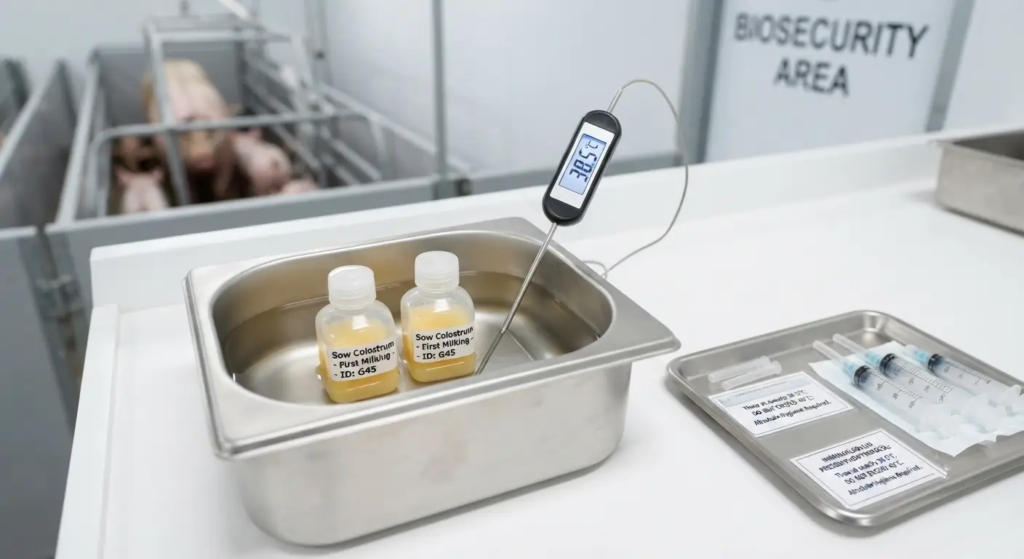
The requirement: Thaw at a maximum of 40°C — body temperature equivalent.
Why temperature matters critically: The immunoglobulins in colostrum are proteins, and proteins denature (lose their functional three-dimensional structure) when exposed to heat above approximately 56°C. A frozen colostrum supply thawed in boiling water or in a microwave oven may appear identical to correctly thawed colostrum — liquid, the same color, the same consistency — but will provide essentially zero immunological benefit because its IgG has been destroyed by the heat.
Correct thawing method:
- Place the frozen container in a water bath at 38–40°C (hand-warm water — not hot water)
- Change the water if it cools before thawing is complete
- Do not use microwave, boiling water, or any method that risks exceeding 40–45°C at any point during thawing
- Once thawed, use within 12 hours — do not refreeze
The First-Litter Gilt — The Highest-Risk Colostrum Management Scenario
Why First-Litter Gilts Require Extra Attention
As introduced in the colostrum quality section, first-litter gilts represent the highest-risk colostrum management scenario for several compounding reasons:
Lower IgG concentration in colostrum: First-litter gilts have had less cumulative immune experience than sows with multiple parities, and their colostrum IgG concentration is typically lower than experienced sows with equivalent vaccination status. The protective threshold is harder to reach from a lower-concentration starting point — it requires more volume consumed to achieve the same circulating IgG level in the piglet.
Mammary development variability: Some gilts have incomplete mammary gland development at first farrowing — teats that appear functional externally but have insufficient glandular development to produce meaningful colostrum volumes. Testing each teat for colostrum production during or immediately after farrowing identifies non-productive glands and allows the litter to be directed to productive ones.
Behavioral unfamiliarity: First-litter gilts are frequently more restless and anxious during farrowing, and their response to piglet nursing (particularly the stimulation of milk ejection) may be less developed — some gilts require several nursing bouts before the milk ejection reflex becomes consistent, delaying colostrum access for the litter beyond what the same litter would experience from an experienced sow.
Management adjustment for gilt litters:
- More frequent observation during the first 6 hours after farrowing completion
- Earlier intervention threshold for split-suckling (implement for any first-litter gilt litter with significant size variation, not only for very large litters)
- Earlier and lower threshold for direct colostrum administration to piglets showing any signs of inadequate intake
- Consider supplementing with colostrum from a concurrent experienced sow for any piglet from a first-litter gilt that fails the 4-hour assessment
Monitoring Passive Immunity Transfer Success
Farm-Level Assessment Tools
Clinical performance monitoring: The downstream effects of inadequate passive immunity transfer are visible in the farrowing house within the first 1–2 weeks of life — elevated pre-weaning mortality from infectious causes (diarrhea, septicemia, respiratory disease), increased antibiotic treatment rates in nursing piglets, and reduced average weight gain at weaning. Tracking these metrics against the farm’s own historical baseline provides a practical indicator of whether the colostrum management system is delivering adequate immune protection across the litter population.
Serum IgG testing (where laboratory access allows): Blood samples from a sample of piglets at 24–48 hours of age (after gut closure, so circulating IgG reflects absorbed colostral antibody) can be tested for IgG concentration — confirming whether the colostrum management system is achieving the protective levels the program is designed to deliver. A refractometer test on serum (measuring total protein concentration as a proxy for IgG) provides a more accessible, lower-cost field alternative to direct IgG measurement in laboratory settings.
The target: Serum IgG above 10 g/L at 24–48 hours of age is generally considered the threshold for adequate passive immunity transfer in pigs — below this level, the piglet is at substantially increased risk from the infectious disease challenges of the early neonatal period.
Summary
Colostrum management is the immunological foundation of neonatal pig health — and it is time-limited, irreversible, and non-substitutable in a way that makes the quality of the management in the first 24 hours of a piglet’s life uniquely consequential.
The complete colostrum management system in this guide — verifying intake through behavioral observation and the 8-hour physical assessment, identifying the specific signs of inadequate intake that require intervention, matching each intervention strategy (assisted nursing, split-suckling, direct administration, fostering) to the specific situation that requires it, building and correctly maintaining a frozen colostrum bank for emergency use, and applying specific additional attention to first-litter gilt litters that represent the highest colostrum management risk scenario — provides the operational framework for ensuring that every piglet born alive on a commercial farm has the best possible opportunity to receive the passive immune protection that determines its probability of surviving to weaning.
The genetic investment in selecting high-performance sow lines, the biosecurity investment in keeping pathogens away from the farrowing house, the vaccination investment in building the sow’s antibody repertoire — all of these are partially or fully wasted in a piglet that does not receive adequate colostrum in its first hours of life. The passive immune protection delivered in the first 24 hours is not a detail in the farrowing management system. It is the foundation on which every other health management investment in that piglet’s life depends.