A vaccination program that is designed correctly, implemented precisely, and maintained consistently is the single most cost-effective health management investment available to a commercial pig operation. A single dose of Erysipelas vaccine costing XAF 500–1,500 (USD 0.83–2.50) prevents the diamond skin disease, sudden death, and endocarditis events that cost XAF 50,000–150,000 (USD 83–250) per affected animal in treatment and production loss — a ratio that makes the investment case for most commercial pig vaccines among the clearest in agricultural management.
But the investment case for vaccination assumes the vaccine actually works — that it was stored at the correct temperature from manufacturer to farm, that it was administered by the correct route at the correct dose to a pig in the correct physiological condition at the correct time relative to the disease exposure risk it is protecting against. When any of these conditions fails, the vaccine delivers at best partial protection and at worst zero protection, while the farm continues paying for vaccination with the false confidence that its herd is protected when it is not.
This guide builds both the schedule and the conditions: the recommended vaccination program for commercial pig operations in West and Central Africa, stage by stage from neonatal piglets through growing pigs to breeding sows and boars; the cold chain requirements that determine whether the schedule’s vaccines actually perform; the administration techniques that determine whether each dose reaches the animal in viable condition; and the local disease pressure logic that guides adaptation of a standard schedule to a specific farm’s epidemiological context.
The Principles Behind Vaccination Scheduling
Why Timing Matters — Maternal Immunity and the Window of Susceptibility
Neonatal piglets receive passive immunity from colostrum — the first milk produced by the sow in the hours immediately after farrowing — containing maternally derived antibodies (MDA) that provide temporary protection against pathogens the sow has encountered or been vaccinated against. This passive protection is critical for neonatal survival but creates a specific challenge for active vaccination: the same maternal antibodies that protect the piglet against natural infection also neutralize vaccine antigens, preventing the piglet’s own immune system from responding to vaccination while MDA levels are high.
The practical consequence: Vaccines administered too early, while MDA levels are still high, are neutralized before they can stimulate the piglet’s immune response — the pig receives a dose but develops no lasting immunity. Vaccines administered too late (after the MDA has declined to non-protective levels and before the pig has been vaccinated) leave a window of susceptibility during which the pig can be infected by the natural pathogen without the protection either MDA or active vaccination would provide.
The scheduling solution: Most piglet vaccination schedules are designed to administer vaccines at the age when MDA has declined sufficiently to allow active immune response but before the gap between MDA decline and active immunity creates an unacceptable clinical risk window. This timing is pathogen-specific — the MDA persistence for each pathogen depends on the sow’s antibody titer at the time of farrowing, which in turn depends on the sow’s own vaccination status and disease history.
The practical implication for sow vaccination: A well-vaccinated sow with high antibody titers at farrowing transfers more MDA to her piglets, providing better passive protection in early life — but also potentially delaying the optimal timing of piglet vaccination for that same pathogen. This is one of the reasons sow vaccination programs and piglet vaccination programs must be designed together rather than independently.
The Distinction Between Core and Non-Core Vaccines
Core vaccines: Recommended for all commercial pig operations regardless of local disease pressure, because the target diseases are sufficiently prevalent, the consequences of infection sufficiently severe, and the vaccine efficacy sufficiently well-established to justify universal use.
Non-core vaccines: Recommended based on confirmed local disease pressure — either documented outbreaks in the region, serological evidence of pathogen circulation in the area, or high-risk management conditions that elevate the probability of exposure. These vaccines add cost and management complexity that is only justified when the disease pressure exists.
The vaccination schedules in this guide identify which vaccines are core and which are non-core, with the diagnostic logic for determining whether non-core vaccines are indicated for a specific operation’s epidemiological context.
Neonatal Piglet Management (Birth to Weaning)
Iron Supplementation — The Non-Vaccination Priority
As detailed in the nutritional deficiencies article in this series, iron supplementation at 2–5 days of age is the single most important health intervention in the neonatal period — preventing the iron deficiency anemia that would otherwise develop in all confinement-housed piglets by 2–3 weeks of age.
Protocol:
- Injectable iron dextran: 200 mg elemental iron per piglet, intramuscular injection in the neck muscle at 2–5 days of age
- A second 200 mg dose at 18–21 days where litters are large and fast-growing
This is not a vaccine but is included here because it occurs during the neonatal health management window and is the most consequential routine health procedure in this period.
Neonatal Period Core Health Interventions
| Age | Intervention | Route | Notes |
|---|---|---|---|
| Day 1–3 | Colostrum access verification | Management | Ensure every piglet nurses in first 6 hours — this is the critical passive immunity window |
| Day 2–5 | Iron dextran (200 mg) | IM injection, neck | Non-negotiable in confinement systems |
| Day 3–7 | Coccidiosis prevention (Toltrazuril 5 mg/kg or Diclazuril) | Oral drench | Particularly important in deep litter or solid floor systems where Isospora suis oocyst challenge is highest |
Piglet Vaccination Schedule (Weaning Through Grower Phase)
The Core Piglet Vaccination Program
Mycoplasma hyopneumoniae (Enzootic Pneumonia)
Disease significance: Mycoplasma hyopneumoniae is the primary predisposing pathogen for porcine respiratory disease complex — it damages the respiratory epithelium’s mucociliary defense system, creating the ideal environment for secondary bacterial pneumonias (Pasteurella multocida, Actinobacillus pleuropneumoniae, Haemophilus parasuis) that produce the consolidating pneumonia found in most pigs at slaughter in West Africa. In unvaccinated, high-challenge herds, Mycoplasma-associated respiratory disease is responsible for 5–15% FCR worsening and significant growth rate depression across the grower-finisher phase.
Vaccine types available: Multiple commercial Mycoplasma vaccines are available, primarily as inactivated bacterin preparations. Single-dose and two-dose programs exist depending on manufacturer:
- Single-dose (administered at 3 weeks or later): More convenient; typically requires adjuvanted formulation for adequate single-dose protection
- Two-dose (first dose at 1 week; second dose 3 weeks later): Higher and more reliable protection across the production cycle
Scheduling:
| Vaccine | Age at First Dose | Age at Second Dose | Route |
|---|---|---|---|
| Mycoplasma (2-dose program) | 7 days | 28 days | IM injection |
| Mycoplasma (single-dose program) | 21–28 days | — | IM injection |
Practical note: Mycoplasma vaccine is most effective when administered before natural exposure — which in high-challenge herds can occur as early as 2–4 weeks of age when piglets are still in the farrowing house and exposed to shedding from the sow. Early administration (7-day first dose programs) is therefore preferred in high-challenge environments.
Porcine Circovirus Type 2 (PCV2)
Disease significance: PCV2 is associated with Post-Weaning Multi-Systemic Wasting Syndrome (PMWS), Porcine Dermatitis and Nephropathy Syndrome (PDNS), and reproductive failure in sows. In susceptible, unvaccinated pig populations, PCV2 vaccination has demonstrated some of the largest economic returns of any commercial pig vaccine — with documented FCR improvements of 0.1–0.3, mortality reductions of 2–6 percentage points, and significantly improved growth rate uniformity in vaccinated vs. unvaccinated herds.
Vaccine types: Both inactivated killed and chimeric (live recombinant) PCV2 vaccines are commercially available. Single-dose efficacy is documented for most current commercial PCV2 vaccines.
| Vaccine | Age at Administration | Route |
|---|---|---|
| PCV2 (single dose) | 14–21 days | IM injection |
| PCV2 (with Mycoplasma combination) | 21 days | IM injection |
Note: Combination PCV2-Mycoplasma vaccines (single product addressing both pathogens in one injection) are commercially available and increasingly common — reducing the number of injection events per piglet while maintaining protection against both pathogens.
Erysipelas (Swine Erysipelas — Erysipelothrix rhusiopathiae)
Disease significance: Erysipelas causes three clinical forms in pigs: acute septicemia (sudden death, particularly in finisher-age pigs in excellent body condition — often the first indication of Erysipelas on a farm is finding unexpectedly dead pigs), diamond skin disease (characteristic rhomboid skin lesions, treatable if caught early), and chronic endocarditis and arthritis (vegetative heart valve lesions and joint infection that become irreversible and require culling). The organism is environmentally persistent (survives in soil, manure, and organic debris for extended periods) and is widespread in West African soil environments — making vaccination the primary control tool.
Vaccine types: Both live attenuated and killed bacterin formulations are commercially available. Live attenuated vaccines generally provide faster onset of immunity and longer duration than killed formulations.
| Vaccine | Piglets: Age at First Dose | Age at Second Dose | Route |
|---|---|---|---|
| Erysipelas live attenuated | 8–10 weeks | 4 weeks after first dose | IM injection or oral |
| Erysipelas killed bacterin | 8 weeks | 3–4 weeks after first dose | IM injection |
Note: Do not administer live attenuated Erysipelas vaccine within 7 days before or after antibiotic use — the antibiotic may kill the live vaccine organism before it establishes the immune response. This interaction is one of the most common causes of Erysipelas vaccine failure in field conditions.
Parvovirus (Porcine Parvovirus — PPV)
Disease significance: PPV is the primary cause of SMEDI syndrome (Stillbirths, Mummification, Embryonic Death, Infertility) in gilts and newly introduced sows exposed for the first time in early pregnancy. In herds where PPV is enzootic (circulating continuously), adult sows typically have natural immunity from prior exposure. The primary vulnerable population is incoming gilts and sows from PPV-naive backgrounds entering a PPV-endemic herd during gestation.
Vaccination target: Gilts and sows — specifically gilts before their first pregnancy, typically administered as part of the pre-breeding preparation protocol.
Vaccine types: Killed PPV vaccines, often combined with Erysipelas (combination PPV-Erysipelas products are common).
| Target | Timing | Route |
|---|---|---|
| Gilts: primary course | 5–6 weeks before first breeding (2-dose course) | IM injection |
| Sows: booster | At weaning or early gestation | IM injection |
Non-Core Piglet Vaccines — Based on Local Disease Pressure
Aujeszky’s Disease (Pseudorabies — PRV)
Disease significance: A notifiable disease causing neurological signs in piglets (high mortality in neonates), respiratory disease in growing pigs, and reproductive failure in sows. Not uniformly distributed across West Africa but present in some production zones. Where confirmed or suspected locally, vaccination of the entire herd is indicated.
Availability: Modified live and killed vaccines; gene-deleted (DIVA — Differentiating Infected from Vaccinated Animals) vaccines preferred where eradication programs exist, as they allow differentiation between vaccinated and naturally infected animals by serology.
Transmissible Gastroenteritis (TGE) and Porcine Epidemic Diarrhea (PED)
Disease significance: Both coronaviruses cause severe, often fatal watery diarrhea in neonatal piglets (up to 100% mortality in piglets under 7 days) with progressively lower severity in older pigs. PED in particular has caused catastrophic outbreaks across Asia and the Americas; its presence in West Africa is documented but patchy.
Vaccination approach: Sow vaccination pre-farrowing to boost colostral antibody transfer to piglets — neonatal piglets receive passive protection via colostrum rather than being directly vaccinated.
Haemophilus parasuis (Glässer’s Disease)
Disease significance: Polyserositis, meningitis, and arthritis in post-weaning pigs (particularly 2–5 weeks post-weaning) from Haemophilus parasuis infection. Associated with high-stocking-density, poor-ventilation conditions and often following PRRS or Mycoplasma predisposing damage. Where the disease is confirmed at post-mortem examination in a herd, vaccination of the sow (to transfer colostral protection) and/or post-weaning piglets is indicated.
Rotavirus
Disease significance: A common cause of post-weaning scour, though generally less severe than TGE or PED in pigs above 3 weeks of age. Sow vaccination to enhance colostral antibody protection for neonates is the primary vaccination approach where Rotavirus diarrhea is confirmed as a clinical problem.
Sow and Gilt Vaccination Schedule
The Sow Vaccination Program Structure
Sow vaccination serves two simultaneous objectives:
- Direct protection of the sow against diseases that affect her own health and reproductive performance (Erysipelas, Parvovirus, Leptospira)
- Passive protection transfer to her piglets via colostrum — sow vaccination in late gestation boosts the colostral antibody titer for pathogens that are included in the vaccination, providing passive protection to neonatal piglets that bridges the early weeks of life before active vaccination becomes effective
Timing principle: Vaccines intended to boost colostral antibody transfer should be administered 4–6 weeks before the expected farrowing date — providing adequate time for peak antibody response (typically 2–3 weeks post-vaccination) to coincide with colostrum production at farrowing.
Core Sow Vaccination Schedule
| Vaccine | Target Population | Timing | Route | Interval |
|---|---|---|---|---|
| Erysipelas | All sows | At weaning (before next breeding) OR 4–6 weeks pre-farrowing | IM injection | Every cycle (or minimum every 6 months) |
| Parvovirus (PPV) | Gilts: primary | 5–6 weeks before first breeding, 2-dose course | IM injection | Booster every 6 months or each gestation |
| Parvovirus | Sows: booster | At weaning or 4 weeks pre-farrowing | IM injection | Every gestation |
| Leptospira | All sows and gilts | 4–6 weeks pre-farrowing, or at weaning | IM injection | Every 6 months |
| Mycoplasma (sow program) | All sows | 4–6 weeks pre-farrowing | IM injection | Every gestation (in high-challenge herds) |
| PRRS (where present) | All sows | Per manufacturer protocol, typically at weaning | IM or intranasal | Per manufacturer |
| E. coli / Clostridium (neonatal scour prevention) | Sows and gilts | 4–6 weeks and 2 weeks pre-farrowing | IM injection | Every gestation |
The Gilt Preparation Vaccination Protocol
Incoming gilts from external sources may have vaccination histories that differ significantly from the destination herd’s program — or may have no documented vaccination history at all. The gilt preparation program during the isolation and quarantine period (covered in biosecurity and gilt selection guidance in this series) includes a vaccination catch-up protocol:
Weeks 1–2 of quarantine:
- Erysipelas primary vaccination (first dose)
- PPV primary vaccination (first dose)
- Leptospira primary vaccination (first dose)
- Any additional vaccines indicated by local disease pressure (Aujeszky’s, PRRS, etc.)
Week 3–4 of quarantine:
- Erysipelas booster (second dose)
- PPV booster (second dose)
- Leptospira booster (second dose)
4–6 weeks before first breeding:
- PCV2 vaccination if not previously administered
- Mycoplasma vaccination if indicated for the herd’s disease profile
This gilt preparation protocol ensures that incoming gilts achieve a vaccination status consistent with the existing sow herd before they contact the production population — and that the vaccination-induced immunity has time to fully develop before the gilt’s first breeding.
Boar Vaccination Schedule
Boars require the same core vaccination program as sows, with specific attention to:
Erysipelas: Particularly important in boars, as Erysipelas endocarditis and arthritis are significant causes of premature boar retirement — the joint and heart valve disease from chronic Erysipelas infection in inadequately vaccinated boars produces progressive lameness and cardiac compromise that cannot be reversed with treatment. Vaccinate every 6 months without exception.
Leptospira: Boars are potential shedders of Leptospira in urine — vaccinating boars reduces their risk of becoming an intra-herd transmission source to sows during mating.
PRRS (where present): Boars used for natural service should be vaccinated against PRRS on the herd’s standard program to prevent them from becoming susceptible re-entry points for PRRS following contact with PRRS-positive sows.
Do not vaccinate boars with live attenuated vaccines within 7 days before planned semen collection — some live vaccines temporarily affect semen quality, and the sperm cells produced in the weeks following live vaccination may show reduced motility.
PRRS — The Disease That Complicates Every Other Vaccination Decision
Why PRRS Requires Separate Treatment
Porcine Reproductive and Respiratory Syndrome (PRRS) deserves specific discussion outside the standard vaccination table because its presence on a farm fundamentally alters the efficacy of every other vaccine in the program.
PRRS virus preferentially infects and destroys the alveolar macrophages — the primary immune cells responsible for clearing respiratory pathogens from the lung. A pig with active PRRS infection or significant PRRS-associated immune suppression has a compromised ability to respond to vaccination (reduced vaccine efficacy), a higher susceptibility to every secondary respiratory pathogen (Mycoplasma, Pasteurella, Actinobacillus), and a higher probability of vaccine failure from infections that a healthy pig would have resisted.
The PRRS vaccination decision:
Both modified live (MLV) and killed PRRS vaccines are commercially available, with distinct applications:
MLV PRRS vaccines: Provide faster and more robust protection than killed vaccines; can be used in both breeding herds and growing pigs; may cause temporary clinical signs in PRRS-naive animals (mild respiratory signs for 1–2 weeks post-vaccination, which must be distinguished from natural infection); not suitable for use in pregnant sows (risk of reproductive consequences from live vaccine in gestation); should not be used in PRRS-negative herds unless a PRRS introduction event has been confirmed (risk of vaccine strain shedding creating a new endemic population).
Killed PRRS vaccines: Safer for use in pregnant sows; appropriate for booster programs in MLV-primed herds; generally less immunogenic than MLV as stand-alone programs.
PRRS-negative herds: Do not vaccinate — the risk of creating vaccine-strain PRRS endemicity in a naive herd outweighs the protection benefit in the absence of confirmed exposure risk. Maintain PRRS-free status through strict biosecurity rather than vaccination.
PRRS-positive herds: The vaccination program should be designed with veterinary guidance specific to the herd’s PRRS strain status (not all PRRS strains are equally controlled by available commercial vaccines) and the specific production stage priorities.
Cold Chain Management — The Invisible Determinant of Vaccine Efficacy
Why Cold Chain Failure Is the Most Common Cause of Vaccination Program Failure
A vaccination program that appears correctly designed and correctly administered can fail entirely if the vaccines used were not maintained at the correct temperature from manufacturer through distribution through farm storage through the moment of injection. The cold chain is the physical infrastructure — refrigerators, coolers, temperature logs — that ensures vaccine viability at every stage of this journey.
Temperature requirements by vaccine type:
| Vaccine Type | Required Storage Temperature | Consequence of Failure |
|---|---|---|
| Most live attenuated vaccines (MLV) | 2–8°C (never frozen) | Live organism killed; zero efficacy |
| Most killed/inactivated vaccines | 2–8°C (never frozen) | Antigen denaturation; reduced efficacy |
| Freeze-dried (lyophilized) live vaccines | 2–8°C (some tolerate freezing before reconstitution) | Check manufacturer specification |
| After reconstitution (any lyophilized vaccine) | Use within 1–2 hours; do not refrigerate reconstituted vaccine | Activity rapidly declines after reconstitution |
The “never freeze” rule applies to most commercial pig vaccines — ice crystal formation during freezing physically damages the vaccine vial contents (breaks protein antigen structures in killed vaccines, kills live organisms in MLV vaccines) in ways that are not visible on the vial’s external appearance. A frozen-then-thawed vaccine looks identical to a correctly stored vaccine but may provide zero protection.
Farm-Level Cold Chain Protocol
Receiving vaccines:
- Take delivery of vaccines with cold packaging (cool box with ice packs) from the veterinary supplier
- Verify the temperature indicator included with quality vaccine shipments — color-change indicators document whether the shipment exceeded temperature limits during transport
- Transfer immediately to the farm refrigerator — do not leave on a counter, in a vehicle, or in a non-refrigerated location at any point
Farm refrigerator requirements:
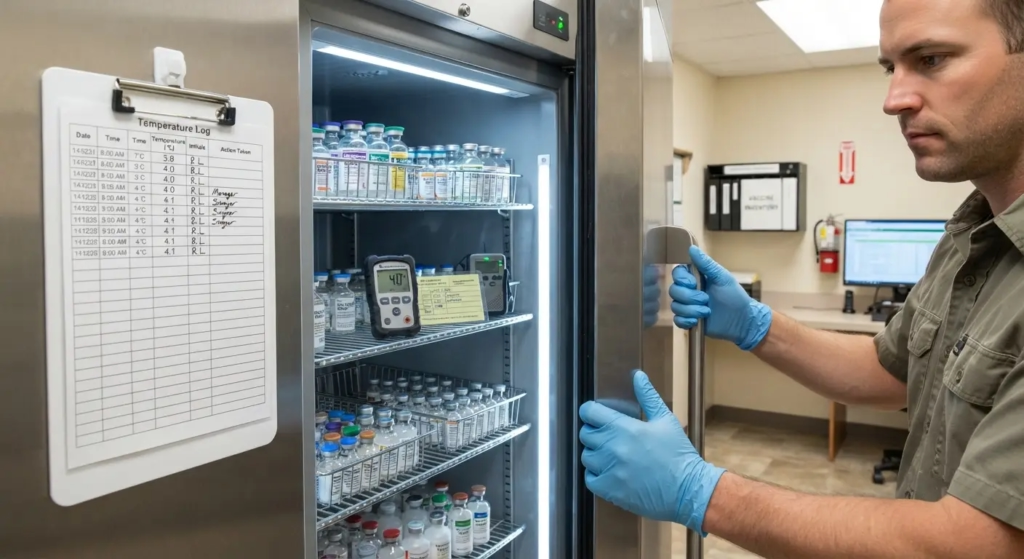
- Dedicated to vaccine and medication storage — not shared with food items that require frequent opening and closing, disrupting temperature stability
- Calibrated thermometer inside the refrigerator compartment — verify temperature daily and log the reading (minimum 5 days per week)
- Target temperature: 2–8°C throughout — verified by thermometer, not by assuming the refrigerator dial setting is accurate
- Never in the freezer section or against the freezer wall — temperatures adjacent to the freezer in a standard refrigerator may reach 0°C or below
Day of vaccination:
- Remove only the vaccines needed for that session from the refrigerator — do not bring the entire stock to the field
- Transport in an insulated cooler with ice packs during vaccination sessions that extend more than 30 minutes in ambient tropical temperatures
- Use reconstituted vaccines (lyophilized products requiring mixing before use) within the time window specified on the label — typically 1–2 hours after reconstitution; discard remaining product after this window, as viability declines rapidly
Documentation:
- Temperature log: daily thermometer reading with date, reading, and initials of the person recording
- Vaccine inventory: date received, expiry date, batch number, quantity used, vaccine name and manufacturer — maintained for every batch
- Vaccination records: date of vaccination, pen/building number, number of animals vaccinated, vaccine used (name, batch number), dose and route, and who administered it
This documentation is the evidence base for post-vaccination serology interpretation (if a vaccinated animal subsequently shows clinical signs, the vaccination record allows assessment of whether the vaccine was given correctly), regulatory compliance demonstration, and retrospective analysis when vaccination program failure is suspected.
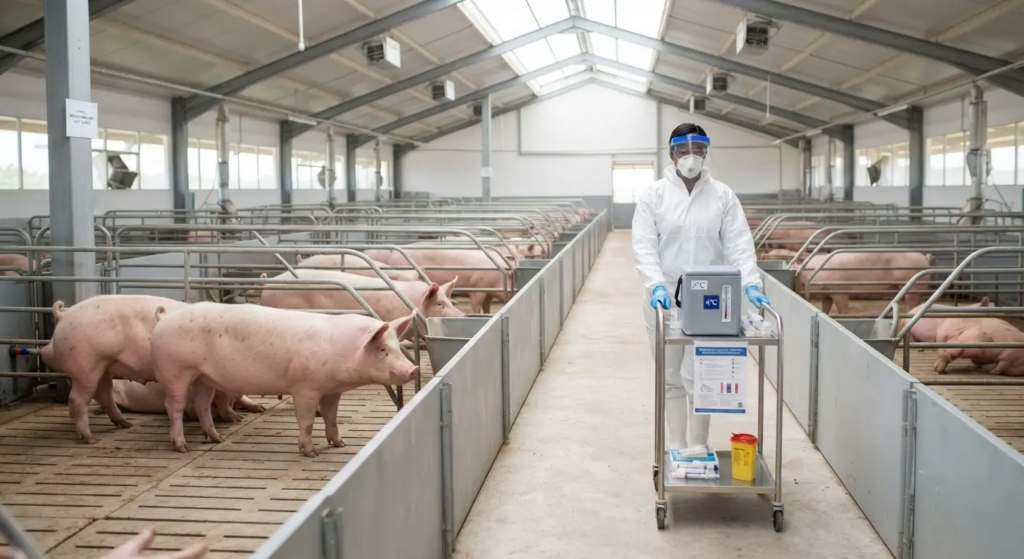
Administration Technique — Ensuring Each Dose Reaches the Pig Correctly
Injection Technique
Needle selection:
| Age/Size | Needle Gauge | Needle Length |
|---|---|---|
| Piglets under 5 kg | 20 gauge | 1.5 cm (⅝ inch) |
| Piglets 5–15 kg | 18 gauge | 1.5–2.5 cm |
| Growing pigs 15–50 kg | 18 gauge | 2.5 cm (1 inch) |
| Finisher pigs and sows | 16–18 gauge | 2.5–3.8 cm (1–1.5 inch) |
Route of administration:
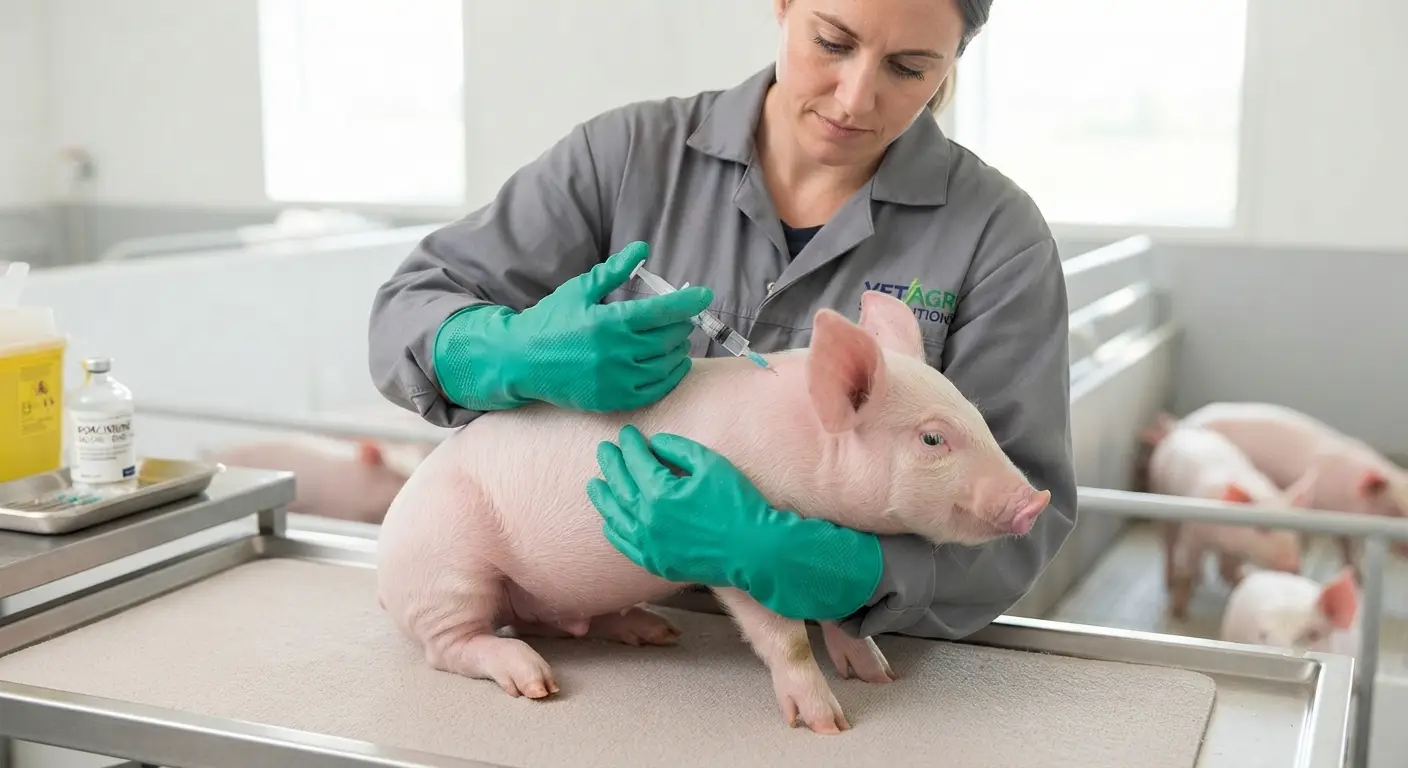
Intramuscular (IM) — most common for pig vaccines: The injection site for most pig vaccines is the neck musculature — the large muscle mass immediately behind the ear. This site is preferred over the ham muscle because:
- Injection site reactions (swelling, abscesses) in the ham contaminate the highest-value primal cut at slaughter
- The neck muscle is more accessible in restrained pigs
- Injection site reactions at the neck are minimal and resolve rapidly
Technique: Hold the needle perpendicular to the skin surface; insert with a single, firm motion to full needle length; inject the vaccine volume; withdraw. Do not inject into scar tissue from previous injections (scar tissue has poor vascularity for vaccine absorption) — rotate injection sites within the neck if multiple injections are given.
Intranasal: Used for some Bordetella and PRRS vaccines — the nozzle is inserted into one nostril and half the dose delivered, then the other nostril for the remaining half. The pig will sneeze; most of the vaccine is retained in the nasal mucosa despite the visible spray-back.
Oral (drinking water or in-feed): Used for some Erysipelas live vaccines — requires that the drinking water supply is free of sanitizers and chlorine on the day of vaccination (disinfectants in water kill the live vaccine organisms before they are consumed), and that vaccination water is the only water available during the vaccination period to ensure all pigs consume an adequate dose.
Needle changing:
Change needles:
- After every 20 injections (contaminated needles introduce bacteria at injection sites; dull needles cause unnecessary pain and poor injection technique)
- Immediately after any needle contacts a heavily soiled pig, manure, or other obviously contaminated material
- When any needle burrs or bends — never attempt to straighten a bent needle for reuse
One-needle-one-pig principle for high-risk pathogens: Where PRRS or other needle-transmissible pathogens are a concern, using a new sterile needle for each pig eliminates the risk of mechanically transmitting blood-borne pathogens between pigs during the injection procedure. This is the recommended practice regardless of other biosecurity status.
Adapting the Schedule to Local Disease Pressure
The Diagnostic Foundation for Schedule Adaptation
The vaccination schedule in this guide represents the standard program for West and Central African commercial pig operations. Two categories of adaptation should be made for each specific farm:
Additions based on confirmed local disease pressure:
Where specific diseases are confirmed by post-mortem examination and laboratory diagnosis in the farm’s own pigs or in pigs from farms in the immediate region, non-core vaccines for those pathogens should be added to the program. The diagnostic confirmation requirement is important — vaccinating against diseases not present on the farm adds cost without benefit and may create false confidence in protection against diseases that are actually present.
Schedule timing adjustments based on herd history:
Where the herd’s own health records show a consistent pattern of clinical disease at a specific age — for example, Erysipelas events consistently occurring in 12–16 week pigs — vaccination timing should be adjusted to ensure peak protection covers that specific age window.
Using Serology to Verify Vaccination Program Effectiveness
Post-vaccination serology — blood samples collected 3–4 weeks after vaccination and tested for specific antibody titers — is the only way to directly verify that a vaccination program is achieving its immunological objective rather than simply being administered correctly on schedule.
Practical implementation: Sample 20–30 pigs per group (post-vaccination) and compare serological titers to the protective thresholds published for the specific vaccine used. Below-threshold titers in a vaccinated population indicate vaccine failure — which could reflect cold chain failure, incorrect administration, vaccine administered to immunocompromised pigs (PRRS, mycotoxin suppression), incorrect timing relative to MDA, or vaccine quality problems.
Where laboratory costs limit systematic post-vaccination serology, focus testing on the highest-consequence vaccines (PRRS, PCV2) and the highest-risk transition points (incoming gilts entering the herd after quarantine, first litter sows before their first farrowing).
The Complete Vaccination Schedule — Summary Reference
Piglet and Growing Pig Schedule
| Age | Vaccine | Route | Core/Non-Core |
|---|---|---|---|
| Day 2–5 | Iron dextran (200 mg) | IM | Core |
| Day 3–7 | Coccidiosis prevention (Toltrazuril) | Oral | Core (deep litter/solid floor) |
| Day 7 | Mycoplasma (1st dose — 2-dose program) | IM | Core |
| Day 14–21 | PCV2 | IM | Core |
| Day 21–28 | Mycoplasma (2nd dose or single dose program) | IM | Core |
| Week 8–10 | Erysipelas (1st dose) | IM or oral | Core |
| Week 12–14 | Erysipelas (2nd dose/booster) | IM or oral | Core |
| Week 8–16 | PRRS (where herd is PRRS-positive) | IM or intranasal | Non-core |
| Week 10–16 | Aujeszky’s Disease (where present) | IM | Non-core |
Gilt Preparation Schedule (During Quarantine)
| Timing | Vaccine | Route |
|---|---|---|
| Week 1–2 of quarantine | Erysipelas 1st dose | IM |
| Week 1–2 of quarantine | PPV 1st dose | IM |
| Week 1–2 of quarantine | Leptospira 1st dose | IM |
| Week 3–4 of quarantine | Erysipelas 2nd dose | IM |
| Week 3–4 of quarantine | PPV 2nd dose | IM |
| Week 3–4 of quarantine | Leptospira 2nd dose | IM |
| 4–6 weeks before first breeding | PCV2 (if not previously given) | IM |
| 4–6 weeks before first breeding | PRRS (in PRRS-positive herds) | IM or intranasal |
Sow Booster Schedule
| Timing | Vaccine | Route |
|---|---|---|
| 4–6 weeks pre-farrowing | Erysipelas | IM |
| 4–6 weeks pre-farrowing | Leptospira | IM |
| 4–6 weeks pre-farrowing | PPV (gilts and young sows) | IM |
| 4–6 weeks pre-farrowing | E. coli / Clostridium neonatal scour vaccine | IM |
| 2–3 weeks pre-farrowing | E. coli / Clostridium (2nd dose, first-time sows) | IM |
| At weaning | PRRS booster (PRRS-positive herds) | IM or intranasal |
Boar Schedule
| Frequency | Vaccine | Route |
|---|---|---|
| Every 6 months | Erysipelas | IM |
| Every 6 months | Leptospira | IM |
| Every 6 months | PRRS booster (PRRS-positive herds) | IM |
| Annually | PPV booster | IM |
Summary
A vaccination program that is correctly designed, precisely timed, stored in a functioning cold chain, and administered by the correct route to appropriately healthy pigs is one of the most financially efficient investments available in commercial pig health management. The return ratios for most core pig vaccines — vaccine cost versus avoided disease cost — are among the highest in agricultural production management.
The schedule in this guide provides the framework. The cold chain protocol ensures the vaccine’s biological activity reaches the pig. The administration technique ensures that biological activity is delivered correctly. The local disease pressure adaptation and post-vaccination serology ensure that the program is appropriately calibrated to the specific farm’s epidemiological context and is actually achieving the protection it is designed to deliver.
A vaccination certificate is not a guarantee of protection. A correctly stored, correctly timed, correctly administered vaccine in an appropriately healthy pig, verified by post-vaccination serology, is a guarantee of protection — or, more precisely, the closest thing to one that the biology of immunity permits.
Vaccinate correctly, or understand that you are not vaccinating.