Parasites are the most underdiagnosed production-limiting problem in West and Central African commercial pig farming. Not because they are rare — they are widespread, often present in the majority of pigs in herds without active control programs — but because their effects are distributed across the same performance indicators that other management problems affect: slightly elevated FCR, modestly reduced daily gain, marginally increased respiratory disease incidence, subtly rougher coat condition. Without systematic monitoring specifically targeting parasite burden, these effects are absorbed into the category of “unexplained underperformance” rather than being identified, quantified, and corrected.
The commercial consequence is significant. A finisher pig with a moderate Ascaris suum burden producing 30% of its intestinal absorptive surface area compromised by larval migration damage, and simultaneously competing with 500–2,000 adult worms for nutrients in its small intestine, is not going to achieve a 2.6 FCR on a 15% crude protein ration regardless of how well that ration is formulated. The biology does not allow it — and no amount of nutritional precision, genetic selection, or environmental management will recover performance that is being actively stolen by a problem that costs XAF 500–2,000 (USD 0.83–3.33) per pig to treat.
This guide builds the complete strategic parasite control program for commercial pig operations in West and Central Africa: the specific parasites that matter in regional production contexts, their pathology and production impact, the diagnostic methods for quantifying herd burden, the strategic treatment protocols (including timing, drug selection, and dose calculation) that achieve herd-level control rather than individual-animal treatment, and the monitoring discipline that verifies control programs are working rather than simply being administered.
The Parasites That Matter in West and Central African Commercial Pig Production
Ascaris suum (Large Roundworm) — The Primary Production Threat
Ascaris suum is the most important internal parasite of commercial pigs globally — and in West Africa specifically, where the combination of high ambient temperatures, moisture, and production systems with varying degrees of concrete flooring and litter management creates ideal conditions for egg survival and transmission.
Life cycle and transmission: Adult Ascaris worms live in the small intestine of pigs, producing eggs that pass in feces. Eggs are remarkably resistant to environmental conditions — they can survive in soil for years under conditions that kill most other pathogens, and are unaffected by most common disinfectants. Once embryonated (containing infective larvae) in the environment (typically 3–6 weeks at tropical temperatures), eggs are infective when ingested by pigs via contaminated soil, litter, or fecally contaminated feed or water.
After ingestion, larvae hatch in the intestine and undergo a hepatopulmonary migration — penetrating the intestinal wall, migrating to the liver via the portal bloodstream, then continuing to the lungs via the hepatic vein and heart. In the lungs, larvae break out of capillaries into the alveoli, are coughed up and swallowed, and complete their development to adult worms in the small intestine over approximately 6–8 weeks.
The pathological consequences of this migration:
Liver damage (Milk Spot Liver): The migrating larvae produce white fibrotic lesions on the liver surface — the characteristic “milk spot” pattern visible at post-mortem and well-recognized by abattoir workers. These lesions represent the pig’s immune response to larval migration through liver tissue. Beyond the liver condemnation at slaughter (a direct revenue loss), the liver damage impairs normal hepatic function — drug metabolism, protein synthesis, toxin clearance — for weeks to months after the migration period.
Lung damage (Thumps): Larval migration through the lungs produces an inflammatory response — coughing, increased respiratory rate, and in heavy migrations, consolidating pneumonia that creates ideal conditions for secondary bacterial and viral respiratory infection. This is a significant mechanism by which Ascaris infection amplifies the impact of PRRS, Mycoplasma, and other respiratory pathogens — the compromised lung environment is far more susceptible to secondary infection than a parasite-free respiratory tract.
Intestinal nutrient competition and malabsorption: Adult worms in the small intestine compete directly with the pig for nutrients — absorbing amino acids, glucose, and vitamins from the intestinal contents before the pig’s own absorptive surfaces can capture them. A heavy worm burden of 500+ adult worms in a grower pig can reduce effective nutrient absorption by 15–30%, directly worsening FCR in a way that no ration reformulation can correct.
Documented production impact:
- FCR worsening: 5–15% in moderate to heavy infection
- Daily gain reduction: 50–100 g/day in moderate infection (significant over a 60-day growth period)
- Liver condemnation rate at slaughter: Up to 30–50% of uncontrolled herds show milk spot livers
Trichuris suis (Whipworm)
Life cycle: Direct, similar to Ascaris — eggs passed in feces, become infective in the environment, are ingested, and develop into adults in the cecum and colon. No hepatopulmonary migration — the pig’s pathology is confined to the large intestine.
Pathological consequences: Whipworms embed their anterior end in the cecal and colonic mucosa, producing hemorrhagic typhlocolitis — inflammation and hemorrhage of the cecal lining that causes bloody, mucoid diarrhea in heavy infections. Chronic infection produces persistent intestinal inflammation, protein loss through the damaged mucosa, and reduced digestive efficiency. Clinical bloody diarrhea is the typical presentation in heavy infection; subclinical inflammation with growth depression is the more common production-relevant presentation.
Production impact: Less dramatic than Ascaris in typical commercial settings but contributing to the same subclinical FCR worsening and growth depression pattern, particularly in post-weaning pigs through growers where Trichuris infection intensity is typically highest.
Hyostrongylus rubidus (Red Stomach Worm)
Less frequently discussed but relevant in outdoor and deep litter systems — a trichostrongylid worm of the gastric mucosa, causing gastritis and reduced feed intake in heavily infected pigs. Most commonly a problem in outdoor and extensive production systems where pigs root in contaminated soil; less significant in indoor concrete-floor intensive systems.
Strongyloides ransomi (Intestinal Threadworm)
Uniquely significant in the neonatal period — Strongyloides ransomi infective larvae can penetrate skin directly (transcutaneous infection), migrate to the intestine, and produce diarrhea and growth depression in nursing piglets (from 1–7 days of age) if the farrowing environment is heavily contaminated. Transmammary transmission (larvae transmitted to piglets via sow’s milk) is also documented.
Prevention: Treating sows with ivermectin or doramectin 7–14 days before farrowing reduces the larval burden in sow tissues and milk, protecting nursing piglets from transmammary infection — one of the specific indications for pre-farrowing anthelmintic treatment of sows covered in the strategic control protocol.
Metastrongylus spp. (Lungworms)
Lungworms are transmitted via earthworms (obligate intermediate hosts) — pigs ingest infected earthworms while rooting in soil, releasing Metastrongylus larvae that migrate to the lungs and develop into adult worms in the bronchioles. Clinical signs include coughing and respiratory distress in heavy infections; significant production impact in outdoor and deep litter systems where earthworm contact is possible.
Relevance in West African contexts: Deep litter piggery systems (covered in detail in housing guidance in this series) where litter management is not optimal, and earthworm populations establish in the litter bed create a Metastrongylus transmission pathway absent in slatted or clean concrete-floor systems.
Sarcoptic Mange (Sarcoptes scabiei var. suis) — The Skin Infestation That Costs More Than It Appears
Sarcoptic mange is caused by a microscopic mite (Sarcoptes scabiei var. suis) that burrows into the skin’s epidermal layer, producing the characteristic intensely pruritic (itchy) hypersensitivity reaction that manifests as skin crusting, scaling, and the constant rubbing behavior that is the classic behavioral sign of mange in pigs.
Life cycle: Sarcoptes mites complete their entire life cycle on the pig — eggs are laid in skin burrows, hatch into larvae, progress through nymphal stages, and become reproductive adults, all within the skin of the host. Transmission is by direct pig-to-pig contact (mites do not survive for extended periods off the host) or via recently contaminated housing surfaces (mites can survive in the environment for 4–7 days under moist, cool conditions).
The production impact of mange — why it costs more than it looks:
Feed intake and FCR: The pruritus (itching) from mange is constant and intense. Pigs spend significant time and energy rubbing against pen furniture, pen walls, and each other — energy that is diverted from growth. The scratching response also disrupts normal feeding behavior and reduces the rest periods during which growth hormone is secreted.
Immune system activation: The hypersensitivity reaction to mite antigens represents a sustained immune system activation — similar in mechanism to the immune-mediated FCR cost of subclinical disease infection described in FCR management guidance in this series. The resources directed to inflammation management are not available for lean tissue deposition.
Skin integrity and secondary infection: Skin damaged by scratching and mite burrowing provides entry points for environmental bacteria — Staphylococcal and Streptococcal skin infections secondary to mange scarification create additional welfare and treatment cost burden.
Effect on carcass value: Severe mange produces skin lesions visible at slaughter, potentially downgrading or rejecting affected carcasses in formal abattoir supply contexts.
Documented production impact: FCR worsening of 5–10% has been documented in mange-affected herds relative to mange-free herds at equivalent stocking densities and management — comparable in magnitude to a moderate Ascaris burden, and compounding with it in herds where both parasites are present simultaneously.
Diagnosing Parasite Burden — Moving Beyond Clinical Impression
Why Diagnosis Matters Before Treatment
The decision to implement a parasite control program should be based on evidence of parasite pressure, not on the assumption that parasites are present because they are common. Diagnosis before treatment:
- Confirms which specific parasites are present, directing drug selection toward the appropriate spectrum
- Establishes the baseline burden level against which treatment efficacy can be evaluated
- Identifies the production stages where burden is highest, focusing treatment investment on the pigs where return is greatest
- Provides the epidemiological data needed to understand transmission dynamics and target environmental control measures at the specific contamination sources
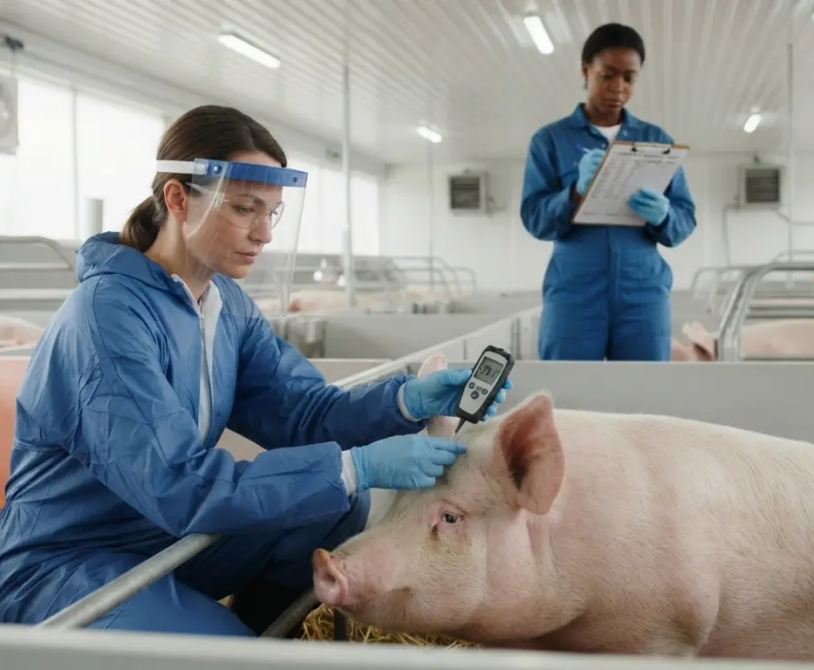
Fecal Egg Count (FEC) — The Primary Diagnostic Tool for Internal Parasites
What it is: A quantitative microscopic examination of a fecal sample that counts the number of helminth eggs present per gram of feces (EPG — eggs per gram). Standard techniques (McMaster flotation) are widely used in veterinary diagnostic laboratories.
Sampling protocol for herd-level assessment:
Individual pig FEC results are highly variable (egg output fluctuates with the worm population’s reproductive cycle and the pig’s immune status). Herd-level assessment requires sampling a representative group:
- Minimum 10–15 individual samples from the production stage being assessed (e.g., 10–15 grower pigs, 10–15 sows)
- Samples collected fresh — fecal samples should be transported refrigerated within 24 hours of collection to prevent egg hatching, which would inflate results by releasing larvae from eggs
- Calculate arithmetic mean and the range — a mean above the threshold for the specific parasite warrants treatment intervention
Interpretation guidelines:
| Parasite | FEC Threshold Warranting Treatment | Interpretation |
|---|---|---|
| Ascaris suum | Above 200 EPG (mean across sampled group) | High transmission pressure; strategic treatment indicated |
| Trichuris suis | Above 100 EPG | Active intestinal infestation with production impact |
| Strongyloides ransomi | Any detection in piglets or sows | Treatment indicated; low threshold reflects neonatal sensitivity |
| Metastrongylus | Bronchial lavage/post-mortem (eggs not reliably shed in feces) | Environmental assessment + post-mortem confirmation |
Mange Diagnosis
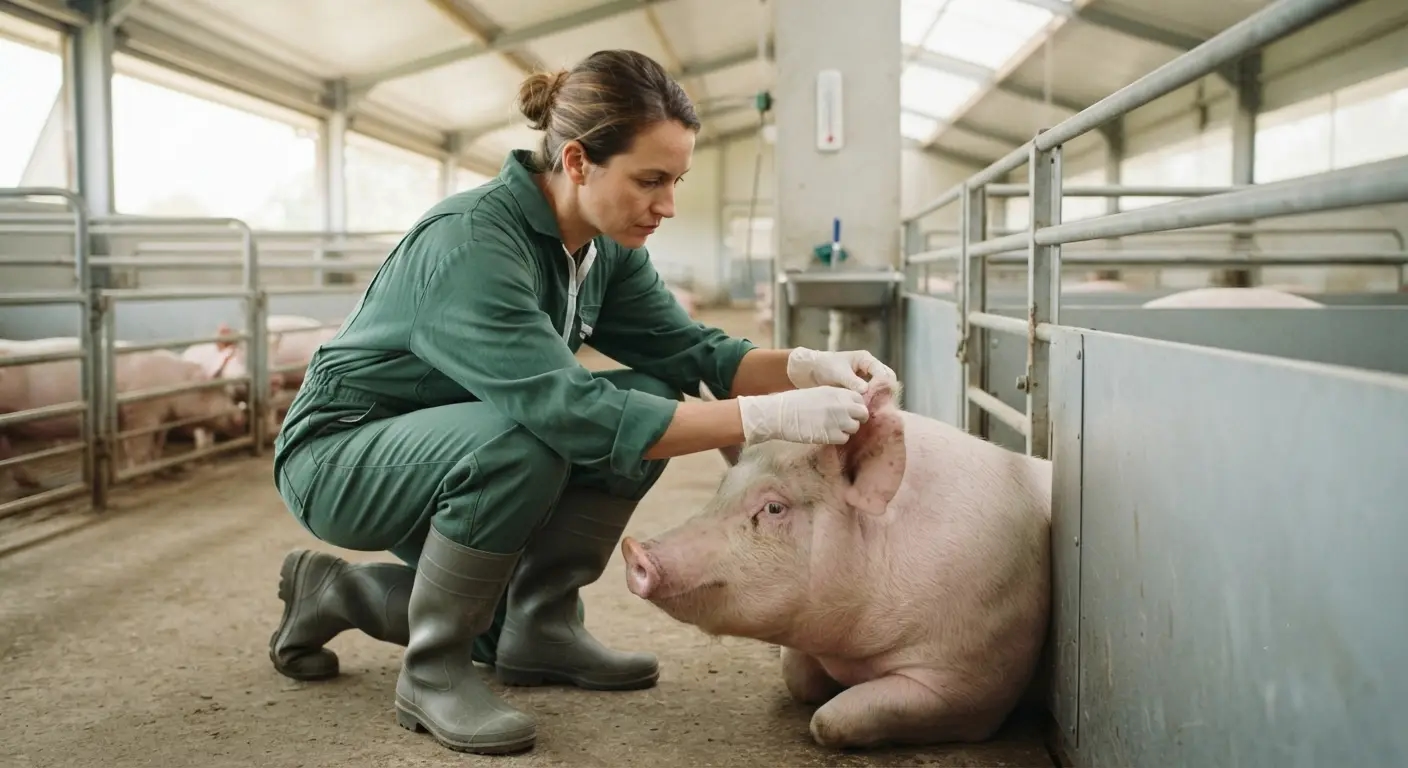
Skin scraping: The definitive diagnostic test for sarcoptic mange — a deep skin scrape (scraped until blood capillaries are just visible, ensuring the sample reaches the mite’s skin burrow depth) from the ear canal, inner ear flap, or crusty elbow skin is examined microscopically for mite, egg, or larval presence. A positive finding confirms active infestation.
Clinical diagnosis from behavioral signs: Where laboratory scraping is not immediately accessible, the behavioral pattern of mange is sufficiently distinctive to support a presumptive clinical diagnosis:
- Constant rubbing and scratching behavior — pigs repeatedly rub ears, flanks, and hindquarters against pen fixtures
- Crusty, thickened skin at ear margins, eye corners, and elbow skin folds
- Hypersensitivity pattern: scratching intensifies when the pig is handled (mite antigen contact stimulated by handling)
- Spread within a pen: mange spreads systematically through a group via direct contact — initial isolated scratching in one or two pigs, progressing to most of the pen within weeks
Post-mortem confirmation of Ascaris: Every pig that dies or is slaughtered on the farm should have its liver examined for the characteristic milk spot lesions — white-grey fibrotic patches of 0.5–3 cm diameter on the liver surface, remnants of larval migration through liver parenchyma. Milk spot prevalence at slaughter is the practical population-level indicator of Ascaris control program effectiveness: a milk spot rate above 10% of slaughtered pigs indicates inadequate Ascaris control; below 5% indicates effective control.
Drug Selection — The Anthelmintic and Antiparasitic Toolkit
Benzimidazoles (Fenbendazole, Flubendazole, Albendazole)
Spectrum: Effective against adult and larval stages of Ascaris, Trichuris, Hyostrongylus, and Metastrongylus; not effective against mange mites.
Administration: Typically in-feed (mixed into the ration at the treatment dose for a defined feeding period — typically 5–10 consecutive days); some forms available as oral paste or drench.
Specific advantages:
- Safe for use in pregnant sows (no teratogenic risk at recommended doses) — important for treatment of sows during gestation
- Effective against larval stages, including the migrating Ascaris larvae that cause liver damage before emerging as adult intestinal worms
- In-feed administration allows simultaneous treatment of entire groups without individual handling
Key limitation: No efficacy against ectoparasites (mange, lice). Does not cover the full spectrum of parasites in a combined internal-and-external control program.
Fenbendazole dose for pigs: 5–10 mg/kg body weight per day for 5–10 consecutive days (in-feed) for Ascaris and most gastrointestinal nematodes; higher dose or longer treatment for Trichuris.
Macrocyclic Lactones (Ivermectin, Doramectin)
Spectrum: Exceptional broad spectrum — effective against adult and larval stages of Ascaris, Trichuris, Strongyloides, Hyostrongylus, Metastrongylus, AND against sarcoptic mange mites and pig lice. This combined internal-external spectrum is the primary advantage of macrocyclic lactones over benzimidazoles in a combined parasite control program.
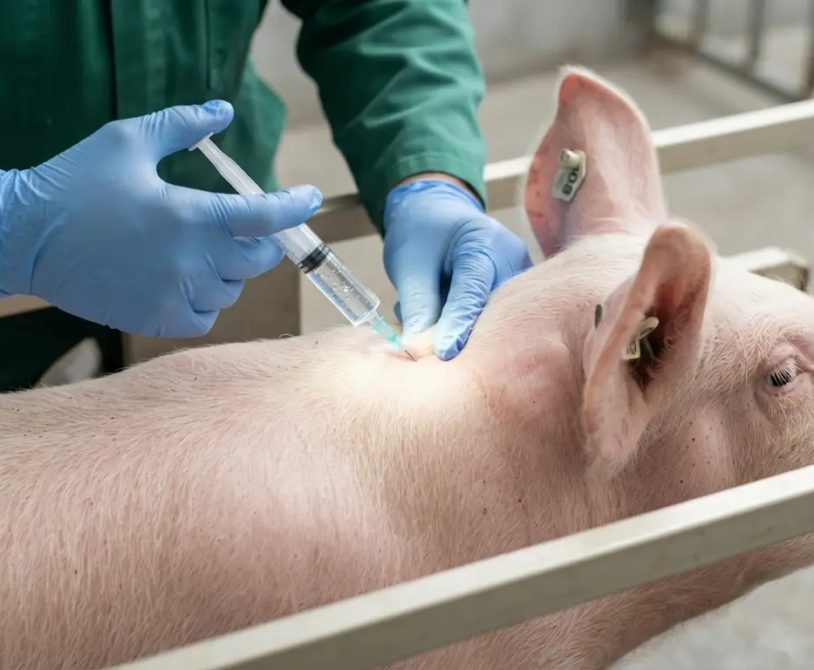
Administration: Injectable (subcutaneous injection); pour-on (topical application along the back — absorption through skin); in-feed (premix formulation at lower bioavailability than injectable).
Injectable ivermectin dose for pigs: 0.3 mg/kg body weight by subcutaneous injection — single dose for most gastrointestinal nematodes; may require repeat dosing at 14 days for mange mite complete life cycle coverage (a single dose kills adult mites but does not kill eggs; a second dose 14 days later catches mites hatching from eggs that survived the first treatment).
Injectable doramectin: 0.3 mg/kg body weight by intramuscular injection — generally considered to have longer residual activity than ivermectin (longer tissue half-life), which may provide more sustained protection against reinfection in high-challenge environments.
Key limitations:
- Withdrawal period: both ivermectin and doramectin have significant meat withdrawal periods (typically 28 days for injectable formulations) — treatment timing must account for this relative to planned slaughter dates
- Not licensed for use in lactating sows in all markets — verify local regulatory status before treatment of lactating animals, as drug residues can transfer to piglets via milk
- Cost: higher per-dose cost than benzimidazoles — most significant for large-group treatment programs
Levamisole
Spectrum: Effective against adult Ascaris, Trichuris, and other gastrointestinal nematodes; no efficacy against larval stages or ectoparasites.
Administration: Injectable, oral drench, or in-feed.
Specific use context: A cost-effective option for targeted treatment of adult worm burdens where larval stage control and mange control are not primary objectives. Less commonly used as the primary anthelmintic in strategic programs compared to the broader-spectrum options above.
Combined Program Approach
The most practically effective parasite control program in West and Central African commercial pig production combines:
- Macrocyclic lactone (ivermectin or doramectin) as the primary strategic treatment, providing simultaneous coverage of internal parasites AND mange — eliminating the need for separate ectoparasiticide applications and covering the full parasite spectrum in one treatment event
- Benzimidazole supplementation in specific contexts where larval stage intestinal parasite control and/or treatment of pregnant sows (where macrocyclic lactone withdrawal periods create slaughter timing complexities) requires in-feed coverage without the ectoparasite component

The Strategic Treatment Protocol — Timing for Herd-Level Control
The Principle of Strategic Treatment
Strategic deworming treats pigs at specific, timed points in their production cycle based on parasite epidemiology — when the pig is most likely to have accumulated a significant burden, or when treatment will most effectively interrupt transmission to the next generation of pigs and reduce environmental contamination. This is more effective and more cost-efficient than:
- Treatment (treating individual pigs with clinical signs after disease has already caused production loss) — reactive and captures only a fraction of the production impact from parasites
- Continuous in-feed suppression (adding anthelmintic to all feed continuously) — expensive, creates drug resistance risk, and does not address environmental contamination
The Standard Strategic Treatment Points
All sows: 7–14 days before expected farrowing
The rationale for this timing:
- Treats the sow’s own parasite burden before she enters the farrowing house, preventing fecal contamination of the farrowing environment with eggs from her own worm population
- Reduces Strongyloides transmammary transmission to neonatal piglets (macrocyclic lactones reduce larval content of sow milk)
- Treats mange in the sow before she is in close contact with neonatal piglets who would otherwise become infested via direct contact
- The farrowing house is the highest-biosecurity environment on the farm — introducing a heavily parasitized sow (with her associated egg shedding and mange mite presence) contaminates an environment designed to receive immunologically naive neonates
Drug choice for pre-farrowing treatment: Injectable ivermectin or doramectin (covers internal parasites + mange simultaneously). If using in the lactation period, verify local regulatory status.
All incoming gilts and boars: At entry to the isolation facility
Animals entering from external sources have unknown parasite burden and parasite history. Treatment at isolation entry:
- Prevents introduction of worm egg contamination from the incoming animal into the farm’s manure and litter environment
- Eliminates any mange mites on the incoming animal before it has contact with the production population
- Allows the 28-day withdrawal period (for macrocyclic lactones) to be completed during the quarantine period before the animal contacts the production herd
Growing pigs: At weaning and at 8–10 weeks of age
Weanling pigs carry the Strongyloides and early Ascaris burdens acquired in the farrowing house. Treatment at weaning:
- Removes the Strongyloides burden before it causes early post-weaning growth depression
- Begins the interruption of Ascaris transmission in the weanling stage before the infection matures to adult worms in the intestine
Treatment at 8–10 weeks:
- Targets the Ascaris adult worm population that has had time to develop from eggs swallowed in the first weeks of life (the prepatent period for Ascaris in pigs is approximately 6–8 weeks from egg ingestion to adult worm presence)
- Removes the larval and adult Trichuris population that has been developing since the post-weaning period
- Reduces the worm egg contamination in the grower environment, decreasing the challenge for subsequent pigs entering the same building
Optional additional treatment: At entry to finisher phase (10–12 weeks)
In herds with high environmental challenge — deep litter systems, older concrete-floor buildings with persistent egg contamination, or documented high milk spot rates at slaughter — a third treatment at finisher entry maintains the controlled parasite burden through the period of highest feed intake and greatest economic return from efficient conversion.
The Sow Herd Strategic Schedule Summary
| Timing | Treatment | Drug | Route |
|---|---|---|---|
| 7–14 days pre-farrowing | All sows | Ivermectin or doramectin | SC injection |
| At weaning (same event as pre-farrowing for the next cycle) | All sows | Ivermectin or doramectin | SC injection |
| At entry to isolation | All incoming gilts and boars | Ivermectin or doramectin | SC injection |
| At first breeding (if quarantine treatment >6 weeks prior) | Gilts | Ivermectin or doramectin | SC injection |
The Growing Pig Strategic Schedule Summary
| Timing | Treatment | Drug | Route |
|---|---|---|---|
| At weaning (day of weaning) | All weanlings | Ivermectin (injectable) or fenbendazole (in-feed, 5 days) | SC injection or in-feed |
| Week 8–10 | All grower pigs | Ivermectin or doramectin | SC injection |
| Week 10–12 (high-challenge herds) | Finisher entry | Ivermectin or doramectin | SC injection |
Environmental Control — Breaking the Transmission Cycle
Drug treatment alone is insufficient for sustainable parasite control if the environmental contamination that provides reinfection pressure is not simultaneously addressed. The most rigorously dewormed pig re-entering a heavily contaminated environment will accumulate a significant worm burden within weeks of treatment.
For Ascaris suum
The egg survivability challenge: Ascaris eggs are among the most environmentally resistant biological structures in nature — resistant to most common disinfectants, freeze-thaw cycles, and ultraviolet light, and capable of remaining infective in soil for years. No routine farm disinfection product reliably kills Ascaris eggs on surfaces.
Practical environmental control strategies:
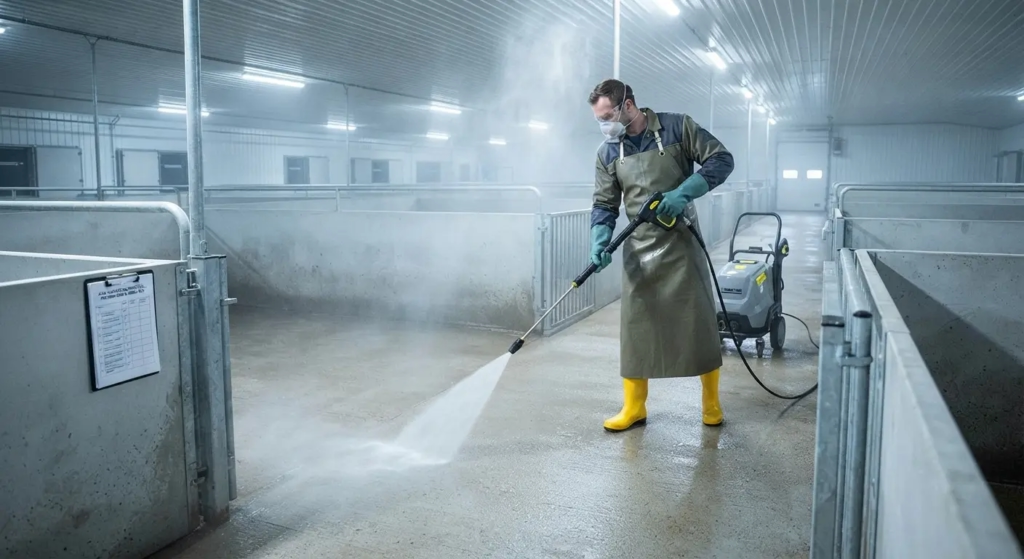
- AIAO management with thorough physical cleaning: The most effective tool is physical removal of the eggs from the environment through high-pressure water washing that physically removes egg-contaminated manure and litter from all surfaces. Ascaris eggs that have been physically removed from the pen surface and moved to a waste processing area cannot reinfect the next batch of pigs entering that pen
- Flame treatment (where safe): High-temperature flame treatment (using a propane torch) on concrete surfaces destroys Ascaris eggs through heat — one of the few methods that directly inactivates these highly resistant eggs. Should be used only on concrete surfaces that can safely tolerate this treatment, with all bedding material removed before application
- Lime wash: Calcium hydroxide lime wash (10–20% solution applied to pen surfaces) creates a strongly alkaline pH environment that reduces Ascaris egg viability over time — less complete than flame treatment but practical for routine surface treatment between batches
- Minimize soil contact: Concrete flooring is the single most significant management factor reducing Ascaris transmission — concrete can be physically cleaned and the egg contamination removed; soil cannot. Deep litter systems require particularly rigorous strategic treatment programs to offset the higher environmental egg burden that soil-containing litter sustains
For Sarcoptic Mange
The shorter environmental survival window: Unlike Ascaris eggs, Sarcoptes mites do not survive extended periods off the host — typically 4–7 days under moist, cool conditions. This makes mange control more achievable through combined drug treatment and environmental management:
Two-injection protocol: Treat all pigs in the affected group with ivermectin at day 0 and again at day 14. The first treatment kills adult mites; the second treatment kills mites that were in the egg stage (which the first treatment cannot kill) and have since hatched to susceptible larvae. Between the two treatments, the mite population is suppressed below the level that causes a hypersensitivity reaction, and after the second treatment, the population is eliminated.
Building treatment during AIAO cleanout: During the 7+ day rest period after AIAO cleaning, spray all pen surfaces and fixtures with acaricide (appropriate for livestock housing use) — this addresses the environmental mite population that could survive on surfaces for up to 7 days and reinfect incoming clean pigs. Without this environmental treatment, incoming clean pigs can be reinfested from contaminated surfaces before the first strategic treatment at weaning or grower entry.
Mange monitoring: Once a mange elimination program has been implemented, use regular skin scraping surveillance (monthly, from 5–10 animals across different production stages) to confirm the herd remains mange-free. Reintroduction of mange is the most common reason for program failure — typically through incoming animals that were not adequately treated and quarantined before entering the production population.
Anthelmintic Resistance — Monitoring and Prevention
Why Resistance Is a Growing Concern
Anthelmintic resistance — the reduced susceptibility of a parasite population to a drug that previously controlled it effectively — develops through the same evolutionary selection pressure that produces antibiotic resistance: each treatment selectively kills susceptible parasites while parasites with genetic mutations conferring reduced drug susceptibility survive, reproduce, and pass those resistant genes to subsequent generations.
In pig parasitology, Trichuris suis resistance to benzimidazoles has been documented in several countries with histories of frequent in-feed benzimidazole use. Ascaris suum resistance to macrocyclic lactones has not been widely documented to date but is considered a risk if current treatment practices create sufficient selection pressure.
Prevention Strategies
Use strategic rather than continuous treatments: Continuous in-feed anthelmintic suppression applies constant selection pressure on the entire parasite population within the herd, maximizing the conditions for resistance selection. Strategic treatment at defined intervals with untreated periods allows the parasite population to be partially replenished by susceptible worms from the egg bank in the environment (refugia population) — diluting any resistant survivors with susceptible individuals.
Rotate anthelmintic classes for routine treatments: Do not use the same drug class (same mechanism of action) at every treatment event — rotating between macrocyclic lactones and benzimidazoles reduces the consistent selection pressure on any specific resistance mechanism.
The Fecal Egg Count Reduction Test (FECRT): The practical resistance monitoring tool — perform FEC on individual pig samples before treatment (day 0) and 10–14 days after treatment (when eggs from adult worms surviving treatment would be detectable). Calculate the percentage reduction:
FECR % = [(Pre-treatment mean EPG − Post-treatment mean EPG) ÷ Pre-treatment mean EPG] × 100
Interpretation:
- Above 95%: Effective control; no resistance concern
- 85–95%: Possible early resistance; monitor closely and consider class rotation
- Below 85%: Resistance is likely; switch to an alternative class and investigate management practices that may have selected for resistance
The Financial Return on Strategic Parasite Control
Calculating the Treatment Cost vs. Performance Benefit
Strategic treatment program cost (100-sow farrow-to-finish operation, injectable ivermectin throughout):
| Treatment Event | Animals Treated | Dose per Animal | Cost per Dose | Annual Cost |
|---|---|---|---|---|
| Pre-farrowing sow treatment | 100 sows × 2.4/year | 0.3 mg/kg × 200 kg × XAF 150/mg | ~XAF 4,500 | XAF 1,080,000 |
| Incoming gilt/boar treatment | 25 gilts + 3 boars/year | Same as above | ~XAF 3,000 | XAF 84,000 |
| Weanling treatment (500 pigs/year) | 500 piglets × 2 | 0.3 mg/kg × 8 kg | ~XAF 360 | XAF 360,000 |
| Grower treatment (500 pigs/year) | 500 growers | 0.3 mg/kg × 35 kg | ~XAF 1,575 | XAF 787,500 |
| Total annual program cost | ~XAF 2,311,500 (USD 3,852) |
Performance gain from strategic control (documented improvement, moderate-to-heavy burden scenario):
| Parameter | Uncontrolled | Controlled | Improvement |
|---|---|---|---|
| FCR (finisher phase) | 3.05 | 2.75 | 0.30 improvement |
| Daily gain (grower-finisher) | 750 g/day | 820 g/day | 70 g/day improvement |
| Slaughter liver condemnation rate | 30% | 5% | 25% fewer condemned livers |
| Pre-weaning mortality (Strongyloides) | 8% | 4% | 4% improvement |
Financial value of performance improvement (500 market pigs, 75 kg gain, XAF 300/kg feed):
- FCR improvement: 500 × 75 × 0.30 × 300 = XAF 3,375,000 (USD 5,625)
- Daily gain improvement (8 fewer days to market at 100% pen utilization recovery): 500 × 8 days × XAF 800 overhead/day = XAF 3,200,000 (USD 5,333)
- Liver condemnation reduction: 500 × 25% × XAF 8,000/condemned liver (lost value) = XAF 1,000,000 (USD 1,667)
- Pre-weaning mortality improvement: 500 pigs × 4% recovery × XAF 90,000/pig margin = XAF 1,800,000 (USD 3,000)
Total annual financial benefit: XAF 9,375,000 (USD 15,625)
Treatment program cost: XAF 2,311,500 (USD 3,852)
Net annual return from strategic parasite control: XAF 7,063,500 (USD 11,772)
Return on investment: 4.1:1 — every XAF 1 invested in the strategic parasite control program generates XAF 4.10 in recovered production value, in a scenario representing the moderate-to-heavy burden that research suggests characterizes a significant proportion of West African commercial pig operations without active control programs.
Summary
Internal parasites and sarcoptic mange are the most underdiagnosed production-limiting problems in West and Central African commercial pig production — consistently present, consistently reducing performance by 5–15% across FCR, growth rate, and pre-weaning survival, and consistently below the clinical detection threshold that triggers investigation and response in most operations.
The strategic control program in this guide — diagnostic confirmation through FEC and skin scraping to establish baseline burden; strategic treatment at defined epidemiologically-timed points (pre-farrowing sow, entry to grower phase, entry to finisher phase) using broad-spectrum macrocyclic lactones that simultaneously address internal parasites and mange; environmental control through AIAO physical cleaning that removes the egg contamination sustaining reinfection pressure; and FECRT monitoring that confirms the program is achieving its intended parasite burden reduction — addresses all three dimensions of effective parasite management: reducing parasite burden in individual pigs, reducing environmental reinfection pressure, and confirming that the drugs being used are still effective against the local parasite populations.
With treatment costs of XAF 2.3 million per year and recovered production value of XAF 9.4 million per year, the parasite control program is among the most financially efficient investments in the commercial pig operation’s annual budget. It recovers production performance currently consumed by organisms whose total visible biomass in the pig’s body is measured in grams, but whose economic impact is measured in millions.
Diagnose. Treat strategically. Control the environment. Verify. The production performance that parasites are currently consuming is recoverable — and at a return ratio that makes every month of delayed implementation a documented cost.