The United States, a cornerstone of global agricultural supply, is currently battling a persistent “heat dome” that threatens to disrupt the 2026 harvest. As record-breaking temperatures engulf the nation’s Farm Belt, producers of corn, soybeans, and livestock are scrambling to mitigate the damage during the most critical stage of the growing season.
The Anatomy of the Heat Dome
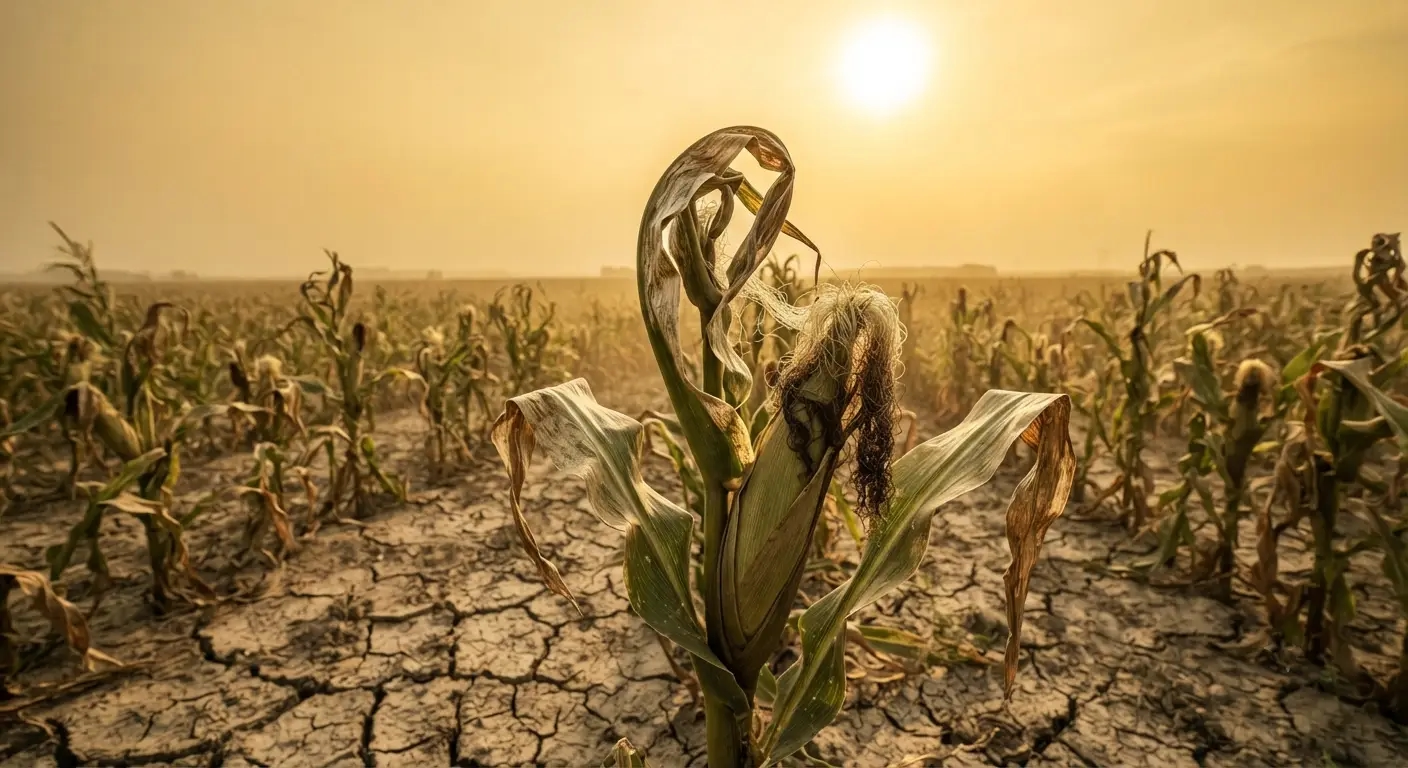
Unlike standard summer heatwaves, this weather phenomenon involves a massive high-pressure system that traps heat like a lid on a pot. With temperatures routinely exceeding 100°F (37.8°C) across the Midwest and soaring even higher in western regions, the persistent lack of rainfall and extreme evaporation are placing unprecedented stress on crops and farm infrastructure.
The July Gamble: Critical Growth Stages
For American agriculture, July is a high-stakes month. Two major crops have reached developmental milestones where weather extremes can cause irreversible damage:
Corn (Silking Stage): Pollination is the engine of corn yield. High heat (>90°F / 32°C) combined with water stress can cause pollen to become non-viable, leading to poorly filled ears and plummeting yields.
Soybeans (Flowering Stage): As plants shift energy toward pod formation, heat stress can trigger “flower abortion,” meaning fewer pods, smaller seeds, and lower protein/oil content.
While current reports suggest that 64–67% of crops remain in “good to excellent” condition, agronomists warn that this window of resilience is shrinking by the day.
Adaptive Strategies: How Farmers Are Fighting Back
Farmers are deploying an arsenal of tactical adjustments to protect their assets:
Water Management: Scaling up precision irrigation and utilizing mulch to conserve critical soil moisture.
Operational Shifts: Migrating heavy field work to cooler, overnight, or early morning hours to protect both machinery and human safety.
Livestock Cooling:
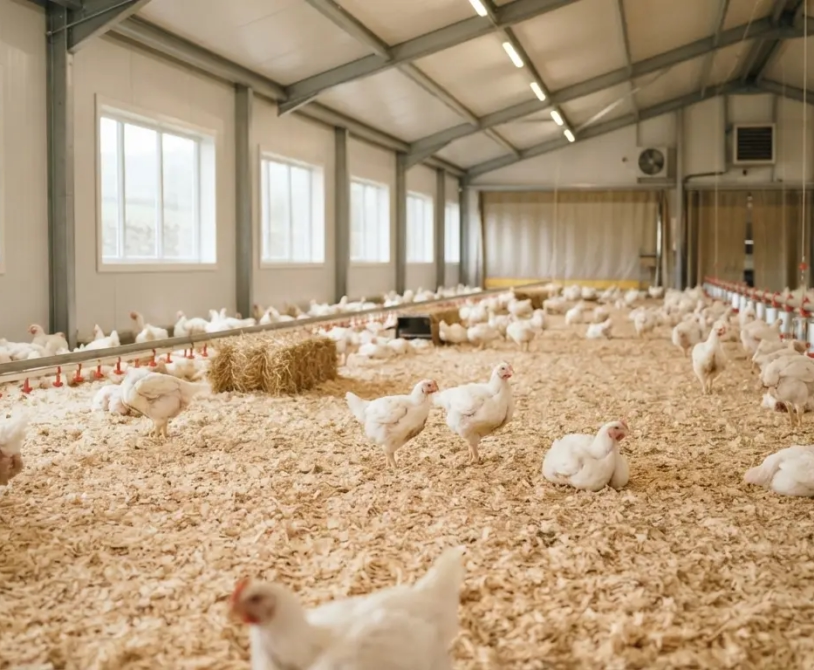
Poultry: Supplemental electrolytes in water, increased ventilation, and nighttime feeding schedules.
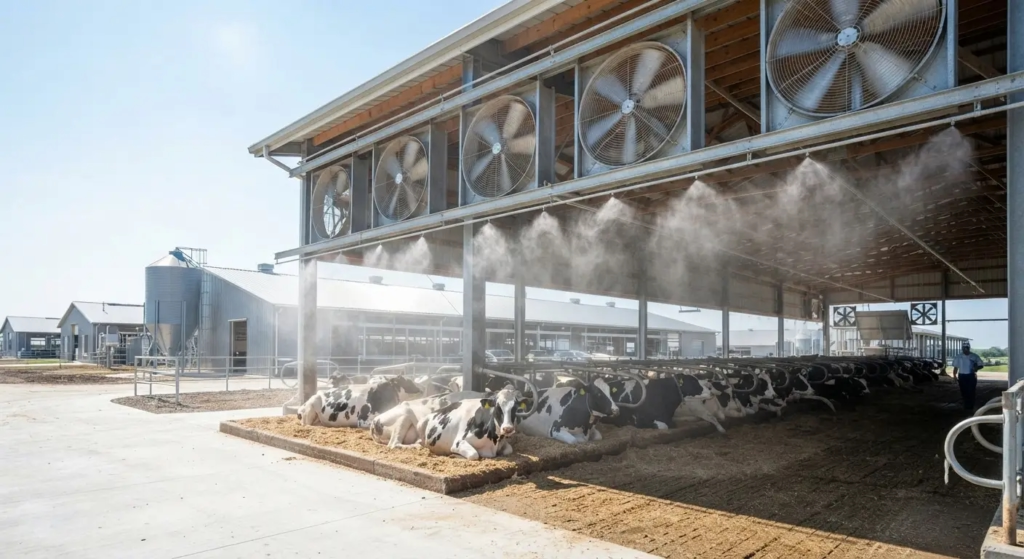
Dairy/Beef: Deployment of industrial misting systems, high-speed fans, and shade structures to maintain animal welfare and production levels.
The U.S. is the world’s leading exporter of corn and soy. A localized heat event in the Midwest often manifests as an economic shock in global markets. For African livestock producers and agribusinesses, the potential outcomes of this heat dome include:
Surging Feed Costs: As U.S. supply tightens, the price of imported corn and soybean meal—essential components for poultry and swine feeds—is likely to rise.
Food Inflation: Higher input costs for African dairy and poultry operations could lead to increased market prices for eggs, chicken, and milk.
Economic Pressure: Countries heavily reliant on grain imports will face increased budgetary strain as global food inflation reacts to U.S. supply fluctuations.
Pro Tip for Agribusinesses: In light of potential price volatility, livestock producers are encouraged to optimize their feed conversion ratios (FCR) and secure reliable supply chains now to buffer against potential future price spikes in the global grain market.
U.S. heat dome 2026, grain market volatility, global food prices, poultry feed costs
The New Normal: Lessons in Resilience
This crisis serves as a stark reminder of the vulnerability of modern food systems to climate volatility. As heatwaves become more frequent, the industry is shifting toward “climate-smart” agriculture:
Soil Health: Investing in organic matter and conservation tillage to improve water retention.
Diversification: Spreading risk across multiple crops and farm enterprises.
Infrastructure: Future-proofing livestock housing with advanced cooling technologies.
As the U.S. harvest nears, the world waits to see if the resilience of the American farmer will overcome the ferocity of this heat dome. The results will set the tone for global food prices through the remainder of 2026.
share
About Enow Peric
Peric Enow is the Founder and CEO of Otto’s Farms, where he bridges the gap between traditional agriculture and modern technology. With a background as a Software Engineer, Peric applies a data-driven approach to livestock production and farm management. Under his leadership, Otto’s Farms has grown from a poultry start-up into a diversified agribusiness hub in Cameroon, known for its focus on sustainability and tech-integrated farming solutions. He is passionate about empowering the next generation of "agropreneurs" through mentorship and digital tools.