Commercial piggeries rarely collapse from a single catastrophic event. Most failures trace back to a small set of recurring management errors that compound over months, eroding herd health, feed efficiency, and cash flow until the operation becomes unviable. Below are the five most common — and most damaging — mistakes.
1. Weak Biosecurity Protocols
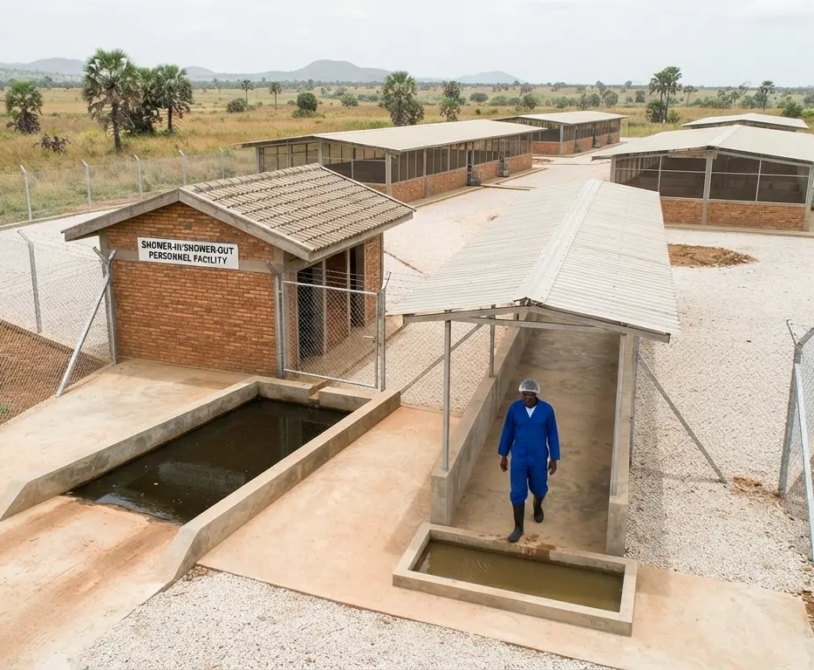
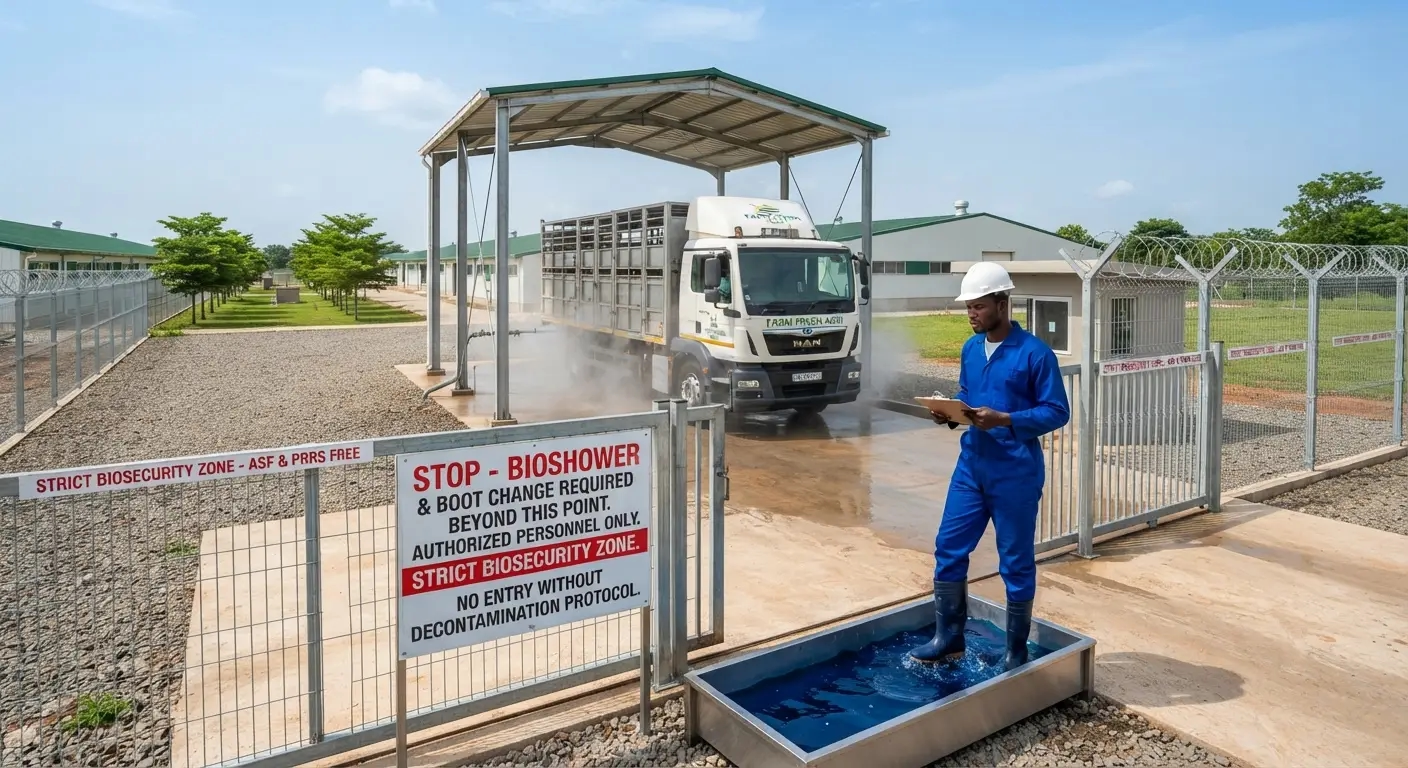
Disease is the single fastest route to financial collapse in a piggery. Weak biosecurity — inconsistent visitor controls, shared equipment between units, poor quarantine procedures for incoming stock, or lax vehicle disinfection — creates a direct pathway for pathogens like African Swine Fever, Porcine Reproductive and Respiratory Syndrome (PRRS), and enteric diseases to enter the herd.
Common failure points:
- No formal quarantine period for new or returning animals
- Staff and visitors moving between age groups without changing boots or clothing
- Rodent and wild pig control treated as optional rather than routine
- No documented biosecurity plan or accountability for enforcing it
A single outbreak can wipe out months of production and trigger movement restrictions that block sales entirely.
2. Poor Feed and Nutrition Management
Feed typically accounts for 60–70% of total production costs in a commercial piggery, making it the highest-leverage area for both profit and failure. Errors here rarely announce themselves immediately — they show up gradually as poor feed conversion ratios (FCR), slow growth rates, and rising cost-per-kilogram of pork produced.
Common failure points:
- Feeding a single generic ration across all life stages instead of matching diets to piglets, growers, finishers, and breeding stock
- Inconsistent feed quality or contaminated/spoiled feed going undetected
- Poor water access or quality, which suppresses feed intake even when the ration itself is correct
- No routine monitoring of FCR, making inefficiency invisible until margins have already collapsed
3. Neglected Breeding and Reproduction Management
A piggery’s entire output funnels through its breeding herd. Poor reproduction management — low farrowing rates, high piglet mortality, or genetic stagnation — reduces the number of marketable pigs without reducing fixed costs, silently shrinking margins.
Common failure points:
- No structured breeding calendar or oestrus detection routine, leading to missed services and extended non-productive days
- Overuse of aging boars or sows without genetic renewal, lowering litter size and vigor over generations
- Inadequate farrowing supervision, resulting in preventable piglet crushing and stillbirths
- Failure to cull consistently underperforming breeding stock
4. Inadequate Housing, Ventilation, and Stocking Density
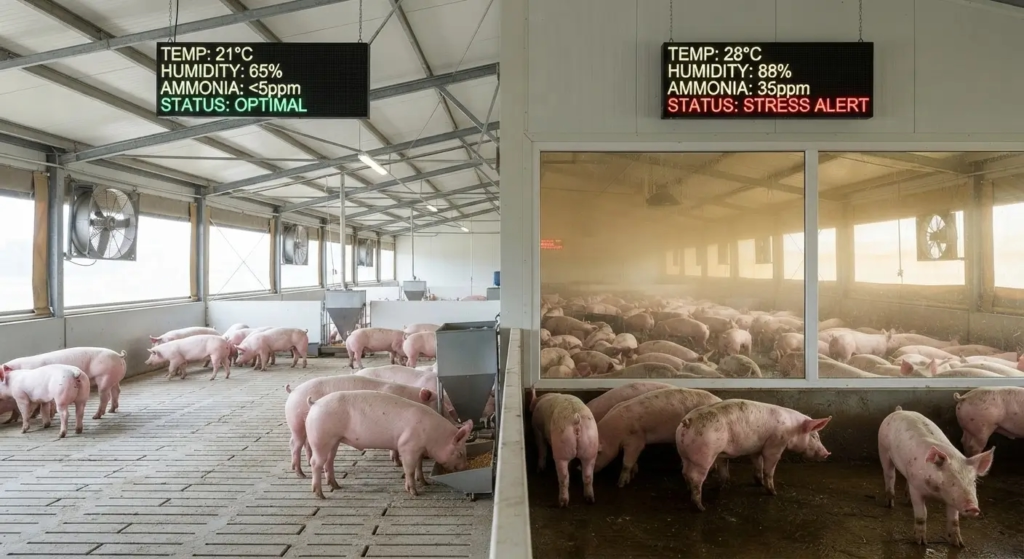
Facility design directly drives disease pressure, growth rate, and animal welfare outcomes. Overcrowding and poor ventilation are among the most underestimated causes of piggery failure because their effects — respiratory disease, stress, slower growth — are gradual rather than immediate.
Common failure points:
- Stocking density exceeding recommended space allowances per pig, increasing aggression, stress, and disease transmission
- Ventilation systems that fail to manage ammonia buildup, humidity, and temperature extremes
- Flooring and drainage that trap moisture and waste, elevating pathogen load
- Housing built for initial herd size with no plan for scaling, forcing overcrowding as the operation grows
5. Weak Financial and Record-Keeping Systems
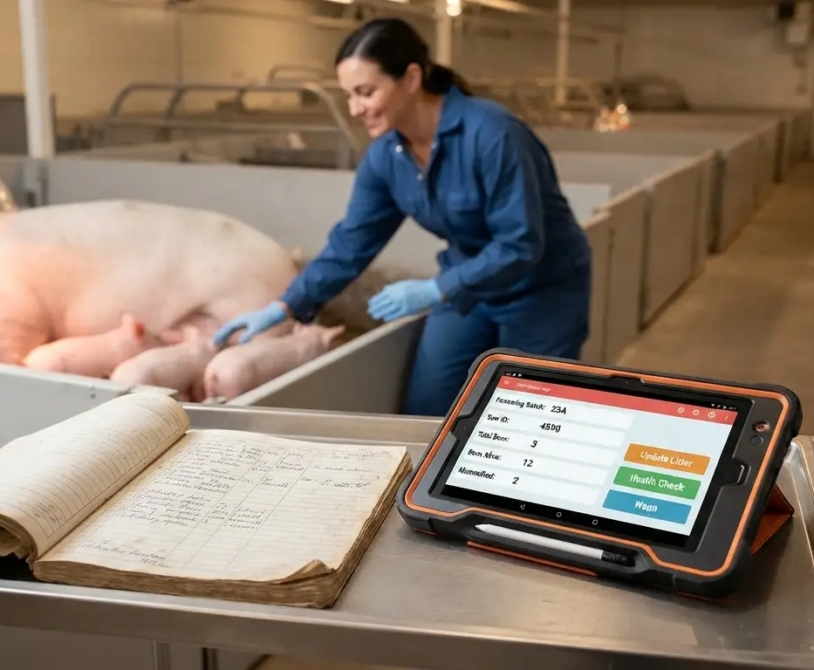
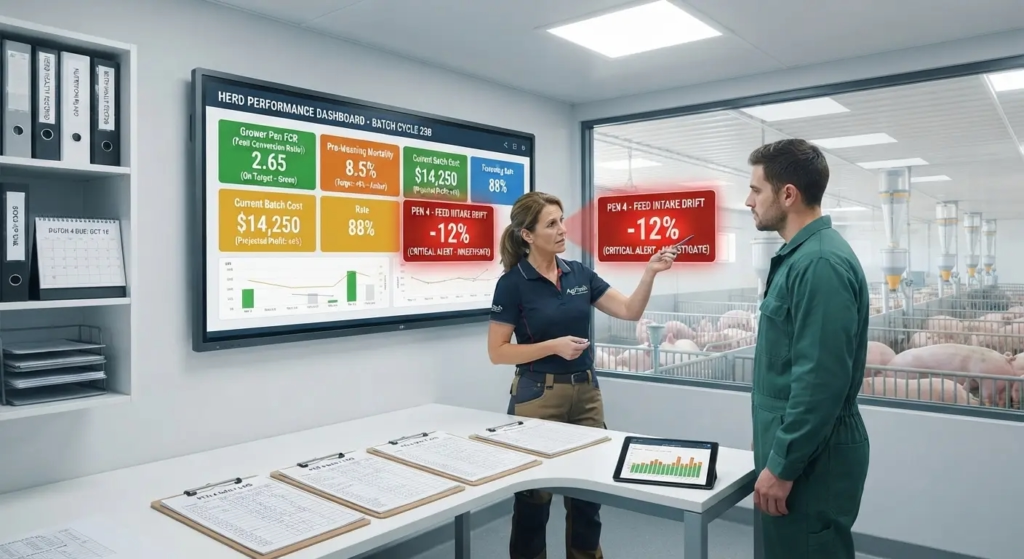
Many piggeries fail not from a production problem but from an inability to see one coming. Without accurate records — feed costs, mortality rates, FCR, reproduction data, and cash flow — management operates on guesswork, and by the time problems become visible in the bank balance, they are already severe.
Common failure points:
- No per-batch or per-pen cost tracking, making it impossible to identify which units are unprofitable
- Underestimating working capital needs for feed, veterinary costs, and labor during price downturns
- No contingency reserve for disease outbreaks, feed price spikes, or market price crashes
- Decisions made on intuition rather than production and financial data
How These Errors Compound
These five failure points rarely occur in isolation. Poor record-keeping (#5) hides the early warning signs of feed inefficiency (#2) or reproductive decline (#3). Weak biosecurity (#1) and poor housing (#4) both elevate disease risk, and a disease event exposes gaps in financial reserves (#5) that a well-capitalized operation could absorb. The piggeries that fail are usually those where two or more of these errors are present simultaneously and unmonitored.
Frequently Asked Questions
What is the most common cause of piggery failure? Disease outbreaks driven by weak biosecurity are the most common and most severe cause, since they can eliminate significant portions of a herd within weeks and trigger sales restrictions.
How much of a piggery’s costs go toward feed? Feed typically represents 60–70% of total production costs, making feed management errors one of the highest-impact mistakes an operation can make.
Can a piggery recover from a disease outbreak? Recovery is possible with adequate financial reserves, strict biosecurity remediation, and herd rebuilding, but many operations without a cash buffer or contingency plan do not survive the combined loss of stock and income.
What records should a commercial piggery track? At minimum: feed conversion ratio, mortality rate, farrowing rate, cost per pen or batch, and cash flow projections. These metrics surface problems early enough to correct them.
Bottom Line
Commercial piggeries fail less often from a single dramatic event and more often from the slow accumulation of unmanaged risk across biosecurity, nutrition, reproduction, housing, and financial oversight. Operations that survive long-term treat these five areas as interconnected systems requiring continuous monitoring — not one-off setup decisions.