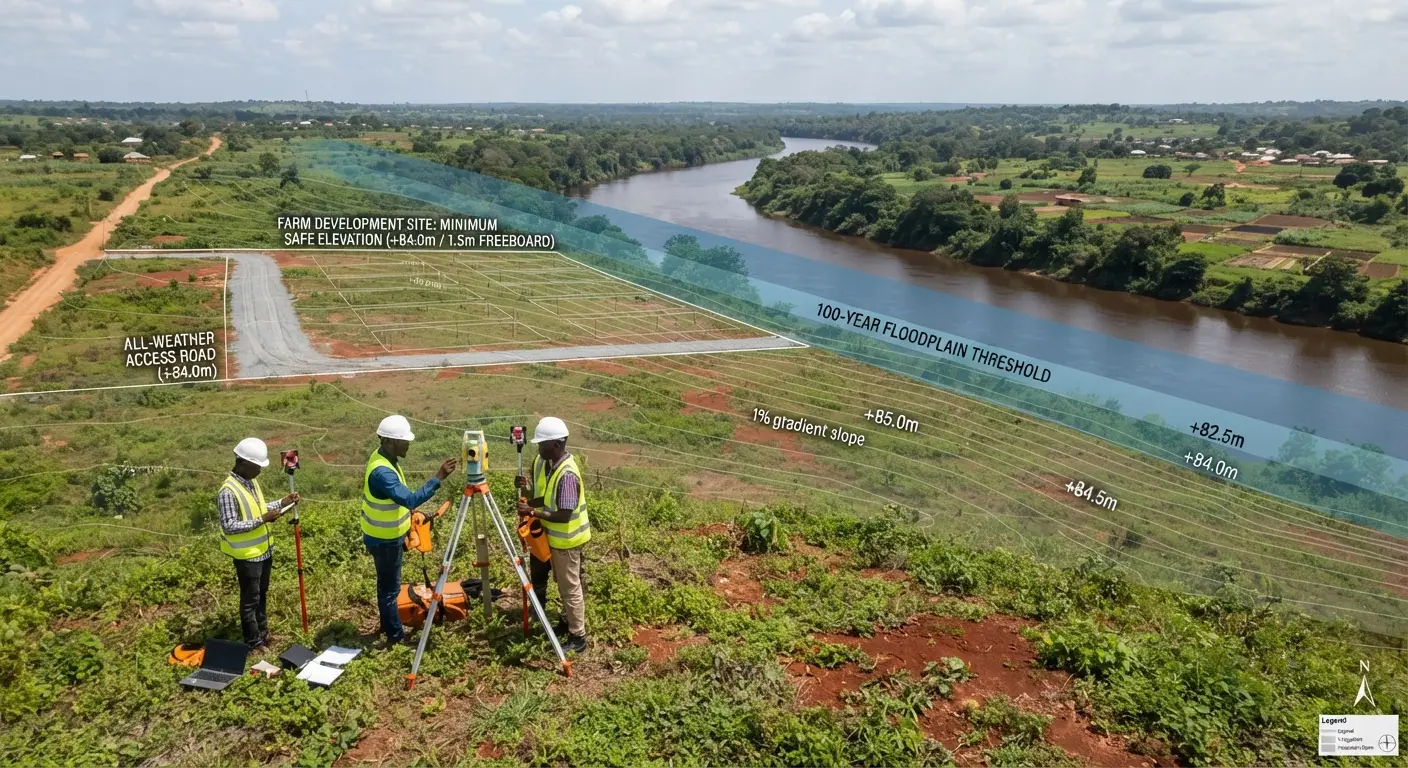
Production system selection is the second most permanent decision in catfish farming — following site selection, it determines the physical infrastructure within which every subsequent operational decision is made. The production system defines the capital investment required, the stocking densities achievable, the water quality management discipline required, the labor model that sustains the system, and the cost structure within which the business must generate profit.
Three production system categories dominate commercial catfish farming: earthen ponds, concrete tanks, and recirculating aquaculture systems (RAS). These are not interchangeable approaches that produce the same outcome at different cost levels — they are fundamentally different production philosophies, each suited to a specific combination of capital availability, land availability, water availability, management capacity, and market positioning.
Understanding the production biology and operational economics of each system, rather than selecting one because it is familiar or because a neighboring farm uses it, is the foundation of a system decision that supports rather than constrains the commercial catfish enterprise.
Earthen Pond Systems
How Earthen Pond Systems Work
An earthen pond catfish farm uses excavated or embanked soil-based ponds — lined by the natural clay content of the soil rather than constructed surfaces — to contain the production water. Fish are stocked at lower densities than in concrete or RAS systems, and water quality is managed through a combination of partial water exchange, aeration, and the natural biological processes of the pond ecosystem itself.
The earthen pond’s defining characteristic is that it is not simply a container for water and fish — it is a functioning biological system. The pond’s phytoplankton community performs photosynthesis that adds oxygen to the water during daylight hours. The zooplankton community consumes phytoplankton and provides a natural food source for fish. Bacteria in the sediment break down organic matter and cycle nutrients. The entire biological community of the pond contributes to water quality regulation in ways that reduce (but do not eliminate) the management input required to maintain fish health.
Capital Cost
Earthen ponds represent the lowest capital cost per unit of production area of the three system types. Construction requires primarily earthmoving equipment (excavator, bulldozer), basic concrete work at inlet and outlet structures, and relatively modest materials costs.
Indicative capital cost for earthen pond construction in West/Central Africa:
| Component | Cost per Hectare (XAF) | Cost per Hectare (USD) |
|---|---|---|
| Land clearing and leveling | 1,500,000 | 2,500 |
| Excavation and bund construction | 8,000,000 | 13,333 |
| Inlet and outlet structures (concrete) | 2,500,000 | 4,167 |
| Water supply infrastructure | 3,000,000 | 5,000 |
| Peripheral drainage and access | 1,500,000 | 2,500 |
| Aeration equipment (paddlewheel or diffuser) | 2,000,000 | 3,333 |
| Total per hectare | 18,500,000 | 30,833 |
At a typical commercial stocking density of 2–3 fish per m² and average harvest weight of 1 kg, a 1-hectare earthen pond system produces approximately 20,000–30,000 kg of fish per production cycle — delivering a relatively low capital cost per tonne of annual production capacity compared to more intensive systems.
Stocking Density and Production Intensity
Earthen ponds support lower stocking densities than concrete or RAS systems, primarily because:
- Natural oxygen production from photosynthesis has a ceiling beyond which additional fish loading creates oxygen deficits
- Ammonia and other metabolic waste accumulation limits the sustainable fish biomass per unit of water volume
- The sediment-based water quality system can only process organic load up to a density-dependent threshold
Practical stocking densities for African catfish in earthen ponds:
- Extensive production (minimal supplemental feeding): 0.5–1.0 fish/m²
- Semi-intensive (partial feeding, basic aeration): 1–3 fish/m²
- Intensive (full feeding, continuous aeration): 3–5 fish/m²
Beyond approximately 5 fish/m², the natural water quality buffering capacity of the earthen pond system is typically exceeded, and water quality management challenges increase disproportionately — concrete or RAS systems are more appropriate at higher densities.
Water Quality Dynamics in Earthen Ponds
The diurnal oxygen cycle: One of the most operationally significant characteristics of earthen pond systems is the daily (diurnal) cycle of dissolved oxygen concentration. During daylight hours, photosynthesis by pond phytoplankton produces oxygen faster than fish and bacteria consume it — DO rises through the afternoon, typically reaching its daily maximum in the late afternoon (3–5 PM). After sunset, photosynthesis stops, but respiration by fish, phytoplankton, and bacteria continues — consuming oxygen through the night until the minimum DO occurs near dawn (5–7 AM).
The operational implication: The dawn oxygen minimum is the period of greatest oxygen stress in earthen pond systems — and the period when early-morning mortality events occur if the oxygen minimum falls below the critical threshold. Farm managers who check ponds only in the morning are checking at the worst time of day from an oxygen perspective. The behavioral monitoring protocol in the biology article — watching for surface breathing, gill gasping, and fish milling near the surface — is most critical in the early morning hours.
Managing the diurnal cycle:
- Aeration (paddlewheel aerators or diffusers) is typically run at night and in early morning when DO is lowest, rather than continuously — an energy-efficient management approach
- DO monitoring at dawn (with a dissolved oxygen meter or optical probe) provides the daily check against the minimum acceptable threshold (4 mg/L for African catfish at typical stocking densities, though the air-breathing organ allows short-term survival at lower levels)
- Avoiding heavy feeding in the late afternoon (which would generate high nighttime oxygen demand from digestion) reduces the oxygen deficit during the critical nighttime period
Advantages of Earthen Pond Systems
Low capital cost per unit of production: The most compelling advantage — earthen ponds allow larger production volumes for a given capital investment than either concrete or RAS systems, making them the entry-level commercial production system for operations with limited initial capital.
Reduced water quality management intensity: The biological buffering capacity of the pond ecosystem moderates water quality fluctuations and reduces the frequency of intervention required compared to concrete tank or RAS systems where the entire water quality management burden falls on human management inputs.
Natural food production: The zooplankton community in earthen ponds provides a natural supplementary food source that reduces feed costs, particularly in the fingerling and early grow-out stages.
Scalability: Large total production volumes can be achieved by multiplying pond numbers — earthen pond systems can scale to hundreds of hectares with consistent management systems across all ponds.
Disadvantages of Earthen Pond Systems
Land area requirement: Earthen ponds require substantial land area — typically 2–5 times more land per tonne of fish production than concrete tank systems at equivalent stocking densities. Land scarcity or high land value in peri-urban areas limits the viability of earthen pond systems near major markets.
Difficult harvest: Harvesting earthen ponds requires partial or complete drainage, netting, and often wading in turbid water and soft sediment — labor-intensive, stressful for fish (increasing mortality during harvest), and difficult to execute without specialized equipment (seines, harvest pumps, live haul tanks) in ponds of substantial size.
Weather and season dependence: Pond water temperatures fluctuate with ambient temperatures and sunlight, reducing growth rates during cool dry season periods. Heavy rainfall can flood ponds, introduce wild fish and pathogens, and disrupt pond biology.
Disease management limitation: Treating disease in earthen ponds requires medicating the entire pond water volume — typically far less precise and more expensive than treating fish in concrete tanks where water volume is known and controlled.
Sediment management: Accumulated sediment from organic waste decomposition progressively reduces pond depth, increases oxygen demand, and releases toxic hydrogen sulfide during pond disturbance. Periodic pond draining and sediment removal (typically every 2–5 years depending on stocking intensity) is a significant operational cost and production interruption.
Concrete Tank Systems
How Concrete Tank Systems Work
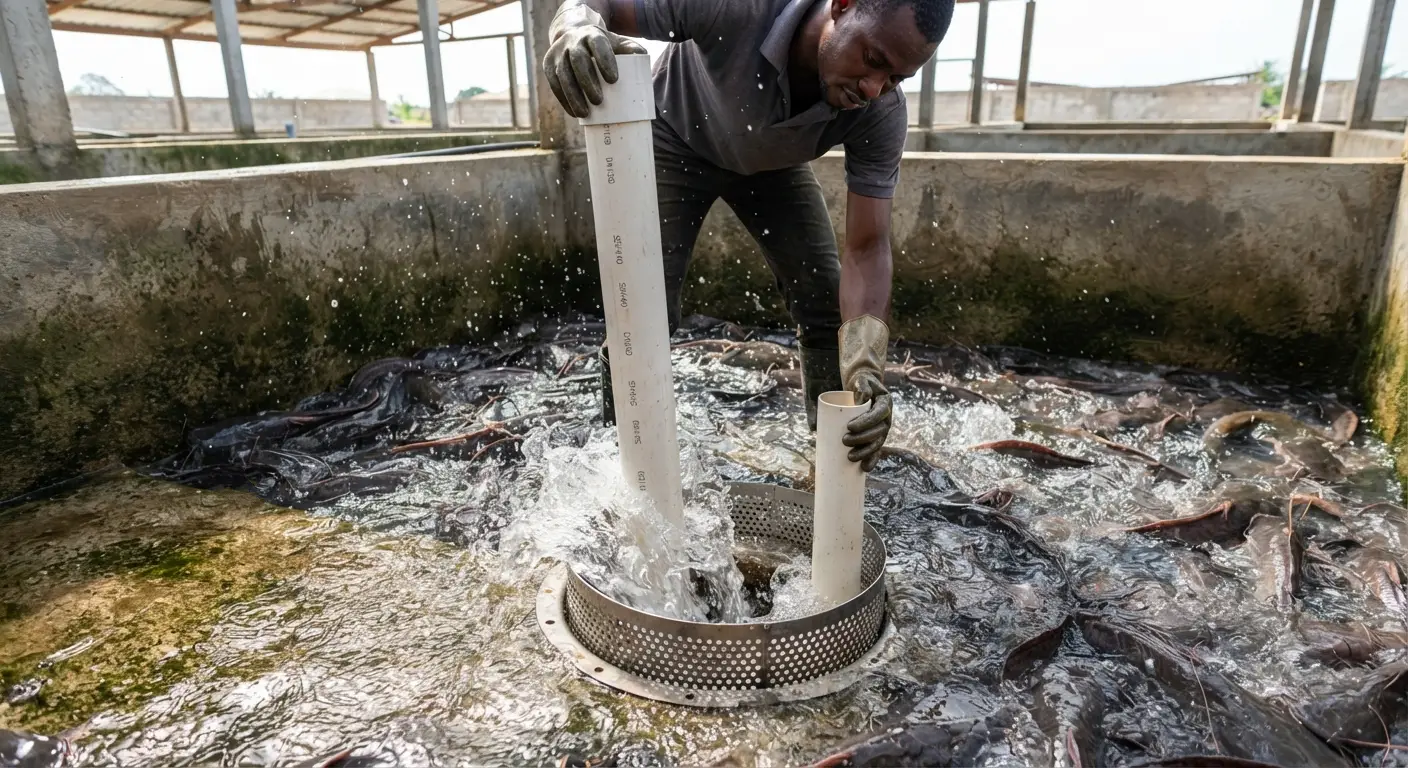
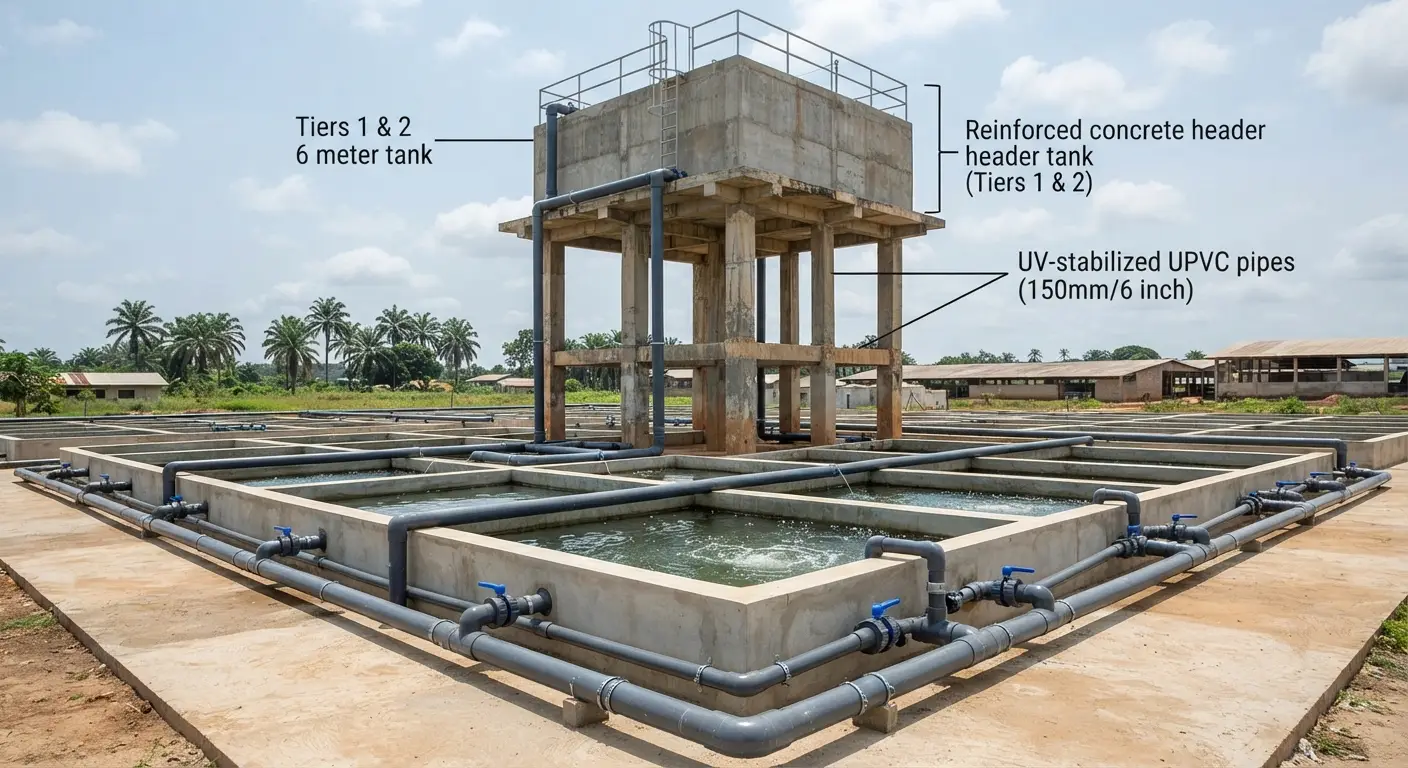
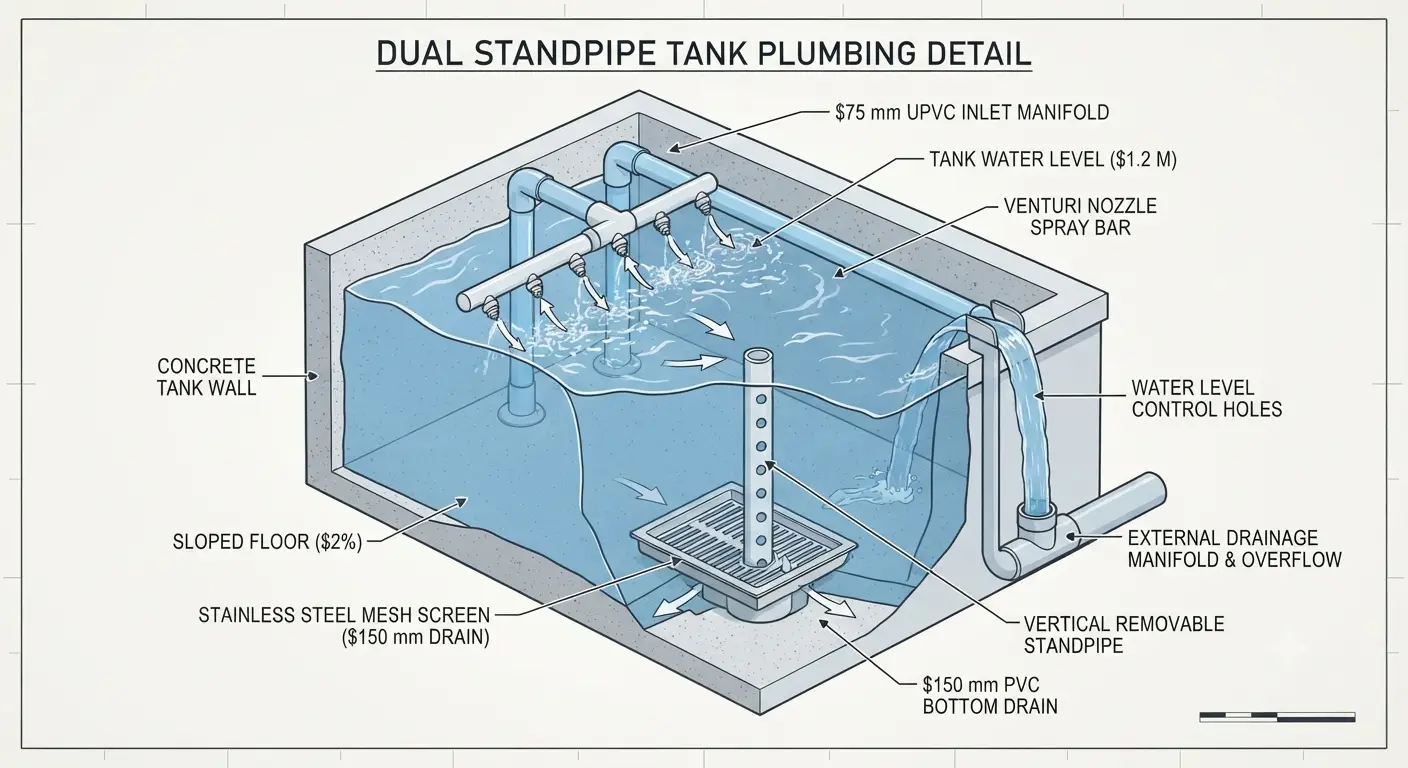
Concrete tank catfish production uses purpose-built rectangular or circular tanks with controlled water flow to maintain the fish biomass at stocking densities substantially higher than earthen ponds allow. Water quality is maintained by continuous water flow through the tank (flow-through systems) or by periodic water exchange combined with mechanical filtration (semi-closed systems), rather than by the biological processes of a pond ecosystem.
Concrete tanks have become the dominant commercial production system in urban and peri-urban catfish farming in Nigeria and Cameroon, where land scarcity, water availability constraints, and the operational advantages of controlled production environments favor high-density tank production over earthen ponds.
Capital Cost
Concrete tank systems require higher capital investment per unit of water volume than earthen ponds, but lower capital per unit of fish production at higher stocking densities. The comparison is meaningful only when expressed per tonne of annual production capacity.
Indicative capital cost for concrete tank construction:
| Component | Cost per m³ of Tank Volume (XAF) | Cost per m³ of Tank Volume (USD) |
|---|---|---|
| Concrete construction (walls, floor) | 80,000–120,000 | 133–200 |
| Plumbing (inlet, outlet, drainage) | 15,000–25,000 | 25–42 |
| Aeration system | 10,000–20,000 | 17–33 |
| Water supply infrastructure (shared) | — | Allocated across total system |
| Shade structure or roofing | 20,000–40,000 | 33–67 |
| Total per m³ | 125,000–205,000 | 208–342 |
Production capacity comparison: A concrete tank of 50 m³ volume, stocked at 100 fish/m³ at 10 g average weight (5,000 fish, 50 kg initial biomass) harvested at 1 kg in 5 months, produces 5,000 kg per production cycle — two cycles per year = 10,000 kg annual production. Capital cost: approximately XAF 7,500,000–10,250,000 for the tank structure.
The same production volume from earthen ponds at 2 fish/m², 1 kg harvest weight, two cycles per year would require: 5,000 m² = 0.5 hectare of pond, with capital cost approximately XAF 9,250,000. At this comparison, concrete tanks and earthen ponds have similar capital cost per tonne of annual production — but the concrete tank achieves it on 100× less land area.
Stocking Density and Production Intensity
The stocking density achievable in concrete tanks depends on the water exchange rate and aeration capacity provided:
Flow-through concrete tanks (continuous fresh water supply):
- 50–100 fish/m³ at stocking: achievable with high water exchange rate (30–50% per hour)
- Harvest biomass: 30–80 kg/m³ depending on management quality
Exchange-based concrete tanks (periodic water replacement):
- 50–150 fish/m³ at stocking
- 20–30% daily water exchange maintaining acceptable ammonia and DO
- Harvest biomass: 40–100 kg/m³
Semi-closed with mechanical filtration:
- 100–200 fish/m³ at stocking
- Lower water exchange rate (10–15% per day) supplemented by mechanical drum filter and biofilter
- Harvest biomass: 60–150 kg/m³
The African catfish air-breathing advantage at high density: At stocking densities above 50 fish/m³, dissolved oxygen management becomes the primary operational challenge in any closed or semi-closed system. The Clarias gariepinus suprabranchial organ provides a critical buffer — fish can access atmospheric oxygen when dissolved oxygen in the water drops below the stress threshold, reducing acute mortality risk during oxygen depletion events. This biological characteristic is the primary reason concrete tank African catfish production at 100–200 fish/m³ is commercially practiced in West Africa — densities at which most other fish species would experience catastrophic oxygen mortality.
Water Quality Management in Concrete Tanks
Unlike earthen ponds where biological buffering moderates water quality, concrete tanks have no inherent buffering capacity — water quality is entirely dependent on management inputs. The key parameters requiring active monitoring and management:
Dissolved oxygen: Must be maintained above 4 mg/L for sustained health and growth (the air-breathing organ provides tolerance below this threshold, but growth and health are compromised). Maintained by continuous aeration (venturi aerators, diffusers, or surface aerators) and adequate water exchange.
Total ammonia nitrogen (TAN): Ammonia is the primary metabolic waste product of protein catabolism in fish. In concrete tanks at high stocking density, ammonia accumulates rapidly — daily water exchange must be sufficient to dilute TAN below toxic thresholds (below 1 mg/L total ammonia, below 0.02 mg/L unionized ammonia at pH 7.0–7.5 and 28°C).
Nitrite: Accumulates in systems with insufficient water exchange or biological filtration. Above 0.5 mg/L, nitrite causes methemoglobin formation that reduces blood oxygen-carrying capacity — the “brown blood disease” that presents as lethargy, reduced feeding, and increased surface breathing.
pH: Should be maintained between 6.5–8.5. Concrete tanks can cause pH elevation (as concrete leaches calcium hydroxide into the water in new tanks) — new concrete tanks should be flushed repeatedly before stocking and the pH stabilized.
Advantages of Concrete Tank Systems
High production per unit of land area: The defining advantage — 10–20 tonnes of fish per 100 m² of tank footprint per year is achievable in well-managed concrete tank systems. On land-scarce peri-urban sites where land values are high, this production intensity per unit area fundamentally changes the economic viability calculation compared to earthen ponds.
Controlled environment: Concrete tanks allow observation of fish behavior and health, precise feed delivery and measurement, targeted treatment of specific tanks when disease occurs, and accurate production record-keeping — all significantly more difficult in earthen pond systems.
Year-round production: In climate zones where ambient temperatures drop to growth-limiting levels seasonally, concrete tanks in enclosed or partially enclosed structures can be managed with supplemental heating or thermal insulation more practically than earthen ponds.
Easy harvest: Concrete tanks with bottom drains allow complete water removal and easy netting or harvest of concentrated fish without the turbid-water, soft-sediment challenges of pond harvest. Harvest in concrete tanks typically has lower fish mortality and stress than pond harvest.
Accessible for disease treatment: Known water volume in concrete tanks allows precise calculation of medication doses for disease treatment — a critical advantage for disease management accuracy.
Disadvantages of Concrete Tank Systems
Higher water quality management intensity: Concrete tanks require more frequent monitoring and active management intervention than earthen pond systems — dissolved oxygen and ammonia must be measured daily in intensively stocked systems, and problems that a pond’s biological buffering would moderate require immediate management response in tanks.
Higher water consumption: High water exchange rates in flow-through concrete tank systems can require more total water volume per tonne of fish produced than earthen pond systems — a significant constraint in water-scarce locations.
Higher operating cost per tonne: Electricity for continuous aeration, pumping, and potentially water heating represents a meaningful operating cost in concrete tank systems. At Nigerian electricity tariffs and with generator dependency (common in areas with unreliable grid power), energy cost can add XAF 100,000–300,000 per tonne of fish produced.
Thermal exposure: Uncovered concrete tanks in direct sunlight experience significant daily temperature variation and high peak temperatures — potentially exceeding the comfort range for African catfish (above 32°C) during peak dry season hours.
Recirculating Aquaculture Systems (RAS)
How RAS Works
A recirculating aquaculture system reuses the majority of its water volume — treating the water to remove metabolic wastes and replenish oxygen before returning it to the fish tanks, rather than discarding it and replacing it with fresh water as in flow-through or exchange-based systems.
The treatment train in a typical RAS includes:
Mechanical filtration (drum filter or settling chamber): Removes suspended solids (unconsumed feed, feces) from the water before they decompose and consume oxygen or contribute to ammonia load.
Biological filtration (biofilter): Provides a substrate for nitrifying bacteria (Nitrosomonas and Nitrobacter species) that convert toxic ammonia (NH₃) and nitrite (NO₂) to the far less toxic nitrate (NO₃). The biofilter is the central water treatment component of any RAS — its bacterial colony must be established (“cycling” the system) before fish can be stocked.
Aeration and oxygenation: Dissolved oxygen consumed by fish and bacteria must be replenished. In RAS, this is often accomplished through pressurized oxygen addition (oxygen injection) rather than air-based aeration, achieving higher DO concentrations in a smaller water volume.
CO₂ stripping: Fish respiration produces CO₂ that accumulates in recycled water — elevated CO₂ reduces blood pH and compromises respiratory efficiency. CO₂ stripping (degassing) maintains acceptable CO₂ levels.
UV sterilization or ozone treatment (in higher-specification systems): Reduces pathogen load in recirculated water, reducing disease transmission between production cycles.
Capital Cost
RAS represents the highest capital cost per unit of production of the three system types — and the highest potential production intensity per unit of space and water.
Indicative capital cost for a 100 m³ RAS system (fish tank volume):
| Component | Cost (XAF) | Cost (USD) |
|---|---|---|
| Fish tanks (concrete or fiberglass) | 12,000,000 | 20,000 |
| Drum filter (mechanical filtration) | 8,000,000 | 13,333 |
| Moving bed biofilter (biological filtration) | 6,000,000 | 10,000 |
| Pumps and plumbing | 5,000,000 | 8,333 |
| Aeration and oxygen injection | 4,000,000 | 6,667 |
| CO₂ stripping | 2,000,000 | 3,333 |
| Control systems (DO, temperature, pH sensors) | 3,000,000 | 5,000 |
| Building or enclosure | 8,000,000 | 13,333 |
| Electrical installation and backup generator | 6,000,000 | 10,000 |
| Total | 54,000,000 | 90,000 |
At 100 fish/m³ stocking and 2 production cycles per year, this 100 m³ system produces approximately 20,000 kg per year — capital cost of approximately XAF 2,700/kg annual capacity (USD 4.50/kg), significantly higher than earthen pond or basic concrete tank systems.
When RAS Is Justified
Given the substantially higher capital cost of RAS compared to earthen pond and concrete tank systems, the case for RAS investment requires specific conditions that justify the premium:
Water scarcity: RAS uses 90–99% less water per tonne of fish produced compared to flow-through systems. In locations where fresh water supply is limited, and water is expensive, this efficiency advantage can offset the higher capital cost over the system’s operating life.
Climate control requirements: RAS in enclosed buildings allows precise temperature control independent of ambient conditions — valuable in climates with cold winters (limiting outdoor production) or extreme summer heat. In West Africa’s tropical climate, this advantage is less relevant for African catfish production but significant for producers targeting temperate species for specific markets.
Biosecurity and disease control: The enclosed, recirculating nature of RAS provides superior pathogen exclusion compared to open systems. New water entering the system is only the small daily make-up volume (typically 5–10% of total volume per day) — this limited surface exposure dramatically reduces the introduction of waterborne pathogens. For hatchery and larval rearing applications where pathogen exclusion is most critical, RAS provides biosecurity advantages that justify its cost.
Urban and indoor production: Where land is extremely scarce and expensive (urban industrial buildings, basement or warehouse operations), RAS allows very high production density in a small physical footprint with complete independence from outdoor conditions.
High-value species: The high capital and operating cost of RAS is more easily absorbed by operations producing high-value species (salmon, trout, shrimp) where farm-gate prices are high enough to support the cost structure. For commodity African catfish production at XAF 1,500–2,500/kg, RAS economics are challenging to make work profitably without premium market positioning.
RAS in West African Catfish Production — Honest Assessment
For most commercial catfish producers in Nigeria, Cameroon, Ghana, and neighboring countries targeting domestic markets, full RAS implementation is not the most appropriate production system choice:
- The capital cost premium of RAS over concrete tanks or earthen ponds is not justified by the domestic commodity catfish price point without premium market positioning
- The technical management requirements of biofilter maintenance, dissolved oxygen control, and system monitoring demand skills and infrastructure (reliable electricity, instrument calibration, spare parts availability) that are more challenging to sustain in typical West African operational contexts
- The water efficiency advantage of RAS is most valuable in water-scarce environments — many West African catfish farm sites have access to adequate water supply for conventional concrete tank or pond production
Where RAS is appropriate in the regional context:
- Commercial hatcheries where water quality control for larval and fingerling production justifies the investment
- Premium production targeting export markets or high-value domestic food service channels
- Urban operations where land cost and availability make the production density advantage of RAS economically compelling
- Educational and research institutions where system control and data quality justify the complexity
Head-to-Head Comparison — The Decision Matrix
Production System Comparison Table
| Parameter | Earthen Ponds | Concrete Tanks | RAS |
|---|---|---|---|
| Capital cost per tonne of annual capacity | Low (XAF 600–900K) | Medium (XAF 750–1,200K) | High (XAF 2,500–4,000K) |
| Land requirement per tonne/year | High (500–1,000 m²) | Medium (10–50 m²) | Low (5–15 m²) |
| Water use per tonne of fish | Medium (1,000–3,000 m³) | Medium-High (500–2,000 m³) | Low (50–200 m³) |
| Maximum stocking density | 3–5 fish/m² | 50–200 fish/m³ | 100–300 fish/m³ |
| Management complexity | Low-Medium | Medium | High |
| Water quality monitoring frequency | Daily (minimum) | Twice daily | Continuous (automated) |
| Disease treatment precision | Low | High | High |
| Harvest ease | Low (labor intensive) | High (drain and net) | High |
| Operating cost per tonne | Low | Medium | High |
| Risk of catastrophic oxygen event | Medium (dawn minimums) | Low-Medium (aeration) | Low (controlled) |
| Electricity dependence | Low | Medium | High |
| Best suited to | Large-scale, land-available, lower management intensity | Peri-urban, land-scarce, moderate intensity | Urban, water-scarce, premium production |
The Production System Decision Framework
Choose earthen ponds when:
- Land area is available and affordable
- Water supply is reliable but not abundant (earthen ponds lose less water to exchange than concrete systems)
- Capital is limited, and production scale matters more than production density
- Management capacity is moderate and intensive daily monitoring is not reliably achievable
- Production scale is above 5 hectares (at which the cost efficiency of earthen ponds becomes compelling)
Choose concrete tanks when:
- Land is scarce or expensive (peri-urban and urban locations)
- Reliable water supply is available, but land is the binding constraint
- Management capability supports daily water quality monitoring
- Production targets are achievable at moderate scale (10–500 tonnes per year)
- The operator wants harvest convenience and disease treatment precision
Choose RAS when:
- Water supply is genuinely scarce
- Land is extremely limited and expensive
- Premium market positioning justifies higher production cost
- Reliable electricity supply is available (or affordable generator backup)
- Technical management capacity for system operation and maintenance is confirmed
Hybrid systems: Many successful commercial catfish operations combine system types — earthen ponds for grow-out production, concrete tanks for nursery and fingerling phases where stocking density and environmental control are most critical, and RAS for hatchery operations. This hybrid approach captures the advantages of each system type at the production stage where those advantages are most commercially valuable.
The Financial Comparison — Cost Per Kilogram
Scenario: 50 tonnes per year catfish production target
| Item | Earthen Ponds (2.5 ha) | Concrete Tanks (500 m³) | RAS (167 m³) |
|---|---|---|---|
| CapEx (XAF) | 46,250,000 | 75,000,000 | 250,000,000 |
| Annual depreciation (20yr/10yr/8yr) | 2,312,500 | 7,500,000 | 31,250,000 |
| Annual feed cost (FCR 1.4, XAF 600/kg) | 42,000,000 | 42,000,000 | 42,000,000 |
| Annual labor (appropriate scale) | 8,400,000 | 10,800,000 | 18,000,000 |
| Annual energy cost | 1,200,000 | 4,800,000 | 12,000,000 |
| Annual water/pumping | 600,000 | 1,800,000 | 600,000 |
| Annual maintenance | 1,800,000 | 3,000,000 | 6,000,000 |
| Total annual cost (XAF) | 56,312,500 | 69,900,000 | 109,850,000 |
| Cost per kg (50 tonnes) | XAF 1,126 | XAF 1,398 | XAF 2,197 |
At a market price of XAF 2,000/kg: All three systems generate positive margin, with earthen ponds producing the highest margin per kilogram (XAF 874), concrete tanks producing moderate margin (XAF 602), and RAS producing the lowest margin (XAF -197 — loss-making at commodity pricing).
At a premium market price of XAF 3,500/kg (premium processed product): RAS becomes viable with XAF 1,303/kg margin, and both earthen ponds and concrete tanks generate very attractive margins (XAF 2,374 and XAF 2,102, respectively).
The fundamental financial insight: Production system choice and market channel choice are not independent decisions. RAS economics only work with premium market pricing. Earthen pond economics work at commodity pricing but require available land. Concrete tanks work across a broad range of situations and represent the best risk-adjusted choice for most commercial catfish operations in West and Central Africa targeting domestic markets.
Summary
Earthen ponds, concrete tanks, and RAS systems each represent a different balance of capital cost, production intensity, management complexity, and market positioning requirements. No system is universally superior — the correct choice for each operation depends on the specific combination of available land, available water, available capital, management capacity, and target market that characterizes that operation.
For most commercial catfish producers in West and Central Africa targeting domestic markets: concrete tanks represent the most versatile and financially robust choice — achieving the production density required on limited land, at a capital cost recoverable from commodity-to-mid-premium pricing, with management requirements achievable by a well-trained and motivated team.
For larger operations with available land and moderate capital constraints, earthen ponds offer the lowest cost per kilogram of fish produced and the most straightforward management system.
For RAS — reserve it for hatcheries, premium production, urban high-density operations, or water-scarce locations. At domestic commodity catfish prices, RAS generates costs that the market cannot profitably absorb.
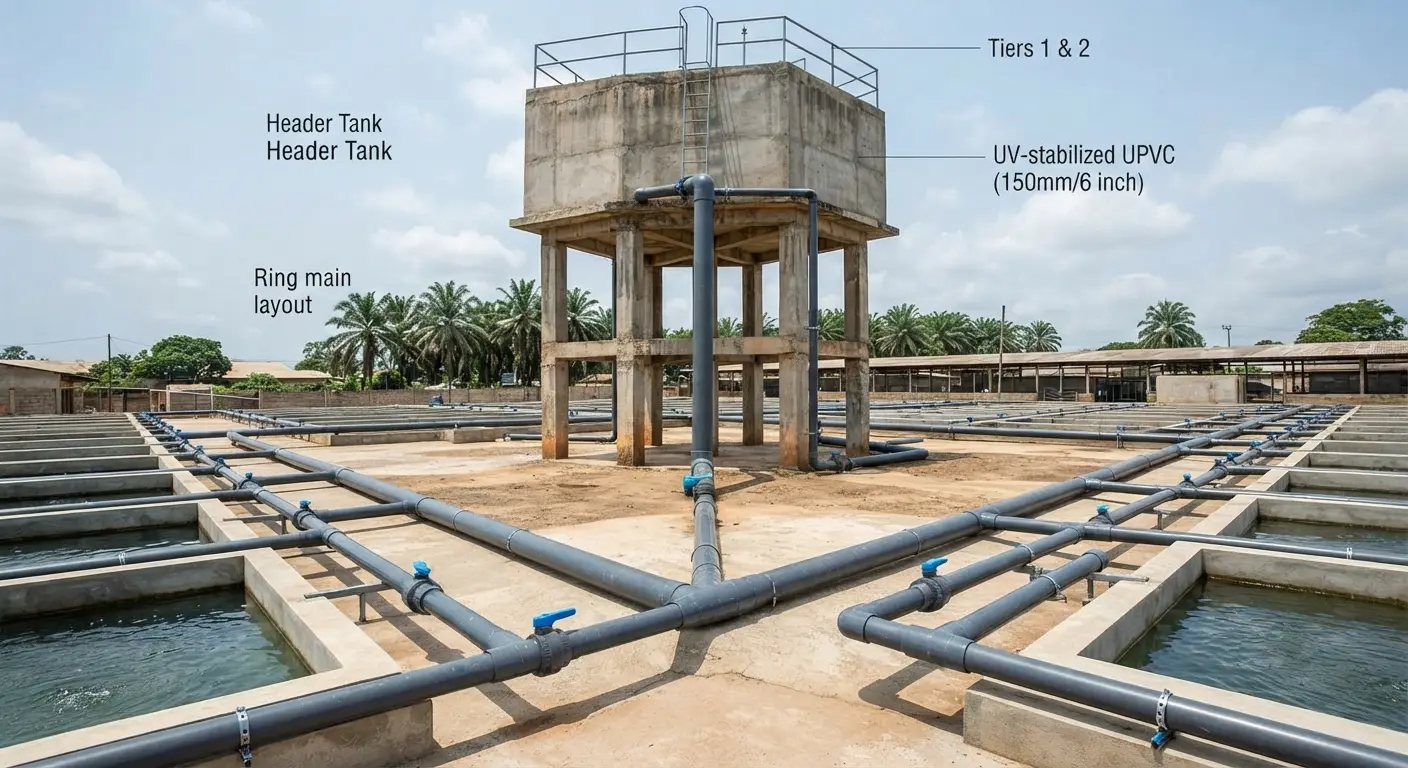
The subsequent articles in this series address the operational management of these systems — beginning with the plumbing and water engineering that determines whether any system functions as designed.