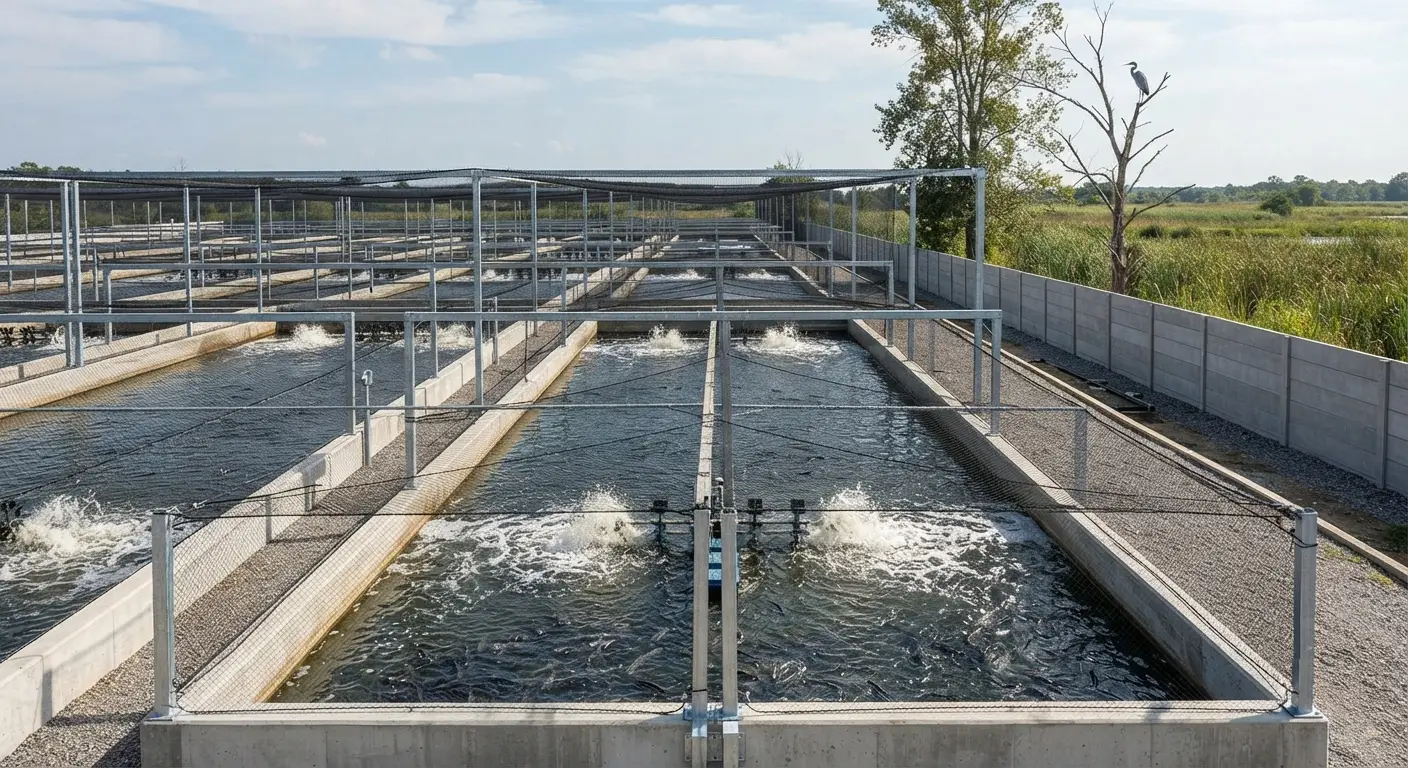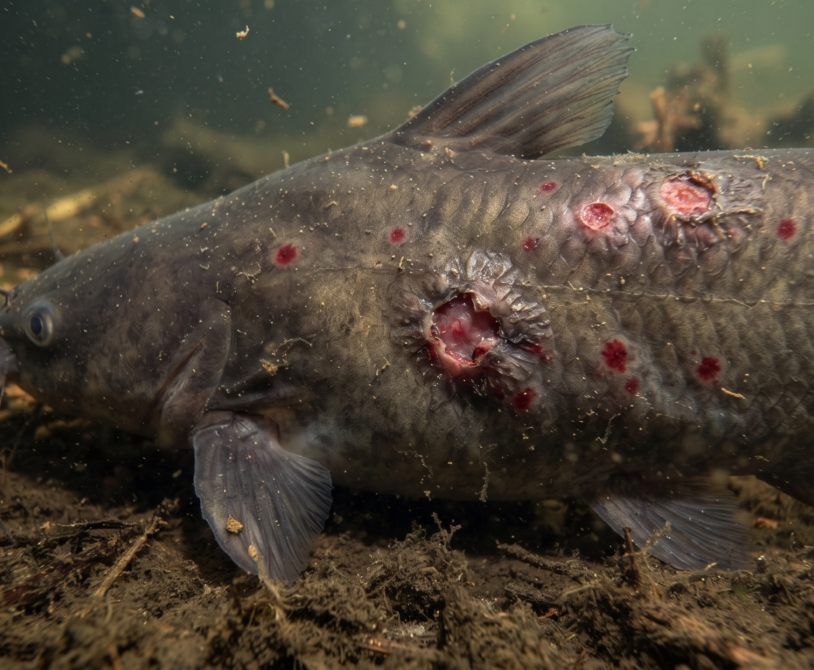
Water quality is the single most critical factor in aquaculture. In intensive catfish farming systems, water serves not only as the medium for respiration and movement but also as the primary reservoir for aquatic microorganisms. When water quality deteriorates, it directly triggers a cascade of physiological and biological events that lead to severe bacterial infections, such as Motile Aeromonas Septicemia (MAS) and columnaris disease.
1. The Physiological Link: Environmental Stress and Immunity
Bacterial pathogens like Aeromonas and Flavobacterium columnare are naturally present and ubiquitous in most aquatic environments. Under normal conditions, a healthy catfish possesses a robust immune system and a protective external mucus layer (slime coat) that naturally blocks these bacteria from invading.
However, when water quality parameters deteriorate, the fish undergo intense physiological stress. This stress triggers the release of cortisol, a hormone that suppresses the fish’s immune system, reduces white blood cell activity, and weakens the protective mucus barrier. This leaves the fish completely vulnerable to opportunistic pathogens that would otherwise be harmless.
2. Key Water Quality Failures That Drive Disease
Specific chemical and physical imbalances in the water column directly precipitate bacterial outbreaks:
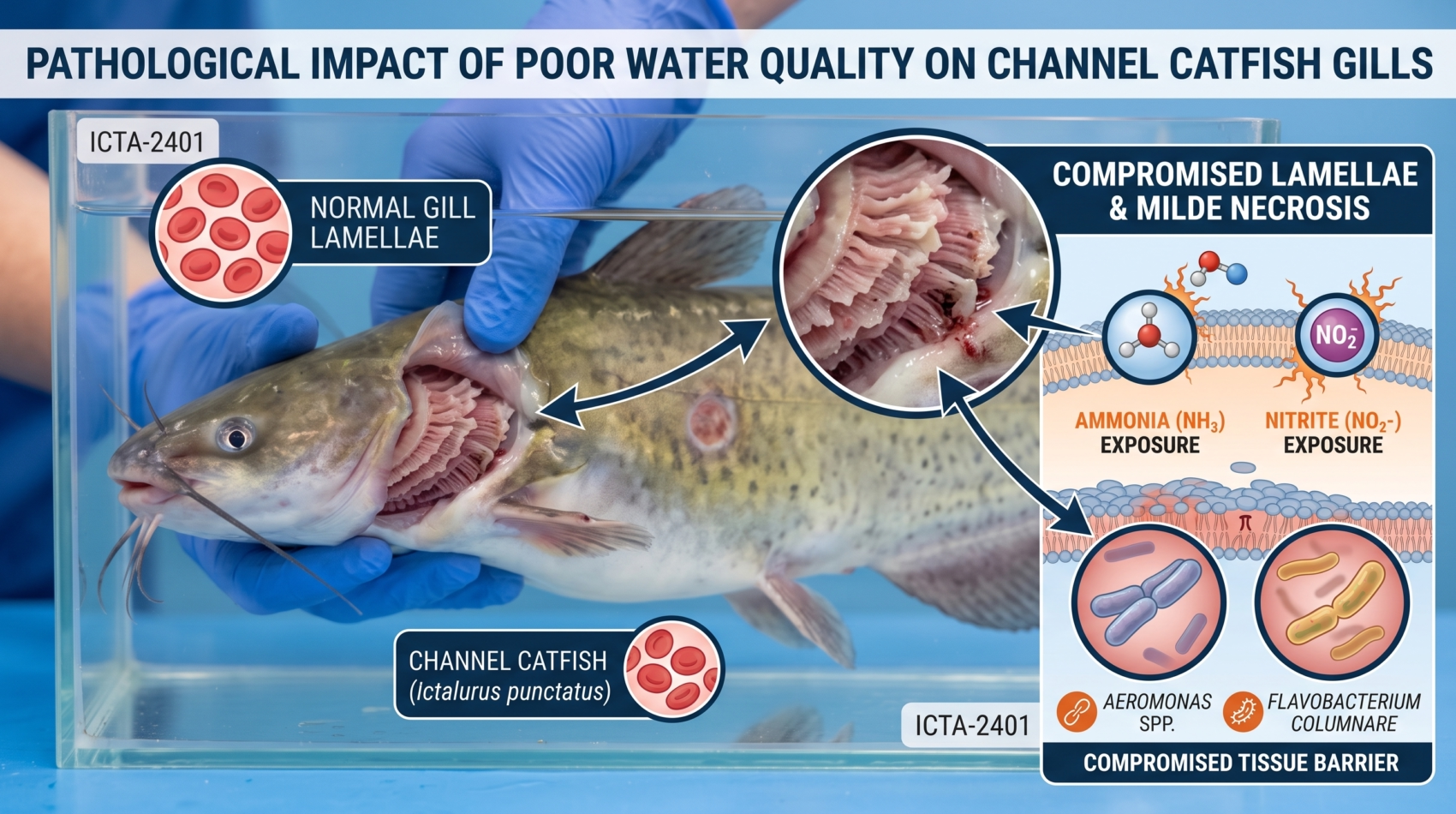
- Elevated Nitrogenous Waste (Ammonia and Nitrite): High concentrations of toxic ammonia and nitrite damage delicate gill tissues and internal organs. Damaged gills impair oxygen exchange and act as direct entry points for bacteria into the bloodstream, paving the way for systemic septicemia.
- Low Dissolved Oxygen (DO): When dissolved oxygen levels drop critically low (especially at night or early in the morning), catfish experience severe respiratory stress and hypoxia. Weakened fish lack the metabolic energy required to maintain immune defenses or repair minor skin abrasions.
- High Organic Loads: Excessive unconsumed commercial feed and heavy fecal accumulation create a nutrient-dense environment. This massive organic load causes bacterial populations—including harmful pathogens—to multiply exponentially in the water column and sediment.
- Extreme pH Fluctuations: Rapid shifts outside the optimal pH range (6.5 to 8.5) burn the skin and gill surfaces of the fish, causing physical trauma that invites secondary bacterial colonization.
3. Prevention: Managing Water Quality to Stop Disease
Because poor water quality is the primary root cause of bacterial outbreaks, disease prevention must begin with rigorous environmental management:
- Monitor Oxygen and Waste: Ensure dissolved oxygen levels remain consistently high (>4 mg/L) and keep nitrogenous waste near zero through regular water exchange protocols.
- Control Feeding Rates: Prevent the accumulation of excess organic matter by avoiding overfeeding and removing unconsumed feed promptly.
- Manage Stocking Densities: Avoid overcrowding, which accelerates waste buildup and depletes oxygen rapidly.
Need Assistance?
Are you currently experiencing water quality challenges, unusual mortality rates, or signs of bacterial disease in your catfish ponds? Please contact us today
for professional guidance, troubleshooting support, and tailored treatment strategies to protect your stock.