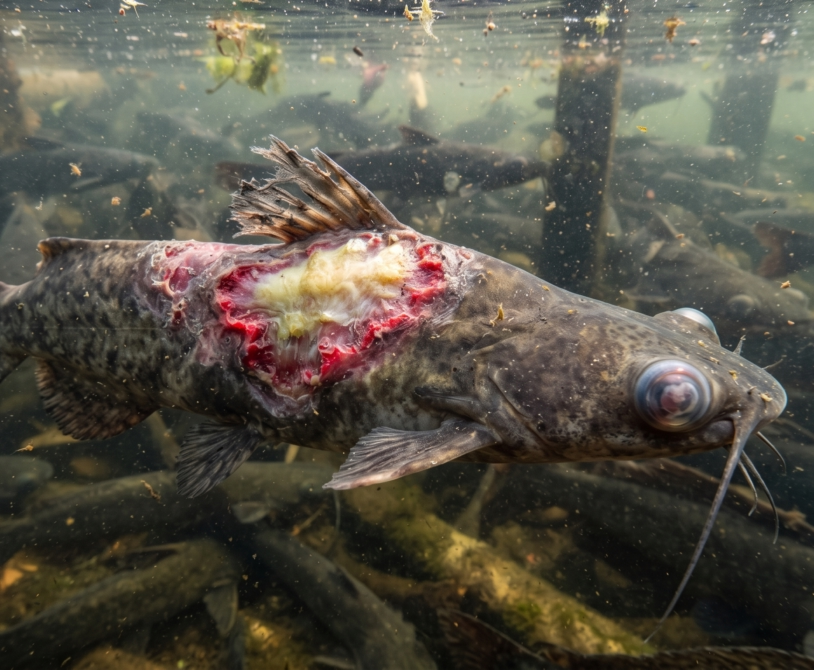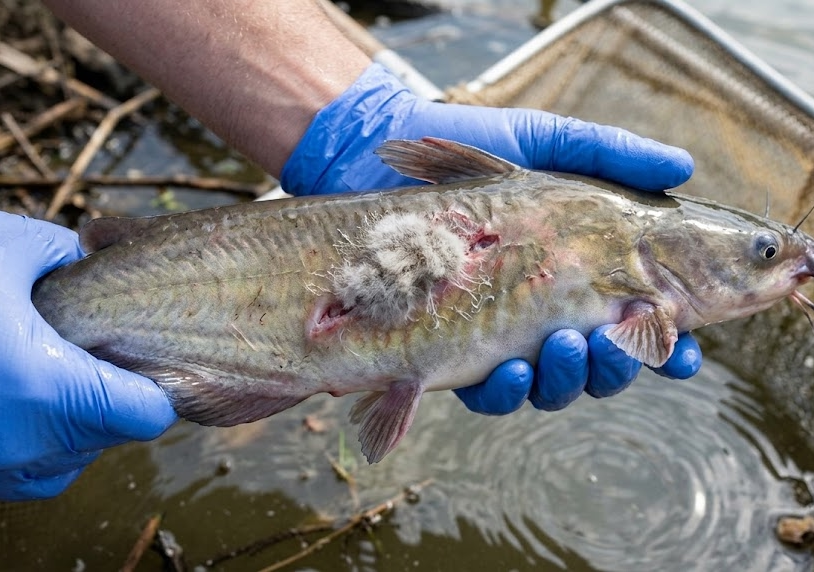
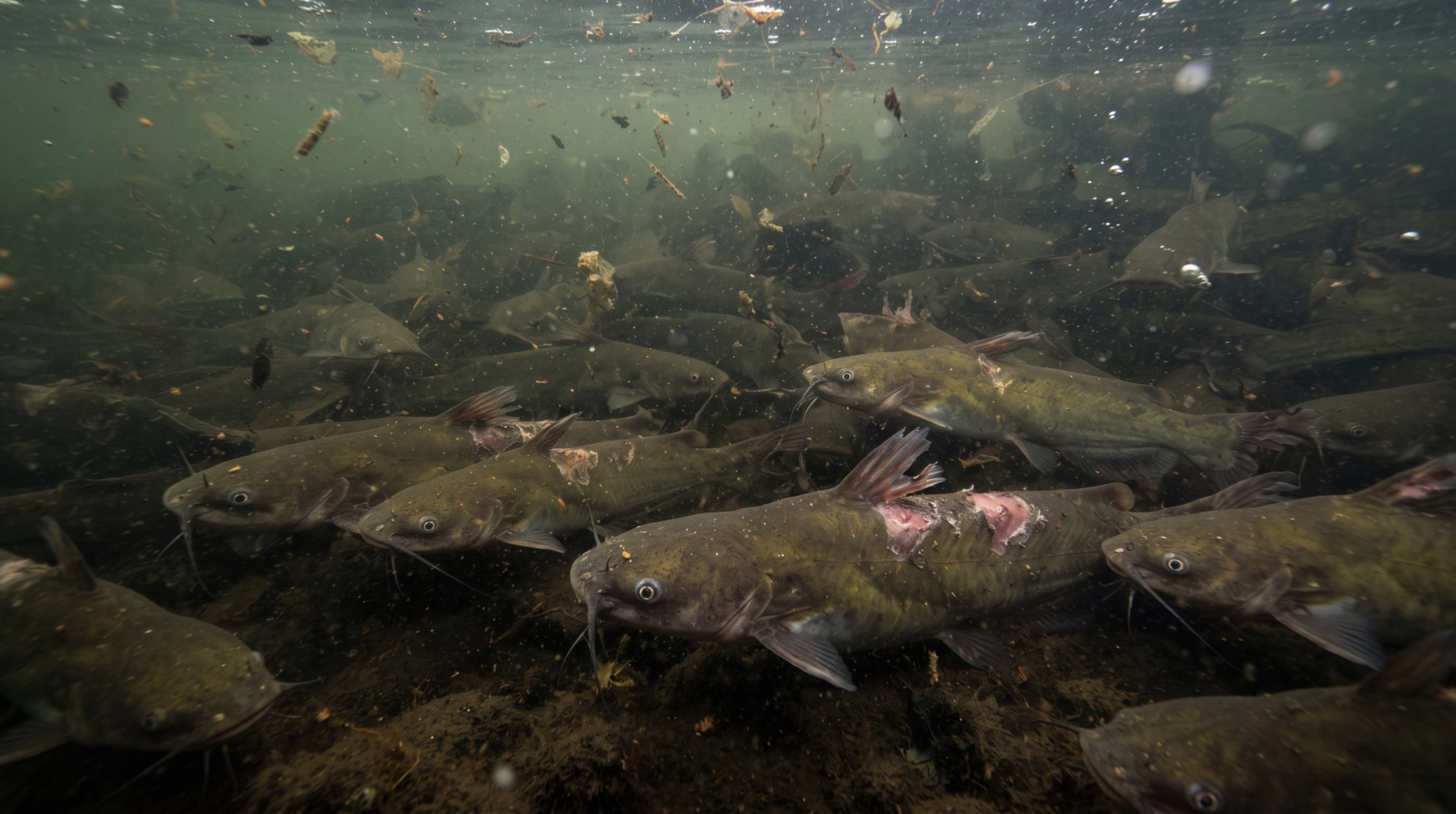
Stocking density is one of the most critical management decisions in aquaculture. While maximizing pond or tank capacity may seem economically efficient, high stocking densities and overcrowding are among the primary catalysts for severe bacterial outbreaks—such as Motile Aeromonas Septicemia (MAS) and columnaris disease. When fish are crowded, a destructive chain reaction is set in motion that directly compromises fish health and accelerates pathogen transmission.
1. The Mechanisms: How Overcrowding Fuels Disease
Overcrowding impacts catfish populations through a combination of physical, chemical, and biological stressors:
- Rapid Deterioration of Water Quality: High stocking densities mean more fish consuming oxygen and producing metabolic waste in a finite volume of water. This leads to dangerously low dissolved oxygen (DO) levels and rapid spikes in toxic nitrogenous waste (ammonia and nitrite).
- Massive Accumulation of Organic Loads: With more fish comes heavier feeding rates. Excess unconsumed commercial feed and high fecal loads accumulate rapidly, creating a nutrient-dense environment where pathogenic bacteria multiply exponentially.
- Elevated Physical Contact and Trauma: In overcrowded systems, fish are in constant physical contact with one another. This increases nipping behavior, fin damage, and accidental abrasions, providing direct entry points for opportunistic bacteria.
- Chronic Stress and Immune Suppression: Crowding induces severe chronic stress in catfish, triggering the release of cortisol. This hormone suppresses the fish’s immune system, degrades the protective mucus barrier (slime coat), and leaves them completely defenseless against pathogens.
2. Prevention: Managing Stocking Density to Protect Stock
Mitigating the risks of overcrowding requires careful planning and proactive farm management:
- Match Density to System Capacity: Always align your stocking rates with your system’s actual carrying capacity, water exchange capabilities, and aeration efficiency.
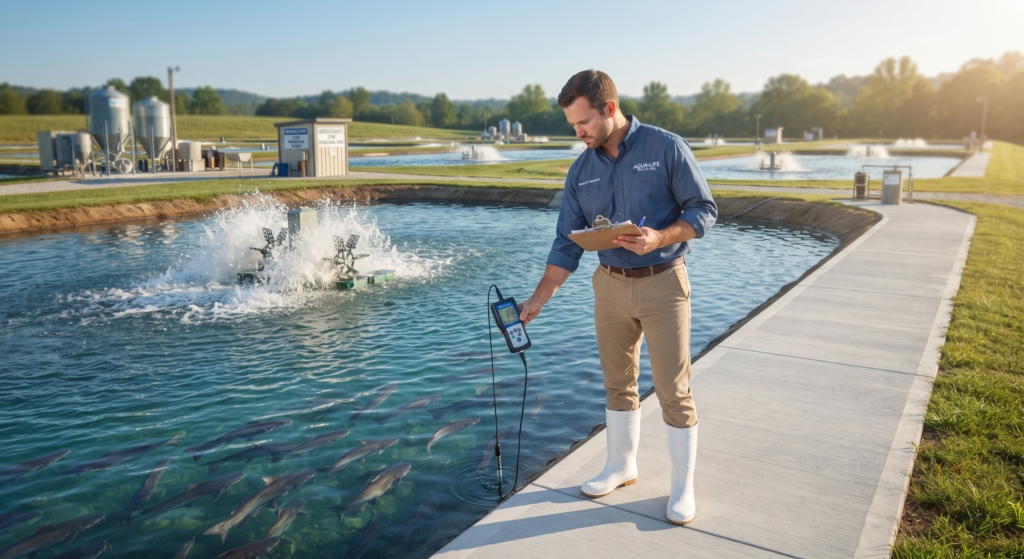
- Maintain Rigorous Water Monitoring: In higher-density setups, monitor dissolved oxygen and nitrogenous waste levels multiple times daily to catch parameter drops before they trigger an outbreak.
- Enforce Strict Sanitation: Remove dead fish immediately daily to prevent cannibalism and reduce pathogen loads in crowded environments.
Need Assistance?
Are you currently facing stocking density challenges, water quality drops, or unusual mortality rates in your catfish production system? Please contact us today
for professional guidance, troubleshooting support, and tailored treatment strategies to protect your stock.