Bacterial infections caused by the genus Edwardsiella represent significant biological threats to catfish aquaculture. Specifically, Enteric Septicemia of Catfish (ESC)—caused by Edwardsiella ictaluri—and Edwardsiellosis (caused by Edwardsiella tarda) are major economic concerns that can cause severe mortality in production systems.
1. Major Edwardsiella Pathogens in Catfish
- Enteric Septicemia of Catfish (ESC): Caused by Edwardsiella ictaluri, this is one of the most economically devastating bacterial diseases specifically targeting channel catfish and related species. It primarily strikes when water temperatures range between 18°C and 28°C.
- Edwardsiellosis: Caused by Edwardsiella tarda, this pathogen frequently affects fish reared in poor aquatic conditions, particularly in systems with high organic loads and dense stocking rates.
2. Target Tissues and Clinical Symptoms
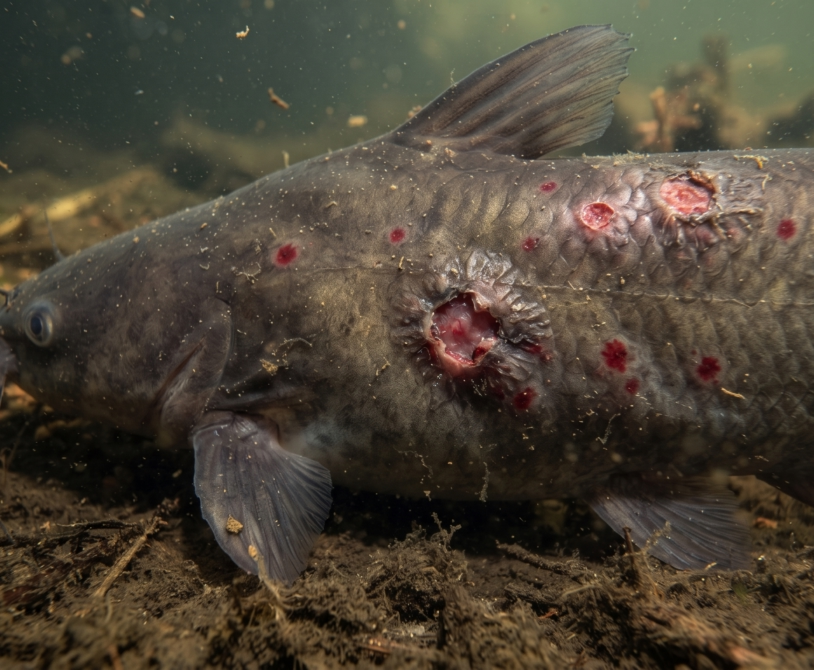
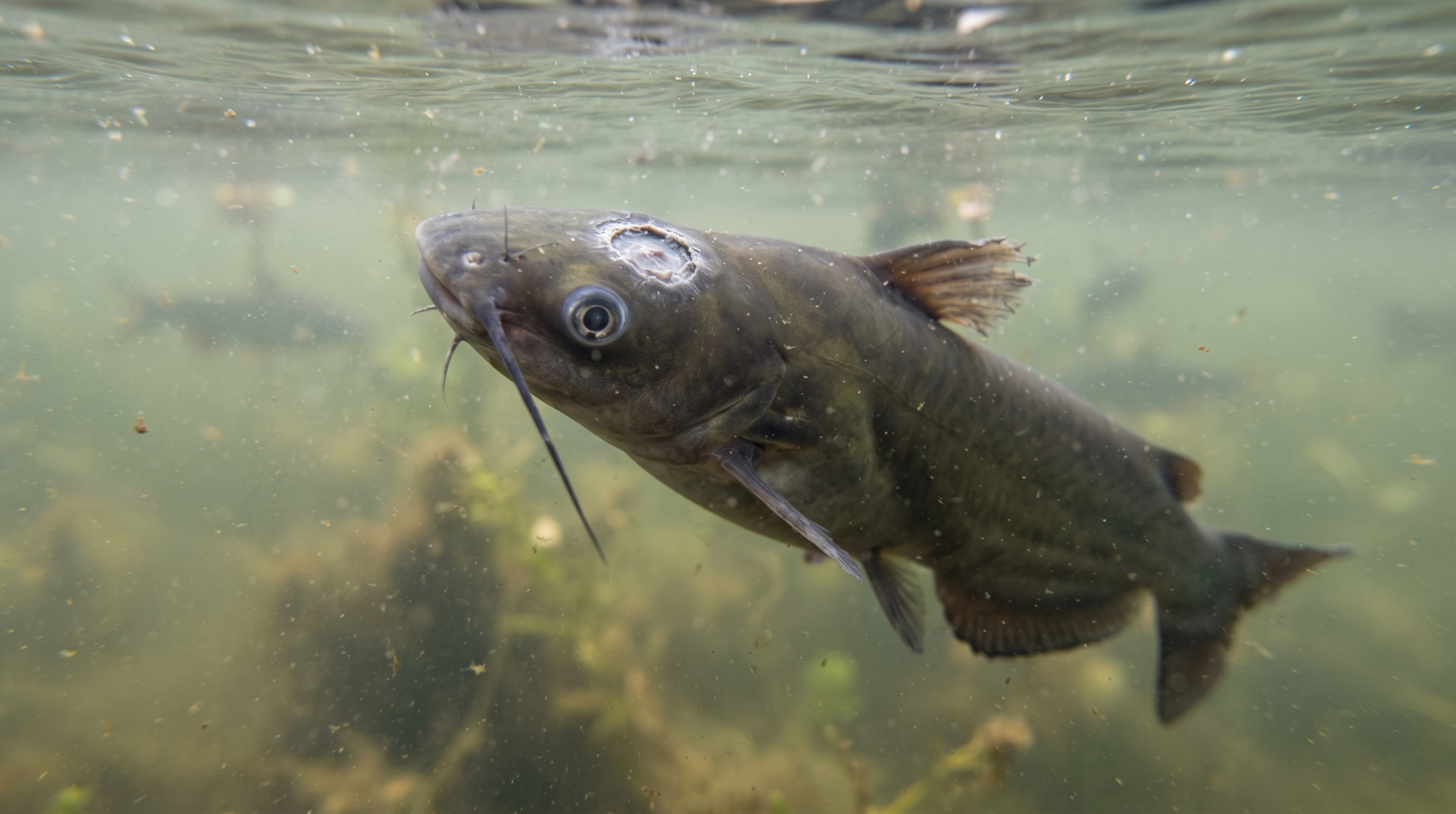
- Target Organs: Edwardsiella species are systemic pathogens that aggressively target vital internal organs, including the brain, kidneys, liver, and blood. In chronic forms of ESC, it is commonly known as “hole-in-the-head” disease.
- External and Behavioral Signs: Affected fish often display behavioral changes such as lethargy, loss of appetite, and erratic swimming patterns or erratic positioning near the water surface.
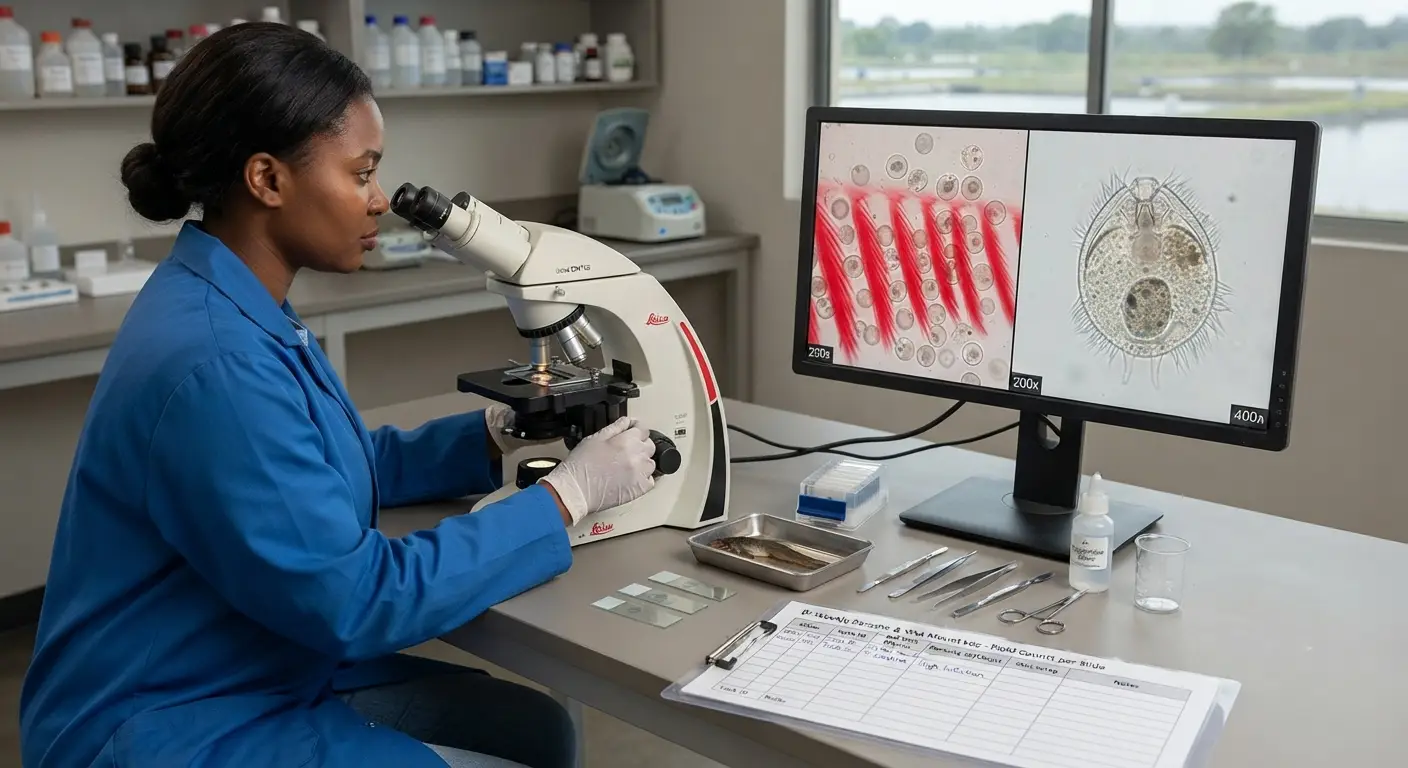
- Internal Pathologies: Post-mortem examinations typically reveal internal damage, including swollen or compromised kidneys, liver discoloration, and systemic blood infection. Edwardsiella tarda specifically often manifests as foul-smelling, gas-filled abscesses within the muscle tissue.
3. Root Causes and Environmental Triggers
While these bacteria can exist in aquatic ecosystems, clinical outbreaks are heavily driven by environmental stressors and poor management practices:
- Poor Water Quality: High concentrations of nitrogenous waste (ammonia and nitrite) coupled with low dissolved oxygen levels.
- High Organic Loads: Excessive accumulations of unconsumed feed and heavy fecal loads create an ideal nutrient-rich bed for bacterial proliferation.
- High Stocking Densities: Overcrowding accelerates waste accumulation, depletes oxygen rapidly, and increases physical contact and pathogen transmission among fish.

4. Prevention and Control Strategies
Managing Edwardsiella infections requires a proactive, multi-layered approach centered around biosecurity and water quality:
- Maintain Pristine Water Quality: Regularly monitor and optimize dissolved oxygen levels, maintain safe pH ranges, and keep nitrogenous wastes near zero through consistent water exchange protocols.
- Manage Organic Waste: Control feeding rates to minimize unconsumed feed accumulation and remove dead fish daily to prevent the spread of pathogens.
- Biosecurity Protocols: Quarantine all incoming fingerlings before introducing them to main production ponds, and regularly disinfect all farming equipment (nets, grading tables, and boots).
- Nutritional Support: Administer balanced, high-quality feeds supplemented with essential vitamins (such as Vitamin C) to boost the natural immune defenses of the stock.
Are you currently observing any neurological signs, erratic swimming, or internal abnormalities in your catfish stock? Contact Us.