Cotton Wool Disease—clinically known as Saprolegniasis—is a widespread and highly destructive fungal condition affecting freshwater aquaculture, including African and channel catfish production. Caused primarily by water molds of the genus Saprolegnia, these opportunistic pathogens thrive in aquatic environments and target fish whose immune systems or physical defenses have been compromised.
1. Clinical Symptoms of Cotton Wool Disease
Recognizing the distinct physical markers of a Saprolegnia infection early is vital before the fungal mycelia spread and lead to osmoregulatory failure or secondary infections:
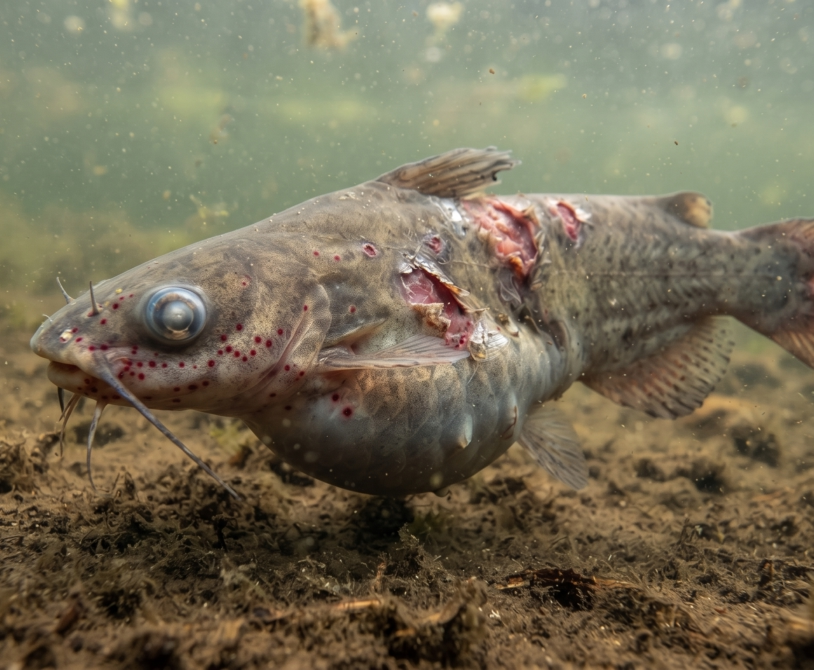
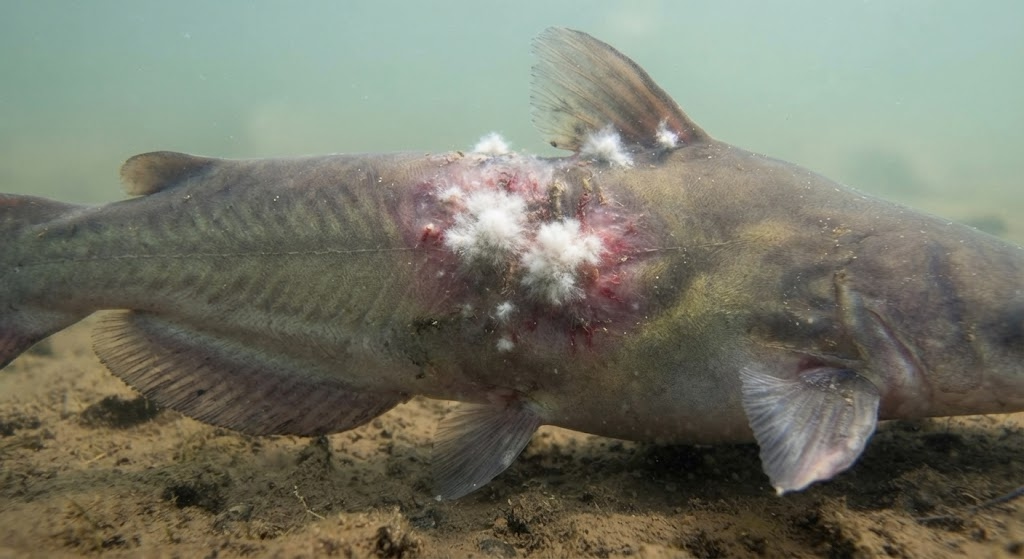
- Cotton-Like Growths: Fluffy, thread-like patches appearing on the skin, head, eyes, or fins. These growths vary in color from clean white to gray, brown, or green depending on trapped debris and algae.
- Skin Discoloration and Sloughing: The tissue surrounding the fungal patch frequently turns pale, gray, or inflamed with raw, reddish margins.
- Behavioral Red Flags: Lethargy, loss of appetite (going off-feed), sluggish movement near pond edges, and flashing (rubbing against surfaces to relieve skin irritation).
- Respiratory Distress: When the fungus colonizes the gill tissues, fish experience severe oxygen deprivation, causing them to gasp near the water surface or close to aerators.
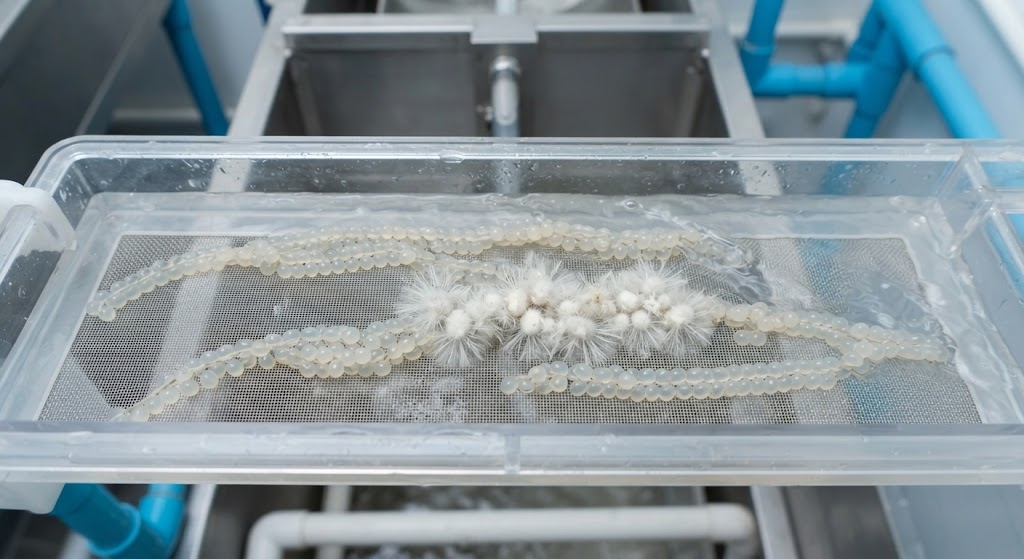
- Hatchery Egg Mortality: Infected egg masses in hatching troughs turn opaque, white, and fuzzy, rapidly spreading spores to adjacent healthy eggs.
2. Root Causes and Environmental Triggers
While Saprolegnia spores are naturally present in almost all water bodies, clinical outbreaks require specific pre-existing stressors to take hold:
- Handling and Mechanical Trauma: Abrasions from netting, grading, sorting, transport, or aggressive nipping strip away the fish’s protective outer slime coat (mucus layer), creating an ideal dead-tissue bed for fungal hyphae to colonize.
- Poor Water Quality: High concentrations of nitrogenous wastes (ammonia and nitrite) and low dissolved oxygen (DO) levels severely compromise the fish’s natural immune defenses.
- Pre-existing Infections: Primary damage caused by external parasites (such as Ich or flukes) or bacterial ulcers paves the way for secondary fungal establishment.
- Low Water Temperatures: Although various strains exist, many thrive and reproduce aggressively during colder weather shifts when fish metabolic and immune responses slow down.
- High Organic Loads: Excess unconsumed commercial feed and heavy fecal waste create a nutrient-dense environment that encourages spore proliferation.
3. Prevention Strategies
Proactive management and biosecurity are far more effective than trying to cure an advanced fungal outbreak:
- Minimize Handling Trauma: Handle fish gently during sorting and transport, utilizing knotless nets and maintaining minimal air exposure to protect the slime coat.
- Maintain Pristine Water Quality: Keep dissolved oxygen levels high (>4 mg/L), stabilize pH (6.5–8.5), and keep nitrogenous wastes near zero through consistent water exchange protocols.
- Control Organic Waste: Prevent the accumulation of excess feed and heavy fecal loads by managing feeding rates and removing dead fish daily.
- Strict Biosecurity and Disinfection: Quarantine incoming stock, regularly disinfect hatchery equipment and production tools, and apply approved prophylactic treatments in hatchery water supplies to protect sensitive egg masses.
Need Assistance?
Are you currently dealing with cotton wool disease, fungal growths, or unusual mortality rates in your catfish production system? Please contact us today for professional guidance, water quality troubleshooting, and tailored treatment strategies to protect your stock.