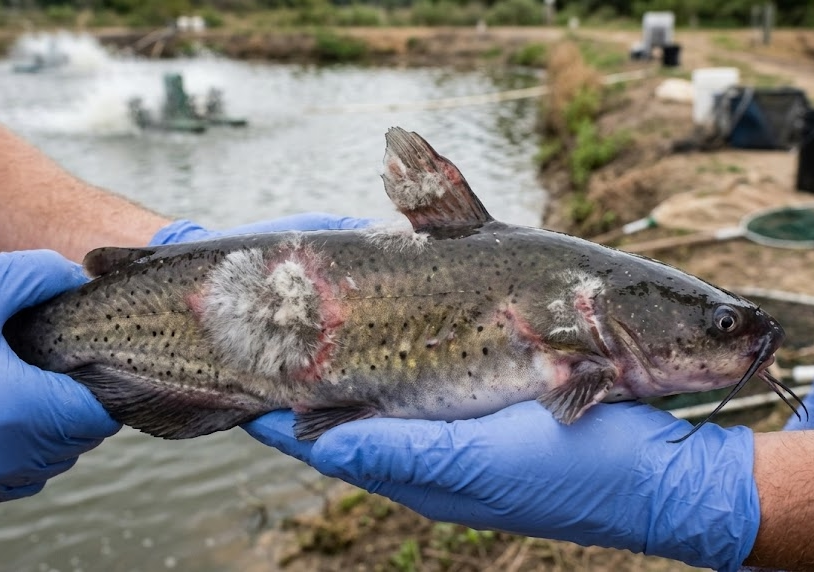
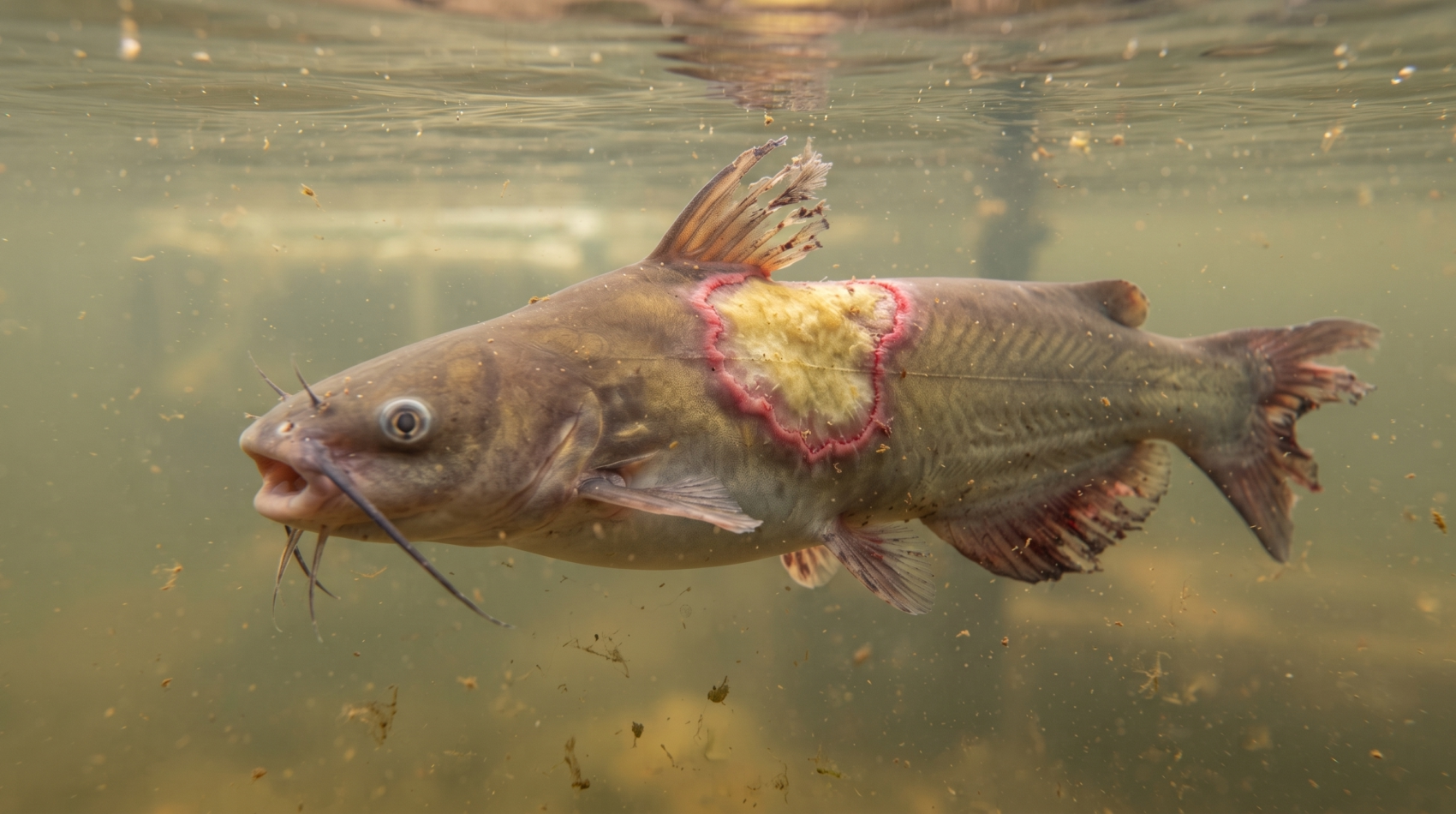
Columnaris Disease—often referred to as “cotton wool disease” or “saddleback”—is one of the most common and contagious freshwater fish diseases worldwide. Caused by the bacterium Flavobacterium columnare, it poses a severe threat to catfish aquaculture, particularly in warm-water production systems.
1. Pathogen Profile and Target Tissues
- The Pathogen: Flavobacterium columnare, a bacterium that thrives in warm aquatic environments (typically above 20°C / 68°F).
- Target Tissues: The infection primarily targets the skin, gills, and fins of the fish.
- Infection Dynamics: The bacteria are highly contagious and can spread rapidly through a population, causing heavy mortalities if left unmanaged.
2. Clinical Symptoms and Signs
Recognizing the hallmark physical and behavioral signs of Columnaris is critical for early intervention:
- Behavioral Indicators: Fish display lethargy, loss of appetite, and respiratory distress (gasping at the surface) if the gills are heavily colonized.
- The “Saddleback” Lesion: Characterized by distinct white, yellowish, or brownish patches across the dorsal area, frequently surrounded by a characteristic red margin.
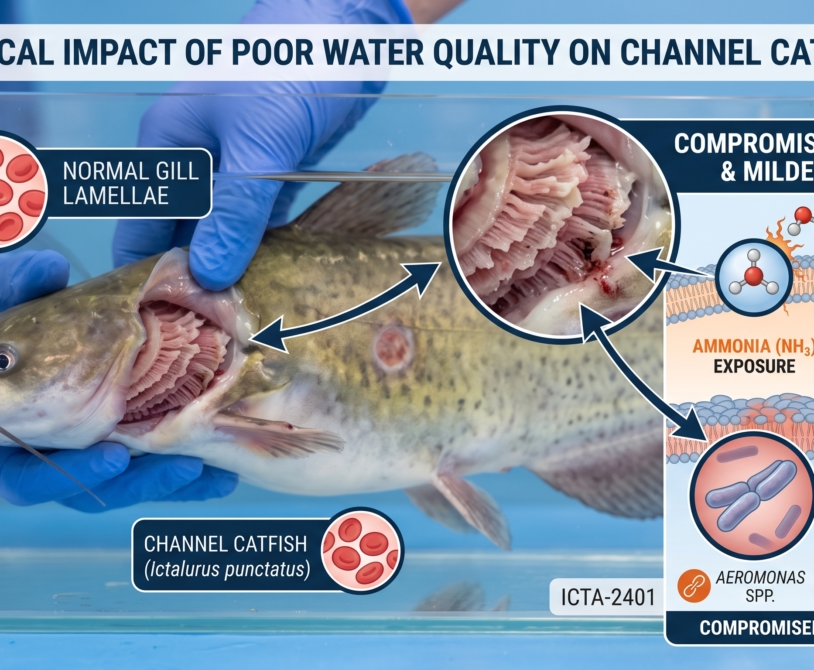
- External Pathology: Frayed, eroded, or “ragged” fins and tail rot, alongside necrosis of the gill tissue (turning pale or brown).
3. Environmental Triggers and Root Factors
While Flavobacterium columnare can be present in water systems, clinical outbreaks are typically triggered or accelerated by environmental stress:
- Warm Water Temperatures: The disease intensifies rapidly as water temperatures rise.
- Poor Water Quality: High levels of ammonia, nitrite, and low dissolved oxygen (DO) levels severely compromise the fish’s natural mucus barrier and immune defenses.
- Overstocking and Crowding: High stocking densities increase physical contact between fish and accelerate the transmission of the bacteria.
- Handling and Physical Trauma: Abrasions from netting, grading, or transport provide direct entry points for bacterial colonization.
4. Prevention and Control Strategies
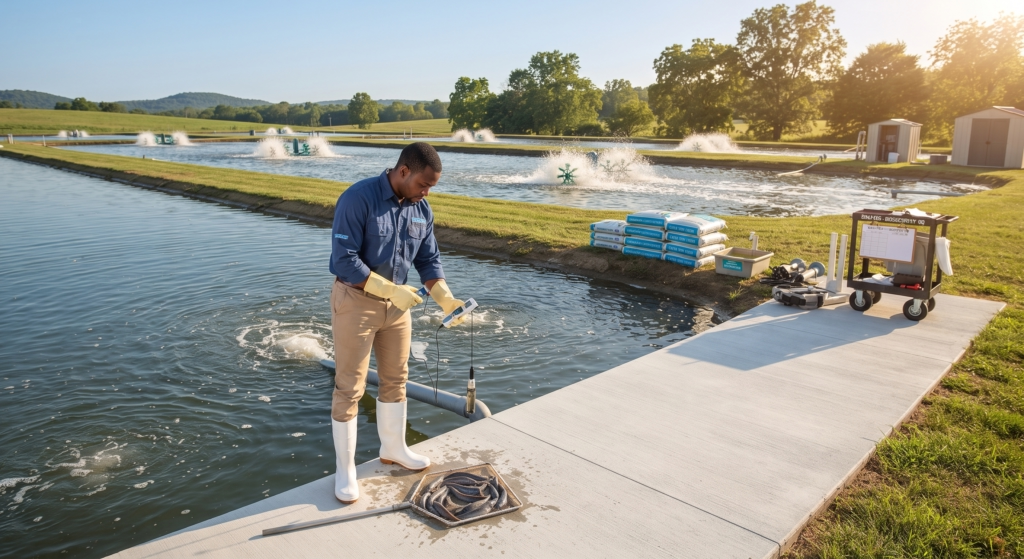
Managing Columnaris relies heavily on proactive environmental control and biosecurity:
- Water Quality Management: Maintain optimal dissolved oxygen levels, keep nitrogenous wastes near 0 ppm, and ensure consistent water exchange protocols.
- Stress Reduction: Handle fish with extreme care during sorting and transport to minimize skin abrasions and physical trauma.
- Stocking Density Control: Avoid overcrowding to reduce physical contact and prevent rapid pathogen transmission.
- Therapeutic Dips and Treatments: Salt baths (sodium chloride) or approved veterinary treatments are frequently utilized to help control external bacterial loads and reduce osmotic stress.
Are you currently observing any white patches, “saddleback” lesions, or fin rot on your catfish stock?