While bacterial pathogens and viral agents often dominate aquaculture discussions, fungal diseases represent a persistent and dangerous threat to catfish farming. Fungal infections can strike at any stage of production—from delicate eggs in hatchery troughs to market-size catfish in grow-out ponds. Because aquatic fungi are primarily opportunistic, they rarely attack healthy, unstressed fish; instead, they exploit existing physical injuries, poor water quality, or compromised immune systems.
1. Major Fungal Pathogens in Catfish
Several fungal species impact aquaculture, but one genus stands out as the primary culprit behind nearly all major freshwater fish infections.
A. Saprolegniasis (Saprolegnia species)
Saprolegniasis is by far the most common and economically damaging fungal disease in freshwater aquaculture, affecting species such as African catfish (Clarias gariepinus) and Channel catfish (Ictalurus punctatus).
- Target: Skin, fins, gills, and developing fish eggs.
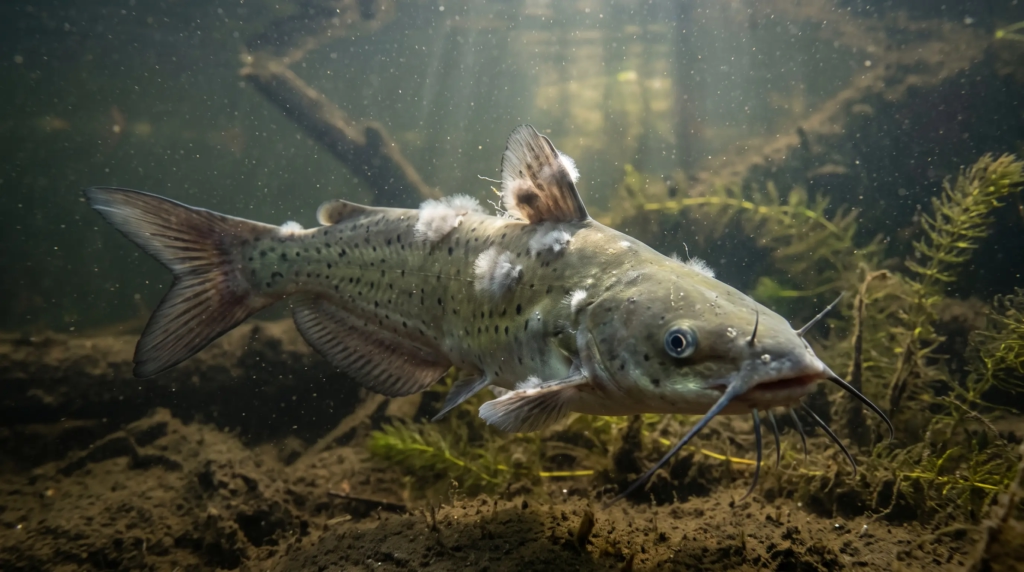
- Characteristics: It typically presents as distinct cotton-like, fuzzy patches that range in color from white to gray, brown, or green. Saprolegnia spores are ubiquitous in water and thrive across a wide range of temperatures, though they often proliferate rapidly during cooler weather shifts or early spring/late winter cycles.
2. Common Symptoms of Fungal Infections
Recognizing early warning signs is critical before a localized fungal patch spreads and leads to osmoregulatory failure or secondary bacterial invasion. General symptoms of fungal distress include:
- Visible Cotton-Like Growths: Patches of fluffy, thread-like mycelia growing on the skin, head, eyes, or fins.
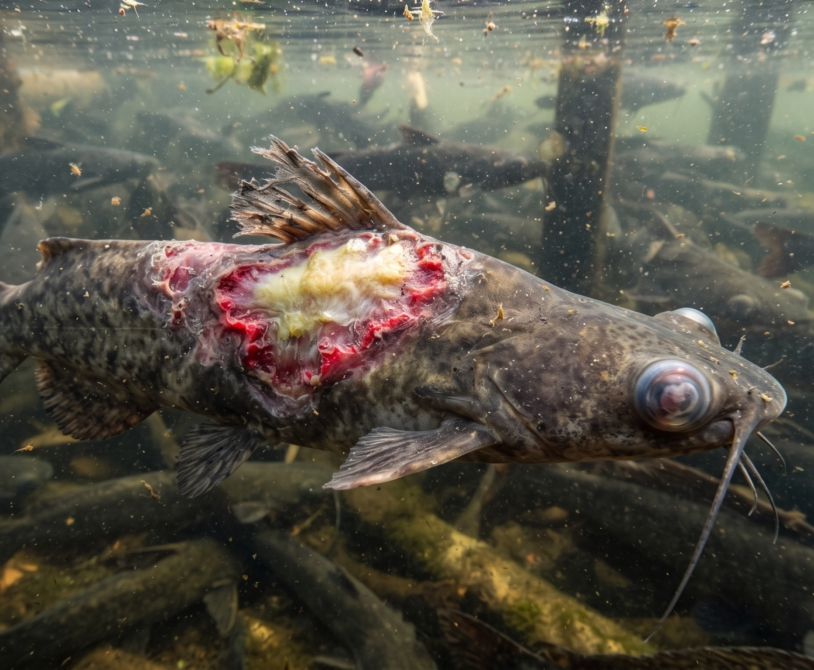
- Skin Discoloration and Sloughing: Areas around the fungal growth often appear pale, gray, or inflamed with raw red margins.
- Behavioral Changes: Lethargy, loss of appetite (going off-feed), sluggish movement near pond edges, and flashing (rubbing against surfaces to relieve irritation).
- Respiratory Distress: When Saprolegnia colonizes the gills, fish experience severe oxygen deprivation, causing them to gasp near the water surface or close to aerators.
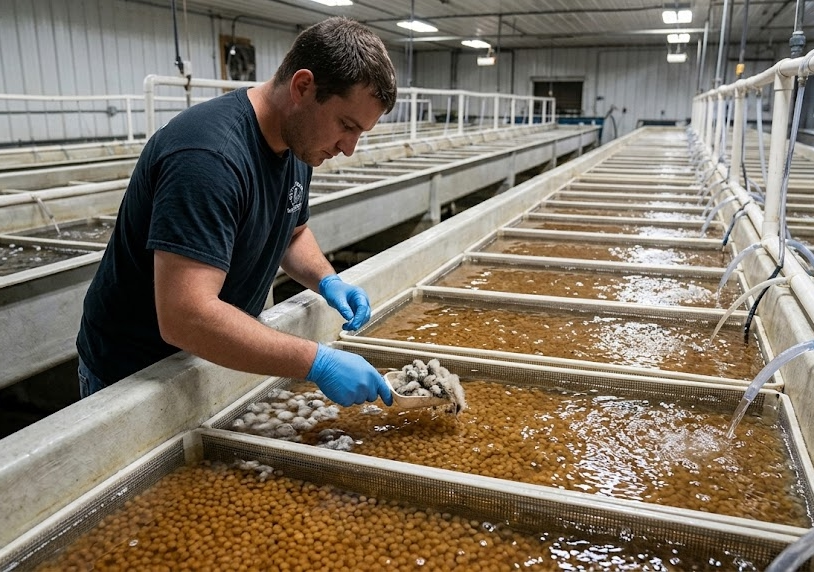
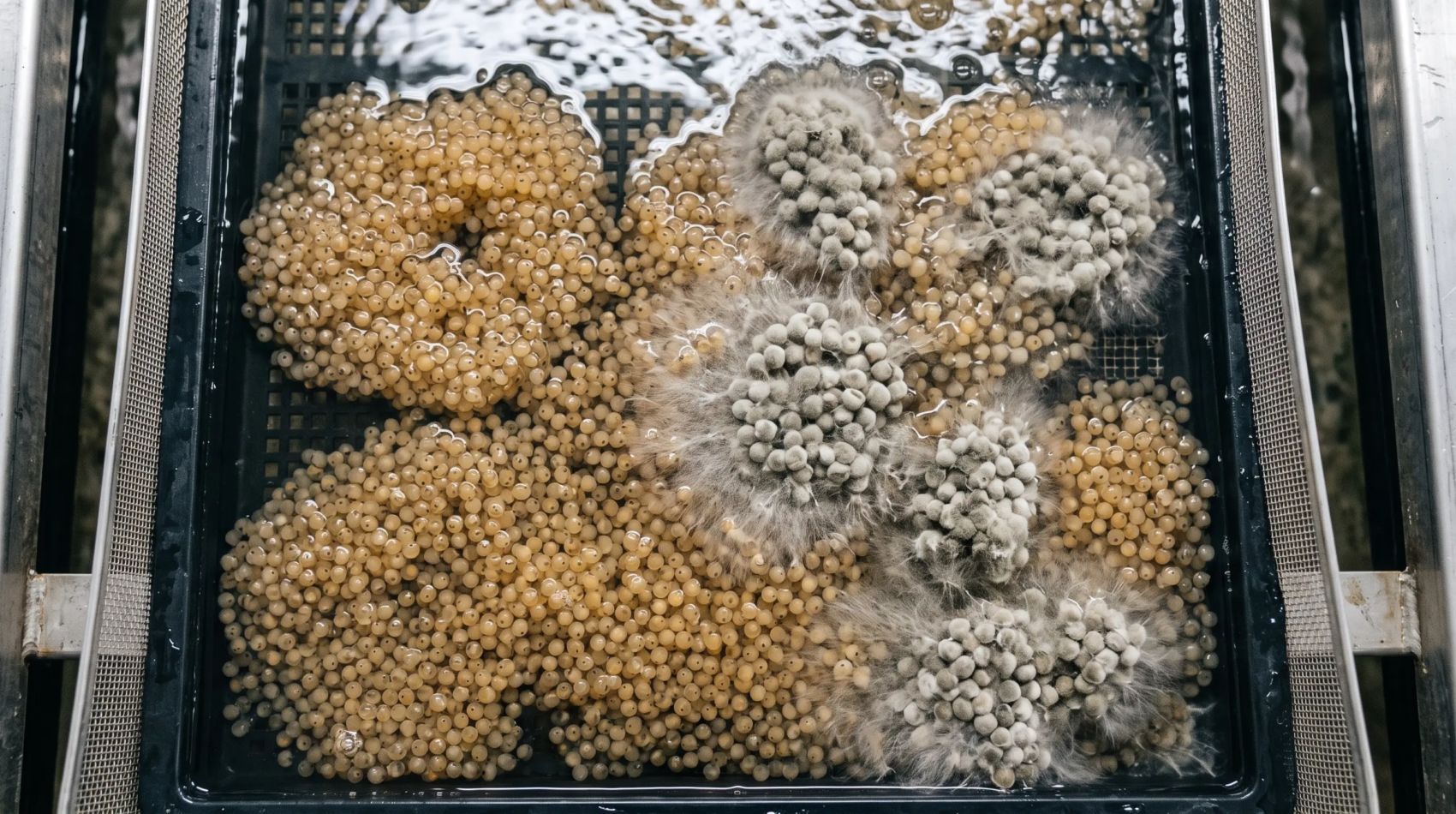
- Egg Mortality in Hatcheries: Infected egg masses in hatching trays turn opaque, white, and fuzzy, rapidly spreading the fungus to adjacent healthy eggs.
3. Root Causes and Risk Factors
Fungal spores are a natural component of aquatic ecosystems. An outbreak requires specific environmental or physical triggers to take hold:
- Physical Trauma and Handling Stress: Abrasions from netting, grading, sorting, transport, or aggressive nipping strip away the fish’s protective outer slime coat (mucus layer), providing a direct entry point for fungal hyphae.
- Poor Water Quality: High concentrations of nitrogenous wastes (ammonia and nitrite) and low dissolved oxygen (DO) levels severely compromise the fish’s natural immune defenses.
- Pre-existing Parasitic or Bacterial Infections: Primary damage caused by external parasites (such as Ich or flukes) or bacterial ulcers creates ideal dead tissue beds where fungi can easily establish.
- Low Water Temperatures: While Saprolegnia can grow across various temperatures, many strains thrive and reproduce aggressively in colder water when fish metabolism and immune responses slow down.
- High Organic Loads: Excess unconsumed commercial feed and heavy fecal waste create a nutrient-dense environment that encourages spore proliferation.
4. Prevention: The Best Defense
In aquaculture, proactive management and biosecurity are far more effective than trying to cure an advanced fungal outbreak.
- Minimize Handling Trauma: Handle fish gently during grading and transport, utilizing knotless nets and maintaining minimal air exposure to protect the slime coat.
- Maintain Pristine Water Quality: Keep dissolved oxygen levels high (>4 mg/L), stabilize pH (6.5–8.5), and keep nitrogenous wastes near zero through consistent water exchange protocols.
- Control Organic Waste: Prevent the accumulation of excess feed and heavy fecal loads by managing feeding rates and removing dead fish daily.
- Strict Biosecurity and Disinfection: Quarantine incoming stock, regularly disinfect hatchery equipment and production tools, and apply approved prophylactic treatments in hatchery water supplies to protect sensitive egg masses.
5. Treatment Protocols
When a fungal outbreak occurs, rapid intervention can save the stock and prevent widespread mortality.
- Therapeutic Salt Baths: Salt (sodium chloride) treatments help reduce osmotic stress and effectively control mild external fungal and parasitic loads.
- Approved Chemical Treatments: Historically, formalin and potassium permanganate have been utilized under strict veterinary guidance to treat external fungal infections in production systems and hatcheries. Always adhere to local regulations and withdrawal periods before harvesting fish for consumption.
- Removal of Infected Material: Promptly remove heavily infected fish or dead eggs to drastically reduce the concentration of active fungal spores in the water column.
Need Assistance?
Are you currently dealing with fungal growths, cotton-like lesions, or unusual mortality rates in your catfish production system? Please contact us today for professional guidance, water quality troubleshooting, and tailored treatment strategies to protect your stock.