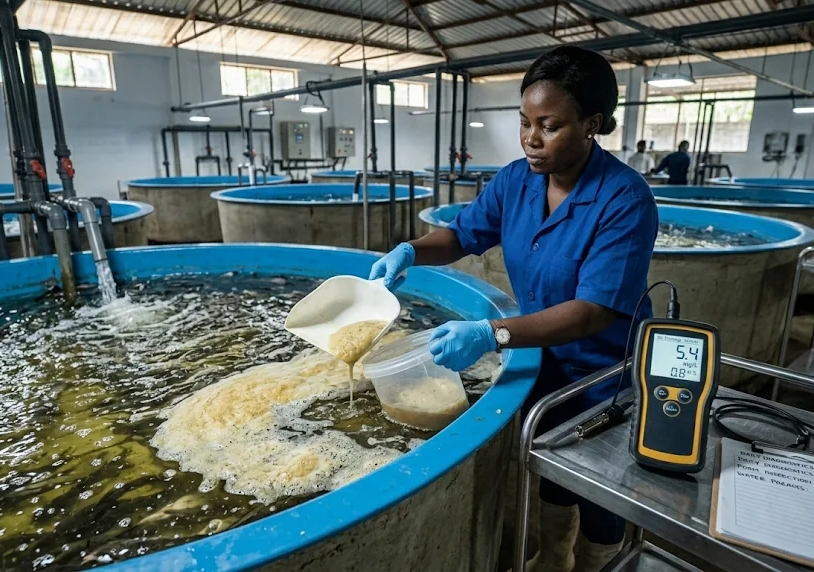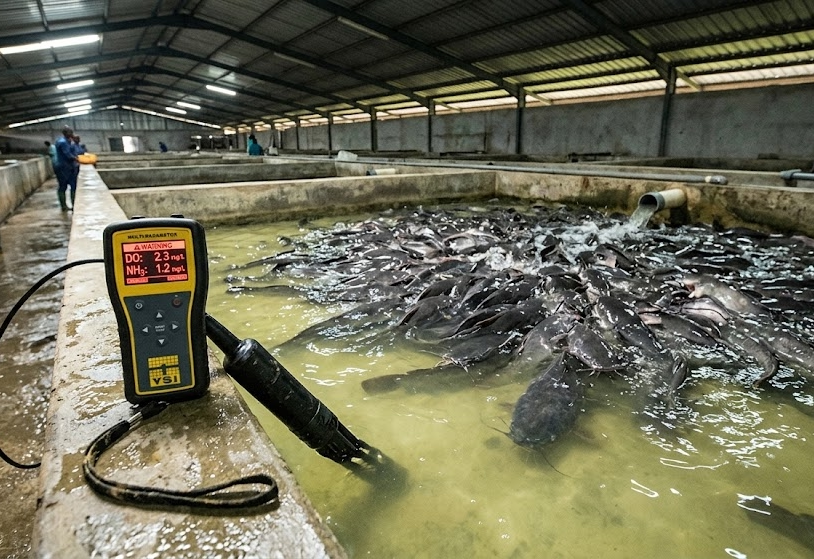
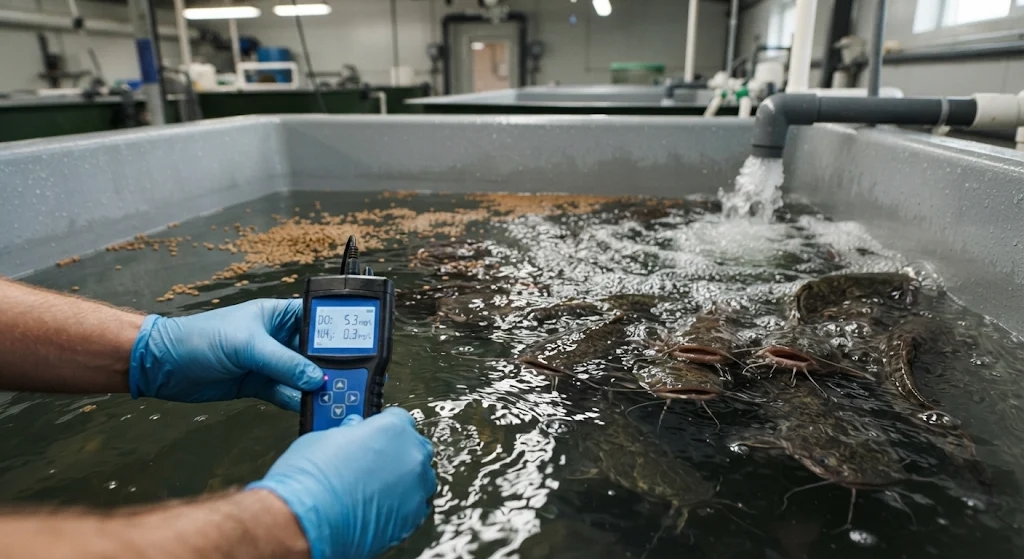
In catfish aquaculture, a sudden or gradual drop in feed consumption is often the very first alarm bell indicating a health crisis. While water quality issues like low dissolved oxygen or elevated ammonia can suppress appetite, parasitic infections—both external and internal—are among the leading biological drivers of feeding disruption in African catfish (Clarias gariepinus) and Channel catfish (Ictalurus punctatus).
Understanding how different parasites interfere with feeding behavior helps farmers intervene before severe stunting and stock mortality occur.
1. How External and Gill Parasites Suppress Appetite
External pathogens (such as protozoans, skin flukes, fish lice, and anchor worms) do not live inside the digestive tract, yet they inflict heavy damage that directly shuts down feeding behavior:
- Severe Respiratory Stress and Suffocation: Gill-dwelling parasites like Dactylogyrus or protozoans destroy delicate gill architecture and choke the filaments with heavy mucus. Deprived of oxygen, fish experience acute respiratory distress, abandoning the water surface or feeding zones to gasp for air near water inlets. Feeding activity ceases entirely during severe respiratory crises.
- Constant Irritation and Flashing: The physical torment of parasites grazing on the skin forces fish to spend all their energy frantically flashing and scraping against pond walls or bottom substrates. This exhausting behavior diverts focus away from foraging and feeding.
- Secondary Stress and Lethargy: Chronic skin irritation triggers a massive cortisol (stress hormone) release, driving fish into a lethargic, isolated state where they ignore commercial feed completely.
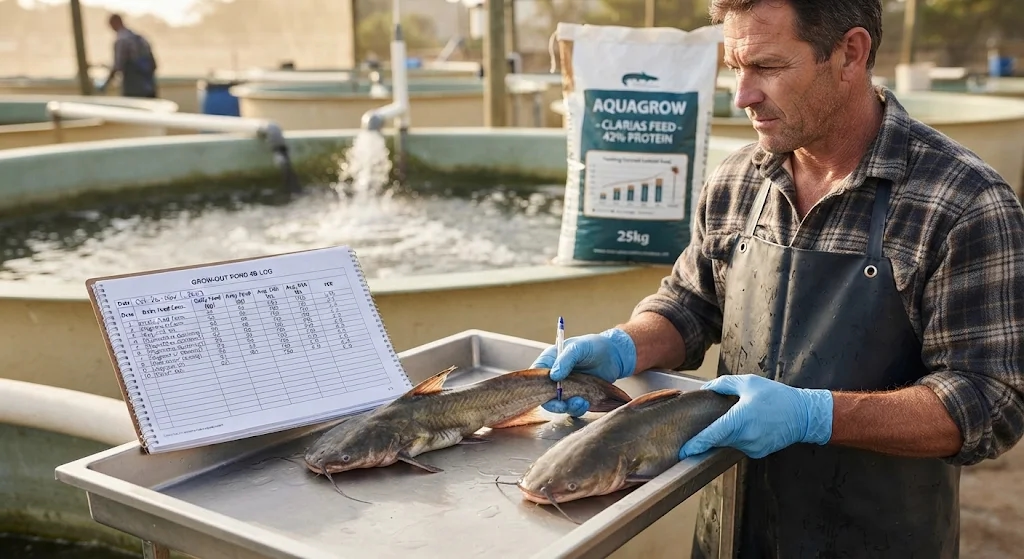
2. How Internal Parasites Alter Appetite and Nutrition
Internal parasites (such as nematodes, tapeworms, and digenean trematodes) interact with the host’s appetite in more complex, deceptive ways:
- The “Ravenous Yet Wasting” Paradox: Many internal parasites—particularly tapeworms (Polyonchobothrium) and roundworms (Procamallanus)—reside in the gut and siphon away incoming nutrients. Consequently, infected fish often maintain a normal or even voracious, insatiable appetite, yet continue to lose weight and develop sunken bellies because the parasites steal their food.
- Severe Anorexia in Advanced Infections: When internal parasite burdens become overwhelming, causing extensive tissue damage, enteritis, and secondary bacterial complications, the gut becomes severely inflamed. At this stage, fish experience complete appetite loss (anorexia), rapid emaciation, and terminal wasting.
- Visceral Organ Impairment: Parasites that migrate through or encyst in vital metabolic organs like the liver disrupt normal digestion, lipid metabolism, and enzyme production, dulling the fish’s natural feeding drive.
3. Production Consequences of Appetite Disruption
When parasites interfere with normal feeding dynamics, farm productivity suffers across several fronts:
- Deteriorating Feed Conversion Ratios (FCR): Feed represents the single highest operational cost in catfish farming. When fish consume feed only to nourish internal parasites or refuse to eat due to gill stress, the FCR skyrockets, destroying profit margins.
- Uneven Sizing and Size Dispersion: Parasitic infections rarely strike every fish equally. Aggressive or healthier fish may continue to feed, while parasitized fish stop eating. This creates severe size variation within the pond, necessitating constant, stressful grading and sorting.
Need Assistance?
Are you noticing sudden drops in feed consumption, erratic surface gasping, flashing, or uneven growth in your catfish production system? Please contact us today
for professional diagnostic support, water quality evaluation, and tailored parasite control programs to restore your stock’s health and appetite.