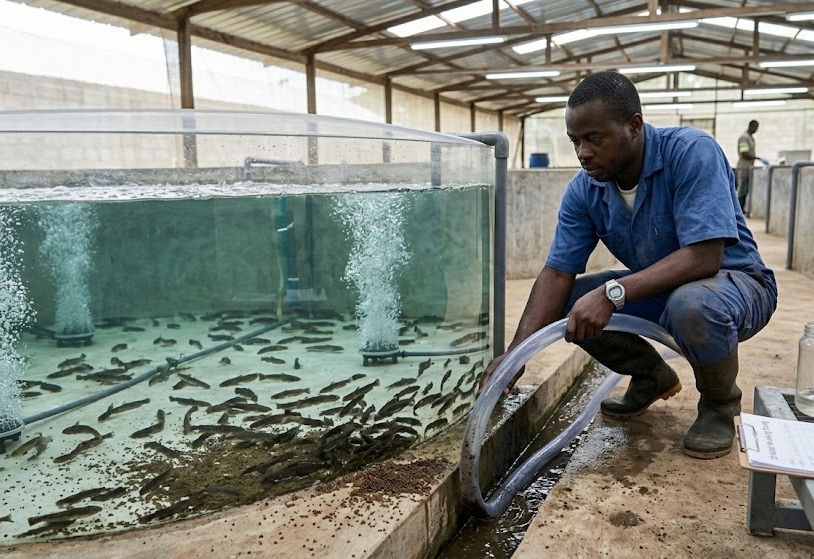
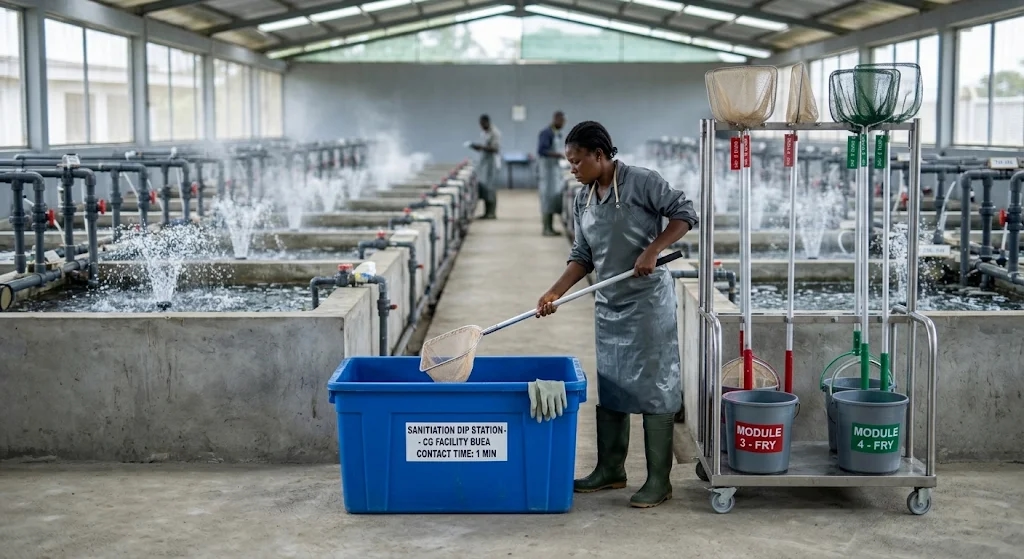
Disease prevention in catfish hatcheries is essential for producing healthy fry and fingerlings, reducing mortality and maintaining consistent production. Young catfish can be vulnerable to poor water quality, infectious organisms, handling stress, and unsuitable feeding conditions.
A hatchery prevention programme should focus on maintaining stable rearing conditions, preventing the introduction and spread of pathogens, monitoring fish health and responding quickly when abnormalities appear.
Prevention is generally more effective than waiting until disease has spread through a population. However, no single measure can eliminate every disease risk; successful prevention requires several practices working together.
Why Disease Prevention Is Important in Catfish Hatcheries
Catfish hatcheries often contain large numbers of eggs, fry and fingerlings in tanks, troughs, ponds or other rearing systems. When water is shared or equipment moves between production units, disease risks can extend beyond a single batch.
Poor management may contribute to:
- Increased mortality among eggs, fry and fingerlings.
- Reduced feeding and slower growth.
- Uneven development and poor survival.
- Greater susceptibility to environmental stress.
- Spread of infectious organisms between rearing units.
- Additional costs for treatment, replacement stock, and production losses.
Preventive management helps farmers identify risks before they develop into serious production problems.
1. Maintain Good Water Quality
Water quality is one of the most important factors in hatchery health. Poor conditions can stress young fish, damage gills, and create circumstances in which disease problems become more severe.
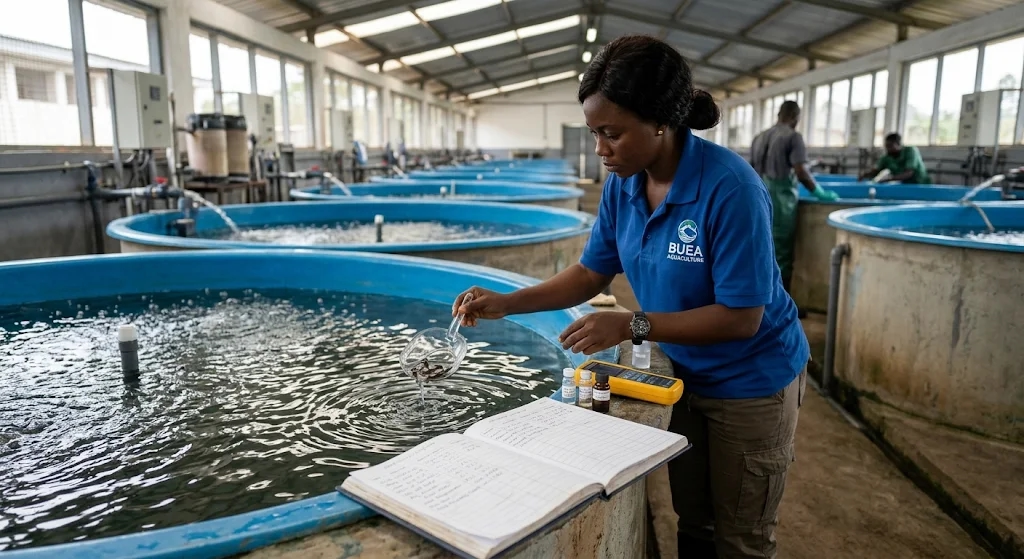
Monitor the following parameters according to the requirements of the fish, their developmental stage, and the hatchery system.
Dissolved Oxygen
Ensure that oxygen supply and water circulation are adequate for the number of fish present. Check aeration equipment regularly and investigate any sudden change in fish behaviour.
Ammonia and Nitrite
Fish waste, uneaten feed, and biological processes can contribute to ammonia and nitrite accumulation. Test these parameters regularly, particularly when stocking density or feeding levels increase.
pH and Temperature
Avoid sudden changes in pH and temperature. Check incoming water before using it for water replacement or transferring eggs and fish.
Organic Waste
Remove excessive uneaten feed, dead eggs, and other waste carefully. Organic material can deteriorate water quality and increase the oxygen demand of the system.
Water testing should be supported by written records so that gradual changes and recurring problems can be recognised.
2. Use Healthy Broodstock and Quality Eggs
Disease prevention begins before eggs hatch.
Broodstock that are unhealthy or heavily stressed may produce poor-quality eggs and can introduce infectious organisms into the hatchery. Eggs obtained from external suppliers may also carry risks if their health status and handling history are unknown.
Good practices include:
- Inspect broodstock regularly for signs of illness or injury.
- Obtain broodstock and eggs from reliable sources.
- Keep records of suppliers, spawning dates and egg batches.
- Avoid moving visibly sick fish into breeding populations.
- Follow appropriate health-screening procedures where available.
- Handle broodstock and eggs carefully to minimise physical damage.
Normal appearance alone does not guarantee that broodstock or eggs are free of pathogens. Where disease risk is significant, professional health assessment may be appropriate.
3. Keep Hatchery Equipment Clean
Equipment can transfer pathogens, organic waste, and contaminated water between production units.
Items requiring routine cleaning include:
- Nets and fish-handling equipment.
- Buckets and transfer containers.
- Grading equipment.
- Feeding utensils.
- Water pipes and removable fittings.
- Tank surfaces and other reusable materials.
Whenever possible, dedicate equipment to individual tanks or production areas.
Cleaning and disinfection are different processes. Organic material should be removed before applying an appropriate disinfectant. The product must be suitable for the equipment and intended use, and treated surfaces or equipment should be rinsed or prepared according to its label before fish are exposed.
Never apply disinfectants directly to stocked tanks unless the product is specifically approved for that use and the application is professionally justified.
4. Control the Movement of Fish and Water
Moving fish, eggs, equipment, and water between locations can introduce pathogens into a previously healthy hatchery.
To reduce this risk:
- Obtain new stock from reputable sources.
- Keep newly acquired fish separate for an appropriate observation and quarantine period.
- Avoid sharing untreated water between batches.
- Clean and disinfect transport containers and equipment appropriately.
- Inspect fish before introducing them to established populations.
- Keep records of fish movements and the origin of each batch.
Water entering the hatchery should be assessed for its suitability and potential contamination risks. Where required, use a treatment system appropriate for the source water and the hatchery’s production design.
5. Apply Appropriate Quarantine Procedures
Quarantine helps prevent diseases from newly introduced fish from spreading to established stock.
New fingerlings or broodstock should be kept in a separate, appropriately managed area before they are introduced to the main production system.
Effective quarantine should include:
- Separate tanks or facilities where practical.
- Dedicated equipment for quarantined fish.
- Regular observation for abnormal swimming, skin lesions, respiratory distress, and reduced feeding.
- Water-quality monitoring.
- Records of mortality and other health changes.
- Professional assessment if disease is suspected.
The quarantine period should reflect the source of the fish, disease risks, and relevant professional guidance. A fixed number of days cannot guarantee that every infection will become visible.
Do not mix quarantined fish with healthy stock simply because they appear normal.
6. Avoid Overstocking
Excessive stocking density can increase oxygen demand, waste accumulation, and competition for resources. It can also make disease monitoring and removal of affected fish more difficult.
The appropriate stocking density depends on factors such as:
- Fish size and developmental stage.
- Tank or pond design.
- Water exchange and circulation.
- Aeration capacity.
- Filtration and waste removal.
- The hatchery’s ability to monitor and manage the population.
Stocking decisions should be based on the capacity of the complete system rather than tank volume alone.
7. Use Suitable Feed and Feeding Practices
Feed supports growth and development, but poor feeding practices can contribute to water-quality deterioration and poor fish condition.
Preventive feeding practices include:
- Using feed appropriate for the developmental stage.
- Ensuring feed is stored in suitable conditions.
- Avoiding feed that is mouldy, spoiled or contaminated.
- Adjusting feeding practices to observed consumption and fish condition.
- Removing excessive uneaten feed where practical.
- Monitoring feeding response daily.
A sudden decline in feeding activity can be an early indication of environmental stress or disease. Investigate the cause rather than simply increasing the feed ration.
8. Remove Dead Eggs and Dead Fish Promptly
Dead eggs and fish can decompose and contribute to organic loading. They may also complicate the investigation of a hatchery disease problem.
Inspect eggs, fry and fingerlings regularly, and remove dead material using clean, dedicated equipment.
Dispose of dead fish and contaminated material according to appropriate local requirements. Do not transfer potentially contaminated waste into other production units or return it to the water supply.
Record unusual mortality, including the affected batch, approximate number of losses, and the time the problem was observed.
9. Monitor Fish Health Every Day
Daily observation allows hatchery workers to detect changes before a problem becomes widespread.
Watch for:
- Reduced feeding response.
- Abnormal swimming or loss of balance.
- Gasping at the water surface.
- Unusual clustering or isolation.
- Skin lesions or visible growths.
- Abnormal gill appearance.
- Unexpected mortality.
- Changes in growth or body condition.
These signs do not identify a specific disease on their own. They should trigger further observation and investigation.
When symptoms appear, compare affected tanks with apparently healthy units. Differences in water quality, stocking, feed, recent handling or equipment operation may help identify the cause.
10. Respond Quickly to Suspected Disease
When disease is suspected, early investigation can help reduce losses and prevent further spread.
A practical response should include:
- Record the signs. Note when the problem started and which batches are affected.
- Check water quality. Measure dissolved oxygen, ammonia, nitrite, pH, and temperature as appropriate.
- Review recent activities. Consider new stock, transfers, feeding changes, water replacement, and equipment problems.
- Separate affected stock when appropriate. Use a suitable isolation system and dedicated equipment without creating additional stress.
- Seek professional diagnosis. A fish-health professional or diagnostic laboratory may need to examine samples.
- Follow diagnosis-based recommendations. Use medicines or other treatments only when appropriate for the confirmed or professionally assessed problem.
- Review biosecurity practices. Determine how the problem may have entered or spread through the hatchery.
Avoid routine, indiscriminate use of antibiotics or other chemicals. Incorrect treatment can harm fish, affect water quality, delay diagnosis, or contribute to antimicrobial resistance.
11. Train Hatchery Workers
Biosecurity measures are effective only when the people working in the hatchery understand and follow them.
Workers should be trained to:
- Recognise early signs of fish stress and disease.
- Measure and record water-quality parameters.
- Clean equipment correctly.
- Follow quarantine and movement procedures.
- Handle eggs, fry and fingerlings carefully.
- Report abnormal behaviour and mortality immediately.
- Follow the hatchery’s procedures for suspected disease outbreaks.
Written procedures and simple daily checklists can make these practices more consistent.
12. Keep Hatchery Health Records
Accurate records help farmers recognise recurring problems and evaluate whether preventive measures are working.
Useful records include:
| Record | Information to capture |
|---|---|
| Stock origin | Supplier, source and arrival date |
| Egg and fry batches | Batch identification, spawning or hatching date |
| Water quality | Test date, readings and corrective actions |
| Feeding | Feed type, feeding schedule and observed response |
| Mortality | Number of losses, date and affected unit |
| Treatments | Reason, product, authorised instructions and response |
| Equipment | Cleaning, maintenance and disinfection activities |
| Fish movements | Transfers between tanks, ponds or facilities |
Records should be accurate enough to connect a health problem with the affected batch and its recent history.
Common Mistakes in Catfish Hatchery Disease Prevention
Some management practices can undermine an otherwise good prevention programme.
- Introducing new fish without appropriate quarantine.
- Sharing equipment between tanks without proper cleaning.
- Ignoring small increases in mortality.
- Relying on visual water clarity instead of testing.
- Overfeeding and allowing organic waste to accumulate.
- Stocking more fry than the system can support.
- Making sudden changes to water conditions.
- Treating symptoms without investigating the underlying cause.
- Using chemicals without checking their suitability for eggs or fry.
- Failing to record disease events and corrective actions.
Avoiding these mistakes improves the hatchery’s ability to detect and control problems early.
Frequently Asked Questions
What is the most important method of preventing disease in catfish hatcheries?
There is no single measure that prevents every disease. Good water quality, healthy stock, appropriate stocking density, clean equipment, quarantine and regular health monitoring work together to reduce risk.
Can clean water prevent all catfish fry diseases?
No. Good water quality reduces environmental stress but cannot eliminate every parasite, bacterium, fungus, or other infectious agent. Biosecurity and health monitoring are also necessary.
How often should catfish fry be inspected?
Fry should be observed routinely during daily hatchery operations, including feeding and water-quality checks. More frequent monitoring may be necessary during hatching, transfer, environmental changes, or suspected disease outbreaks.
Should antibiotics be used routinely to prevent disease?
Routine antibiotic use without an appropriate indication is not recommended. Prevention should prioritise husbandry, water quality and biosecurity. Veterinary or qualified aquatic animal health guidance should determine whether an antimicrobial treatment is justified.
Why is quarantine important for new fingerlings?
New fish can carry infectious organisms without obvious external symptoms. Quarantine provides an opportunity to observe their condition and investigate potential health problems before they are introduced to established stock.
Conclusion
Preventing disease in catfish hatcheries requires consistent attention to water quality, stock health, equipment hygiene, quarantine, feeding, stocking density and daily monitoring.
When abnormal behaviour or mortality appears, farmers should investigate environmental conditions promptly and seek a proper diagnosis rather than relying on unverified treatments. Strong biosecurity procedures, trained workers, and accurate records help protect fry and fingerlings throughout the hatchery production cycle.