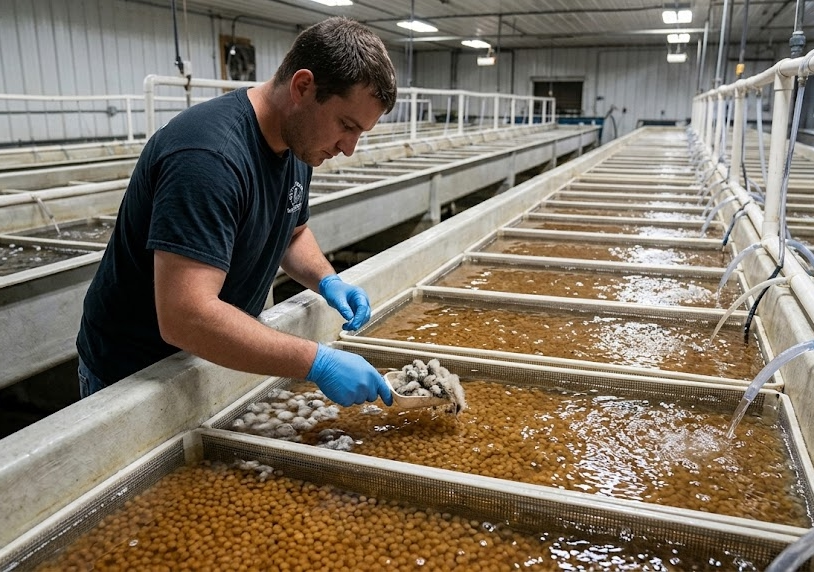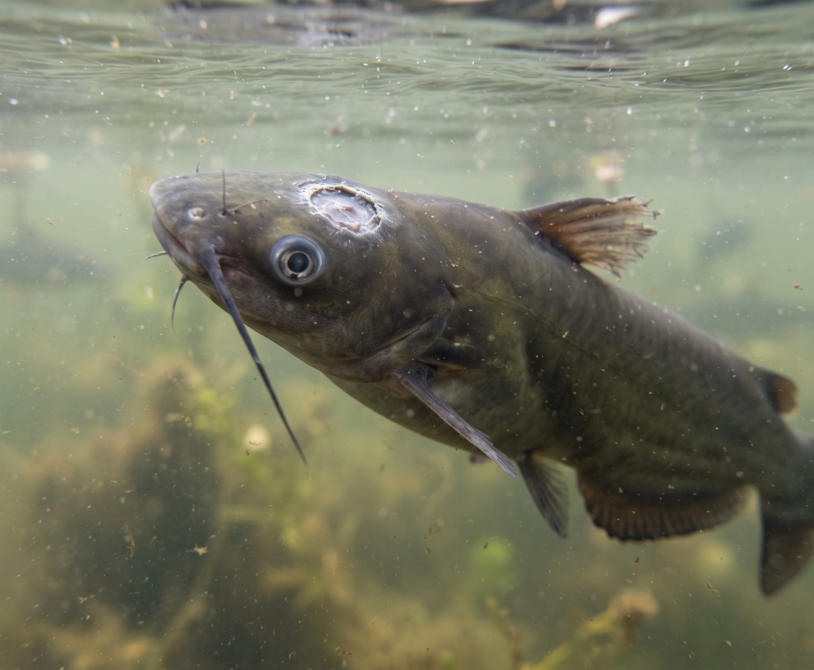
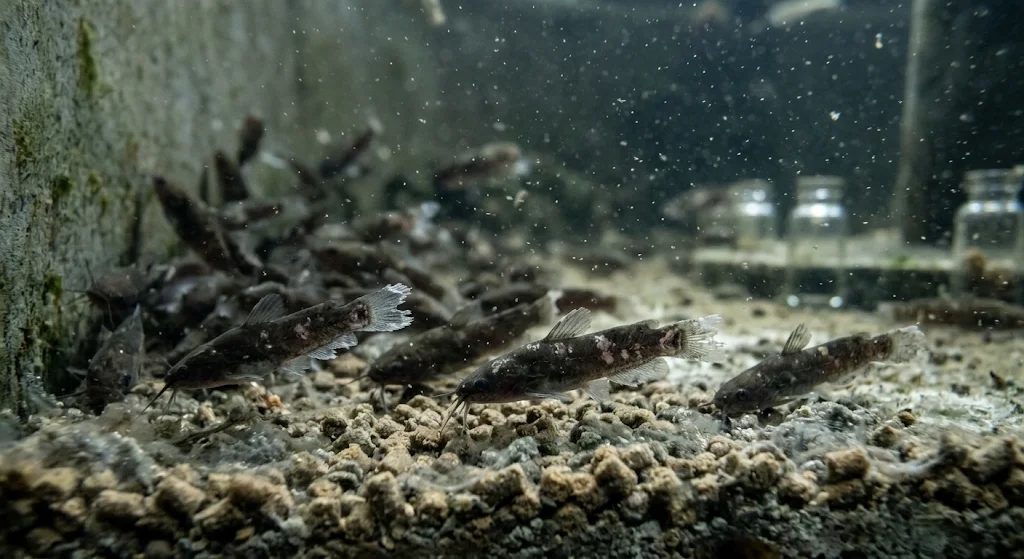
Bacterial disease is a potential cause of illness and mortality in catfish fry. In African catfish hatcheries and nursery systems, bacterial infections can affect the skin, fins, gills, or internal organs, depending on the bacteria involved and the fish’s condition.
Fry experiencing poor water quality, physical injury, overcrowding, or handling stress may be more vulnerable to disease. However, bacterial infection should not be assumed whenever fry become weak or begin dying. Environmental problems and other infections can produce similar symptoms.
Common Causes of Bacterial Disease in Catfish Fry
Bacterial disease can develop when pathogenic bacteria infect susceptible fish. Several conditions may increase the risk of an outbreak.
1. Poor Water Quality
Low dissolved oxygen, accumulated waste, and unsuitable water conditions can stress fry and compromise their ability to withstand disease.
Excess feed and organic waste may also contribute to deteriorating water quality.
Prevention: Monitor water quality, maintain appropriate aeration, and remove excess waste. Investigate changes in feeding or swimming behaviour promptly.
2. Overcrowding
High stocking density can increase stress, competition and waste accumulation. Under unsuitable conditions, these factors may contribute to disease outbreaks and make effective management more difficult.
Prevention: Match stocking density to the capacity of the production system, including its aeration, water circulation, and waste-removal capabilities.
3. Physical Injury and Handling Stress
Damaged skin and fins can provide opportunities for certain bacteria to invade tissue. Rough handling during grading, sorting, or transfer may increase injury and stress.
Prevention: Minimize unnecessary handling and use suitable procedures when moving or grading fry.
4. Inadequate Nutrition
Poor-quality feed, unsuitable feed size, or inconsistent feeding may contribute to poor growth and reduced condition. Nutrition problems can occur alongside infectious disease.
Prevention: Provide appropriate feed for the developmental stage, store it correctly, and avoid excessive feeding that deteriorates water quality.
5. Introduction of Infected Fish or Contaminated Equipment
Infectious agents may enter a hatchery through newly acquired fish, contaminated water, or inadequately cleaned equipment.
Prevention: Obtain fish from reliable sources, quarantine new stocks where practical, and maintain appropriate cleaning and disinfection procedures.
Symptoms of Bacterial Disease in Catfish Fry
Symptoms depend on the organism involved, the severity of infection, and the condition of the fish.
Possible warning signs include:
- Reduced feeding or complete loss of appetite.
- Weakness and reduced activity.
- Abnormal swimming or loss of balance.
- Reddened areas, ulcers or other skin lesions.
- Damaged fins.
- Gill abnormalities or rapid breathing.
- Increasing mortality within a fry batch.
These signs are not specific to bacterial disease. Low oxygen, ammonia exposure, parasites, and other conditions may produce similar changes.
How Bacterial Disease Affects Catfish Fry
Bacterial infections can affect hatchery performance in several ways.
Reduced Survival
Severe infections may cause deaths, reducing the number of healthy fry available for stocking.
Poor Growth
Fry that eat less or experience prolonged illness may grow more slowly than healthy fish.
Uneven Development
Differences in health and feeding response may lead to uneven sizes within a batch, complicating grading and nursery management.
Increased Production Costs
Disease outbreaks may require additional diagnostic work, labour, water-quality management and preventive measures.
The impact depends on the infection, environmental conditions, and how quickly the underlying problem is identified.
How to Diagnose Bacterial Disease in Catfish Fry
Accurate diagnosis helps distinguish bacterial infection from environmental stress and other diseases.
Step 1: Observe Behaviour and Appearance
Check feeding response, swimming, breathing, skin condition, and the distribution of affected fry. Record when the first symptoms appeared and whether mortality is increasing.
Step 2: Test Water Quality
Measure dissolved oxygen, ammonia, nitrite, pH, and temperature. Review aeration, water circulation, stocking density and waste accumulation.
Correct urgent water-quality problems even if an infectious disease is also suspected.
Step 3: Examine Affected Fry
Inspect the skin, fins, and gills for abnormalities. External symptoms may suggest a problem but cannot reliably identify the responsible bacterium.
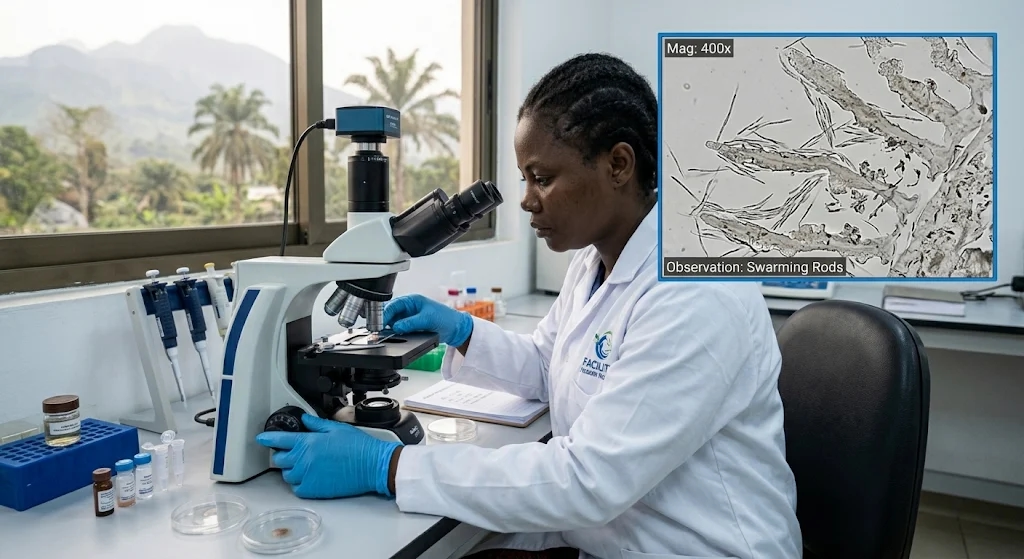
Step 4: Seek Laboratory Diagnosis
A qualified fish-health professional may recommend laboratory examination, bacterial culture, or other diagnostic testing. This can help establish whether bacteria are responsible and inform treatment decisions.
Step 5: Review Recent Farm Activities
Check for recent stocking, handling, water replacement, feeding changes, or introduction of new fish. These events may reveal conditions that contributed to the outbreak.
How to Manage Bacterial Disease in Catfish Fry
Management should address both the suspected infection and the conditions affecting the fry.
- Improve water quality: Restore adequate aeration and correct identified water-quality problems.
- Remove dead fry promptly: Dispose of dead fish safely according to local guidance.
- Reduce handling stress: Avoid unnecessary grading and transfers during an outbreak.
- Review stocking density: Assess whether the system can support the current number and size of fry.
- Maintain hygiene: Clean equipment appropriately and prevent contamination between production units.
- Seek professional advice: Obtain a diagnosis when mortality increases, or symptoms persist.
Use Antibiotics Responsibly
Antibiotics are not a universal solution for sick catfish fry. They are appropriate only when a bacterial infection is sufficiently established, and the selected product is suitable for the intended fish and production system.
Unnecessary or incorrect use can contribute to antimicrobial resistance, harm fish or the environment, and delay effective management. Follow qualified veterinary or aquaculture guidance and applicable local regulations.
How to Prevent Bacterial Disease in Catfish Fry
Maintain Good Water Quality
Monitor water conditions regularly and respond promptly to changes in oxygen, ammonia, nitrite, pH and temperature. Remove accumulated waste and maintain suitable water circulation.
Maintain Hatchery Hygiene
Clean tanks, nets, containers, and other equipment appropriately. Avoid moving contaminated water or equipment between batches without suitable cleaning and disinfection.
Use Healthy Stock
Source fry from reliable hatcheries and observe new batches for signs of illness. Quarantine new fish where practical before introducing them to established stocks.
Feed Fry Appropriately
Provide suitable feed for their developmental stage and avoid overfeeding. Proper feeding supports growth while helping prevent unnecessary organic waste.
Minimize Injury
Handle fry carefully during transfer, grading and sampling. Avoid unnecessary disturbance, especially when fish are already stressed.
Keep Production Records
Record mortality, feeding behaviour, water-quality results, stocking events and treatments. These records can help identify recurring problems and support faster investigation.
Frequently Asked Questions
How can I tell if catfish fry have a bacterial infection?
Possible signs include skin lesions, damaged fins, reduced feeding, weakness and increased mortality. However, symptoms overlap with other conditions. Laboratory testing may be required to confirm bacterial disease.
Can poor water quality cause bacterial disease in catfish fry?
Poor water quality can stress fish and contribute to conditions that favour disease outbreaks. It can also cause illness and mortality without any bacterial infection.
Should I use antibiotics when catfish fry begin dying?
Not automatically. First investigate water quality and obtain appropriate diagnostic advice. Antibiotics should be used only when indicated, with a suitable product and professional guidance.
Can bacterial disease spread between fry batches?
Some bacterial infections can spread through infected fish, contaminated water, or equipment. Biosecurity, suitable hygiene, and separation of affected batches where practical can reduce transmission risks.
How can I reduce bacterial disease in a catfish hatchery?
Maintain good water quality, appropriate stocking density, suitable nutrition, careful handling, and hatchery hygiene. Monitor fish daily and investigate unusual mortality early.
Conclusion
Bacterial disease can affect the survival and growth of catfish fry, particularly when poor water quality, physical injury or other stressors weaken the fish. However, visible symptoms alone cannot confirm a bacterial infection.
For African catfish farmers, effective prevention depends on water-quality management, suitable feeding, good hygiene, careful handling, and timely diagnosis. Correctly identifying the cause is essential before selecting any treatment.