
Learn effective methods for tracking and analyzing growth data for broiler chickens. Optimize flock performance, feed efficiency, and profitability with data-driven poultry management techniques.
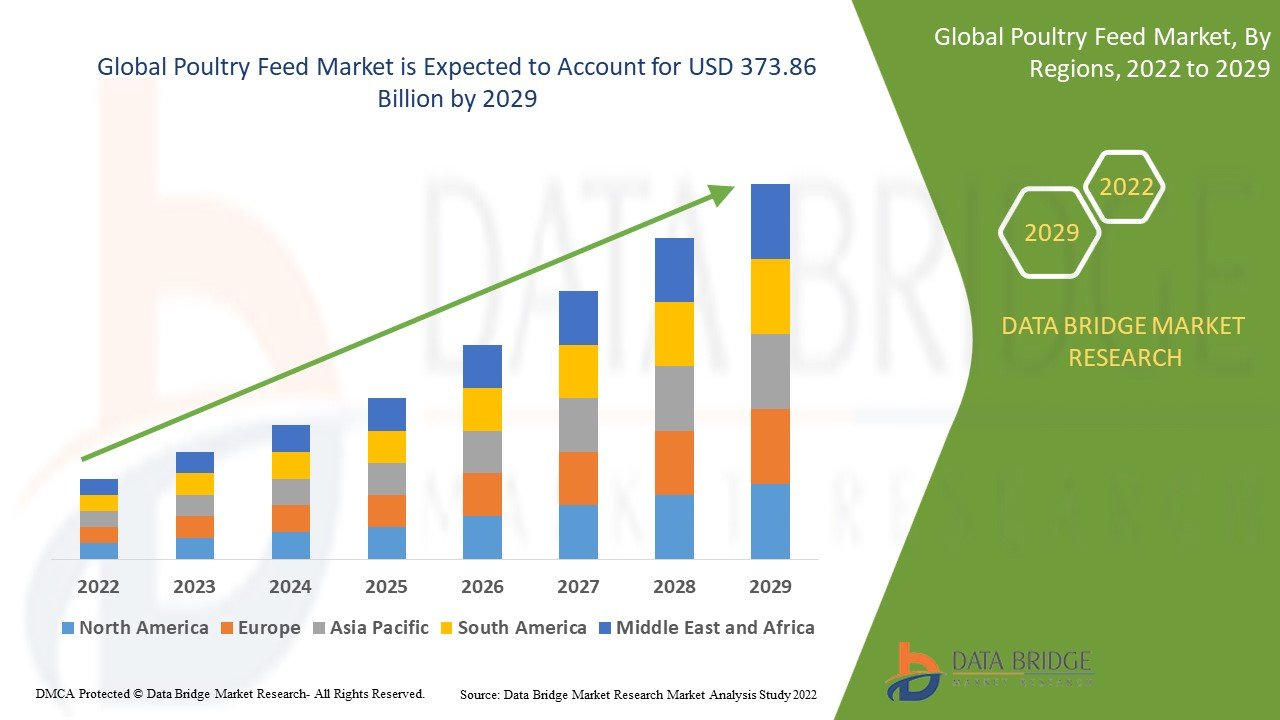
Modern broiler genetics is the result of intensive selective breeding focused on maximizing meat yield and growth velocity while minimizing feed consumption. The industry is dominated by a few primary commercial strains, most notably the Cobb 500, Ross 308, and Hubbard. These birds are “four-way crosses,” meaning they are hybrids of four distinct grandparent lines, bred to express hybrid vigor. This genetic optimization allows a bird to convert grain to muscle so efficiently that it can reach market weight in under 42 days, a feat that would have taken nearly four months a few decades ago.
While performance is the primary goal, geneticists in 2026 are increasingly prioritizing skeletal integrity and metabolic health. Because these birds gain weight so rapidly, breeding programs now select for stronger leg bones and improved cardiovascular function to reduce the risk of lameness and heart failure (ascites). Furthermore, there is a growing market for slow-growing genetics, such as the Sasso or Ranger Gold lines. These breeds take roughly 15 to 25% longer to mature but are favored in organic and free-range systems for their enhanced flavor profile and higher welfare standards.
The future of broiler genetics lies in genomic selection and climate resilience. With global temperatures rising, breeders are identifying specific DNA markers that help chickens stay productive in heat-stressed environments without needing excessive cooling. This precision breeding ensures that whether a farmer is using a high-performance commercial hybrid or a more robust “color-yield” bird, the genetics are finely tuned to the specific environmental and nutritional constraints of their region.
Learn effective methods for tracking and analyzing growth data for broiler chickens. Optimize flock performance, feed efficiency, and profitability with data-driven poultry management techniques.
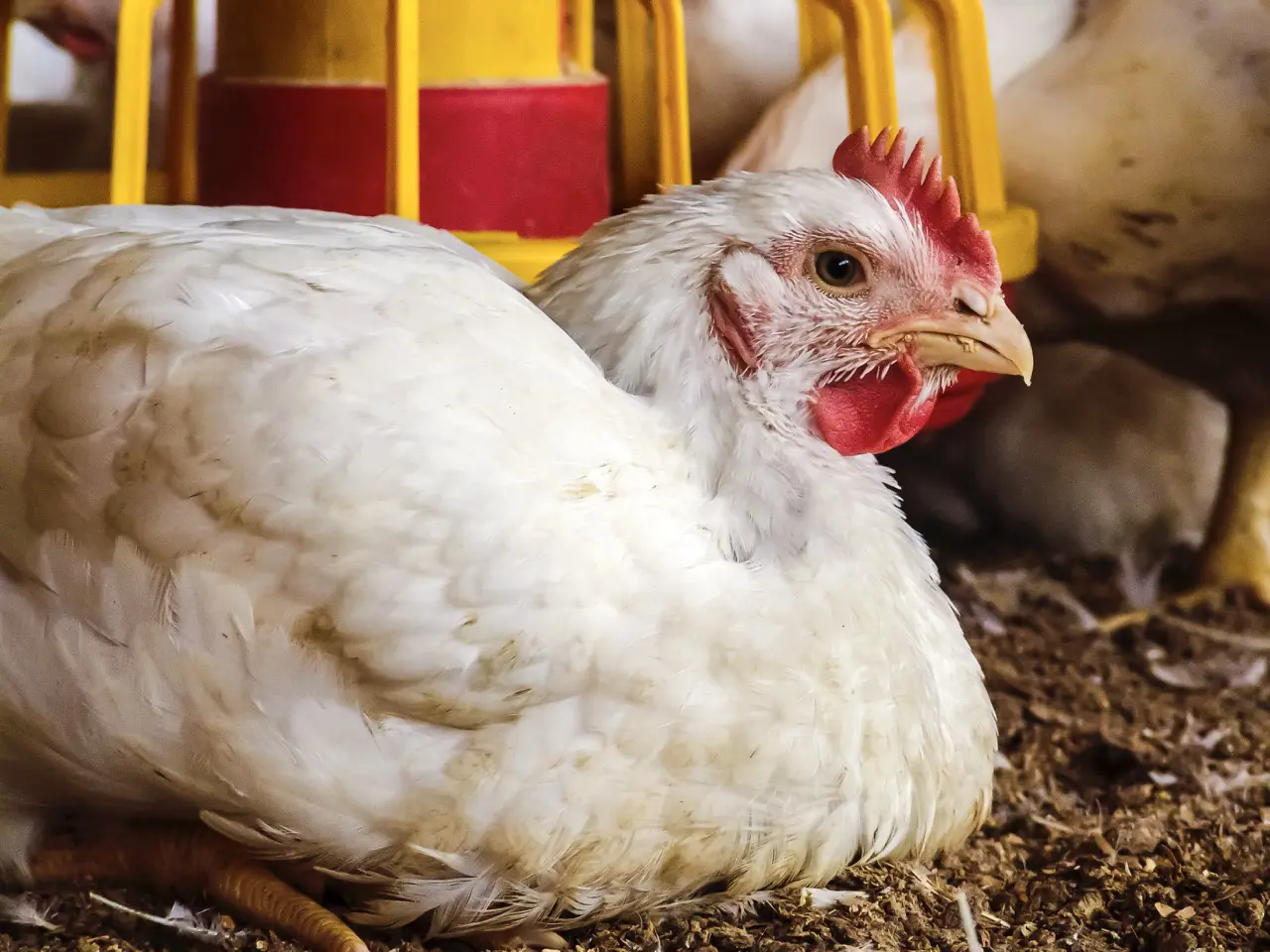
Explore real-world examples of Case Studies: Successful Monitoring and Improvement of Broiler Chicken Growth, showcasing innovative techniques for poultry farmers to optimize production.
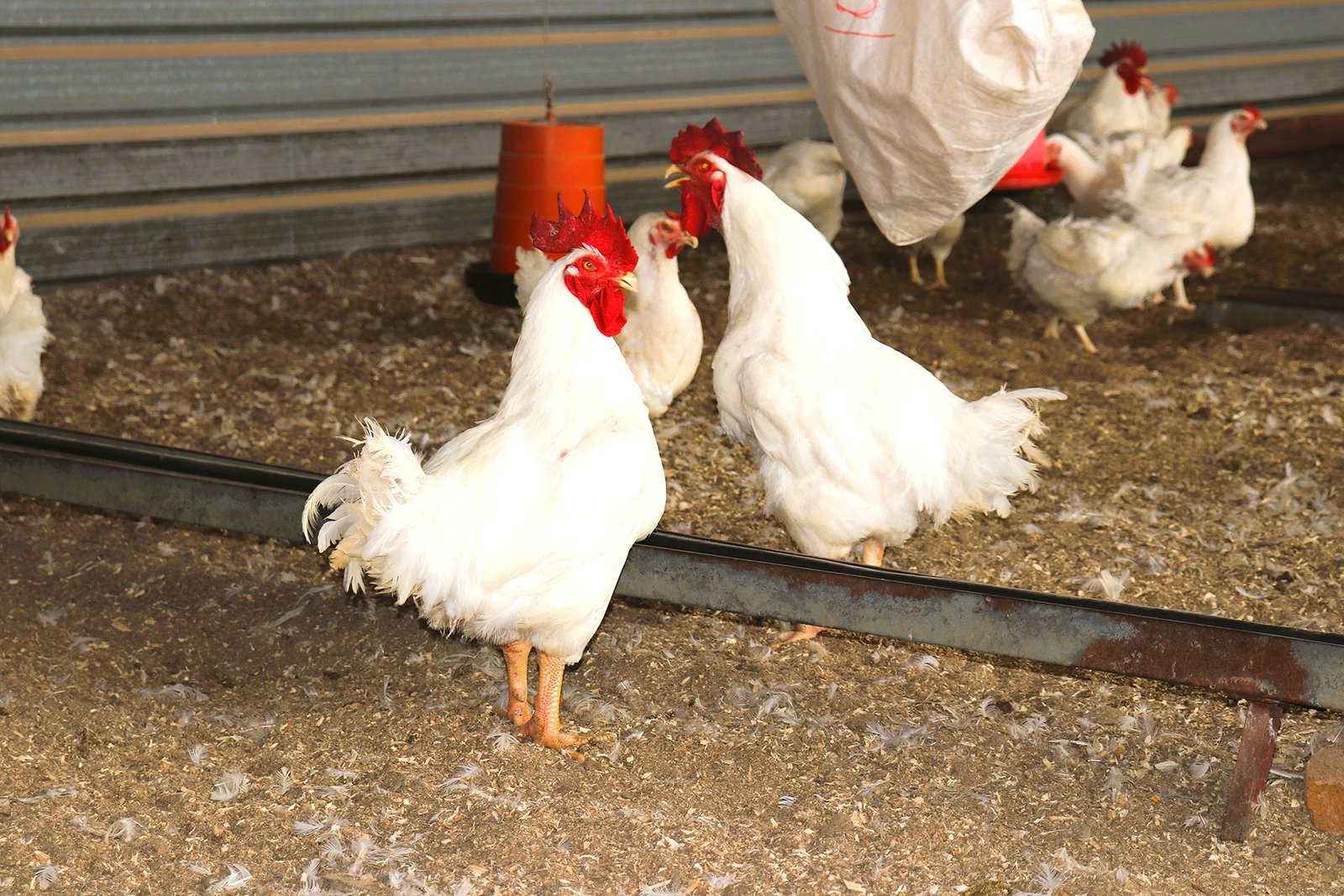
Learn effective techniques to identify underperforming broiler chickens early, improve flock management, and boost overall productivity in your poultry farming operation.
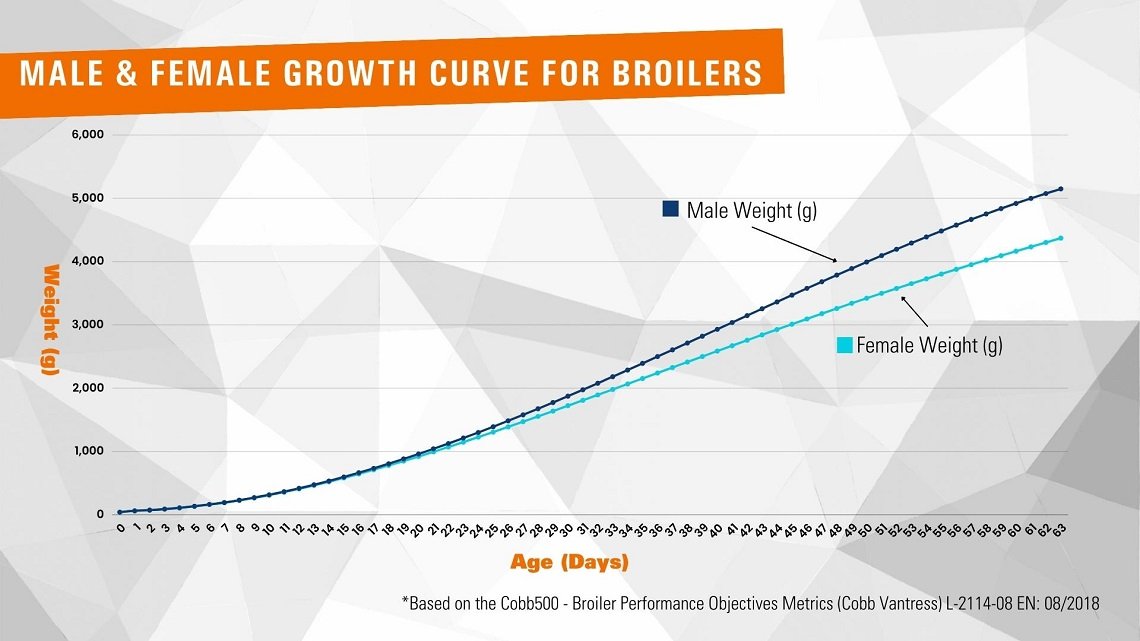
Discover essential Key Performance Indicators (KPIs) for Broiler Chicken Growth to optimize production efficiency and maximize profitability in poultry farming.
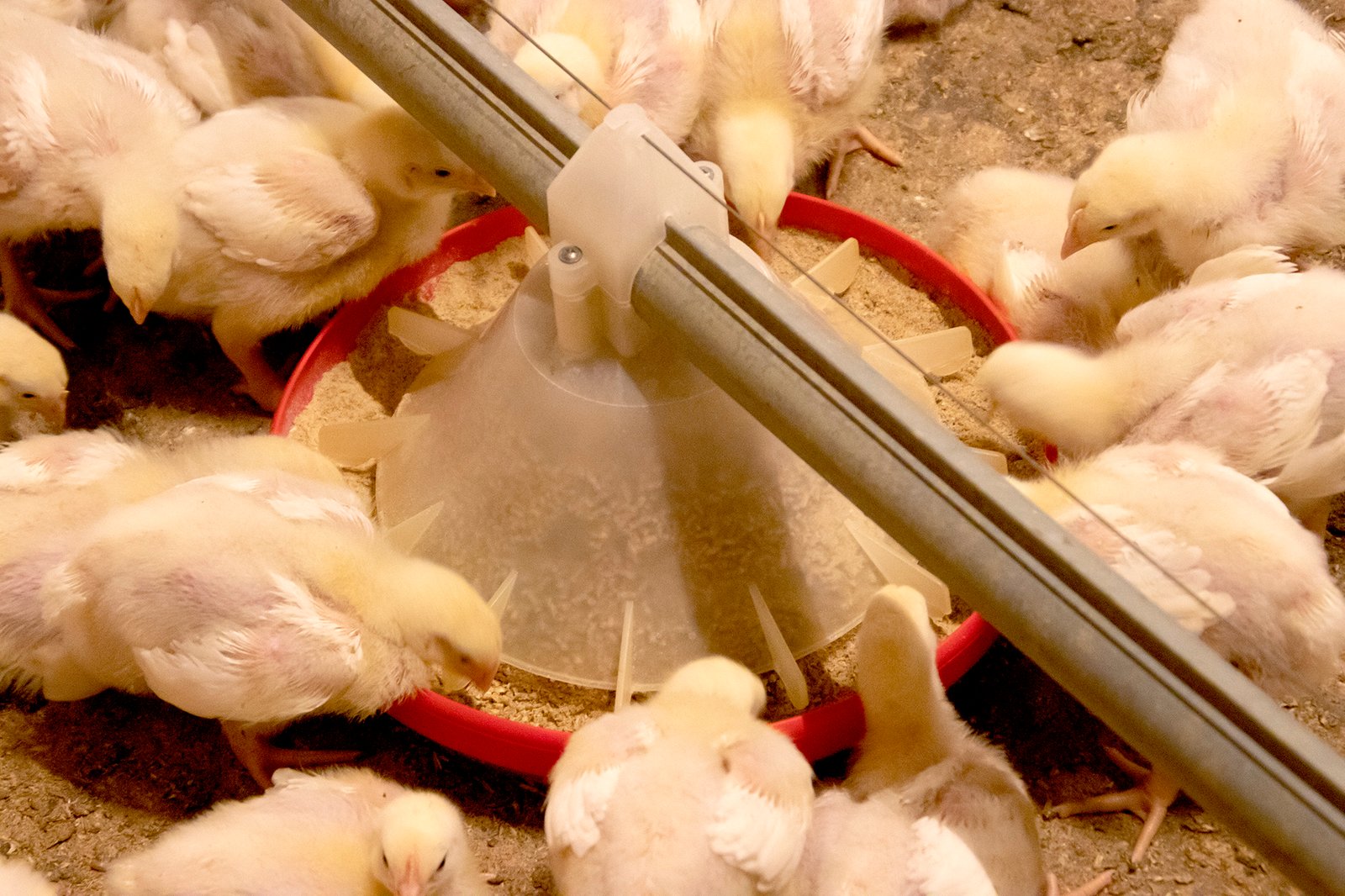
Discover how nutrition influences broiler chicken performance indicators. Learn about feed formulation, growth rates, and meat quality in The Impact of Nutrition on Broiler Chicken Performance Indicators.
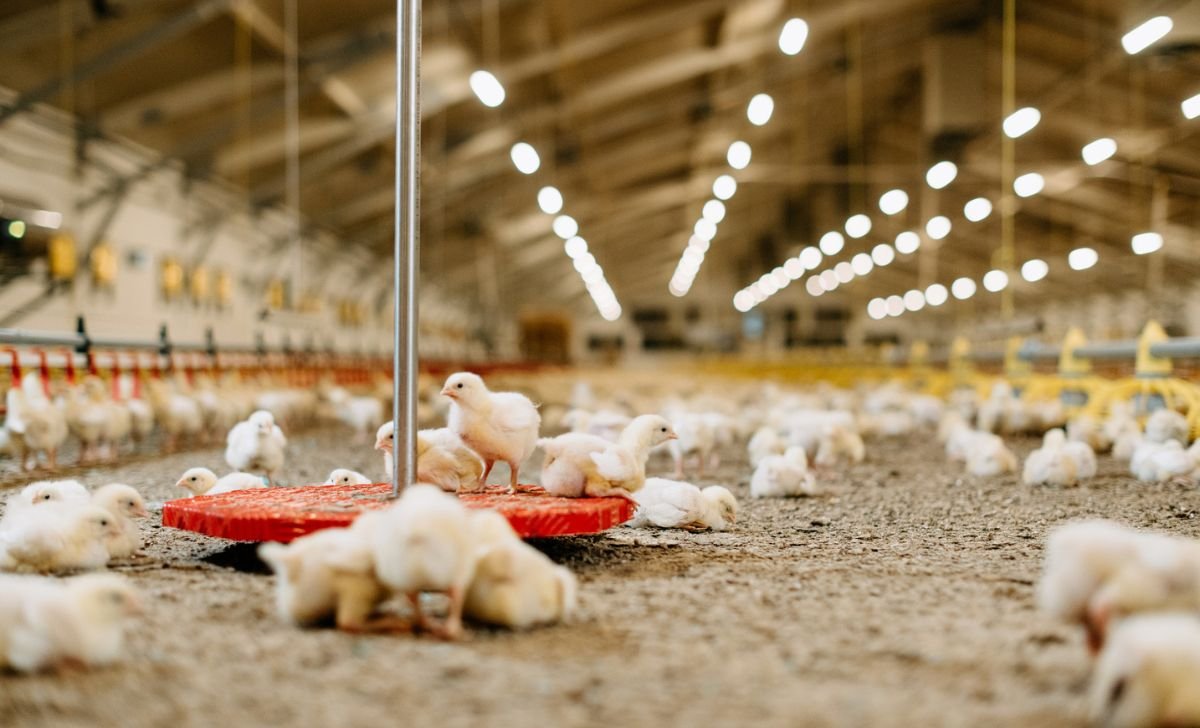
Discover the crucial role of weight monitoring in broiler chicken production. Learn how it enhances flock performance and drives efficiency in poultry farming.
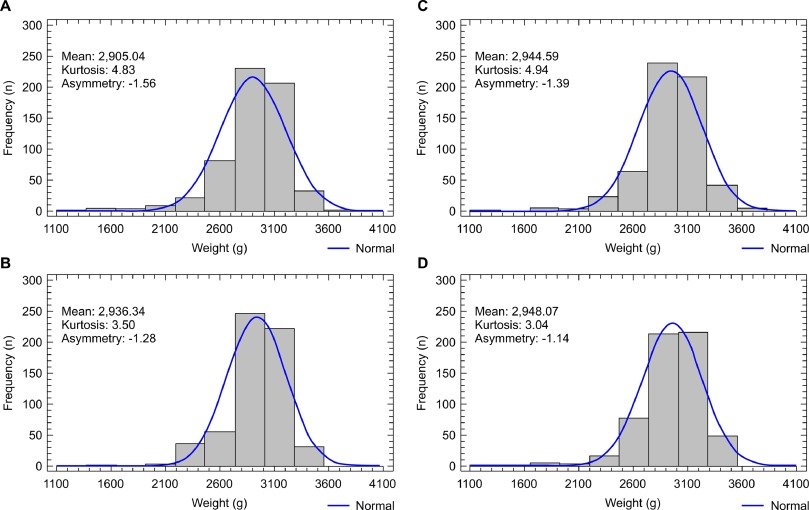
Discover how to leverage growth performance data to enhance feed efficiency in cattle. Learn key strategies for data-driven feedlot optimization and improved profitability.
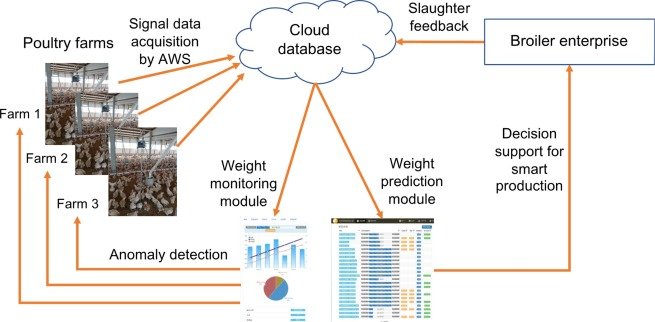
In the world of poultry farming, watching how broiler chickens grow is key. It helps farmers get the most out of their work and keep the chickens healthy. This article…
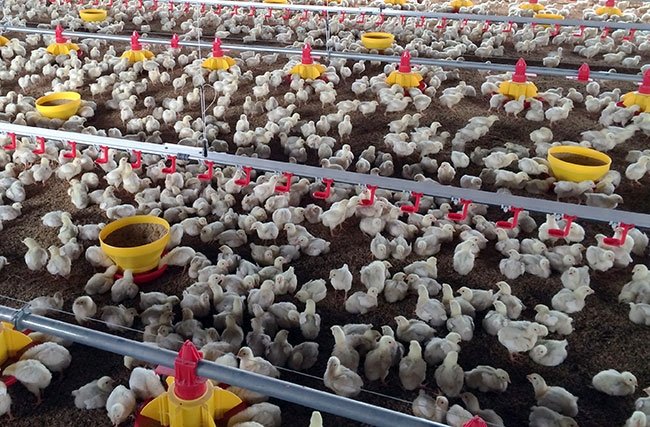
Discover how to leverage flock performance data to improve broiler growth. Learn strategies for optimizing feed conversion, monitoring weight gain, and enhancing productivity.
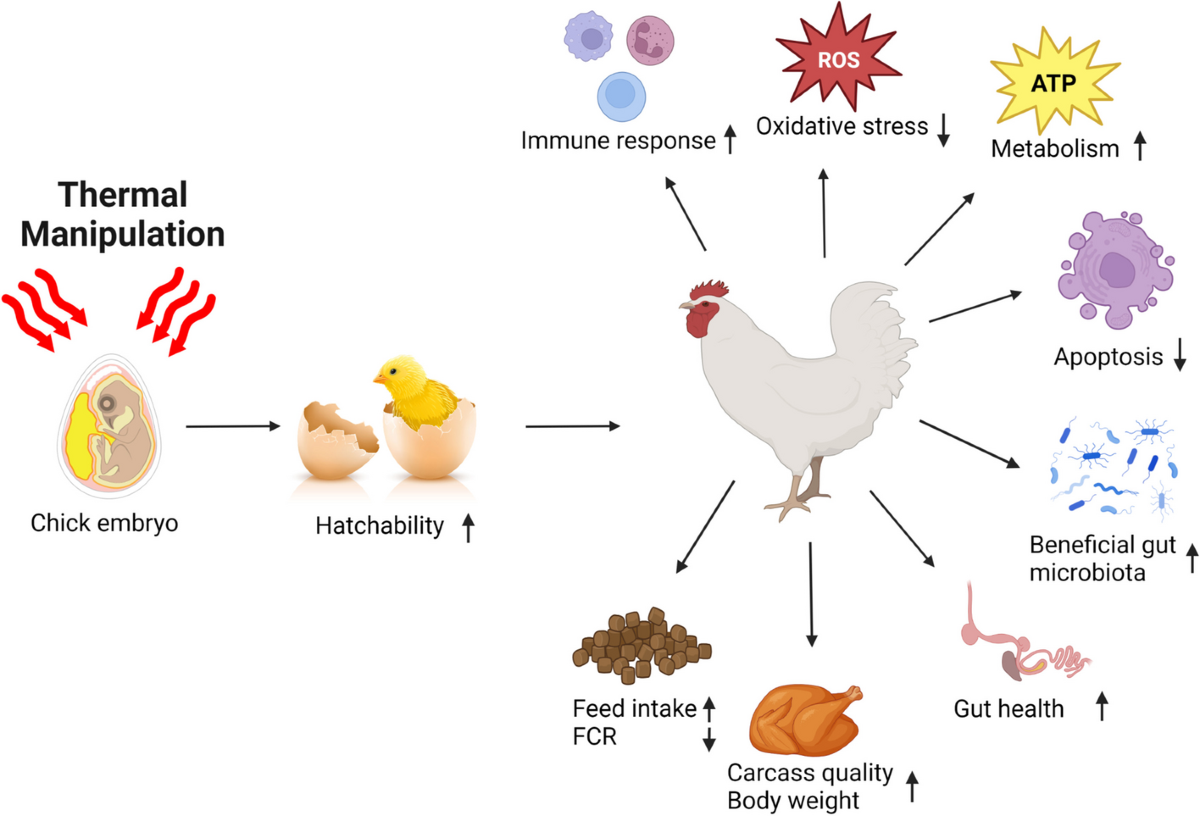
The broiler chicken industry is growing fast, and environmental factors play a big role. Broiler chickens grow quickly and are very sensitive to their surroundings. Changes in weather due to…