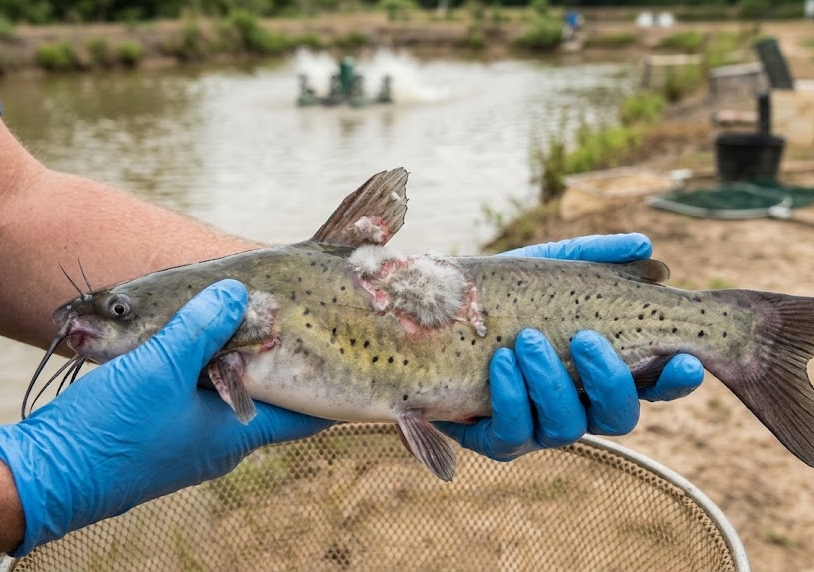
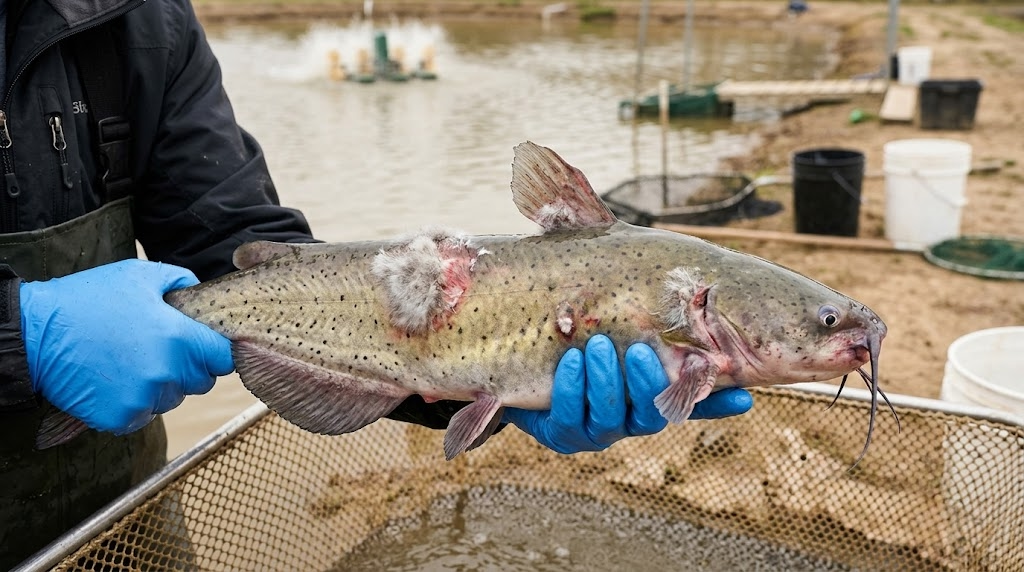
Catfish skin fungus—clinically known as Saprolegniasis or cotton wool disease—is one of the most visible and persistent health challenges in aquaculture. Driven by opportunistic water molds of the genus Saprolegnia, these fungal infections rarely strike healthy, unstressed fish. Instead, they exploit compromised skin barriers, physical injuries, or poor environmental conditions to establish destructive, fluffy growths on the skin, fins, and head.
1. Clinical Symptoms: Identifying Skin Fungus Early
Recognizing the visual markers of a fungal infection early is vital before the mycelia spread and lead to osmoregulatory failure or secondary bacterial infections:
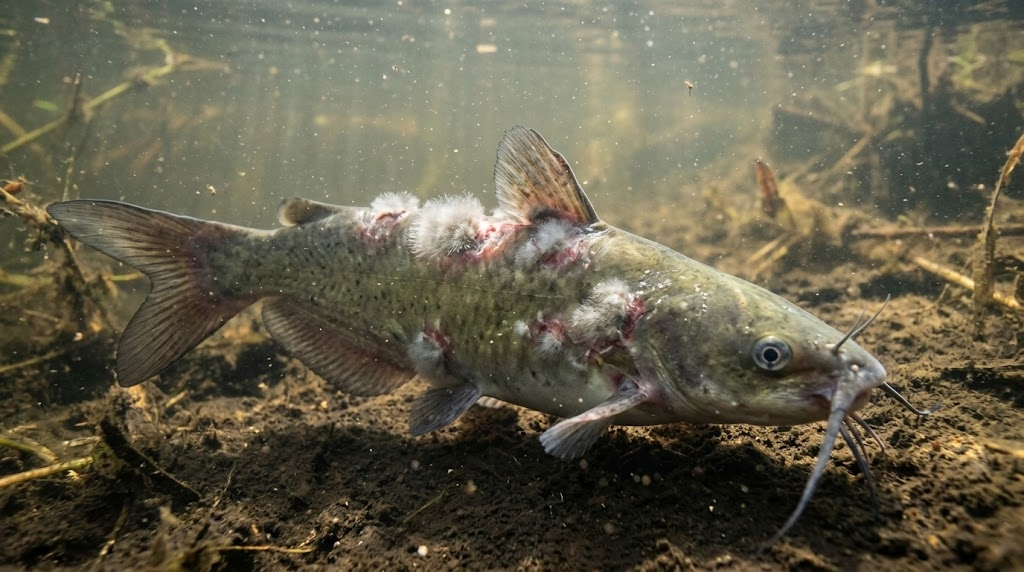
- Cotton-Like Patches: Fluffy, thread-like growths on the skin that appear white, gray, brown, or greenish depending on trapped debris and algae.
- Skin Discoloration and Ulceration: The tissue immediately surrounding the fungal patch often appears pale, gray, or inflamed with raw, reddish margins.
- Behavioral Indicators: Lethargy, loss of appetite (going off-feed), sluggish movement near the water surface or pond edges, and flashing (rubbing against tank or pond surfaces to relieve skin irritation).
- Respiratory Distress: When the fungus spreads to the gill tissues, fish experience severe oxygen deprivation, causing them to gasp near aerators or incoming water jets.
2. Root Causes and Environmental Triggers
Fungal spores are ubiquitous in water bodies, but clinical outbreaks require specific pre-existing triggers to take hold:
- Handling and Mechanical Trauma: Abrasions from netting, grading, sorting, transport, or aggressive nipping strip away the fish’s protective outer slime coat (mucus layer), creating an ideal dead-tissue bed for fungal spores to germinate.
- Poor Water Quality: High concentrations of nitrogenous wastes (ammonia and nitrite) and low dissolved oxygen (DO) levels severely compromise the fish’s natural immune defenses.
- Pre-existing Infections: Primary damage caused by external parasites (such as Ich) or bacterial ulcers (Aeromonas / Pseudomonas) paves the way for secondary fungal establishment.
- Low Water Temperatures: Many Saprolegnia strains thrive and reproduce aggressively during colder weather shifts when fish metabolic and immune responses slow down.
- High Organic Loads: Excess unconsumed commercial feed and heavy fecal waste create a nutrient-dense environment that encourages spore proliferation.
3. What to Do: Immediate Action Plan
When a skin fungus outbreak occurs, swift intervention is required to prevent widespread mortality:
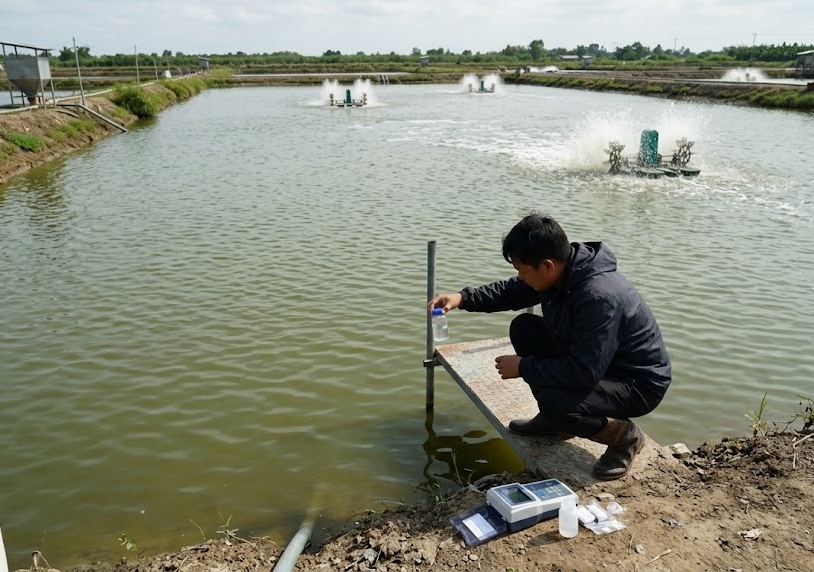
- Assess and Correct Water Quality: Immediately test and adjust dissolved oxygen (>4 mg/L) and reduce nitrogenous waste through controlled water exchanges. High water quality is essential for natural tissue healing.
- Remove Heavily Infected Fish: Promptly cull or isolate severely affected fish to drastically reduce the concentration of active fungal spores in the water column.
- Apply Therapeutic Salt Baths: Utilize approved therapeutic salt (sodium chloride) treatments to reduce osmotic stress, soothe damaged skin tissues, and suppress external fungal spore activity.
- Administer Approved Treatments: Where applicable and following local veterinary or aquaculture guidelines, utilize approved chemical treatments (such as formalin or potassium permanganate) to manage severe system-wide outbreaks.
- Nutritional Support: Administer high-quality commercial feeds supplemented with Vitamin C and immunostimulants to bolster natural skin barrier repair and immune defenses.
Need Assistance?
Are you currently dealing with skin fungus, cotton-like lesions, or unusual mortality rates in your catfish production system? Please contact us today for professional guidance, water quality troubleshooting, and tailored treatment strategies to protect your stock.