Water quality is the foundation of successful aquaculture. In intensive catfish farming systems, water serves as the medium for respiration, metabolism, and waste elimination, but it is also the natural reservoir for aquatic microorganisms—including opportunistic water molds like Saprolegnia species. While fungal spores are ubiquitous in virtually all aquatic environments, they rarely infect healthy fish living in optimal conditions. When water quality deteriorates, however, it creates a dangerous environment that simultaneously compromises the fish’s defenses and accelerates fungal proliferation.
1. The Physiological Impact: How Stress Suppresses Immunity
Catfish rely heavily on a robust immune system and a protective external barrier to ward off pathogens:
- Degradation of the Protective Slime Coat: Poor water parameters—such as high ammonia or fluctuating pH—irritate the fish’s skin and strip away its viscous mucus layer (slime coat), destroying the primary physical and chemical defense against fungal spores.
- Cortisol Release and Immune Suppression: Chronic environmental stress triggers the release of cortisol into the fish’s bloodstream. This hormone suppresses white blood cell activity and immune function, leaving the fish incapable of resisting spore germination.
2. Key Water Quality Failures That Drive Fungal Outbreaks
Specific chemical and physical imbalances in the pond or tank directly catalyze fungal infections:
- Elevated Nitrogenous Waste (Ammonia and Nitrite): High concentrations of toxic ammonia and nitrite damage delicate gill tissues and skin surfaces. This physical trauma creates ideal dead-tissue beds where fungal hyphae can easily establish and grow.
- Low Dissolved Oxygen (DO): When dissolved oxygen drops critically low, catfish experience severe respiratory stress and hypoxia. Weakened fish lack the metabolic energy required to heal minor abrasions, making them sitting ducks for opportunistic water molds.
- High Organic Loads: Excessive accumulations of unconsumed commercial feed, heavy fecal waste, and decaying matter create a nutrient-dense environment. This massive organic load causes fungal spore populations to multiply exponentially in the water column.
- Extreme Temperature and pH Shifts: Sudden fluctuations outside optimal ranges stress the fish population and often coincide with conditions that favor the aggressive reproduction of Saprolegnia strains.
3. Prevention: Managing Water Quality to Stop Fungi
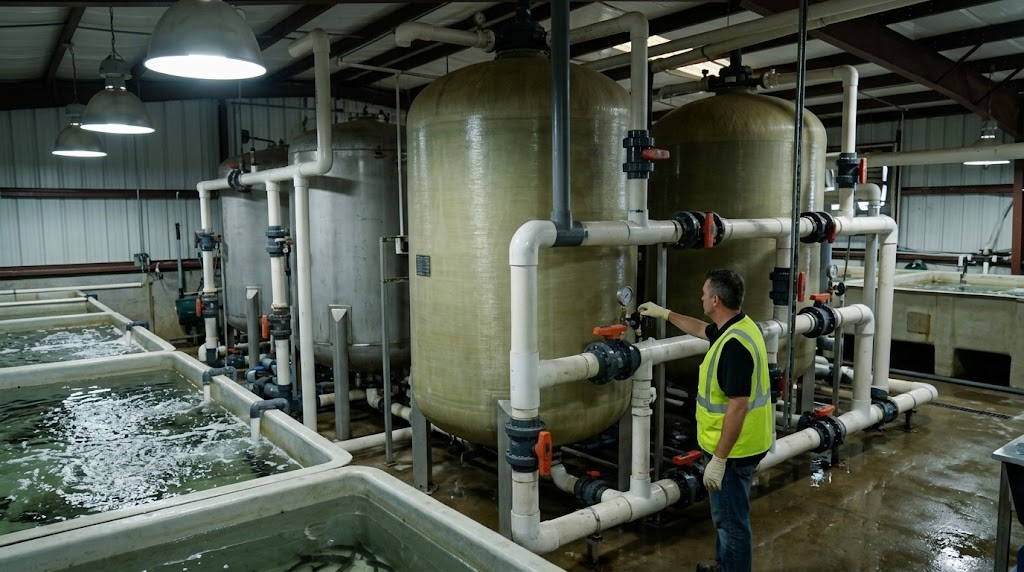
Because poor water quality is a primary root cause of fungal proliferation, prevention relies on rigorous environmental management:
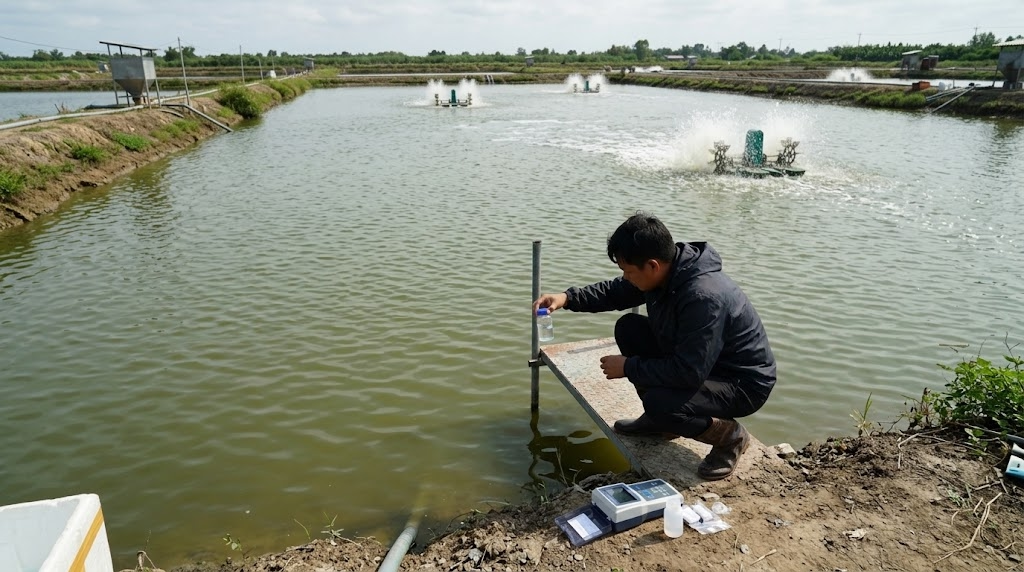
- Maintain Pristine Water Conditions: Keep dissolved oxygen levels consistently high (>4 mg/L), stabilize pH (6.5–8.5), and keep nitrogenous wastes near zero through regular, controlled water exchange protocols.
- Control Feeding Rates: Prevent the accumulation of excess organic matter and unconsumed feed by monitoring feeding schedules carefully.
- Strict Sanitation: Remove dead fish, uneaten feed, and heavy bottom sludge daily to minimize the organic breeding grounds where fungal spores thrive.
Need Assistance?
Are you currently experiencing water quality challenges, unusual mortality rates, or signs of fungal disease in your catfish production system? Please contact us today for professional guidance, troubleshooting support, and tailored treatment strategies to protect your stock.