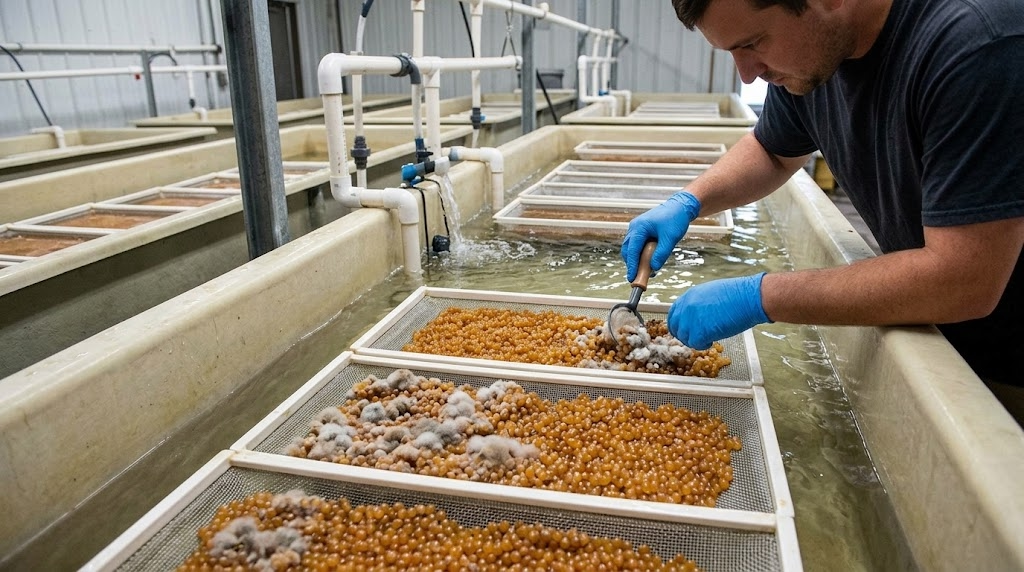
Managing catfish hatcheries requires meticulous attention to water quality and egg hygiene. One of the most common and devastating threats in hatchery operations is fungal infection in catfish eggs, primarily driven by water molds of the genus Saprolegnia. Because incubating fish eggs are stationary and packed closely together in troughs or jars, a localized fungal outbreak can spread rapidly through an entire batch within hours, resulting in total hatching failure.
1. Clinical Symptoms of Fungal Infection in Eggs
Early detection is critical in a hatchery setting before the infection spreads from dead or unfertilized eggs to healthy, viable embryos:
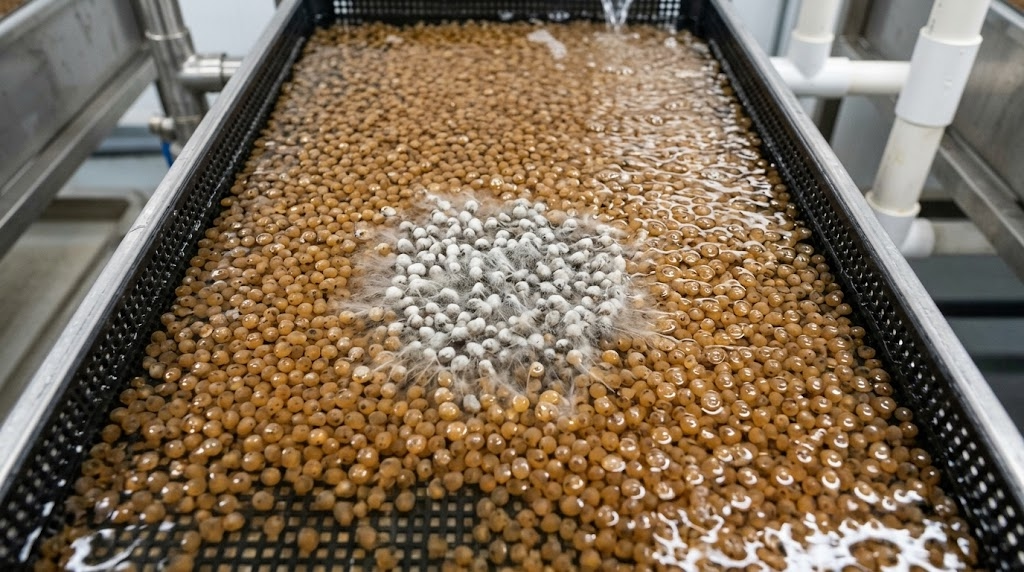
- Opaque and White Appearance: Healthy, fertilized catfish eggs typically maintain a translucent or amber-to-yellowish hue. Infected eggs turn opaque, solid white, or milky.
- Cotton-Like Mycelial Growths: A fuzzy, thread-like growth of white, gray, or brownish mold develops directly on the surface of the compromised egg.
- Cluster Spreading: The fungal hyphae rapidly extend outward, forming sticky web-like threads that knit adjacent healthy eggs together into solid clumps, smothering them and cutting off vital oxygen supply.
- Mass Hatchery Die-Off: Rapid, localized mortality waves in hatching troughs or trays, often accompanied by a visible decline in overall hatching percentages.
2. Root Causes and Environmental Triggers
While Saprolegnia spores are naturally present in incoming water supplies, specific hatchery conditions encourage explosive fungal growth on eggs:
- Presence of Unfertilized or Dead Eggs: Dead or unfertilized eggs lack living tissue defenses, making them prime organic breeding grounds where fungal spores immediately germinate.
- Poor Water Flow and Low Oxygen: Stagnant areas in hatching troughs or inadequate water exchange rates reduce dissolved oxygen levels and allow spore concentrations to build up rapidly around the egg mass.
- Inadequate Water Filtration and Disinfection: Failure to properly filter, settle, or disinfect incoming raw water sources introduces high loads of fungal spores directly into the hatchery system.
- Fluctuating Temperatures: Sudden drops or instability in water temperature during the incubation period can stress developing embryos and slow down natural embryonic defenses.
3. Hatchery Prevention and Management Strategies
Protecting incubating catfish eggs requires strict biosecurity and proactive management protocols:
- Rigid Egg Sanitation and Sorting: Carefully remove dead, unfertilized, or ruptured eggs as early as possible after spawning to eliminate primary breeding sites for the fungus.
- Maintain Optimal Water Flow: Ensure a steady, well-oxygenated water current flowing smoothly through hatching troughs or jars to prevent debris accumulation and discourage spore settling.
- Water Treatment and Disinfection: Utilize approved prophylactic treatments (such as controlled formalin flushes or iodine-based surface disinfectants applied strictly according to veterinary and aquaculture guidelines) to suppress fungal spore viability.
- Strict Equipment Sanitation: Thoroughly clean and disinfect all hatchery troughs, screens, paddles, and tools between spawning cycles to prevent cross-contamination.
Need Assistance?
Are you currently experiencing high egg mortality, fuzzy fungal clusters, or hatching challenges in your aquaculture facility? Please contact us today for professional guidance, hatchery troubleshooting, and tailored management strategies to safeguard your next production cycle.