Bacterial infections caused by species of the genus Pseudomonas (such as Pseudomonas fluorescens and Pseudomonas aeruginosa) represent significant biological and economic challenges in aquaculture. Like many opportunistic aquatic pathogens, Pseudomonas bacteria are ubiquitous in soil and water environments, waiting for environmental or physical stressors to compromise a catfish’s immune system before triggering full-scale disease outbreaks.
1. Pathogen Profile and Target Tissues
- The Pathogen: Driven by Gram-negative bacilli from the Pseudomonas genus, which adapt easily to intensive farming systems and exhibit high environmental resilience.
- Target Tissues: These systemic pathogens attack multiple organ systems, including the skin, musculature, blood vessels, kidneys, liver, spleen, and gills.
- Infection Dynamics: Pseudomonas can induce acute mortality outbreaks or progress more slowly as a chronic wasting condition, frequently compounding other stressors or secondary infections.
2. Clinical Symptoms and Signs
Recognizing the physical and behavioral markers of a Pseudomonas infection early is critical to mitigating stock losses:
- Behavioral Indicators: Fish display lethargy, loss of appetite (reduced feed intake), weight loss, and erratic swimming behavior near the water surface or edges.
- External Pathology:
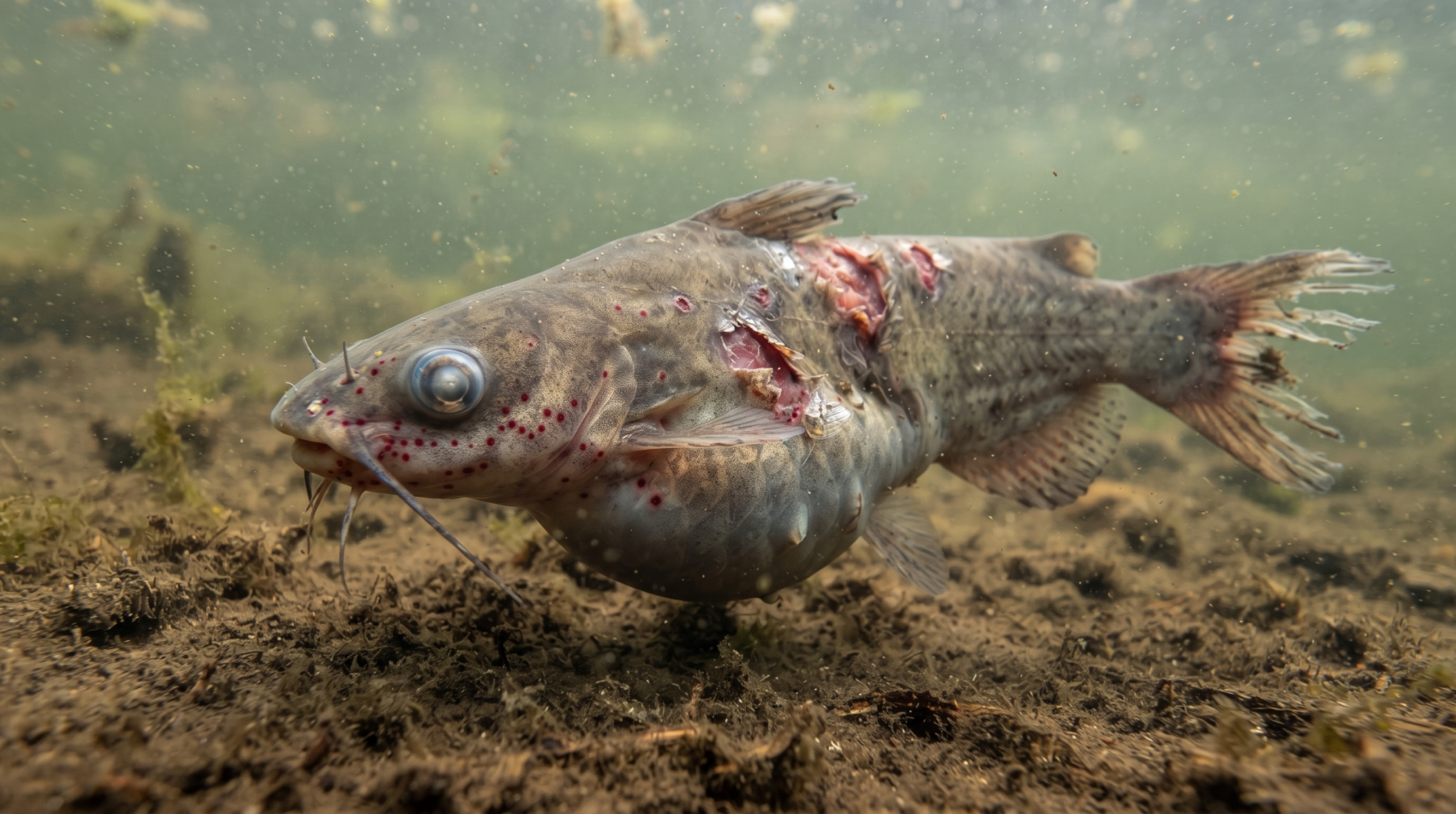
- Hemorrhagic septicemia, characterized by pinpoint or widespread red spots and hemorrhages across the skin, mouth region, opercula, and fin bases.
- Skin ulceration, scale detachment, and deep necrotic sores.
- Frayed, eroded fins and active tail rot.
- Exophthalmia (“pop-eye”) and gill inflammation or necrosis.
- Internal Pathologies (Necropsy Findings): Post-mortem examinations typically reveal abdominal distension filled with reddish ascitic fluid (dropsy), enlarged and congested kidneys and spleen, and pale, enlarged, or necrotic liver patches.
3. Root Causes and Environmental Triggers
Outbreaks are rarely spontaneous; they are heavily catalyzed by environmental and management stressors:
- Compromised Water Quality: High levels of nitrogenous waste (ammonia and nitrite) coupled with critically low dissolved oxygen levels.
- High Organic Loads: Excessive accumulations of unconsumed feed and heavy fecal waste create a nutrient-dense breeding ground that accelerates bacterial proliferation.
- Overcrowding: High stocking densities increase physical contact between fish, deplete oxygen rapidly, and elevate baseline stress.
- Handling and Mechanical Trauma: Abrasions from sorting, grading, netting, or transport provide direct entry points for the bacteria to invade systemic tissues.
4. Prevention and Biosecurity Strategies
Preventing Pseudomonas outbreaks relies on robust, proactive farm management:
- Maintain Pristine Water Quality: Regularly monitor and optimize dissolved oxygen, maintain safe pH levels, and keep nitrogenous wastes near zero through consistent water exchange protocols.
- Biosecurity and Disinfection: Quarantine all incoming fingerlings, regularly clean and disinfect farming equipment (nets, grading tables, boots), and remove dead fish daily to prevent pathogen transfer.
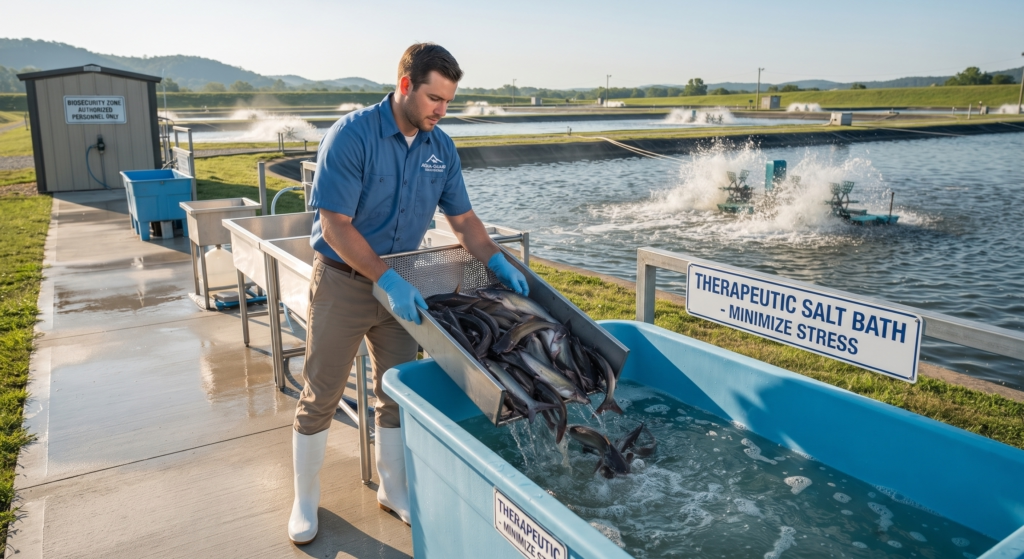
- Stress Reduction: Handle fish gently during grading and transport to minimize skin abrasions and physical trauma.
- Nutritional Support: Administer balanced, high-quality commercial feeds supplemented with essential vitamins and immunostimulants to bolster the natural immune resistance of the stock.
5. Treatment Protocols
Treating established Pseudomonas infections can be complex due to the pathogen’s adaptability and growing instances of antibiotic resistance in certain strains:
- Medicated Feeds / Antibiotics: Where permitted by local veterinary oversight, sensitivity-tested antimicrobial agents or medicated feeds are utilized to target systemic infections.
- Therapeutic Baths: Short-term or long-term salt (sodium chloride) or approved chemical disinfectant baths help manage external lesions and reduce osmotic stress.
- Alternative Interventions: Emerging biological solutions, such as targeted bacteriophage therapies or natural immunostimulant additives (like Aloe vera gels), are increasingly explored to suppress bacterial loads without disrupting beneficial microflora.
Are you currently noticing any external skin ulcers, abdominal swelling, or hemorrhagic spots in your catfish stock? Contact us.