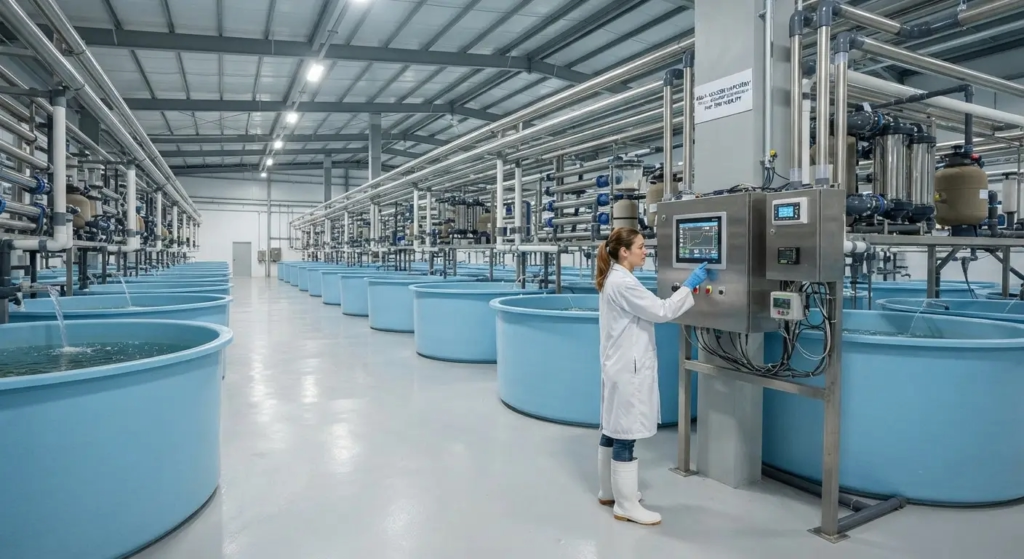
TIGBAUAN, Iloilo — The Southeast Asian Fisheries Development Center Aquaculture Department (SEAFDEC/AQD) marked its 53rd anniversary on July 9, 2026, with the official inauguration of three state-of-the-art hatchery facilities at its main research complex in Tigbauan, Iloilo. The launch represents a significant strategic investment in the region’s aquaculture future, aimed at bridging the gap between scientific research and commercial application.
The new infrastructure, which cost a total of PHP 87 million, is designed to stabilize seed stock supply, enhance biosecurity, and provide a training ground for the next generation of aquaculture professionals in the Philippines and across Southeast Asia.
A Strategic Triad for Aquaculture Growth
The three facilities target high-value aquatic species identified as critical for food security and rural livelihoods:
| Facility | Investment | Annual Projection |
| Whiteleg Shrimp Hatchery & Grow-out | PHP 50 million | 18 million postlarvae / 36 metric tons |
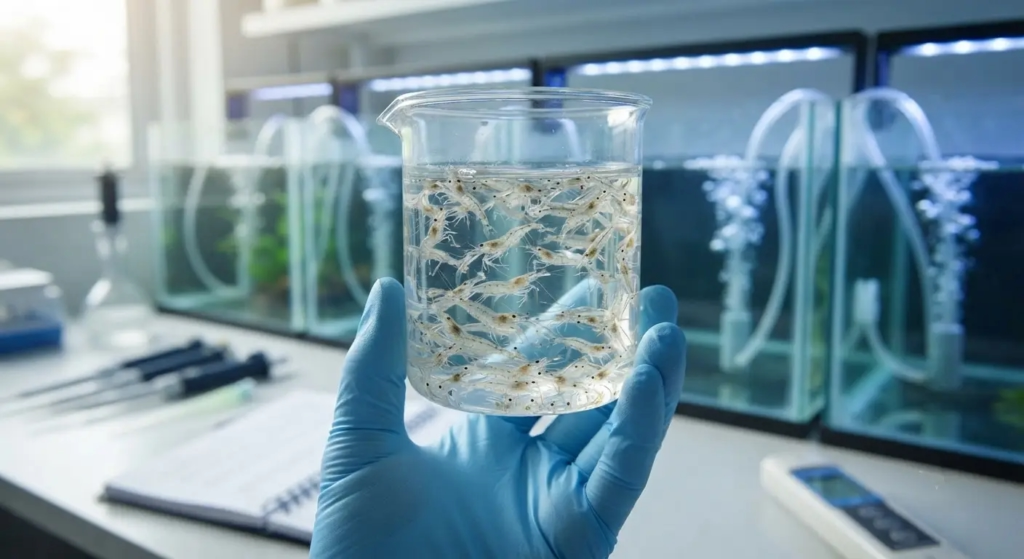
| Mangrove Crab Hatchery | PHP 25 million | 1.5 million instars |
| Giant Freshwater Prawn Hatchery | PHP 12 million | 2.4 million postlarvae |
Agriculture Undersecretary for Fisheries Drusila Esther Bayate lauded the development, noting that these hatcheries are “strategic investments in the future of Philippine aquaculture.” Beyond mere production, the facilities serve as hubs for innovation, where researchers will focus on refining breeding techniques, improving aquatic animal health, and developing robust biosecurity protocols to prevent disease outbreaks.
Solving the “Seed Stock Gap”
A recurring challenge for many farmers in the region has been the inconsistency or unavailability of quality juvenile stocks. SEAFDEC/AQD Chief Dan Baliao emphasized that the giant freshwater prawn hatchery, in particular, is a direct response to this bottleneck.
“We want to increase the production of ulang (giant freshwater prawn) because it is a promising native commodity,” Baliao said. “However, the lack of a consistent supply of seed stock has historically hindered its growth. We hope this facility will finally allow farmers to scale up their production.”
Training Hubs for Sustainable Farming
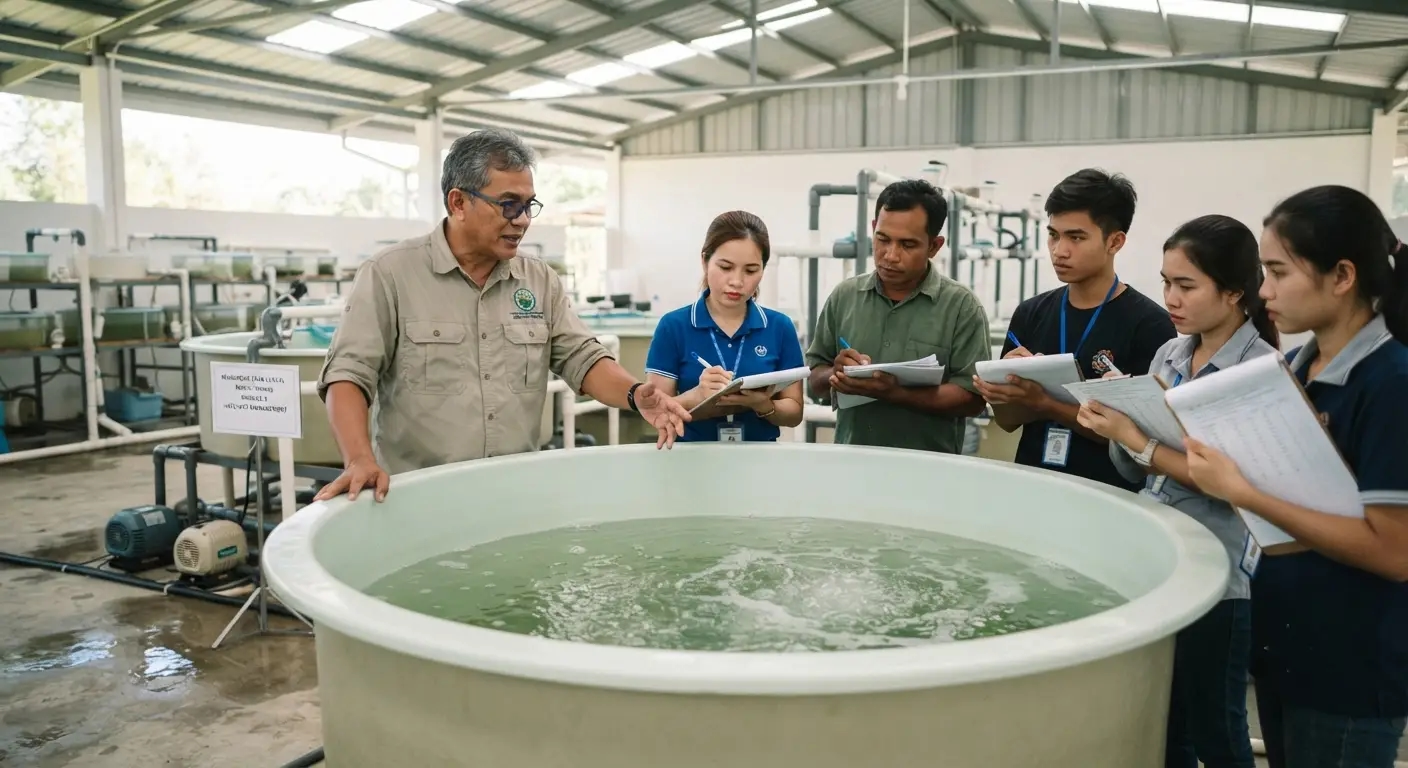
The facilities are designed to be “live laboratories.” SEAFDEC has integrated training programs into the operational model, providing hands-on experience for:
- Aquaculture Technicians: Mastering modern hatchery management and environmental monitoring.
- Extension Workers & Local Government Units: Bridging the gap between lab-tested technologies and small-scale farms.
- Researchers and Students: Providing space for advanced study into selective breeding and disease resistance.
Looking Ahead
The inauguration of these three hatcheries brings the total number of facilities built or rehabilitated by SEAFDEC/AQD since April 2026 to nine. This aggressive development timeline underscores the center’s commitment to modernizing the region’s fisheries sector.
As the industry faces challenges ranging from climate variability to rising operational costs, SEAFDEC’s investment in science-based, high-quality seed production offers a sustainable path forward. By increasing the accessibility of reliable, disease-free juveniles, the center is setting a new standard for aquaculture efficiency that will likely benefit producers far beyond the borders of the Philippines.
Would you like me to provide a more detailed technical breakdown of the hatchery operations for one of these species, or perhaps an overview of how to integrate these high-quality seed stocks into your own farm’s management plan?