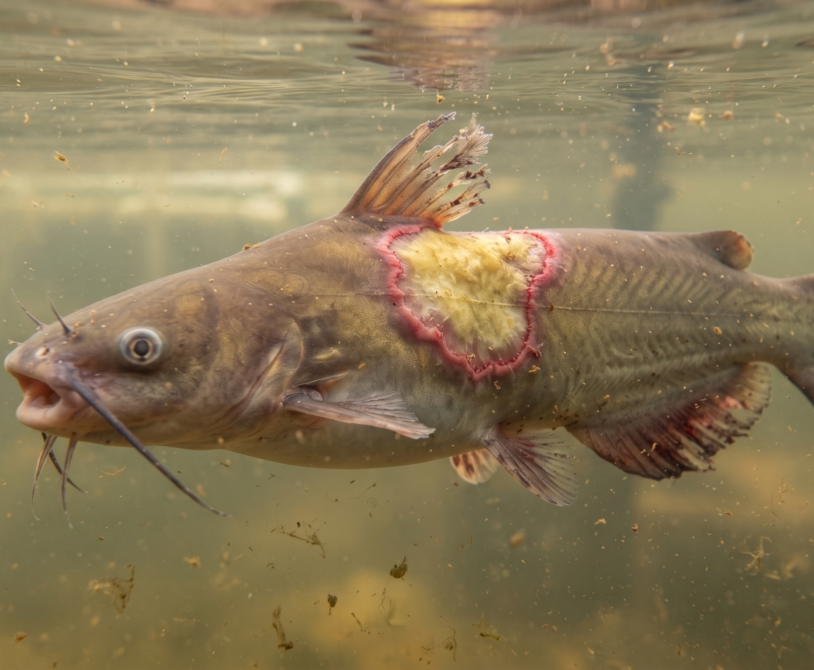
Fin rot is a common and distressing bacterial condition affecting catfish in aquaculture environments. Characterized by the gradual fraying, disintegration, and erosion of the fins and tail, it is rarely a primary infection. Instead, fin rot typically serves as an indicator of underlying environmental stress, poor water quality, or secondary bacterial invasion by opportunistic pathogens such as Aeromonas and Pseudomonas species. If left unmanaged, fin rot can progress to severe tissue necrosis and pave the way for systemic septicemia.
1. Pathogen Profile and Infection Dynamics
- Opportunistic Pathogens: Fin rot is commonly driven by bacteria already present in the aquatic environment, including Aeromonas and Pseudomonas species, which target weakened fish tissues.
- Target Tissues: The infection specifically attacks the delicate membranes and bony rays of the pectoral, pelvic, dorsal, anal, and caudal (tail) fins.
- Infection Dynamics: The condition often begins when the protective mucus layer of the fish is damaged, allowing bacteria to colonize and break down the fin tissue progressively.
2. Clinical Symptoms and Warning Signs
Recognizing the visual markers of fin rot early allows for rapid intervention before the infection reaches the fish’s body:
- Frayed and Ragged Edges: Fins begin to look split, stringy, or ragged at the outer margins.
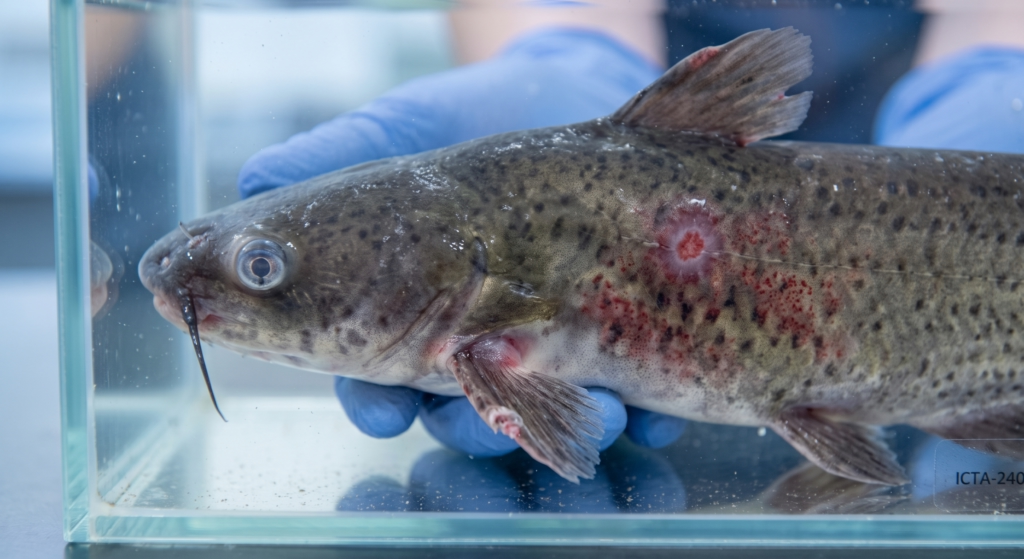
- Tissue Discoloration: Margins of the affected fins may turn white, milky, or dark/blackened, frequently accompanied by red, inflamed bases (hemorrhagic spots).
- Progressive Tissue Loss: As the disease advances, fin rays erode completely down toward the base, severely impairing the fish’s swimming stability and balance.
- Behavioral Indicators: Fish may display lethargy, loss of appetite (going off-feed), and sluggish movement near the water surface or pond edges.
3. Root Causes and Environmental Triggers
Fin rot outbreaks are heavily tied to environmental stress and poor management practices:
- Compromised Water Quality: High concentrations of nitrogenous wastes (ammonia and nitrite) coupled with critically low dissolved oxygen (DO) levels.
- High Organic Loads: Heavy accumulations of unconsumed feed and fecal waste create a nutrient-dense breeding ground that accelerates bacterial proliferation.
- Overcrowding: High stocking densities increase physical contact between fish, elevate nipping behavior, and accelerate waste buildup.
- Physical Trauma: Abrasions from netting, grading, sorting, or transport provide direct entry points for fin-rotting bacteria.
4. Prevention and Management Strategies
Preventing fin rot relies on minimizing physical damage and maintaining pristine environmental conditions:
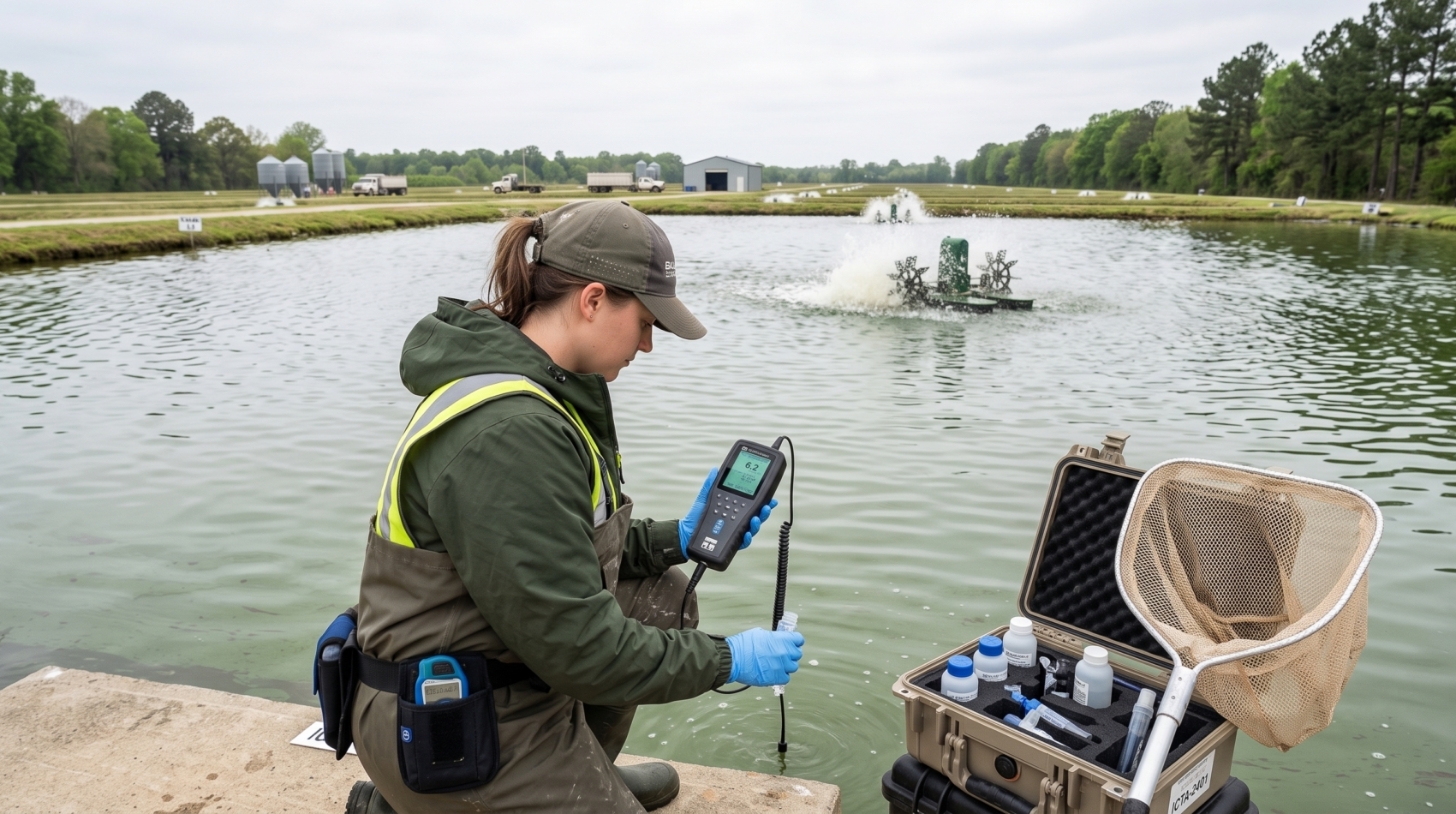
- Maintain Pristine Water Quality: Keep dissolved oxygen high (>4 mg/L), stabilize pH (6.5–8.5), and keep nitrogenous wastes near zero through consistent water exchange protocols.
- Stress Reduction: Handle fish gently during sorting and transport, utilizing prophylactic salt baths to minimize physical injury and reduce osmotic stress.
- Nutritional Support: Administer high-quality commercial feeds supplemented with Vitamin C and immunostimulants to bolster natural tissue repair and immune defenses.
- Strict Biosecurity: Quarantine incoming stock, regularly disinfect equipment, and remove dead fish daily to control pathogen loads.
Need Assistance?
Are you currently dealing with fin rot, open sores, or unusual mortality rates in your catfish ponds? Please contact us today for professional guidance, water quality troubleshooting, and tailored treatment strategies to protect your stock.