Bacterial Skin Ulcers in Catfish: Symptoms, Causes, Prevention, and Treatment
Bacterial skin ulcers represent one of the most visible and distressing health challenges in catfish aquaculture. These painful, open sores are rarely isolated cosmetic issues; they are frequently the external manifestation of systemic bacterial infections or localized tissue breakdown driven by opportunistic pathogens like Aeromonas and Pseudomonas species. If left unmanaged, superficial skin abrasions can quickly develop into deep, necrotic ulcers that invite secondary infections and lead to heavy stock mortalities.
1. Primary Pathogens and Infection Dynamics
- Opportunistic Pathogens: Bacteria such as Aeromonas hydrophila and Pseudomonas species are ubiquitous in aquatic environments and take advantage when a fish’s defenses are lowered.
- Entry Points: Ulcers typically begin when the natural protective slime coat (mucus layer) and skin barrier are compromised by physical trauma, handling, or parasites.
- Disease Progression: What starts as a small red patch can rapidly deteriorate into an open sore, exposing underlying muscle tissue to secondary bacterial and fungal colonization.
2. Clinical Symptoms and Warning Signs
Recognizing the stages of skin ulcer development helps farmers intervene before systemic septicemia sets in:
- Early Signs: Small hemorrhagic red spots or localized areas of scale detachment and discoloration.
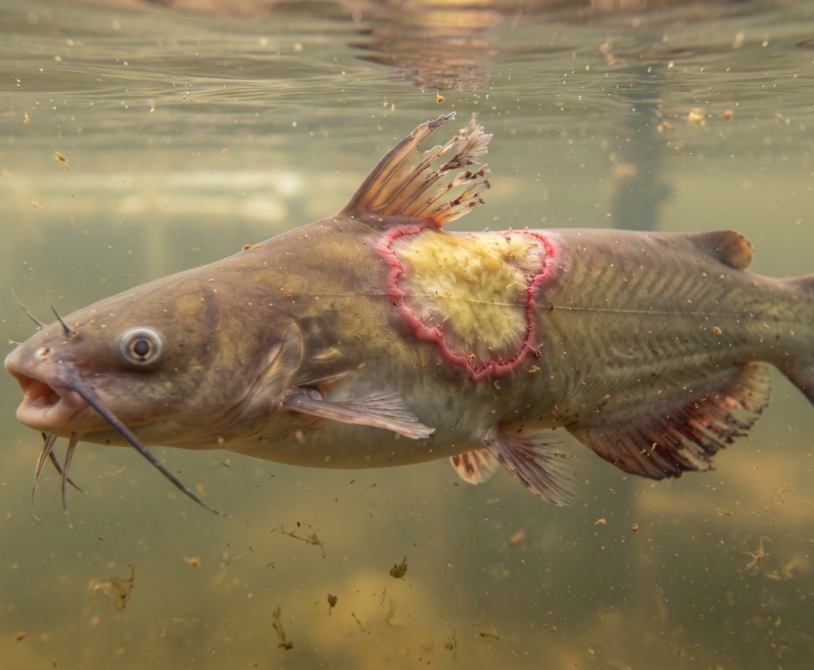
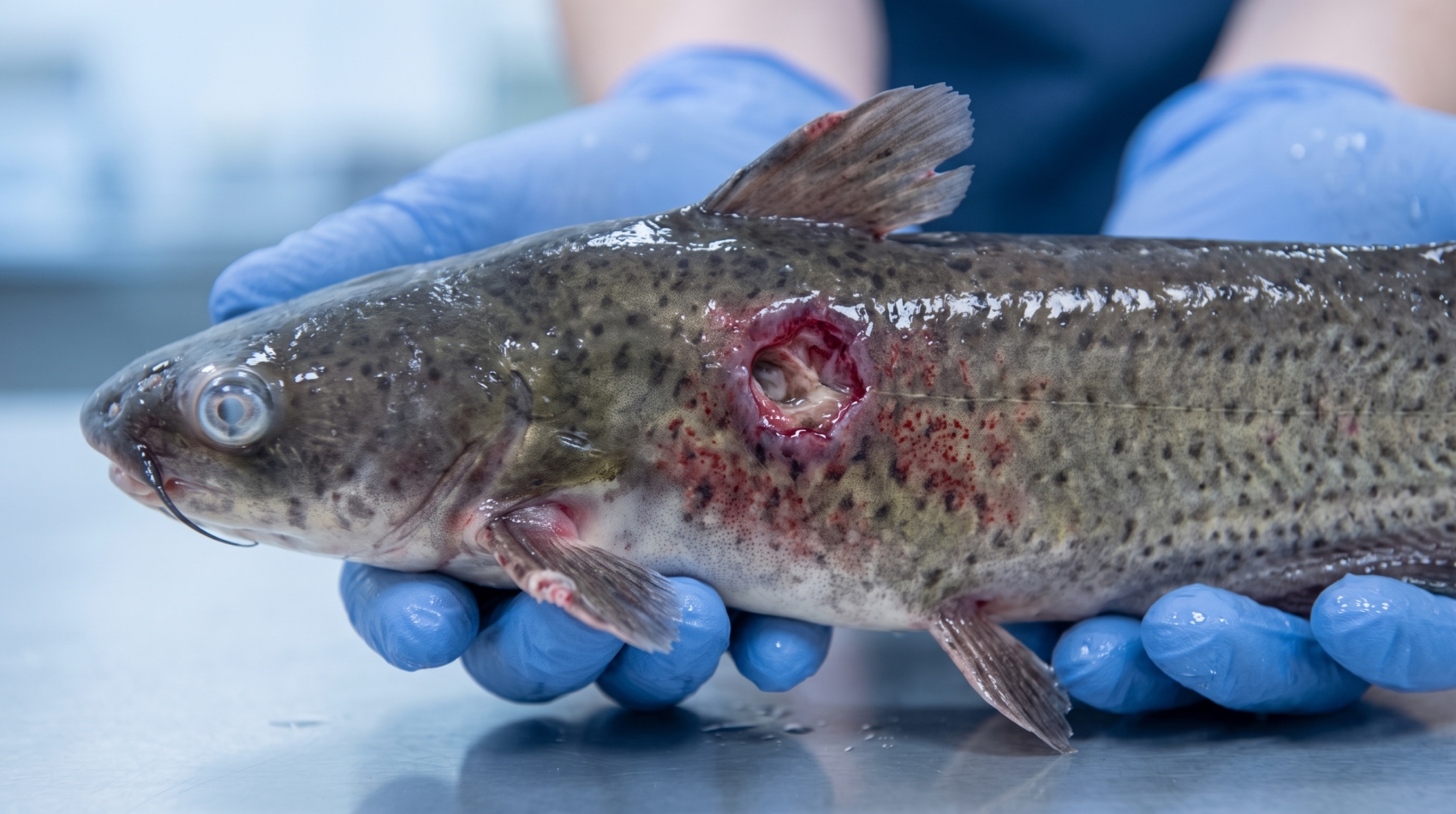
- Advanced Ulceration: Open, bleeding, or crater-like sores with exposed white or necrotic muscle tissue, frequently bordered by a distinct red inflammatory ring.
- Associated External Signs: Frayed or eroded fins (tail rot) and exophthalmia (“pop-eye”) resulting from fluid imbalance.
- Behavioral Red Flags: Lethargy, loss of appetite (going off-feed), and sluggish movement near the water surface or pond edges.

3. Root Causes and Environmental Triggers
Ulcer outbreaks are heavily tied to environmental stress and poor management practices:
- Compromised Water Quality: High concentrations of nitrogenous wastes (ammonia and nitrite) coupled with critically low dissolved oxygen (DO) levels.
- High Organic Loads: Heavy accumulations of unconsumed feed and fecal waste create a nutrient-dense breeding ground for high bacterial loads.
- Overcrowding: High stocking densities increase physical contact, accelerate waste buildup, and elevate stress across the population.
- Physical Trauma: Abrasions from netting, grading, sorting, or transport provide direct entry points for ulcer-causing bacteria.
4. Prevention and Management Strategies
Preventing skin ulcers requires minimizing physical trauma and maintaining optimal environmental conditions:
- Maintain Pristine Water Quality: Keep dissolved oxygen high (>4 mg/L), stabilize pH (6.5–8.5), and keep nitrogenous wastes near zero through consistent water exchange protocols.
- Stress Reduction: Handle fish gently during sorting and transport, utilizing prophylactic salt baths to minimize physical injury and reduce osmotic stress.
- Nutritional Support: Administer high-quality commercial feeds supplemented with Vitamin C and immunostimulants to bolster natural skin barrier repair and immune defenses.
- Strict Biosecurity: Quarantine incoming stock, regularly disinfect equipment, and remove dead fish daily.
Need Assistance?
Are you currently dealing with skin ulcers, open sores, or unusual mortality rates in your catfish ponds? Please contact us today for professional guidance, water quality troubleshooting, and tailored treatment strategies to protect your stock.Bacterial skin ulcers represent one of the most visible and distressing health challenges in catfish aquaculture. These painful, open sores are rarely isolated cosmetic issues; they are frequently the external manifestation of systemic bacterial infections or localized tissue breakdown driven by opportunistic pathogens like Aeromonas and Pseudomonas species. If left unmanaged, superficial skin abrasions can quickly develop into deep, necrotic ulcers that invite secondary infections and lead to heavy stock mortalities.
1. Primary Pathogens and Infection Dynamics
- Opportunistic Pathogens: Bacteria such as Aeromonas hydrophila and Pseudomonas species are ubiquitous in aquatic environments and take advantage when a fish’s defenses are lowered.
- Entry Points: Ulcers typically begin when the natural protective slime coat (mucus layer) and skin barrier are compromised by physical trauma, handling, or parasites.
- Disease Progression: What starts as a small red patch can rapidly deteriorate into an open sore, exposing underlying muscle tissue to secondary bacterial and fungal colonization.
2. Clinical Symptoms and Warning Signs
Recognizing the stages of skin ulcer development helps farmers intervene before systemic septicemia sets in:
- Early Signs: Small hemorrhagic red spots or localized areas of scale detachment and discoloration.
- Advanced Ulceration: Open, bleeding, or crater-like sores with exposed white or necrotic muscle tissue, frequently bordered by a distinct red inflammatory ring.
- Associated External Signs: Frayed or eroded fins (tail rot) and exophthalmia (“pop-eye”) resulting from fluid imbalance.
- Behavioral Red Flags: Lethargy, loss of appetite (going off-feed), and sluggish movement near the water surface or pond edges.
3. Root Causes and Environmental Triggers
Ulcer outbreaks are heavily tied to environmental stress and poor management practices:
- Compromised Water Quality: High concentrations of nitrogenous wastes (ammonia and nitrite) coupled with critically low dissolved oxygen (DO) levels.
- High Organic Loads: Heavy accumulations of unconsumed feed and fecal waste create a nutrient-dense breeding ground for high bacterial loads.
- Overcrowding: High stocking densities increase physical contact, accelerate waste buildup, and elevate stress across the population.
- Physical Trauma: Abrasions from netting, grading, sorting, or transport provide direct entry points for ulcer-causing bacteria.
4. Prevention and Management Strategies
Preventing skin ulcers requires minimizing physical trauma and maintaining optimal environmental conditions:
- Maintain Pristine Water Quality: Keep dissolved oxygen high (>4 mg/L), stabilize pH (6.5–8.5), and keep nitrogenous wastes near zero through consistent water exchange protocols.
- Stress Reduction: Handle fish gently during sorting and transport, utilizing prophylactic salt baths to minimize physical injury and reduce osmotic stress.
- Nutritional Support: Administer high-quality commercial feeds supplemented with Vitamin C and immunostimulants to bolster natural skin barrier repair and immune defenses.
- Strict Biosecurity: Quarantine incoming stock, regularly disinfect equipment, and remove dead fish daily.
Need Assistance?
Are you currently dealing with skin ulcers, open sores, or unusual mortality rates in your catfish ponds? Please contact us today for professional guidance, water quality troubleshooting, and tailored treatment strategies to protect your stock.