Bacterial septicemia—encompassing severe systemic conditions like Motile Aeromonas Septicemia (MAS) and Enteric Septicemia of Catfish (ESC)—represents one of the most critical biological threats to aquaculture production. When pathogenic bacteria breach the bloodstream, they can rapidly affect multiple internal organs, leading to high mortality rates if left unchecked.
1. Major Pathogens Causing Septicemia
- Motile Aeromonas Septicemia (MAS): Caused by Aeromonas species (such as Aeromonas hydrophila), which target internal organs, blood, and skin and muscle tissue.
- Enteric Septicemia of Catfish (ESC): Caused by Edwardsiella ictaluri, primarily targeting the brain, kidneys, liver, and blood of channel catfish and related species.
- Secondary Infections: Septicemic bacteria frequently act as aggressive secondary invaders when fish are already immunocompromised by environmental stress.
2. Clinical Symptoms and Warning Signs
Early detection of systemic bacterial septicemia is vital for preventing widespread stock loss:
- Behavioral Red Signs: Fish show severe lethargy, loss of appetite, sluggish movement near pond edges, and erratic surface swimming.
- External Lesions: Manifest as hemorrhagic red spots, open skin ulcers, deep necrotic muscle sores, frayed fins, and exophthalmia (“pop-eye”).
- Internal Findings (Necropsy): Post-mortem examinations typically reveal fluid-filled swollen abdomens (ascites), enlarged kidneys and spleen, pale or mottled livers, and bloody intestines.
3. Root Causes and Environmental Triggers
Systemic outbreaks are rarely spontaneous; they are typically triggered by environmental stressors that compromise the fish’s natural immunity:
- Compromised Water Quality: High concentrations of ammonia and nitrite coupled with critically low dissolved oxygen (DO) levels.
- High Organic Loads: Heavy accumulations of unconsumed feed and fecal waste create a nutrient-dense environment for bacterial proliferation.
- Overcrowding: High stocking densities accelerate waste buildup, deplete oxygen rapidly, and increase physical contact.
- Physical Trauma: Abrasions from sorting, handling, netting, or transport provide direct entry points for systemic bacterial invasion.
4. Prevention and Management Strategies
Protecting a catfish stock from septicemia requires rigorous, proactive farm management:
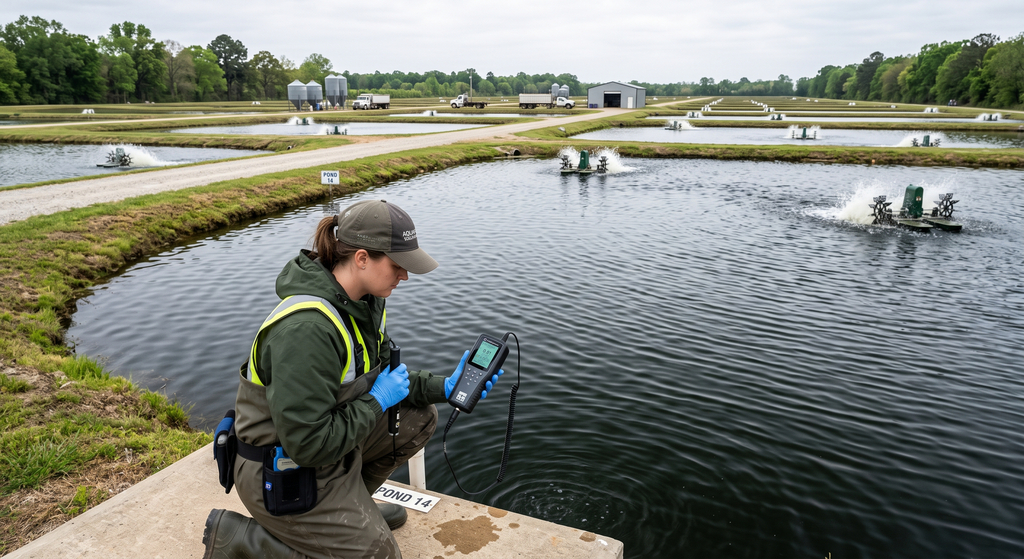
- Maintain Pristine Water Quality: Keep dissolved oxygen high (>4 mg/L), stabilize pH (6.5–8.5), and keep nitrogenous wastes near zero through regular water exchange protocols.
- Nutritional Support: Administer high-quality commercial feeds supplemented with Vitamin C and immunostimulants to bolster natural disease resistance.
- Strict Biosecurity: Quarantine all incoming fingerlings, regularly disinfect equipment (nets, grading tables, boots), and remove dead fish daily.
- Stress Reduction: Handle fish gently during sorting and transport, utilizing prophylactic salt baths to minimize physical trauma.
Need Assistance?
Are you currently dealing with suspected bacterial septicemia, high mortality rates, or unusual clinical signs in your catfish ponds? Please contact us today for professional guidance, water quality troubleshooting, and tailored treatment strategies to protect your stock.