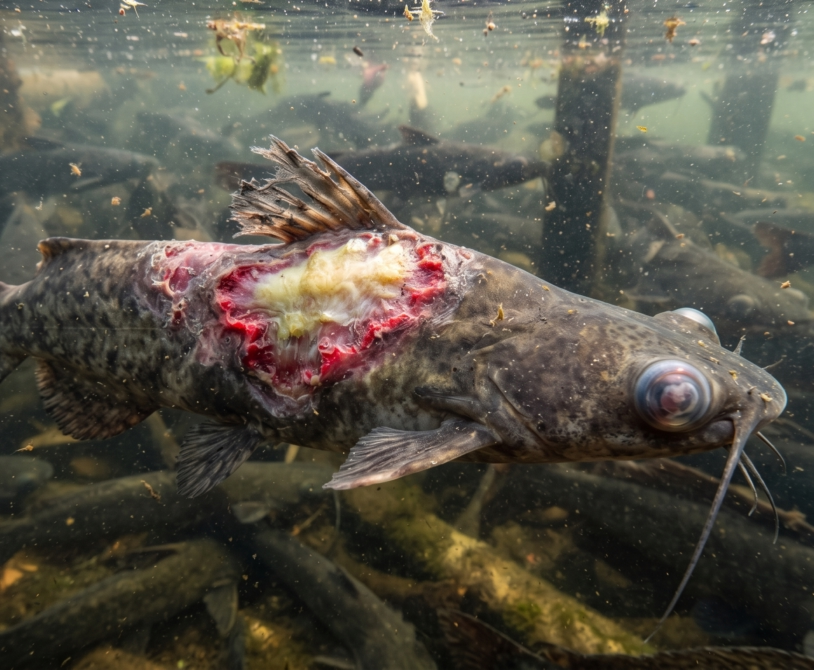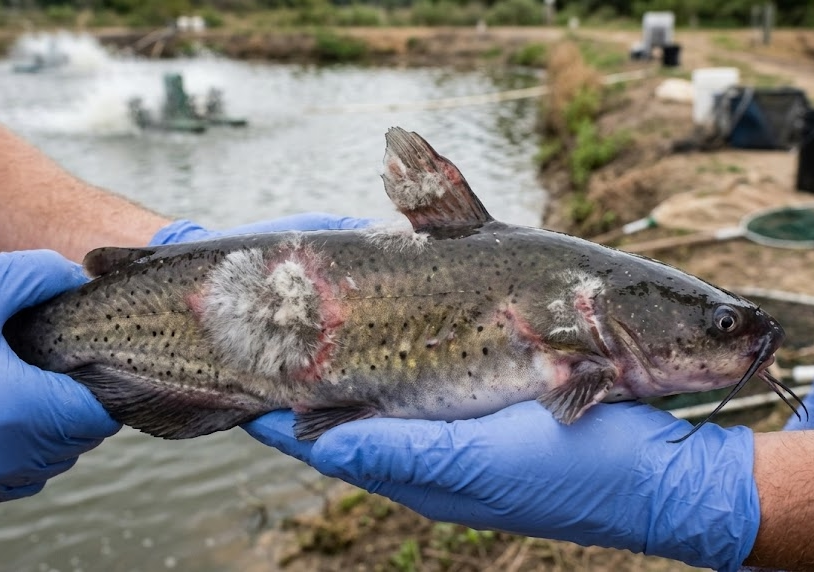
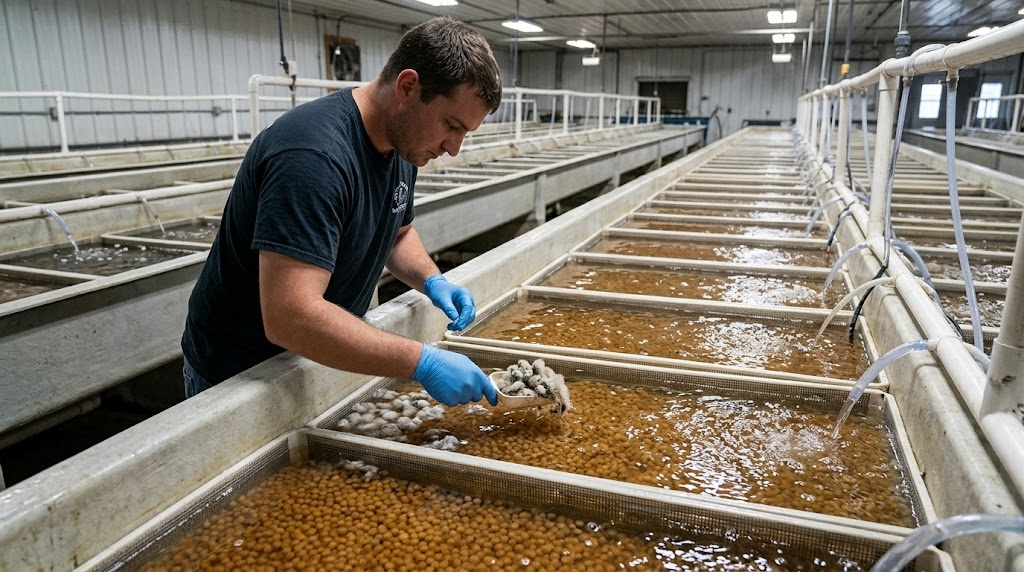
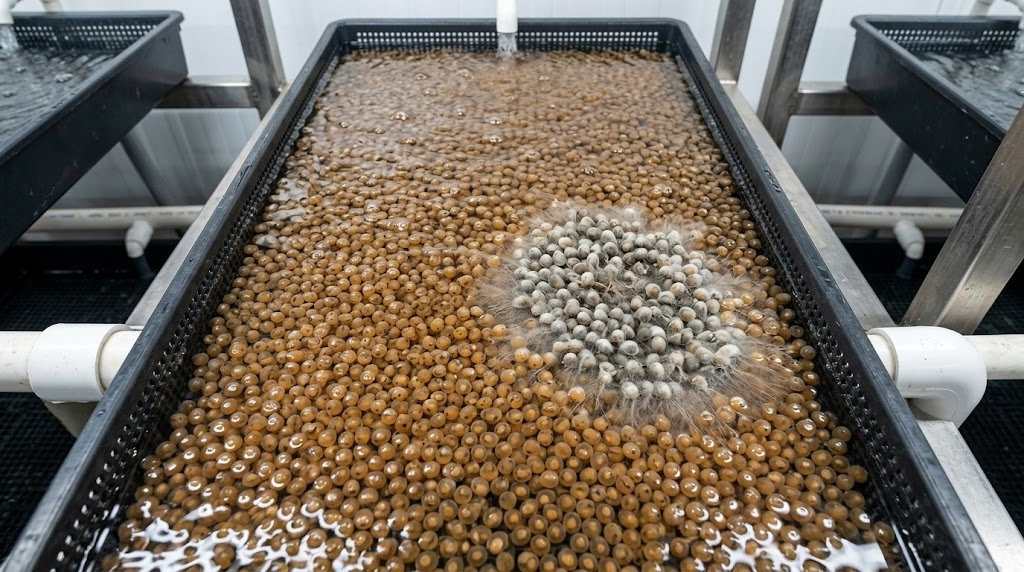
In catfish hatchery operations, egg incubation is a delicate and high-stakes phase. Because fertilized eggs are stationary, densely packed, and rich in nutrients, they are exceptionally vulnerable to water molds—specifically Saprolegnia species. If left unchecked, a single infected egg can quickly sprout cotton-like mycelia that knit adjacent embryos together into a suffocating mass, wiping out an entire batch in a matter of hours.
Preventing fungal outbreaks in incubating eggs requires a rigorous combination of hygiene, water quality management, and proactive hatchery protocols.
1. Meticulous Egg Sanitation and Sorting
The primary trigger for hatchery fungal outbreaks is the presence of dead or unfertilized tissue:
- Prompt Removal of Dead Eggs: Healthy, fertilized catfish eggs maintain a translucent or amber-to-yellowish hue, while unfertilized or dead eggs turn opaque and white. Remove dead or ruptured eggs as early as possible after spawning, as they lack living defenses and serve as immediate breeding grounds for fungal spores.
- Surface Disinfection: Utilize approved surface disinfectants (such as buffered iodine solutions applied strictly according to aquaculture guidelines) during the early water-hardening stage to sanitize egg shells without harming developing embryos.
2. Optimizing Water Flow and Aeration
Stagnant conditions and low oxygen levels encourage fungal spores to germinate and spread rapidly through egg masses:
- Maintain Steady, Gentle Current: Ensure a continuous, smooth flow of water through hatching troughs, jars, or trays. Proper circulation prevents debris accumulation and washes away stray spores before they can attach.
- High Dissolved Oxygen: Keep oxygen levels high throughout incubation to support strong embryonic respiration and natural metabolic defenses.
3. Water Filtration and Prophylactic Treatments
Incoming raw water sources frequently carry high loads of dormant fungal spores into the hatchery:
- Effective Filtration: Utilize fine mechanical filtration, UV sterilizers, or settling basins on incoming water supplies to significantly reduce spore counts before water enters the hatching system.
- Prophylactic Formalin Treatments: In many professional hatcheries, controlled, low-dose formalin flushes are administered periodically during incubation under strict veterinary oversight to suppress fungal spore viability without stressing the developing embryos.
4. Strict Hatchery Biosecurity and Equipment Hygiene
Cross-contamination is a major vector for introducing Saprolegnia into clean hatching troughs:
- Thorough Equipment Sanitization: Rigorously clean and disinfect all hatching jars, troughs, screens, siphon tubes, and tools between every spawning cycle using appropriate aquaculture disinfectants.
- Quarantine and Hygiene: Ensure staff wash hands and sanitize boots or equipment when moving between different hatchery sections.
Need Assistance?
Are you currently experiencing high egg mortality, fuzzy fungal clusters, or hatching challenges in your aquaculture facility? Please contact us today for professional guidance, hatchery troubleshooting, and tailored management strategies to safeguard your next production cycle.