
Feed is the largest cost line in commercial catfish production — consistently representing 60–70% of total operating costs in well-managed grow-out operations. The return on this cost investment is measured…
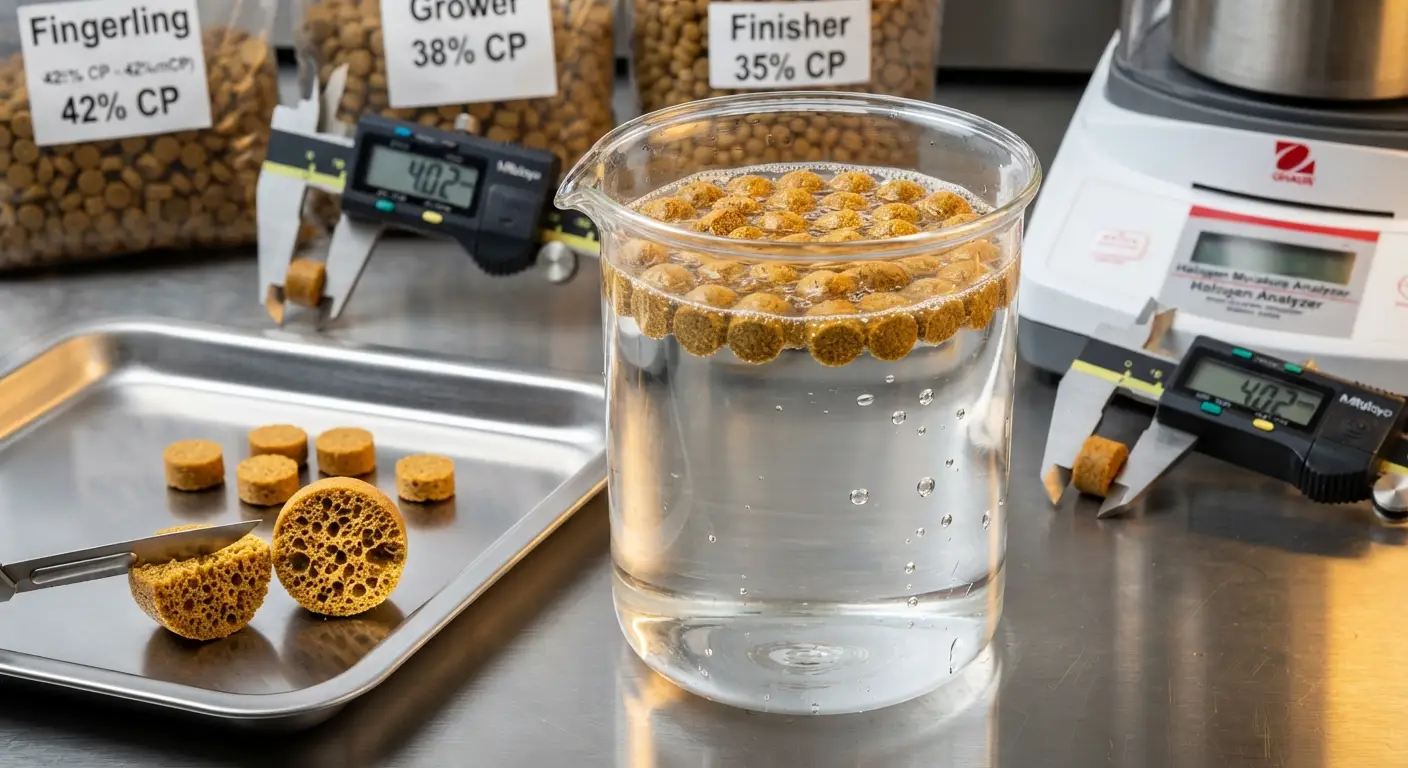
Feed is the largest cost line in commercial catfish production — consistently representing 60–70% of total operating costs in well-managed grow-out operations. The return on this cost investment is measured…
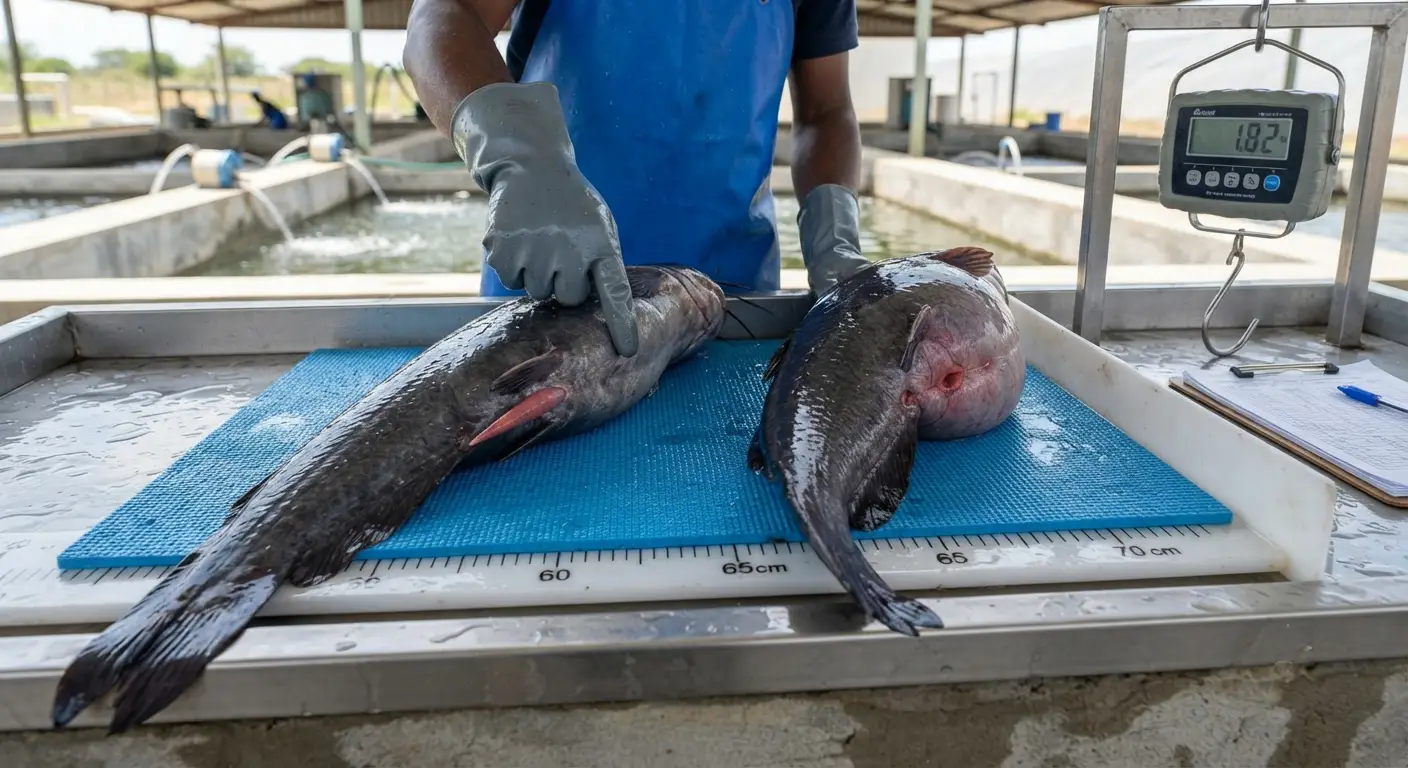
A catfish hatchery is only as good as its broodstock. This is not a vague statement about genetics — it is a specific, quantifiable relationship between the condition and quality…
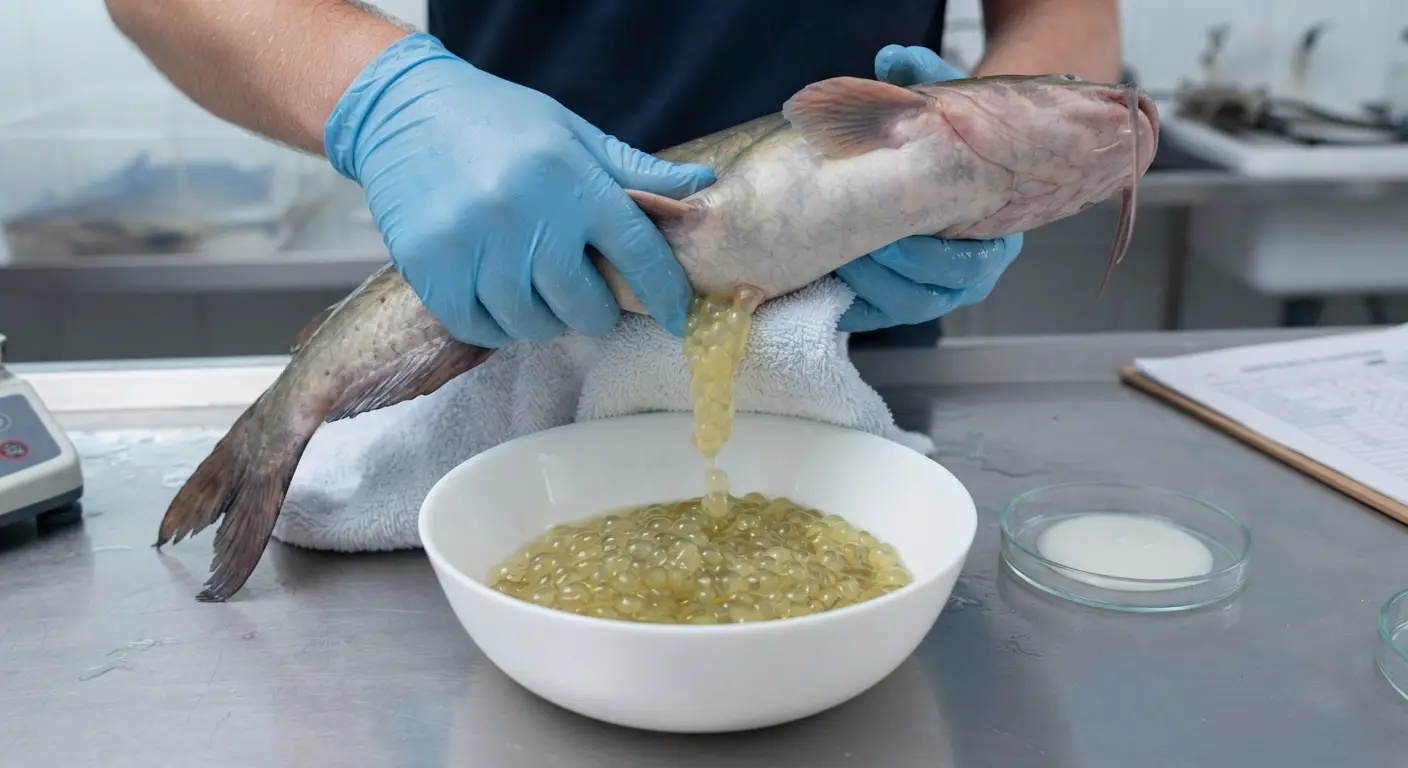
The commercial catfish hatchery’s fundamental production event is induced spawning — the hormonal stimulation of broodstock fish to complete the final maturation and release of eggs and sperm that natural…
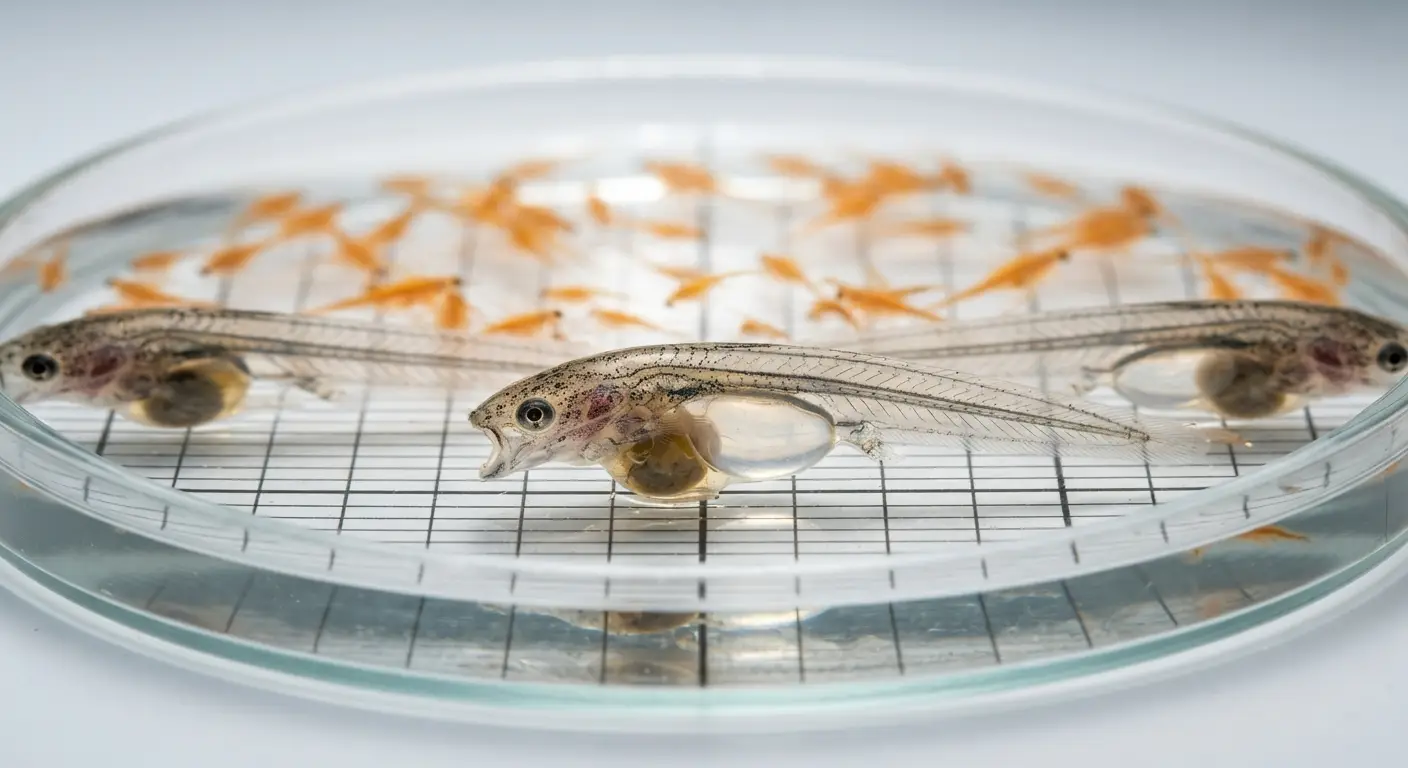
Larval rearing is the most technically demanding phase of commercial catfish production. The biological vulnerabilities of newly hatched catfish larvae — microscopic size, incomplete organ development, limited energy reserves, strong…
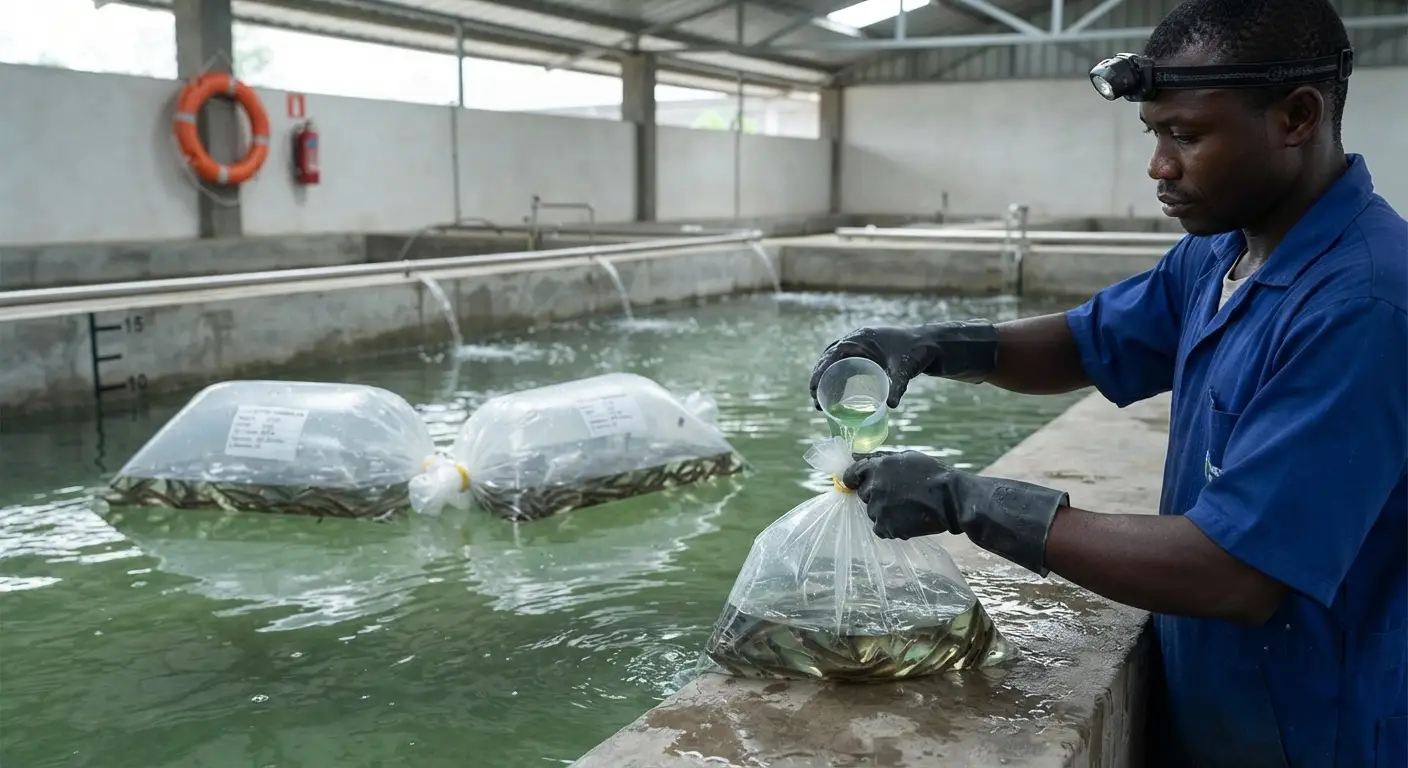
Every catfish grow-out operation begins with fingerling stocking — and the decisions made in the 72 hours surrounding that stocking event influence production performance for the entire grow-out cycle that…
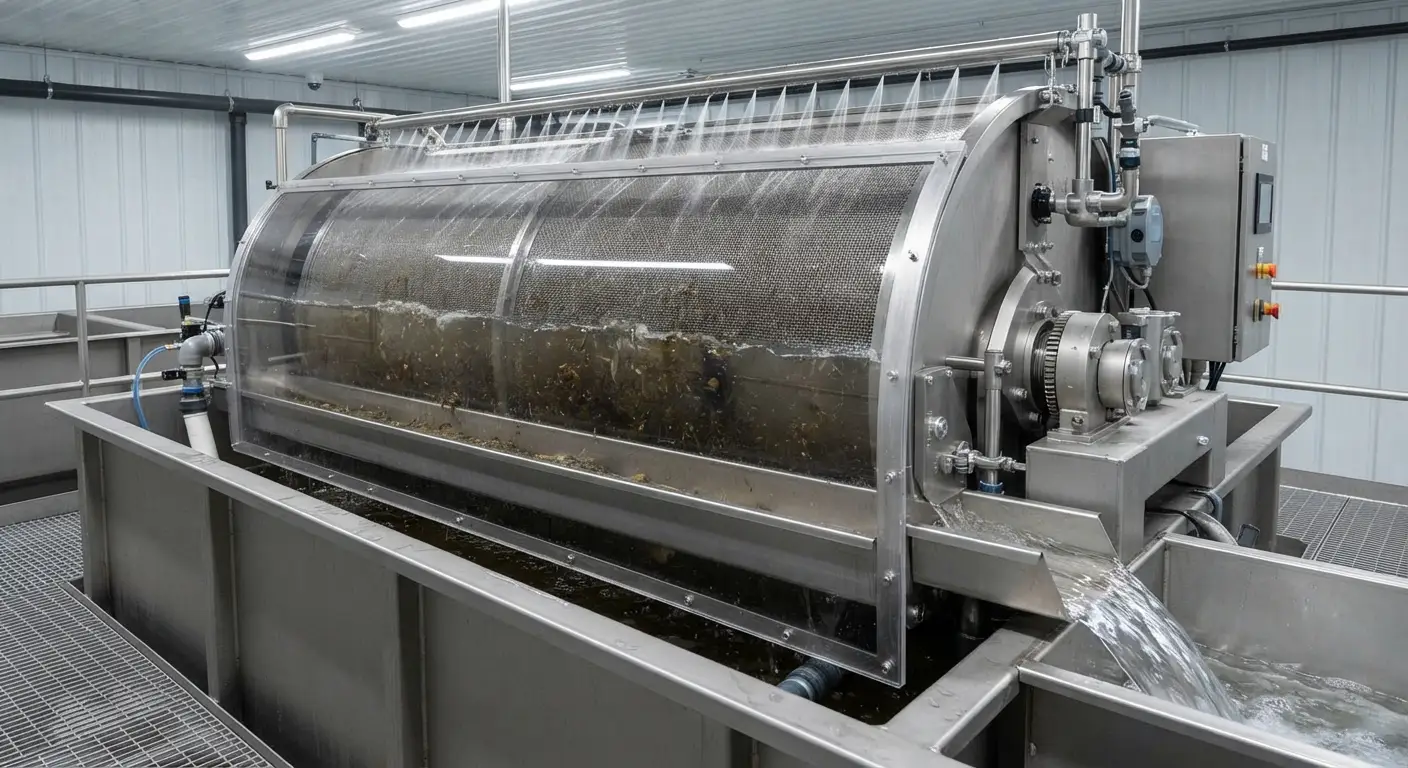
The fundamental constraint in any flow-through catfish production system — whether in an earthen pond or a concrete tank — is water. You can only stock as many fish as…
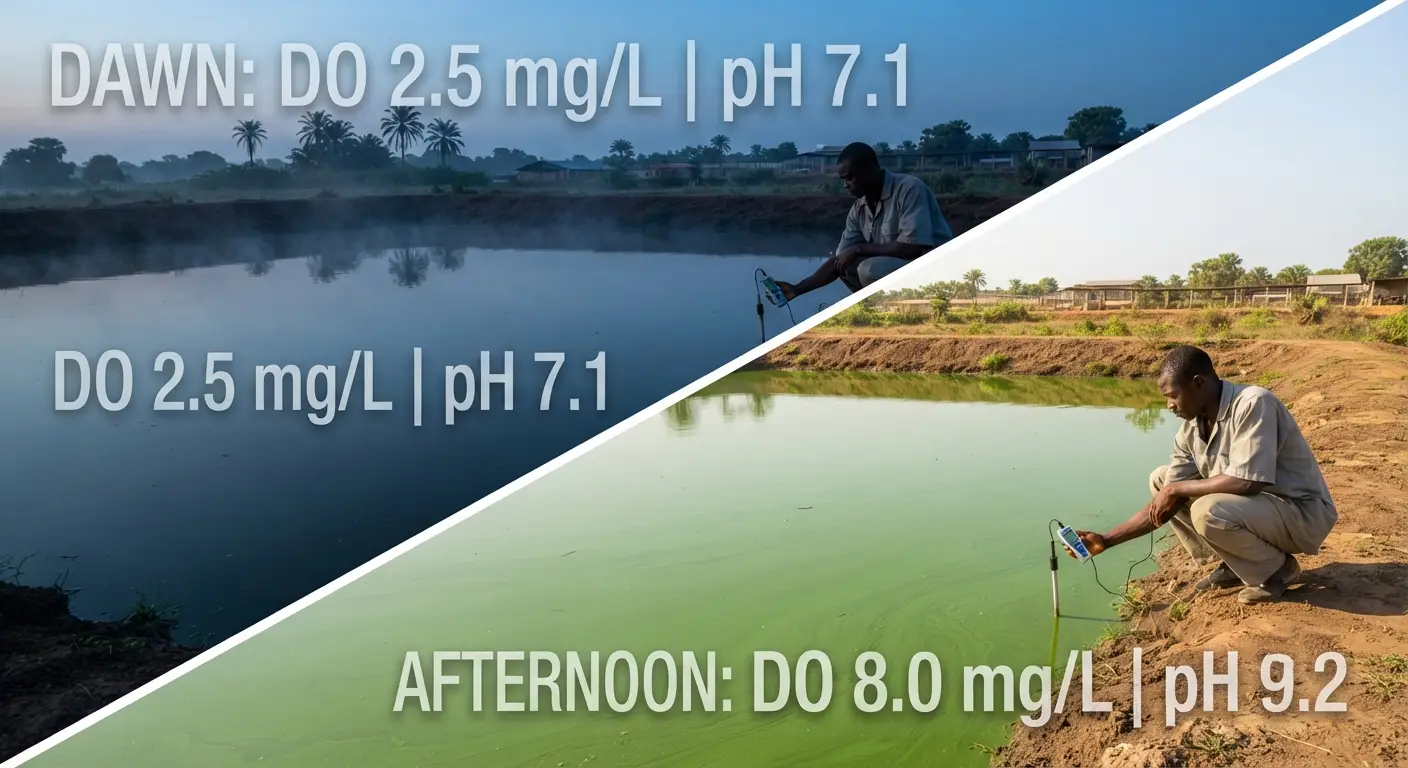
Dissolved oxygen gets the most management attention in catfish farming because its consequences are fastest — an oxygen crash kills in hours and is impossible to miss. The four parameters…
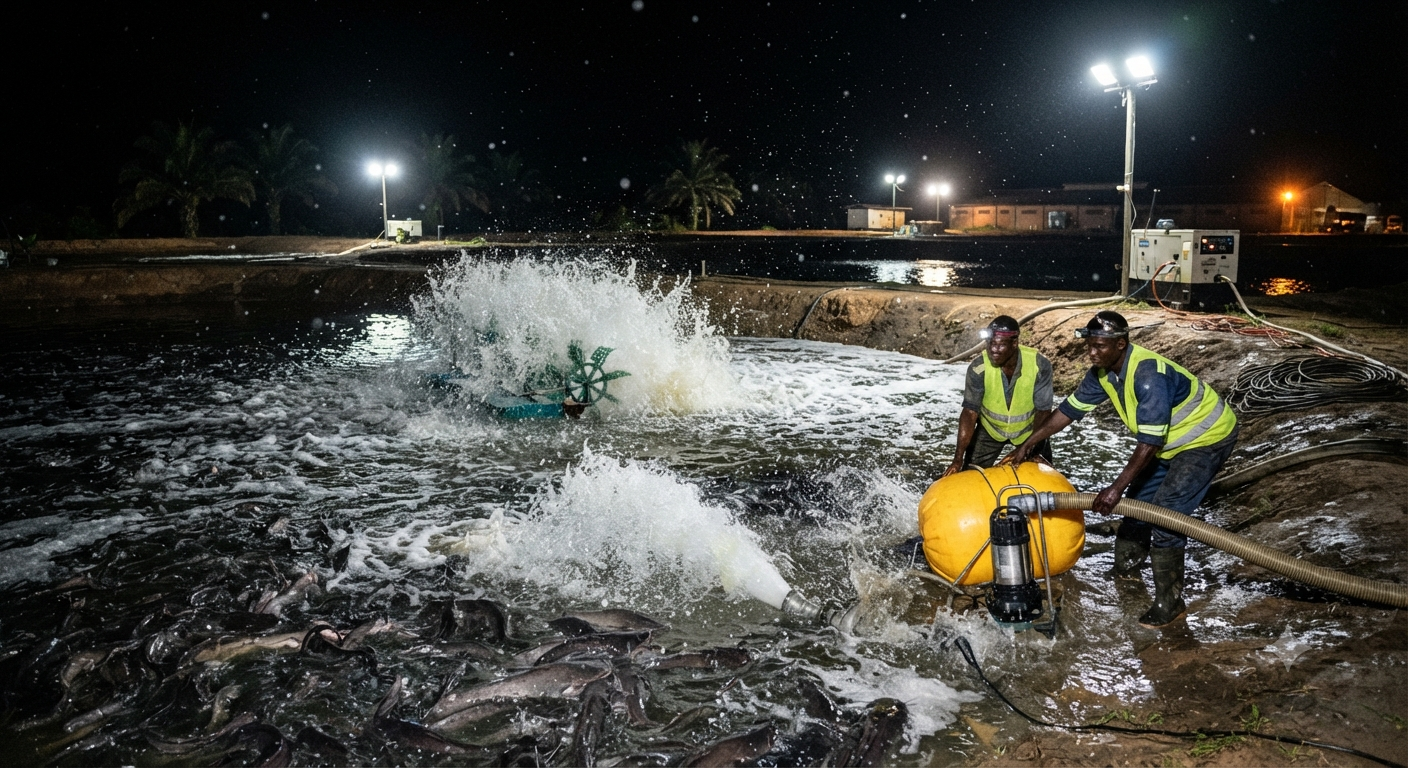
Of all the water quality parameters that commercial catfish farmers must manage — pH, ammonia, nitrite, temperature, turbidity — dissolved oxygen is the one that kills fastest. A pond or…
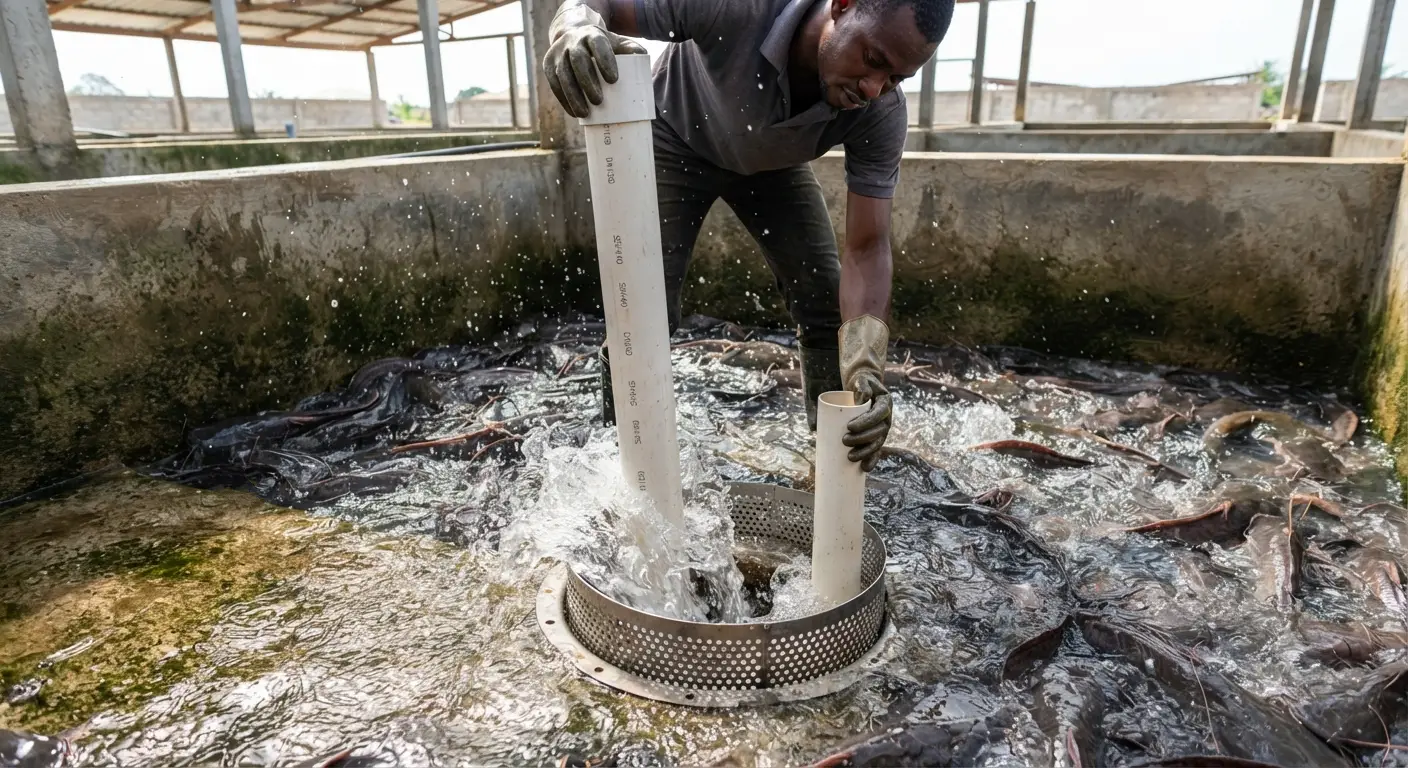
Plumbing and water engineering are the infrastructure that determines whether a catfish farm’s water quality management is easy or perpetually difficult. A correctly engineered water supply system delivers the right…
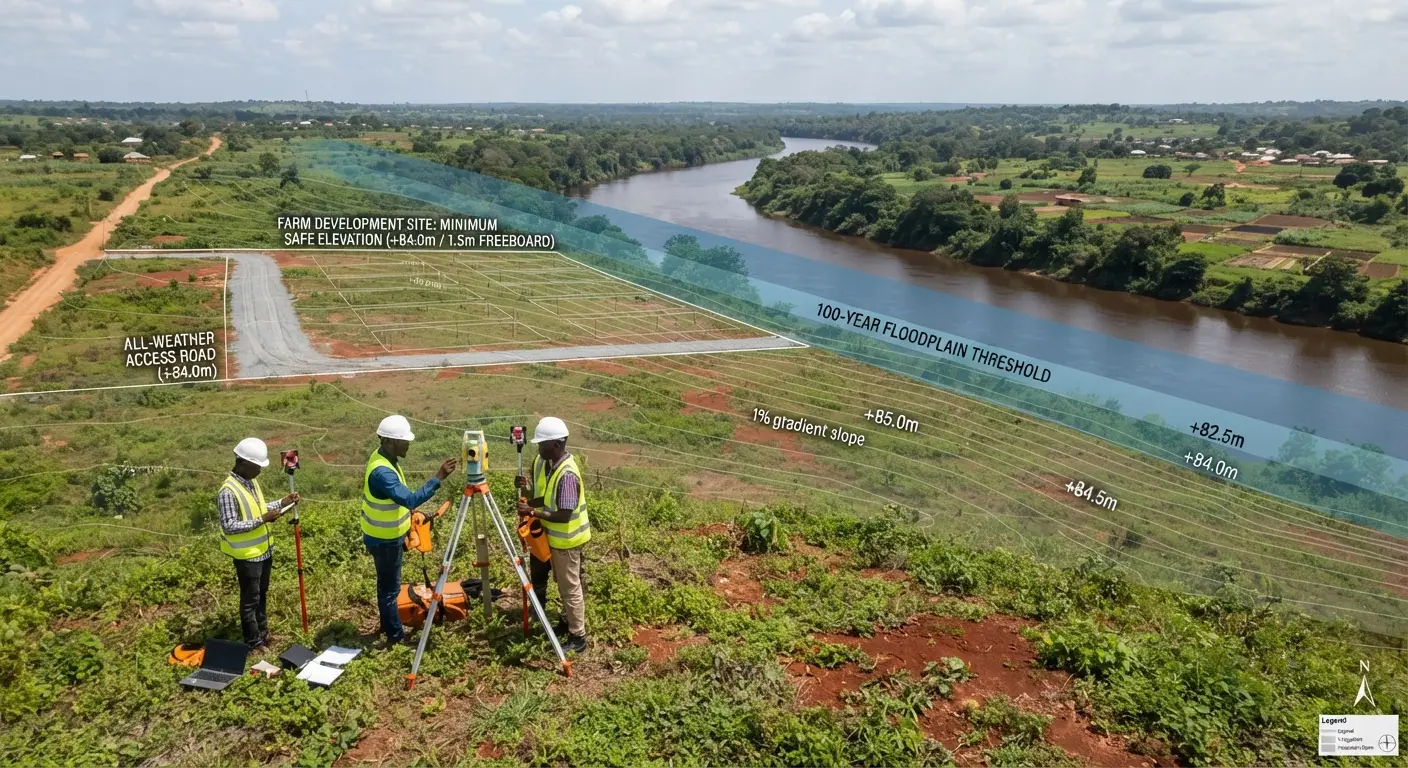
Site selection failures are the most expensive failures in commercial catfish farming because they are permanent. A wrong genetics decision can be corrected by restocking. A wrong feeding program can…