Catfish fry represent the most fragile and high-risk stage of aquaculture production. Newly hatched larvae and young fry possess delicate, thin skin, developing immune systems, and unformed scales, making them exceptionally vulnerable to environmental stressors and pathogens. Among the greatest biological threats during this early life stage are fungal diseases, which can wipe out an entire hatchery batch within days if left unchecked.
1. Major Fungal Pathogens Affecting Fry
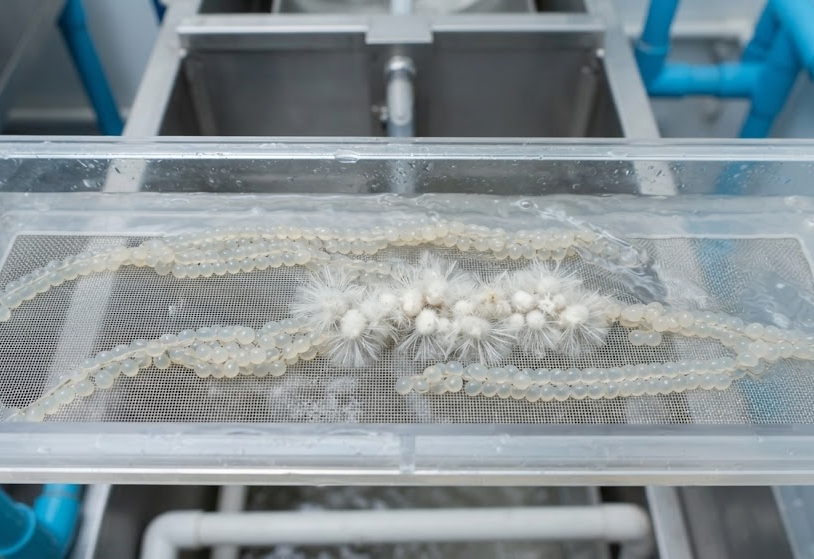
- Water Molds (Saprolegnia species): By far the most prevalent fungal pathogen in freshwater hatcheries, Saprolegnia spores are ubiquitous in water supplies and aggressively target stressed, injured, or dead fry as well as unfertilized egg masses. MD
- Secondary Infection Risks: Fungal outbreaks in fry frequently follow primary physical trauma, handling shock, or bacterial infections, rapidly compounding larval mortality rates. MD
2. Clinical Symptoms in Catfish Fry
Recognizing early warning signs in small fry is challenging due to their size, but specific indicators signal a developing fungal issue:
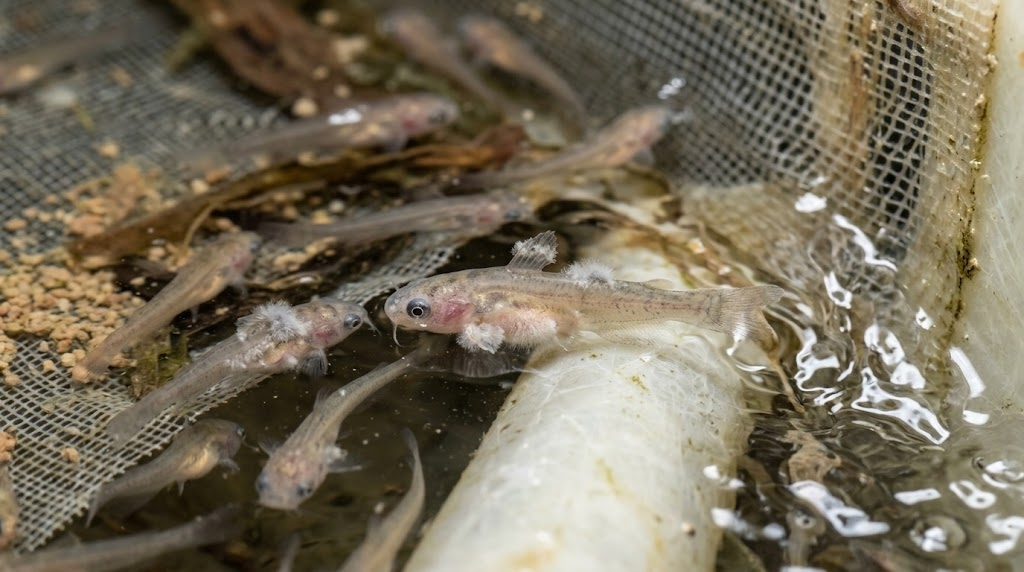
- Cotton-Like Growths: Visible fuzzy, thread-like patches of white, gray, or brownish mycelia clinging to the fry’s head, body, gills, or yolk sac.
- Yolk Sac Retention and Necrosis: Developing larvae may experience fungal colonization directly on the yolk sac, cutting off nutrient absorption and causing rapid mortality.
- Lethargy and Erratic Swimming: Fry become sluggish, lose their normal schooling or swimming buoyancy, and sink or drift toward stagnant pond edges or trough corners.
- Respiratory Distress: When the fungus colonizes delicate larval gills, fry gasp for air at the water surface or cluster heavily around incoming water jets and aerators.
3. Root Causes and Environmental Triggers
Fungal outbreaks in fry are rarely spontaneous; they are heavily catalyzed by hatchery management challenges and environmental drops:
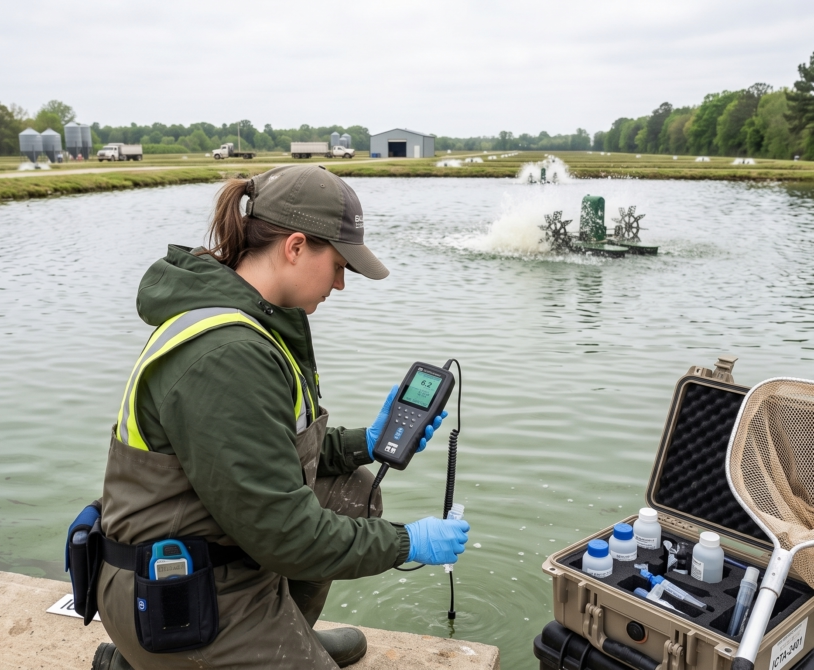
- Poor Water Quality: High concentrations of nitrogenous wastes (ammonia and nitrite) and low dissolved oxygen (DO) levels severely compromise the fry’s delicate physiological defenses. MD
- High Organic Loads: Excess unconsumed starter feed and heavy fecal waste accumulation create a nutrient-dense breeding ground that accelerates fungal spore proliferation. MD
- Handling and Stocking Stress: Rapid grading, transfer, or high stocking densities in rearing tanks cause mechanical abrasions that strip away the larval mucus layer, providing direct entry points for fungal hyphae. MD
- Inadequate Water Flow: Stagnant zones in troughs or nursery tanks reduce oxygen availability and allow spore concentrations to build up rapidly around the young fish.
4. Prevention and Biosecurity Strategies
Protecting catfish fry requires strict hatchery hygiene and proactive environmental management:
- Maintain Pristine Water Conditions: Keep dissolved oxygen high (>4 mg/L), stabilize pH, and keep nitrogenous wastes near zero through consistent, gentle water exchange protocols. MD
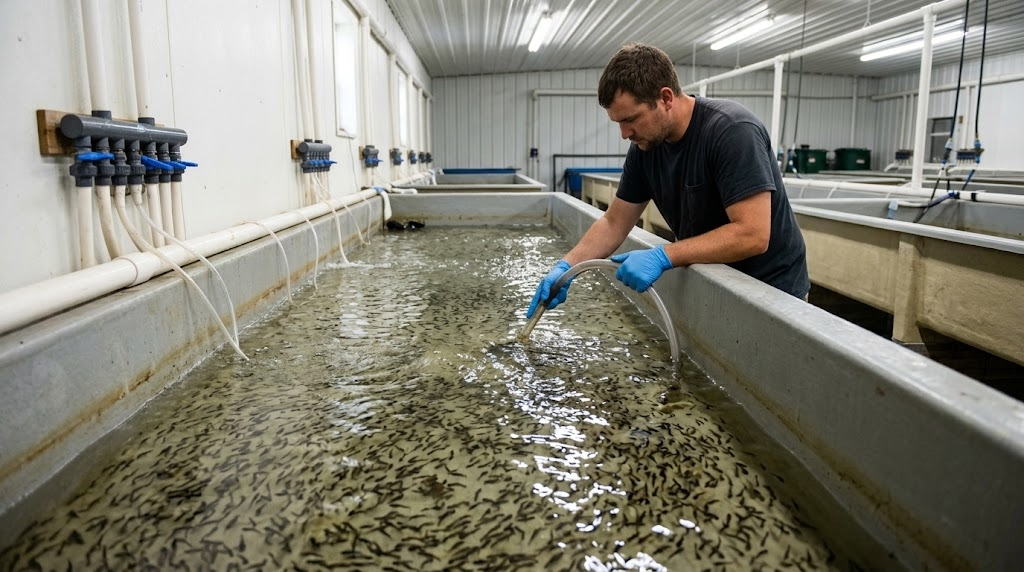
- Rigid Tank Sanitation: Thoroughly clean and disinfect all rearing troughs, screens, and equipment between batches to eliminate dormant fungal spores.
- Control Organic Waste: Feed starter diets carefully to avoid excess accumulation, and siphon out uneaten feed or debris daily.
- Gentle Handling: Minimize physical stress and air exposure when moving fry from hatching troughs to nursery ponds or tanks. MD
Need Assistance?
Are you currently experiencing high fry mortality, fuzzy fungal growths, or hatching challenges in your aquaculture facility? Please contact us today for professional guidance, hatchery troubleshooting, and tailored management strategies to safeguard your next production cycle.