Parasitic infections represent one of the most persistent biological challenges in African catfish (Clarias gariepinus) aquaculture. While fish can harbor low parasite loads in the wild without major clinical harm, intensive farming systems—characterized by high stocking densities, elevated organic loads, and handling stress—often create conditions where parasite populations explode. Left unmanaged, parasites damage delicate gill tissues, erode skin barriers, rob fish of essential nutrients, and pave the way for secondary bacterial and fungal infections.
1. Major Parasite Groups Affecting African Catfish
Catfish parasites are generally divided into two main categories based on where they attach to the host:
A. Ectoparasites (External Parasites)
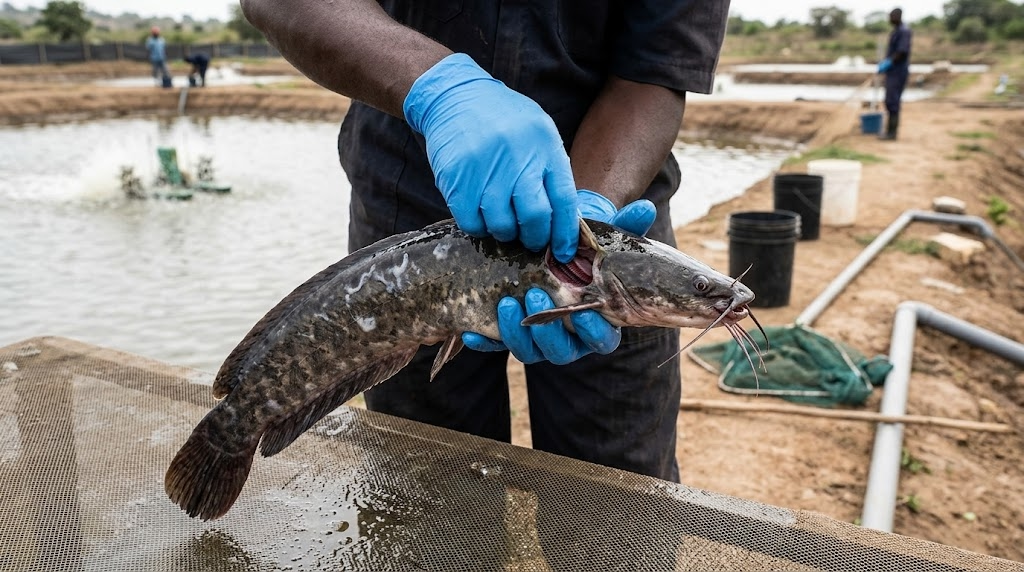
Ectoparasites live on the fish’s skin, fins, and gills, causing irritation, excessive mucus production, and tissue damage.
- Protozoan Parasites (e.g., Ichthyophthirius multifiliis / “Ich”, Trichodina, Costia): Microscopic single-celled organisms that irritate the skin and gills, causing fish to flash (rub against surfaces) and experience severe respiratory distress.
- Monogenean Flukes (Gyrodactylus and Dactylogyrus): Flatworms that attach to the skin/fins (Gyrodactylus) or gills (Dactylogyrus), using hook-like structures that cause microscopic tissue damage and bleeding.
- Fish Lice (Argulus): Crustacean parasites that attach to the skin, piercing the flesh to feed on body fluids and leaving open wounds.
B. Endoparasites (Internal Parasites)
Endoparasites inhabit internal organs, the digestive tract, or musculature, impacting nutrient absorption and overall growth performance.
- Intestinal Worms (Nematodes and Cestodes): Worms that reside in the gut, competing with the host for nutrients and leading to poor feed conversion, emaciation (“pin-heading”), and stunted growth.
- Protozoan Blood and Tissue Parasites: Internal organisms that disrupt organ function under severe infection loads.
2. Clinical Symptoms of Parasitic Infestation
Recognizing the behavioral and physical warning signs of a parasitic outbreak allows farmers to intervene before heavy mortalities occur:
- Flashing and Rubbing: Fish repeatedly scraping their bodies against pond walls, tank sides, or bottom substrates to relieve intense skin irritation.
- Excessive Slime Production (Hyperexcited Mucus Secretion): A thick, cloudy, or grayish mucus coating covering the body and gills as the fish attempts to trap and wash away the invaders.
- Respiratory Distress (Gasping): Rapid opercular (gill cover) movement, fish clustering near water inlets or aerators, or gasping at the water surface due to gill tissue destruction and impaired oxygen exchange.
- Emaciation and “Pin-Head” Appearance: Weight loss, sunken bellies, and sharp head-to-body ratios despite regular feeding (common with heavy internal parasite loads).
- Secondary Infections: Open sores and frayed fins resulting from parasite-induced wounds that subsequently invite opportunistic bacteria (Aeromonas) or water molds (Saprolegnia).
3. Root Causes and Environmental Triggers
Parasite outbreaks do not happen in a vacuum; they are heavily driven by environmental imbalances and poor farm management:
- Overcrowding and High Stocking Densities: High fish numbers make it exceptionally easy for free-swimming parasite stages (such as Ich theronts or flukes) to locate a new host rapidly.
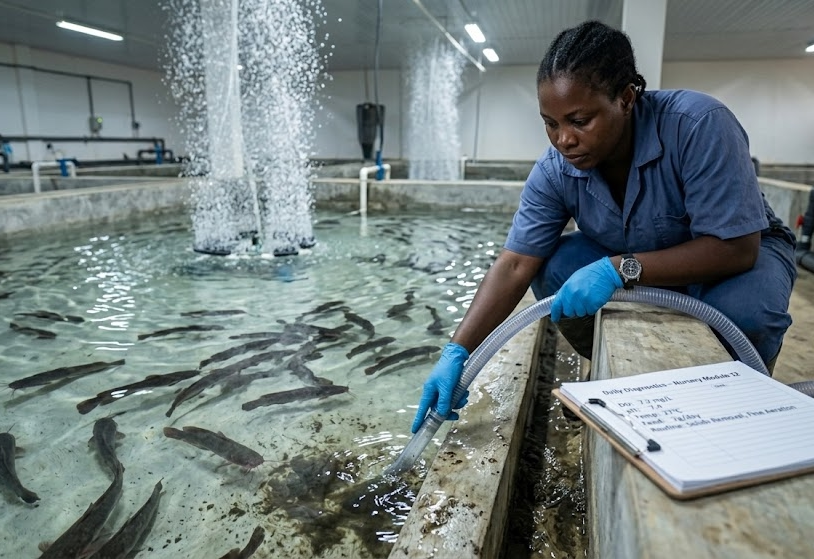
- Poor Water Quality: Elevated nitrogenous waste (ammonia and nitrite) and low dissolved oxygen weaken the fish’s immune system and degrade protective mucus barriers.
- High Organic Loads: Excess unconsumed feed and heavy fecal waste accumulation provide ideal nutrient-rich conditions for parasite life-cycle completion.
- Lack of Biosecurity: Introducing wild-caught broodstock, unquarantined fingerlings, or contaminated equipment without proper prophylactic treatment introduces parasites directly into clean production systems.
4. Prevention and Management Strategies
Controlling parasites relies on strict biosecurity, environmental stability, and proactive hygiene:
- Rigorous Quarantine Protocols: Always isolate and inspect incoming fingerlings or broodstock before introducing them to main production ponds or tanks.
- Maintain Pristine Water Quality: Keep dissolved oxygen levels high (>4 mg/L) and nitrogenous wastes near zero through consistent water exchange protocols.
- Strict Biosecurity and Disinfectants: Regularly clean and dry holding tanks, nets, and equipment between production cycles to break parasite life cycles.
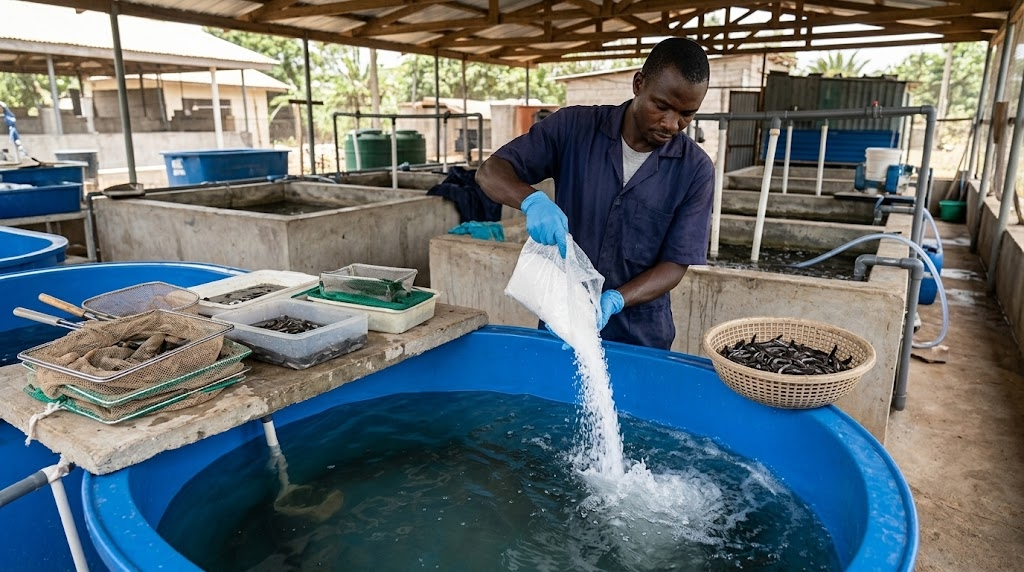
- Therapeutic Salt Baths: Utilize approved salt (sodium chloride) treatments to reduce osmotic stress, soothe damaged skin, and suppress external protozoan and monogenean populations.
Need Assistance?
Are you currently dealing with flashing behavior, gill distress, poor growth rates, or unusual mortality in your African catfish production system? Please contact us today
for professional guidance, water quality troubleshooting, and tailored parasite management strategies to protect your stock.