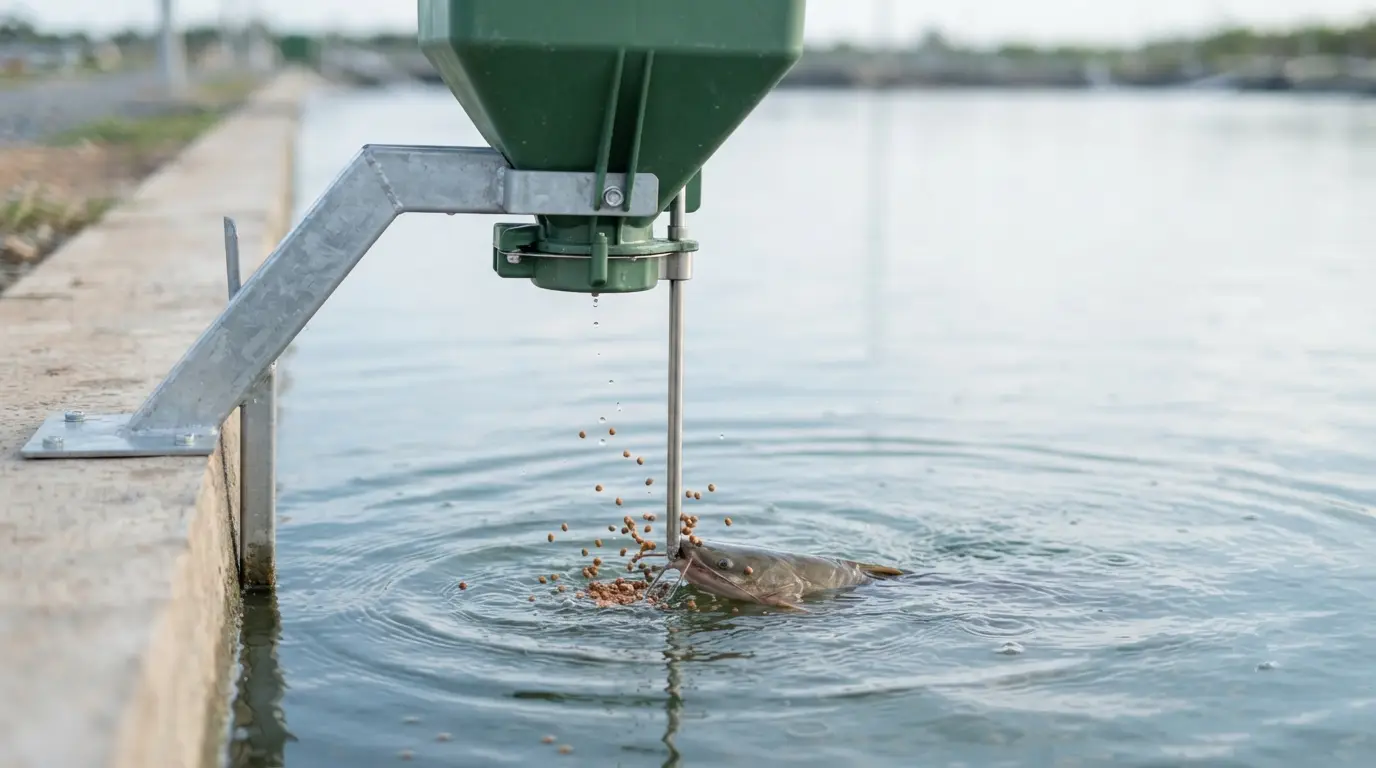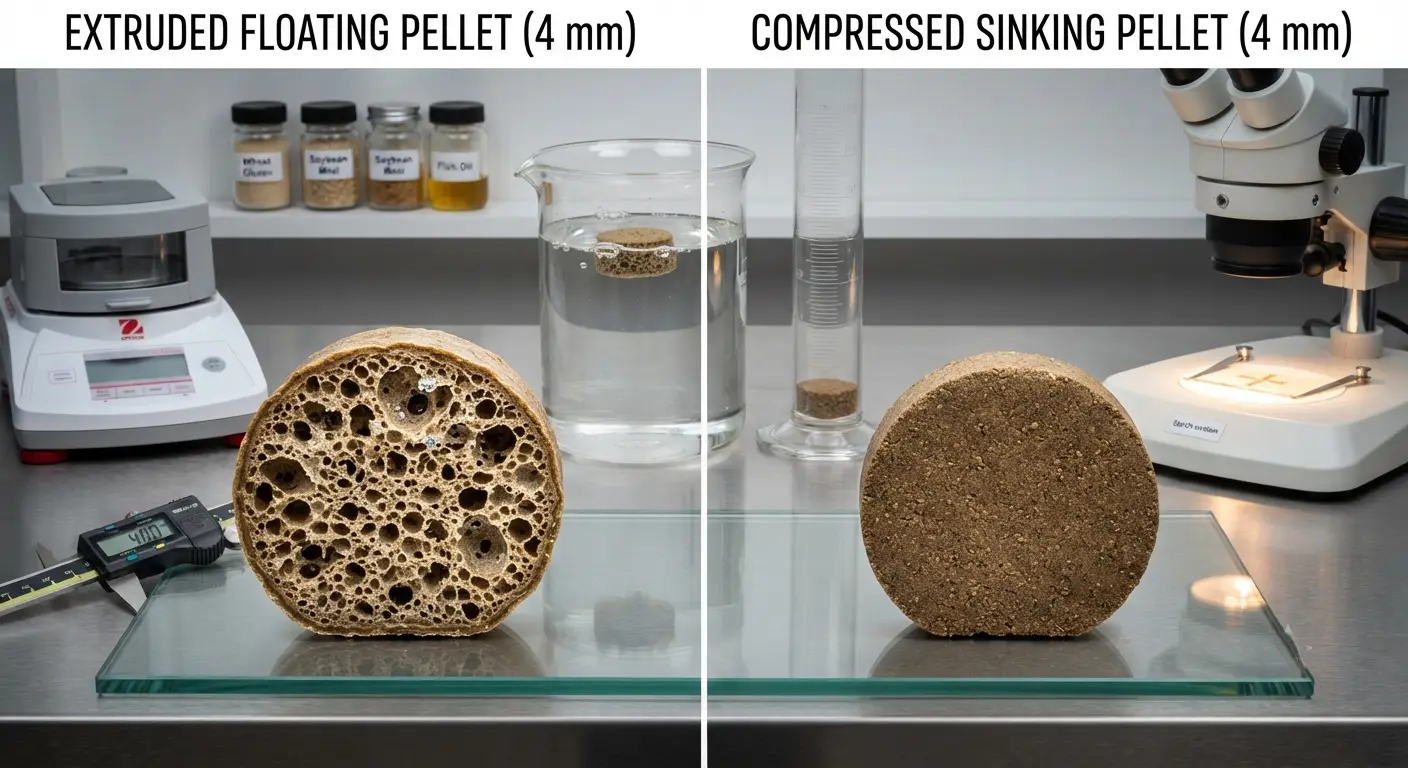
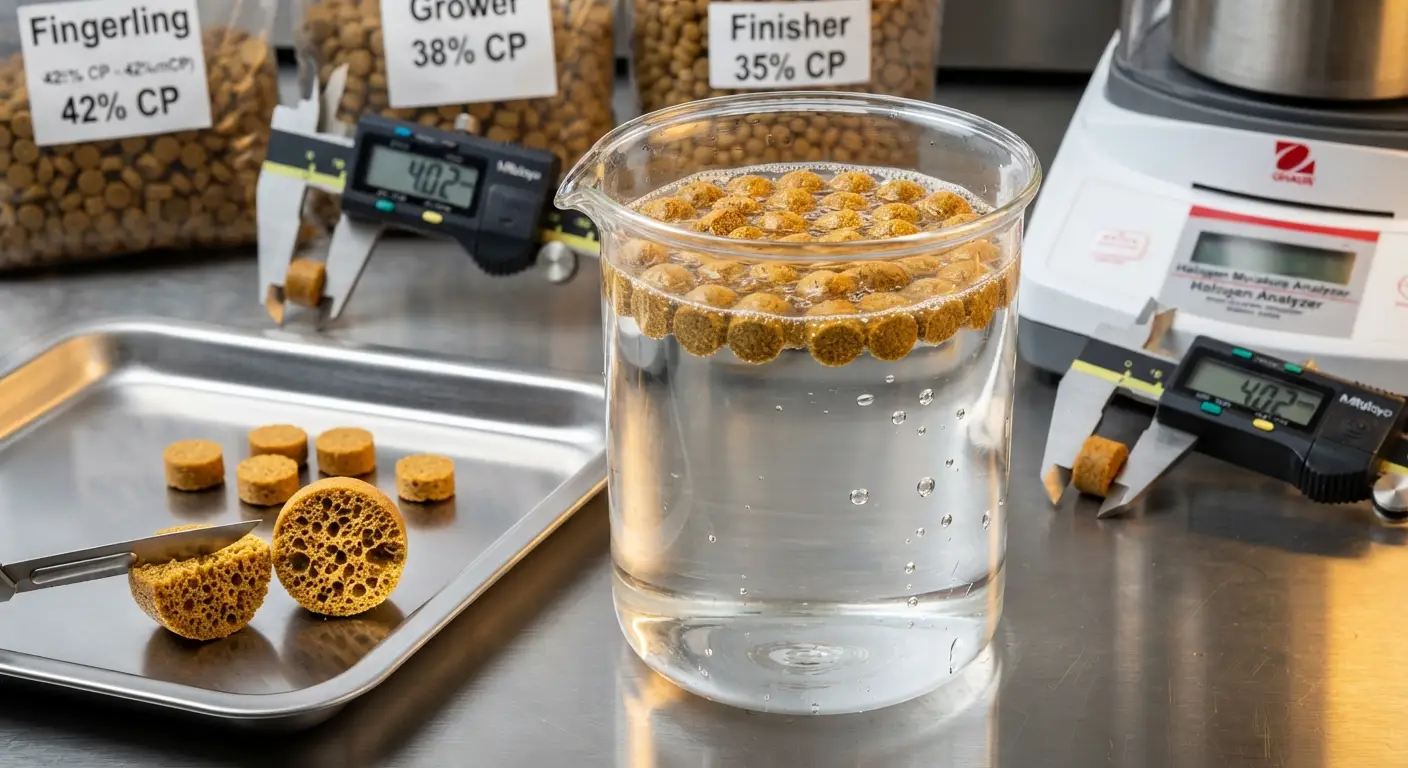
Feed is the largest cost line in commercial catfish production — consistently representing 60–70% of total operating costs in well-managed grow-out operations. The return on this cost investment is measured in kilograms of fish produced per kilogram of feed consumed (FCR) and the speed at which fish reach market weight. Both measures are directly determined by how precisely the feed’s nutritional composition matches the fish’s actual requirements at each stage of its development.
A feed that provides inadequate protein for the fish’s lean growth requirement produces slower growth and worse FCR — the fish consumes feed without achieving its genetic growth potential. A feed that provides excess protein above the fish’s requirement wastes the most expensive nutrient in the formulation on amino acid catabolism rather than protein synthesis — the fish excretes the excess nitrogen, and the farmer has paid for an ingredient that produced heat rather than fish. A feed deficient in essential fatty acids or specific vitamins produces the subclinical deficiency syndromes that manifest as disease susceptibility, skeletal deformities, and immune failure — consequences that are typically attributed to health management without the nutritional diagnosis that would identify the actual cause.
This guide covers the nutritional biology of Clarias gariepinus at each production stage, the specific requirements for each nutrient category, and the practical translation of those requirements into the feed specifications that purchasing decisions and feed formulation must achieve.
The Nutritional Priority Hierarchy
Energy Before Protein: The Fundamental Principle
The most important concept in catfish nutrition is not the protein percentage on the feed label — it is the relationship between dietary energy and dietary protein. Fish use dietary energy (from fats and carbohydrates) first for maintenance metabolism and then for growth. When dietary energy is insufficient, protein — the most expensive nutrient — is catabolized for energy instead of being used for protein synthesis. When dietary energy is adequate, protein is spared for its primary function (synthesis of muscle, enzyme, and structural proteins), improving both growth rate and FCR.
The protein-sparing effect: Including adequate dietary fat (which provides 2.25× more energy per gram than protein or carbohydrate) allows the fish to meet its energy requirement from a lower-cost energy source, preserving dietary protein for growth. A feed with 35% protein and 8% fat delivers better growth than a feed with 40% protein and 4% fat if the higher-fat formulation provides the same total energy at lower protein cost — the protein savings from fat’s protein-sparing effect exceed the cost of the additional fat.
This principle is why crude protein percentage alone is an inadequate specification for feed quality — the protein-to-energy ratio (P/E ratio, expressed as mg protein per kcal of digestible energy) is the more nutritionally meaningful specification.
Target P/E ratio for African catfish: 22–28 mg protein per kcal digestible energy across most production stages — higher during early larval and fingerling stages (28–32 mg/kcal) and lower during the late finishing stage (20–24 mg/kcal) as growth rate declines and fat deposition increases relative to protein deposition.
Protein Requirements by Production Stage
Why Protein Requirement Changes With Development Stage
The protein requirement of catfish is not fixed — it varies with body size, growth rate, and reproductive status, reflecting changes in the proportion of dietary protein that the fish can efficiently convert to muscle protein (lean deposition rate) at each developmental stage.
Young, fast-growing fish have a higher proportion of their body weight as muscle protein synthesis — they deposit lean tissue rapidly, and their dietary protein requirement per unit of body weight is correspondingly high. As fish grow larger, the absolute rate of lean tissue deposition declines relative to body mass, the maintenance energy requirement (which does not require dietary protein) represents a larger share of total energy demand, and the dietary protein requirement per unit of body weight declines.
Crude protein requirements for African catfish by stage:
| Production Stage | Body Weight | Crude Protein Requirement | Digestible Energy |
|---|---|---|---|
| Larvae (first feeding) | 0.002–0.1 g | 50–55% | 16–18 MJ/kg |
| Early fingerling | 0.1–1 g | 45–50% | 16–17 MJ/kg |
| Late fingerling/nursery | 1–10 g | 40–45% | 15–17 MJ/kg |
| Juvenile grow-out | 10–100 g | 38–42% | 14–16 MJ/kg |
| Grower | 100–500 g | 35–40% | 13–15 MJ/kg |
| Finisher | 500 g–market weight | 32–38% | 13–15 MJ/kg |
| Broodstock | Above 600 g | 40–45% | 15–17 MJ/kg |
Practical phase-feeding implication: A commercial catfish operation that feeds a single “catfish grower” diet at 35% crude protein from fingerling stocking to harvest is underfeeding protein to the early grow-out fish (who need 38–42% CP) while overfeeding protein to the late finishing fish (who could grow adequately on 32–35% CP). Correct phase feeding — transitioning from higher-protein starter to lower-protein finisher as fish increase in size — improves FCR and reduces feed cost per kilogram of fish produced.
Protein Quality — Amino Acid Profile, Not Just Quantity
Dietary crude protein percentage specifies the total nitrogen content of the feed — it does not specify whether that nitrogen is in the form of amino acids that the fish can actually use for protein synthesis. The usability of dietary protein depends on two factors: digestibility (what proportion of the crude protein is actually absorbed from the gut) and amino acid composition (whether the essential amino acids are present in the proportions required for muscle protein synthesis).
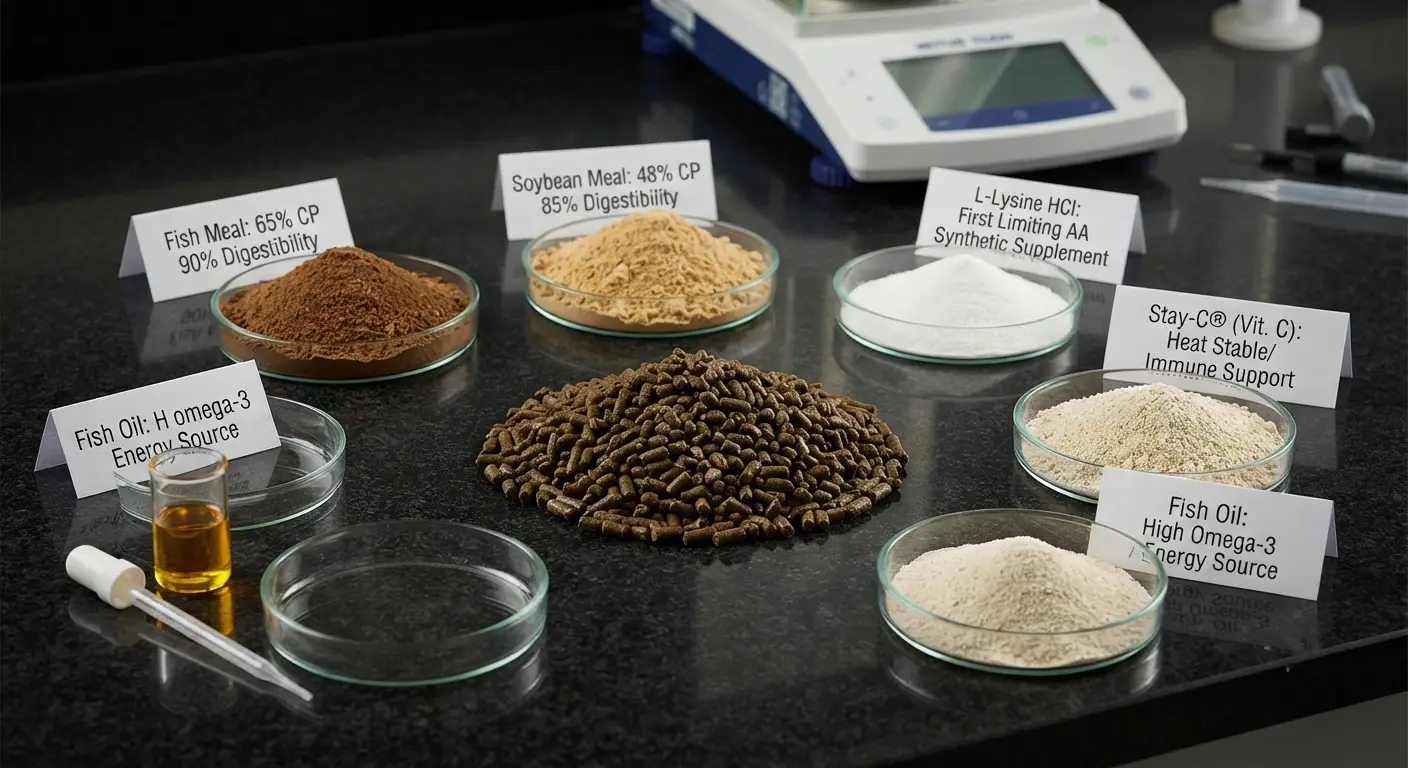
Digestibility: The digestibility coefficient for a protein source is the fraction of its crude protein that is actually absorbed. High-quality protein sources have digestibility above 85%; poor-quality sources may have digestibility below 60%:
| Protein Source | Digestibility in Catfish |
|---|---|
| Fish meal (high quality, low temperature dried) | 88–95% |
| Soybean meal (full-fat, properly processed) | 82–88% |
| Blood meal | 80–88% |
| Groundnut cake | 78–85% |
| Cottonseed cake | 72–80% |
| Palm kernel cake | 60–70% |
| Cassava leaf meal | 55–70% |
| Feather meal (hydrolyzed) | 70–78% |
The essential amino acid profile: African catfish, like all fish, cannot synthesize ten essential amino acids and must obtain them from the diet. Muscle protein synthesis requires all essential amino acids to be present simultaneously in the required proportions — deficiency in any single essential amino acid limits protein synthesis regardless of how abundant the others are (the Liebig’s barrel concept applied to nutrition).
Essential amino acids and their roles in catfish:
| Essential Amino Acid | Primary Functions | Consequences of Deficiency |
|---|---|---|
| Lysine | Primary structural amino acid in muscle protein; first limiting AA in most plant-based catfish diets | Reduced growth rate; poor FCR; muscle wasting |
| Methionine | Methyl group donor for metabolic reactions; sulfur metabolism; antioxidant function | Reduced growth; cataracts; liver pathology |
| Threonine | Mucus and goblet cell protein synthesis; gut integrity maintenance | Compromised gut integrity; increased enteric disease susceptibility |
| Tryptophan | Serotonin precursor; appetite regulation; stress response modulation | Reduced feed intake; abnormal behavior; spinal deformities at high deficiency |
| Arginine | Urea cycle; immune function; wound healing | Reduced growth; immune compromise |
| Histidine | Hemoglobin component; antioxidant (carnosine synthesis) | Anemia; cataracts |
| Isoleucine | Branched-chain amino acid; energy metabolism during exercise | Reduced growth |
| Leucine | Branched-chain amino acid; muscle protein synthesis signaling | Reduced growth |
| Valine | Branched-chain amino acid; neural tissue maintenance | Reduced growth; neurological signs |
| Phenylalanine | Tyrosine precursor; melanin synthesis; thyroid hormone | Reduced growth; depigmentation |
Lysine — the first limiting amino acid in catfish diets:
In most commercial catfish feed formulations based on plant proteins (soybean meal, groundnut cake, cotton seed meal), lysine is the first limiting amino acid — the essential amino acid whose concentration in the diet is most insufficient relative to the fish’s requirement. When lysine is limiting, protein synthesis is constrained regardless of how abundant other amino acids are — exactly as in the pig series where lysine was identified as the critical amino acid for lean growth rate.
Lysine requirement for African catfish:
- Fingerling stage (1–10 g): 2.2–2.5% of diet (dry matter basis)
- Grow-out (10–500 g): 1.8–2.2% of diet
- Finisher (above 500 g): 1.6–1.9% of diet
Where feed ingredients are relatively low in lysine (as plant proteins typically are), supplemental L-lysine HCl addition to the feed formulation ensures the requirement is met without requiring high inclusions of expensive high-lysine ingredients (primarily fish meal). This is the same amino acid supplementation principle applied in the pig series nutrition articles — applicable to catfish nutrition with the same financial logic.
Energy Requirements and Lipid Nutrition
Digestible Energy Requirements
The metabolizable energy requirement covers three demands: basal maintenance metabolism, physical activity, and growth (lean tissue and fat deposition). For growing catfish, growth accounts for the majority of total energy demand — maintenance metabolism at 28°C for a 100 g catfish requires approximately 12–15 kcal/day, while growth from 100 g to 200 g in 30 days requires approximately 120–150 kcal above maintenance.
Dietary digestible energy targets by production stage:
| Stage | Digestible Energy (MJ/kg feed) | Gross Energy Equivalent (approximate) |
|---|---|---|
| Larval | 16–18 MJ/kg | 18–20 MJ/kg |
| Fingerling | 15–17 MJ/kg | 17–19 MJ/kg |
| Grow-out | 13–15 MJ/kg | 15–17 MJ/kg |
| Finisher | 13–14 MJ/kg | 14–16 MJ/kg |
Dietary Fat — Function Beyond Energy
Dietary fat in catfish feeds serves multiple functions beyond energy provision:
Energy density: Fat provides 37 kJ per gram of digestible energy — compared to 17 kJ/g for protein and 17 kJ/g for digestible carbohydrate. Including dietary fat at 8–12% of the diet increases the energy density of the feed, reducing the quantity of feed required per unit of growth (protein sparing effect described in Part 1).
Essential fatty acids — the most nutritionally critical fat role:
African catfish, like most fish, cannot synthesize the long-chain polyunsaturated fatty acids (LC-PUFA) that are essential components of cell membranes and the precursors of eicosanoid signaling molecules (prostaglandins, leukotrienes, thromboxanes) that regulate immune function, inflammatory response, and reproductive physiology. These fatty acids must be supplied in the diet:
Omega-3 LC-PUFA:
- DHA (docosahexaenoic acid, 22:6n-3): Critical for neural development, retinal function, reproductive performance, and egg quality. Deficiency in broodstock produces larvae with poor swim bladder inflation and high early mortality.
- EPA (eicosapentaenoic acid, 20:5n-3): Anti-inflammatory signaling; immune modulation. Deficiency increases inflammatory disease severity.
Omega-6 fatty acids:
- Arachidonic acid (ARA, 20:4n-6): Pro-inflammatory signaling; involved in immune activation and wound healing. Must be present but not in excess — excessive ARA relative to EPA creates chronically elevated pro-inflammatory signaling that suppresses growth.
Optimal dietary n-3:n-6 ratio: 1:1 to 2:1 is the target for most grow-out African catfish diets — ensuring adequate omega-3 to support anti-inflammatory regulation without excluding the omega-6 required for immune activation.
Essential fatty acid sources in catfish feeds:
- Fish meal and fish oil: the richest and most bioavailable sources of DHA and EPA
- Soybean oil: rich in linoleic acid (18:2n-6) but low in DHA and EPA — cannot substitute for fish oil as the sole fat source if DHA and EPA targets are to be met
- Palm oil: primarily saturated fat with limited PUFA content — useful as an energy source but not as an EFA source
Fat in grow-out diets: 6–10% dietary fat for African catfish grow-out is the standard range. Below 5%, the protein-sparing effect is insufficient, and FCR worsens because protein is catabolized for energy. Above 15%, excessive fat deposition in the carcass reduces meat quality and shelf life.
Carbohydrate Utilization — African Catfish vs. Salmonids
The Carbohydrate Tolerance Advantage
African catfish tolerate dietary carbohydrate substantially better than carnivorous fish species (salmon, trout, grouper) — they can digest and utilize moderate dietary carbohydrate for energy without the hyperglycemic response and poor utilization that characterizes carnivorous species fed high-carbohydrate diets. This tolerance allows formulations with higher inclusion rates of starchy ingredients (maize, cassava, wheat bran) that significantly reduce feed cost.
Maximum effective dietary carbohydrate (starch) level: 20–30% of the diet in grow-out African catfish — below the level that causes hepatic lipidosis (fat liver from excessive glucose conversion to fat) while providing meaningful energy contribution and functioning as a pellet binder.
Carbohydrate digestibility by form:
| Carbohydrate Form | Digestibility in Catfish |
|---|---|
| Gelatinized starch (cooked, expanded) | 75–85% |
| Raw starch (unprocessed grain) | 40–60% |
| Cellulose and structural fiber | Below 10% (non-digestible) |
This is why the feed processing method matters for ingredient digestibility — extruded (pelleted and expanded) feeds gelatinize the starch in the ingredients during the high-temperature, high-pressure extrusion process, substantially increasing digestibility compared to cold-pressed or hand-mixed feeds made from the same ingredients.
Dietary Fiber — Acceptable Range
While African catfish tolerate higher carbohydrate levels than salmonids, excessive dietary fiber (above 8–10% crude fiber) reduces the digestibility of other nutrients by accelerating gut passage rate and physically diluting the digestible nutrient content of the ration. Feeds with very high inclusion rates of fibrous alternative ingredients (high-fiber palm kernel cake, wheat bran at high inclusion, rice bran) may meet their crude protein specification while delivering lower digestible protein than the label implies.
Maximum crude fiber targets:
- Starter and fingerling feeds: below 4% crude fiber
- Grow-out feeds: below 6% crude fiber
- Lower-cost alternative ingredient formulations: below 8% crude fiber (with monitoring of FCR performance)
Vitamin Requirements
The Critical Vitamins for African Catfish Production
Vitamin C (L-ascorbic acid):
Vitamin C is the most management-sensitive vitamin in catfish nutrition — it is not synthesized by fish in adequate quantities, it is rapidly destroyed by heat and oxidation during feed manufacture and storage, and its deficiency produces some of the most visually dramatic and economically significant consequences in catfish production:
- Spinal curvature (scoliosis, lordosis, kyphosis) — compromising carcass value at harvest
- Hemorrhages at fin bases and on the body surface
- Poor wound healing — injuries from handling or disease take much longer to resolve in vitamin C-deficient fish
- Reduced immune function — vitamin C is required for lymphocyte function and phagocyte activity; deficient fish show increased susceptibility to all pathogens
- Reduced growth rate from compromised collagen synthesis
Vitamin C requirement: Minimum 50 mg/kg feed for maintenance; 200–500 mg/kg for optimal growth and immune function; 1,000–2,000 mg/kg for broodstock (to ensure adequate egg quality and larval development).
The storage degradation problem: Standard ascorbic acid (L-ascorbic acid) loses 50–80% of its activity within 3 months in stored feed under tropical conditions (heat and humidity accelerate oxidative degradation). Stabilized forms — ascorbyl phosphate (L-ascorbyl-2-phosphate) and ascorbyl polyphosphate — are substantially more stable and their use in commercially produced feeds is the standard that distinguishes quality feed from poor-quality feed. When evaluating commercial catfish feed, ask specifically whether ascorbic acid or stabilized ascorbyl phosphate is used — the answer reveals the manufacturer’s attention to vitamin C bioavailability.
Vitamin E (alpha-tocopherol):
Works synergistically with selenium as the primary antioxidant protecting cell membrane polyunsaturated fatty acids from oxidative damage. Particularly important for:
- Immune cell function and disease resistance
- Sperm quality and motility in broodstock males
- Egg quality and embryo survival in females
- Muscle quality and oxidative stability of fish flesh (relevant for shelf life of processed product)
Vitamin E requirement: 60–200 mg/kg feed; higher in feeds with high PUFA content (the more oxidizable fatty acids are present, the more vitamin E is required for protection); higher for broodstock.
Vitamin D₃:
Required for calcium and phosphorus absorption and bone mineralization. Fish synthesize some vitamin D from UV light exposure, but indoor tank-reared fish without UV exposure are entirely dependent on dietary vitamin D₃.
B Vitamins:
Thiamine (B₁), riboflavin (B₂), niacin (B₃), pantothenic acid (B₅), pyridoxine (B₆), biotin (B₇), folic acid (B₉), and cobalamin (B₁₂) function as coenzymes in energy metabolism, protein synthesis, and cell division. Deficiency of any B vitamin produces general growth suppression and reduced FCR before specific clinical signs appear — B vitamin deficiency is a common, underdiagnosed cause of “unexplained” poor FCR in catfish operations using improperly stored or low-quality feeds.
Vitamin A:
Required for vision, immune function, and cell differentiation — deficiency produces night blindness, skin lesions, and immune compromise. Particularly important for broodstock — vitamin A is concentrated in eggs as a maternal provision for larval development.
Mineral Requirements
Macro-Minerals
Phosphorus: The most nutritionally critical mineral for catfish, required for bone mineralization, energy metabolism (ATP), and phospholipid membrane synthesis. Fish absorb phosphorus directly from the water through the gill, and from the diet — but in intensive production systems where water phosphorus is limited, dietary supply is essential.
The phytate problem: As in the pig series, a significant proportion of phosphorus in plant-based feed ingredients is bound in phytate form that catfish cannot digest. Available phosphorus (non-phytate phosphorus) must be specified separately from total phosphorus in feed formulation. The phytase enzyme used in pig feeds has the same application in catfish feeds — adding phytase reduces the need for inorganic phosphorus supplementation while improving overall mineral utilization.
Phosphorus requirement: 0.5–0.8% available phosphorus in grow-out diets; 0.8–1.0% for larval and fingerling diets.
Phosphorus excretion and environmental impact: Catfish excrete approximately 60–70% of dietary phosphorus in feces and urine — contributing to eutrophication in receiving water bodies when farm effluent is discharged without treatment. This environmental concern drives the interest in phytase inclusion and optimized available phosphorus specifications that reduce total phosphorus excretion.
Calcium: Catfish absorb calcium actively from the water through the gills — in freshwater environments with adequate calcium (above 20 mg/L as Ca), catfish can meet most of their calcium requirement from the water, and the dietary requirement is relatively low (0.3–0.5%). In very soft water (calcium below 5 mg/L), supplemental dietary calcium may be required.
Sodium, Potassium, Magnesium, Chloride: Required for osmoregulation, nerve function, and muscle contraction — typically met by ingredient inclusion without specific supplementation in most commercial formulations.
Trace Minerals (Micro-Minerals)
| Mineral | Function | Dietary Requirement | Deficiency Signs |
|---|---|---|---|
| Zinc | Protein metabolism; immune function; wound healing; reproductive function | 20–30 mg/kg feed | Poor growth; fin erosion; cataracts; reproductive failure |
| Iron | Hemoglobin synthesis; oxygen transport | 30–60 mg/kg feed | Anemia; reduced growth; pale gills |
| Manganese | Bone formation; enzyme function | 10–20 mg/kg feed | Skeletal deformities; poor growth |
| Copper | Iron metabolism; antioxidant enzyme; pigmentation | 3–5 mg/kg feed | Anemia; depigmentation; immune compromise |
| Iodine | Thyroid hormone synthesis | 1–4 mg/kg feed | Goiter; reduced growth; poor reproduction |
| Selenium | Antioxidant (glutathione peroxidase); immune function | 0.5–1.5 mg/kg feed | Muscular dystrophy; immune compromise; reproductive failure |
The mineral premix: Commercial catfish feeds include a mineral premix that provides all trace minerals at appropriate levels — a well-formulated premix from a reputable manufacturer ensures mineral adequacy without the risk of deficiency or toxicity from individual mineral supplementation. The same storage cautions that apply to vitamin premix apply here — inorganic minerals themselves are stable, but the vitamin-mineral premix combination can suffer vitamin degradation under poor storage conditions.
Translating Nutritional Requirements Into Feed Purchase Decisions
The Feed Label — What to Verify
Most commercial catfish feeds in West Africa provide a guaranteed analysis on the label stating minimum crude protein, minimum crude fat, maximum crude fiber, and maximum moisture. These four values alone are insufficient to evaluate feed nutritional quality for catfish production — they must be supplemented by:
Digestible protein or digestible energy values (not always on labels but requestable from the manufacturer): Crude protein at 40% from a mixture of fish meal and soybean meal is not the same as crude protein at 40% from a mixture of lower-digestibility plant proteins — the digestible protein available to the fish may differ by 15–20%.
Ingredient list or inclusion rates (requestable): The quality and type of protein sources used determines the amino acid profile and digestibility. Fish meal in the top three ingredients is a positive indicator of amino acid profile quality; if fish meal is absent or far down the ingredient list, the amino acid profile of the feed is likely to be lysine-deficient unless synthetic lysine has been added.
Vitamin C form and level: Ascorbyl phosphate vs. ascorbic acid — as discussed above, this determines whether the vitamin C on the label is actually present in bioavailable form after manufacture and storage.
Feed manufacture date and expiry: Vitamins degrade during storage — feed manufactured and stored for longer than 3 months in tropical conditions has substantially lower vitamin activity than fresh feed. Buy feed frequently in quantities appropriate for 4–6 weeks of use rather than in bulk quantities stored for longer periods.
The Performance Test — The Only Objective Quality Assessment
The most reliable assessment of feed quality is not the label or the manufacturer’s specifications — it is the measured FCR and growth rate achieved under the farm’s specific conditions using that feed. A systematic feed performance evaluation — stocking identical fingerlings in identical tanks at identical density, running two feeds simultaneously for a complete grow-out cycle, and comparing FCR and daily gain — provides the definitive quality comparison between competing feed products.
This test costs the farm one production cycle and the time required to maintain the records — and it produces the objective, farm-specific feed performance data that no amount of label reading or sales material can provide. Farms that conduct regular feed performance evaluations drive their own FCR improvement over time as they identify which feeds perform best in their specific water temperature, stocking density, and management conditions.
Summary
The nutritional requirements of African catfish at each production stage — protein at 32–50% declining with body size, essential fatty acids DHA and EPA critical for health and reproduction, dietary energy from fat and carbohydrate sparing protein for lean growth, vitamins C and E the most management-sensitive micronutrients, and lysine the first limiting amino acid in most plant-based formulations — define the biological targets that catfish feed must meet to support maximum production performance at minimum feed cost.
Understanding these requirements moves the catfish farmer’s feed purchasing decision from a price-per-bag evaluation to a cost-per-kilogram-of-fish-produced evaluation — the metric that correctly values feed quality relative to its production performance. A feed that costs 10% more per bag but delivers 15% better FCR costs less per kilogram of fish produced, not more. The nutritional biology in this guide provides the analytical framework for making that evaluation correctly.
The next article covers the practical dimension of feed delivery — floating vs. sinking pellets, their respective advantages and limitations, and the selection criteria that match pellet type to production system and management capability.