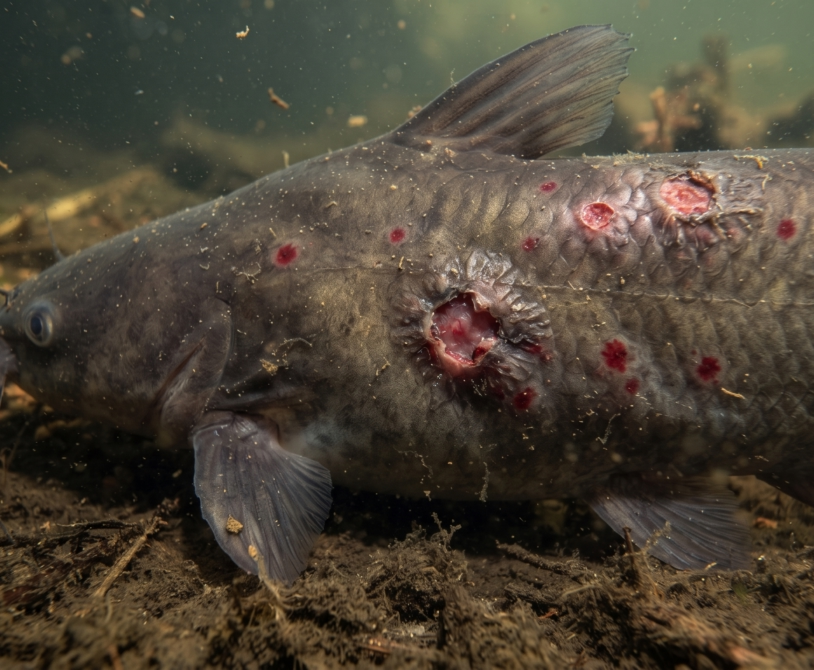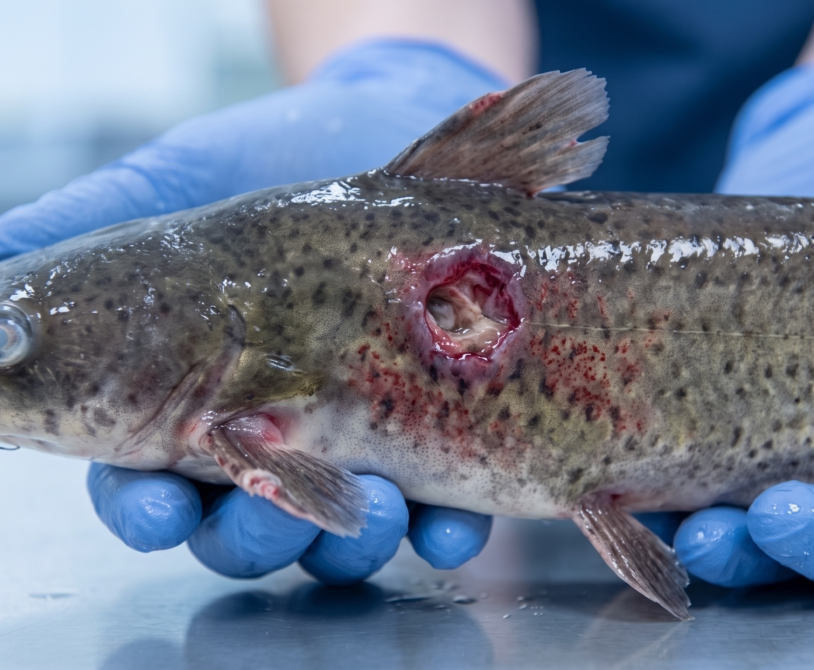
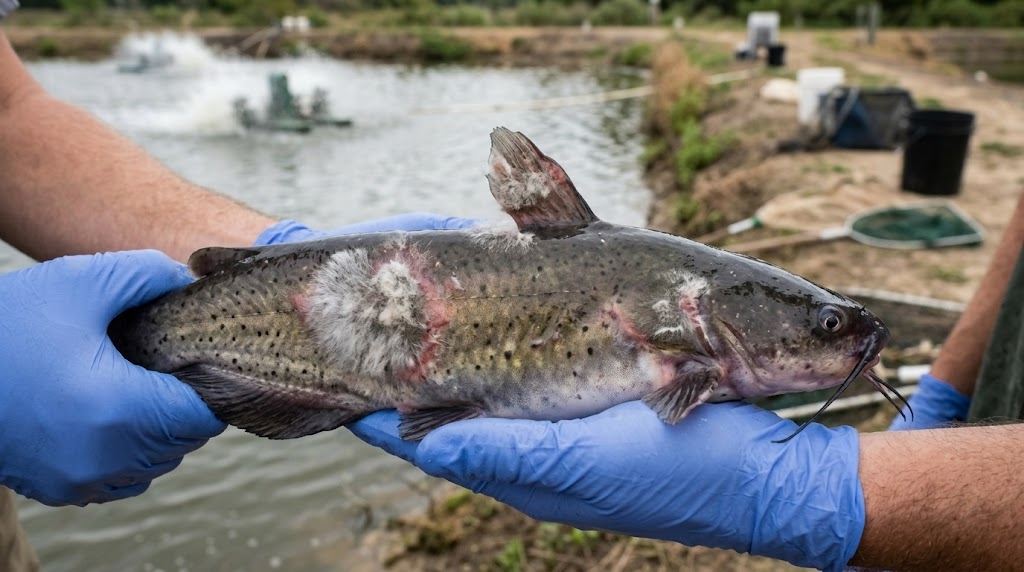
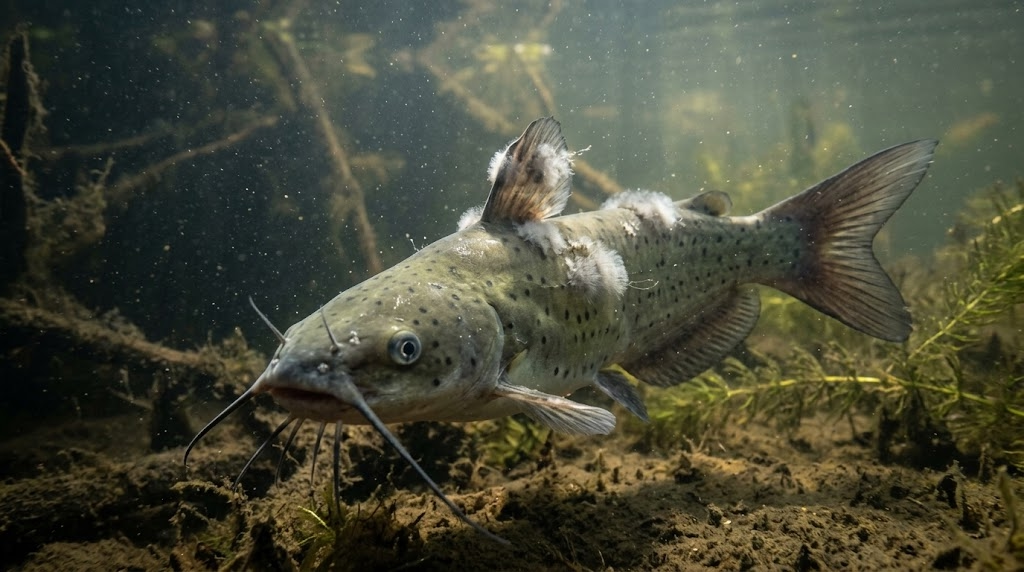
When a catfish develops a white, cotton-like growth on its skin, fins, gills, or eyes, it is a classic visual indicator of Saprolegniasis—commonly known as cotton wool disease or water mold infection. While these fungal spores are naturally present in almost all freshwater ecosystems, healthy fish with intact immune systems and robust slime coats naturally repel them.
Clinical outbreaks of cotton-like growths are almost always triggered by underlying physical trauma or environmental stressors that compromise the fish’s natural defenses.
1. Primary Pathogens and Infection Dynamics
- The Culprit: The condition is driven primarily by water molds of the genus Saprolegnia (and occasionally related oomycetes).
- How It Forms: Once a fish’s protective barriers are breached, microscopic root-like filaments (hyphae) attach to the compromised tissue, digesting dead cells and proliferating rapidly into the visible, fluffy white or gray patches characteristic of the disease.
2. Root Causes and Environmental Triggers
Understanding why these fungal growths appear requires looking at the underlying stressors that allowed the spores to take hold:
- Handling and Mechanical Trauma: Rough netting, grading, sorting, transport, or aggressive nipping scrape away the fish’s protective outer mucus layer (slime coat) and scales, providing an open, dead-tissue bed where fungal spores immediately germinate.
- Compromised Water Quality: High concentrations of nitrogenous wastes (ammonia and nitrite) and critically low dissolved oxygen (DO) levels severely stress the fish and degrade their physiological immune response.
- Pre-existing Parasitic or Bacterial Infections: Primary damage caused by external parasites (such as Ich or skin flukes) or bacterial ulcers (Aeromonas / Pseudomonas) creates open micro-wounds that invite secondary fungal colonization.
- Low Water Temperatures: While various strains exist, many Saprolegnia species thrive and reproduce aggressively during colder weather shifts when fish metabolic rates and immune defenses slow down.
- High Organic Loads: Excessive accumulations of unconsumed commercial feed and heavy fecal waste create a nutrient-dense environment that causes spore populations to multiply exponentially in the water column.
3. Prevention: Stopping Fungal Growths Before They Start
Preventing cotton wool disease requires minimizing physical injury and maintaining optimal environmental conditions in your production systems:
- Gentle Handling: Handle fish carefully during sorting and transport, utilizing knotless nets and minimizing air exposure to protect the delicate slime coat.
- Maintain Pristine Water Quality: Keep dissolved oxygen levels high (>4 mg/L), stabilize pH (6.5–8.5), and keep nitrogenous wastes near zero through consistent water exchange protocols.
- Control Organic Waste: Prevent excess feed accumulation and remove dead fish daily to eliminate organic breeding grounds.
- Prophylactic Salt Treatments: Utilize therapeutic salt (sodium chloride) baths after handling events to soothe damaged tissues, reduce osmotic stress, and suppress fungal spore activity.
Need Assistance?
Are you currently dealing with cotton-like fungal growths, skin lesions, or unusual mortality rates in your catfish production system? Please contact us today for professional guidance, water quality troubleshooting, and tailored treatment strategies to protect your stock.