Motile Aeromonas Septicemia (MAS)—caused primarily by Aeromonas hydrophila and related species—is one of the most significant bacterial threats in catfish aquaculture. Because these bacteria are ubiquitous in aquatic environments, they can easily transition from harmless background organisms to aggressive pathogens when conditions deteriorate.
1. Understanding Aeromonas in Catfish
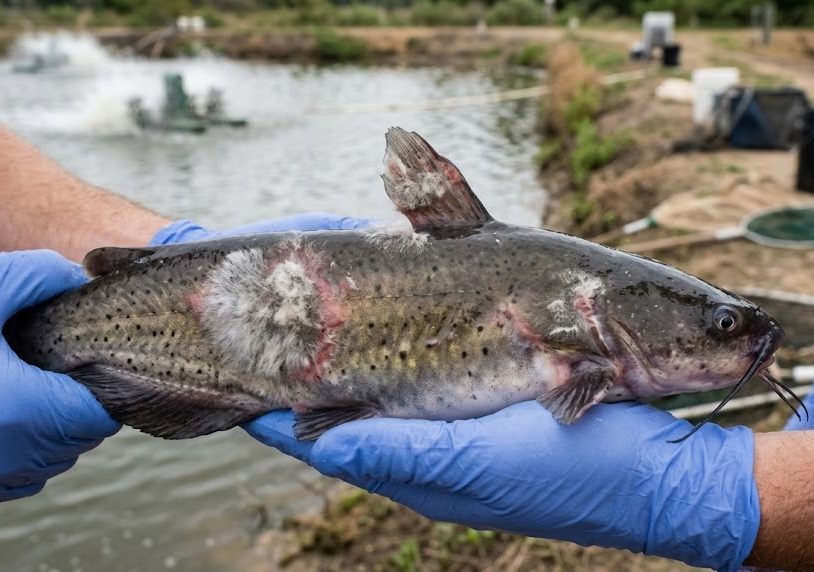
Aeromonas bacteria are opportunistic pathogens. They target the internal organs, blood, and skin and muscle tissue of catfish. While they can cause acute mortality outbreaks with high death rates, they frequently manifest as chronic secondary infections when fish are already weakened or stressed.
2. Common Symptoms of Aeromonas Infection
Recognizing the clinical signs of Motile Aeromonas Septicemia early is critical to preventing massive stock losses. Key indicators include:
- Behavioral Red Flags: Lethargy, loss of appetite (going off-feed), sluggish movement near pond edges, and swimming near the water surface.
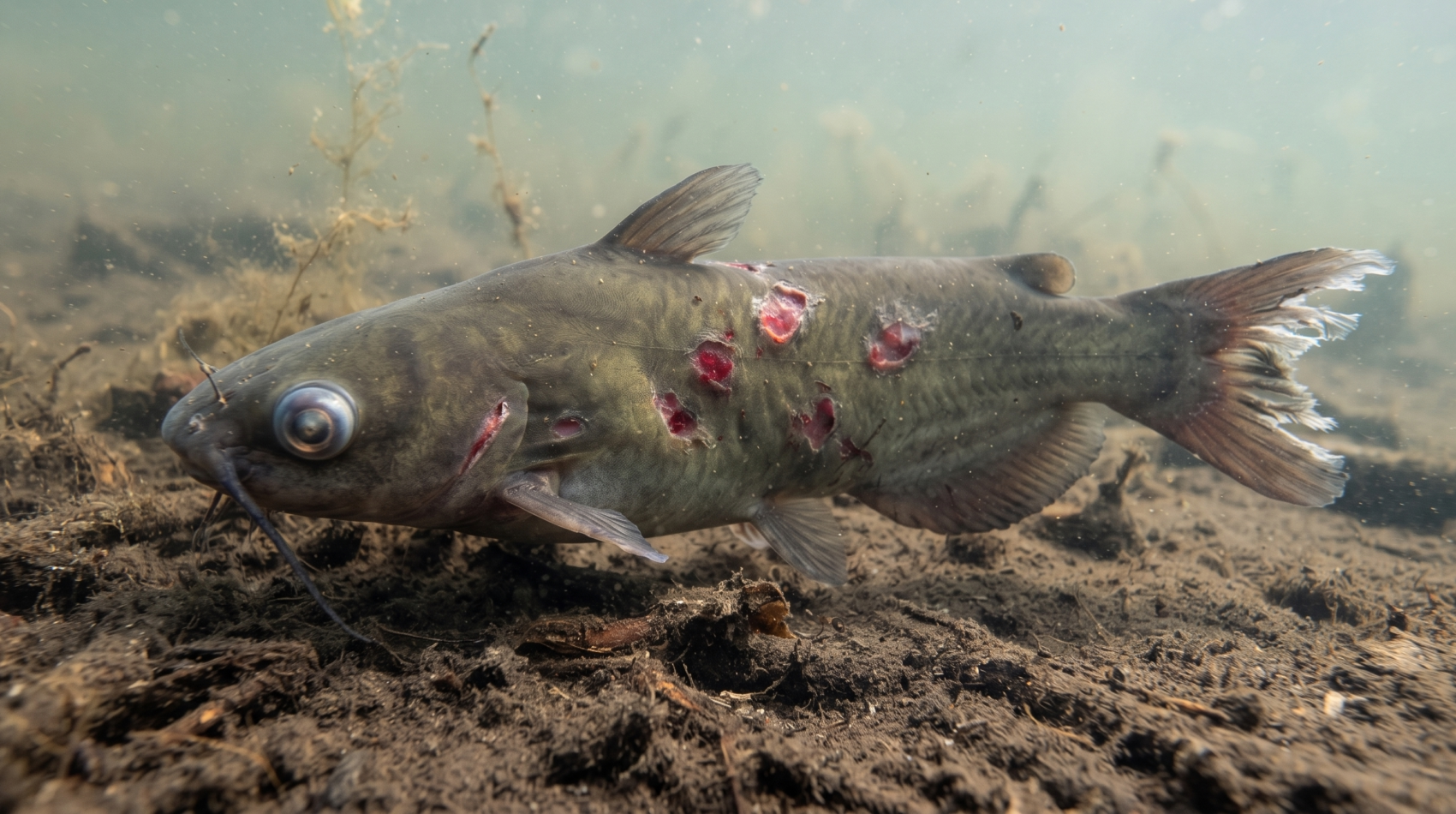
- External Lesions & Skin Damage:
- Hemorrhagic red spots, open ulcers, and deep necrotic sores across the skin and musculature.
- Frayed, eroded, or “ragged” fins and active tail rot.
- Exophthalmia (“pop-eye”), where fluid buildup causes one or both eyes to bulge outward.
- Internal Pathologies (Necropsy Findings): Swollen abdomens filled with fluid (ascites), enlarged kidneys and spleen, pale or mottled livers, and bloody or fluid-filled intestines.
3. Root Causes and Risk Factors
Because Aeromonas is naturally present in water, outbreaks are almost always triggered by environmental stressors that compromise the catfish’s immune system:
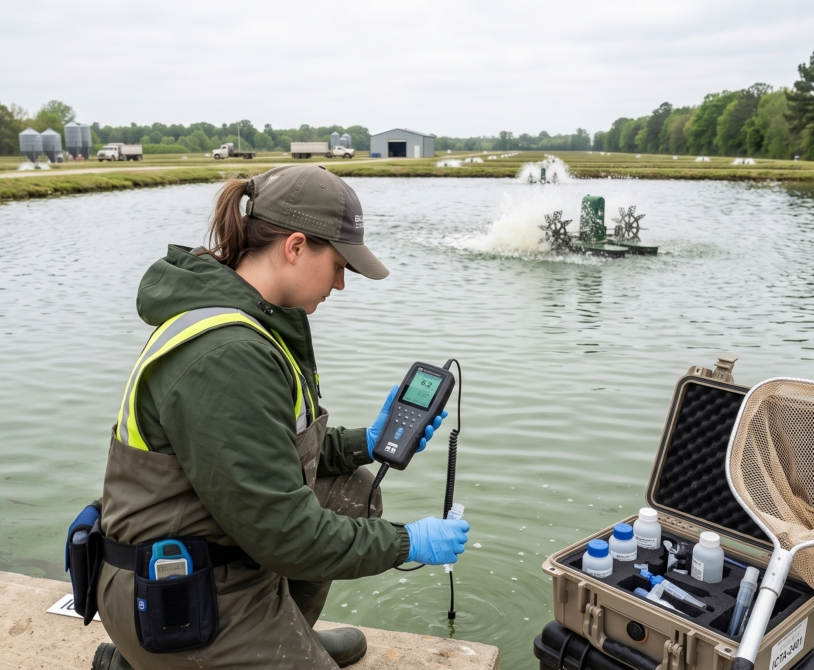
- Compromised Water Quality: High concentrations of ammonia and nitrite, coupled with low dissolved oxygen (DO) levels, heavily stress the fish.
- High Organic Loads: Excessive unconsumed feed and heavy fecal accumulation provide a nutrient-rich environment for bacterial proliferation.
- Overcrowding: High stocking densities increase physical contact, accelerate waste buildup, and rapidly deplete oxygen.
- Physical Trauma and Handling: Stress from sorting, grading, netting, or transport creates abrasions that act as direct entry points for the bacteria.
- Parasitic Infestations: Pre-existing external parasite outbreaks can damage the skin mucus layer, paving the way for secondary Aeromonas infections.
4. Prevention and Management Strategies
Proactive farm management is far more effective than trying to cure a full-blown systemic outbreak.
- Maintain Pristine Water Conditions: Keep dissolved oxygen above 4 mg/L, stabilize pH levels between 6.5 and 8.5, and keep nitrogenous waste near 0 ppm through regular water exchanges.
- Optimize Nutrition: Feed high-quality, species-specific commercial diets supplemented with Vitamin C and immunostimulants (such as beta-glucans) to strengthen natural disease resistance.
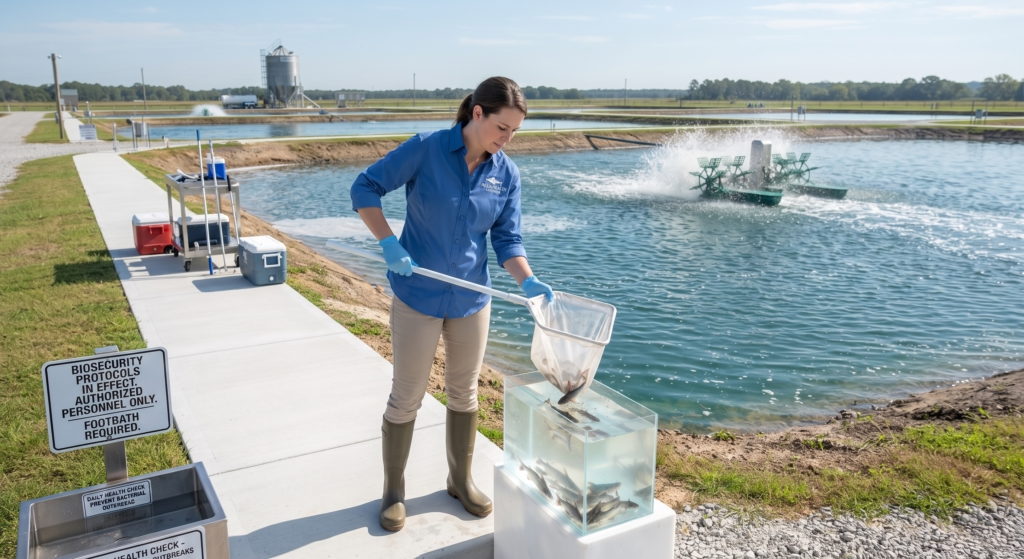
- Enforce Strict Biosecurity: Quarantine all incoming fingerlings, regularly disinfect tools and equipment (nets, grading tables, boots), and remove dead fish daily to prevent the spread of pathogens.
- Reduce Handling Stress: Handle fish gently during grading or transport, utilizing prophylactic salt baths or mild anesthetics to minimize physical injury.