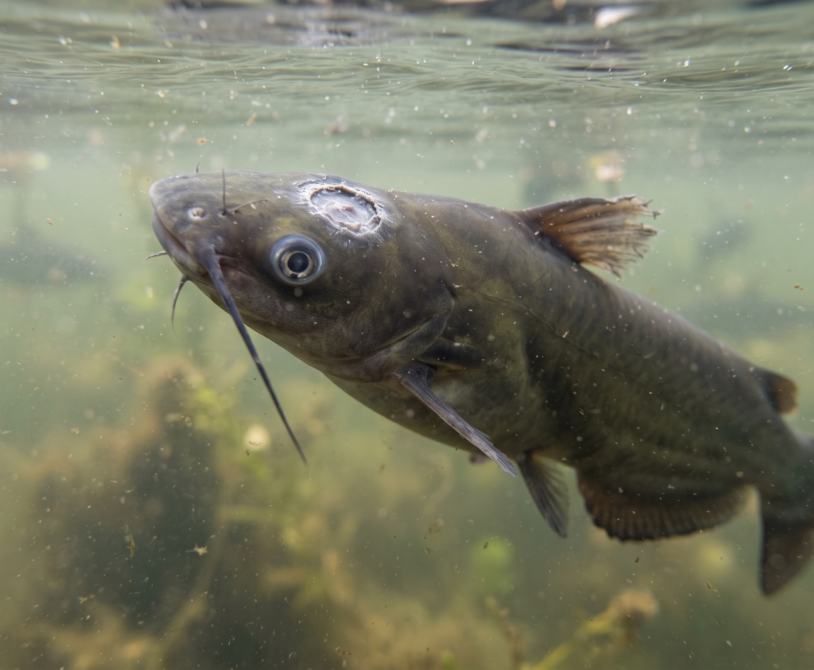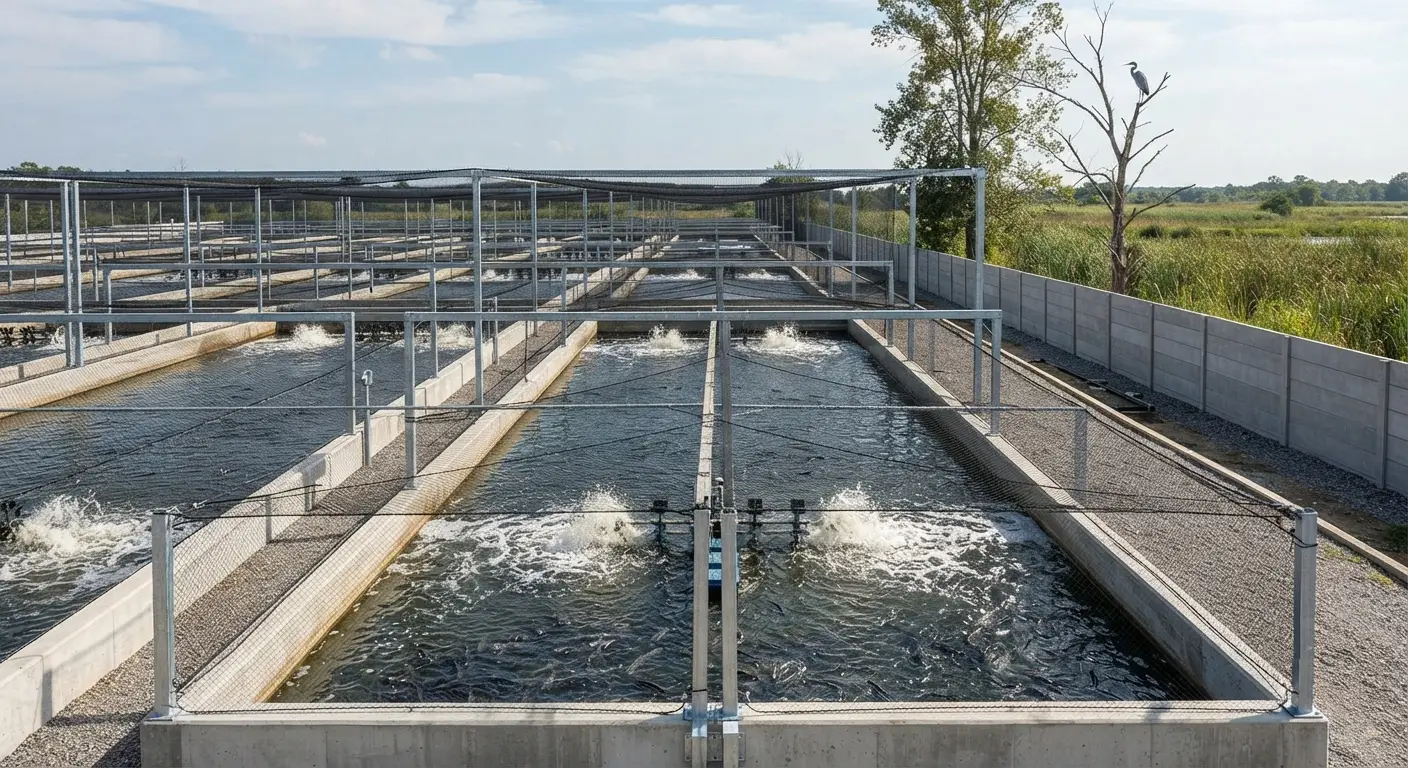
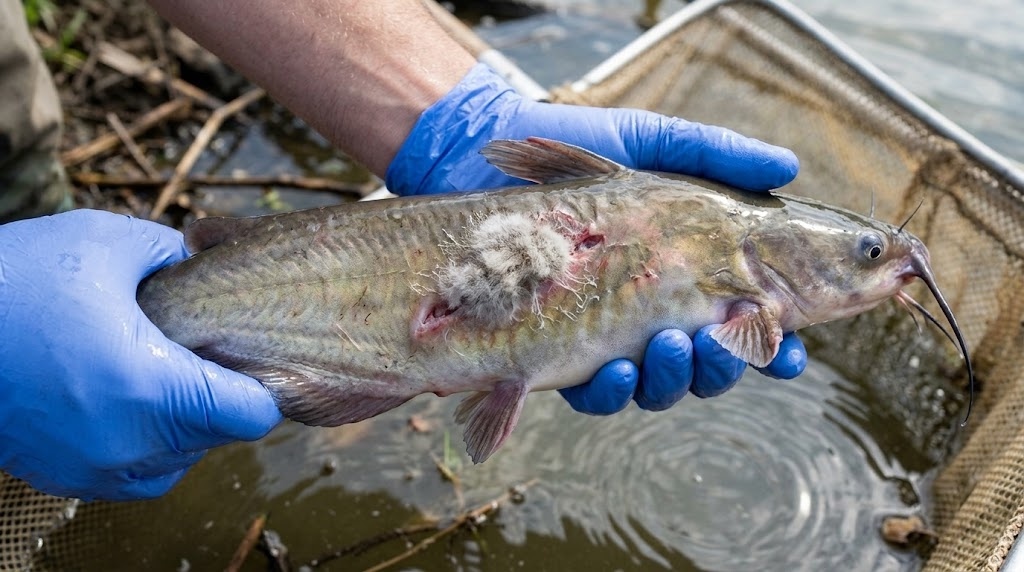
In catfish aquaculture, physical injuries are virtually inevitable during routine farm operations. Whether caused by handling, grading, transport, aggressive nipping, or external parasites, these wounds do more than just cause localized tissue damage. In freshwater environments, physical trauma acts as the primary gateway for opportunistic aquatic fungi—such as Saprolegnia species—to establish severe, destructive infections.
1. The Physiological Vulnerability: Breaking the Natural Barrier
Healthy catfish possess robust biological defenses that naturally keep fungal spores at bay:
- The Protective Mucus Layer (Slime Coat): A healthy fish is entirely enveloped in a viscous mucus layer containing natural antibodies and antimicrobial enzymes that physically block fungal spores and bacteria from attaching to living tissue.
- Intact Epithelial Barrier: Tight cellular skin structures prevent opportunistic water molds from penetrating deeper tissues.
When a catfish sustains a physical injury—such as a scraped scale, torn fin, or skin abrasion—this protective armor is breached. The exposed underlying tissue and dead cellular matter create an ideal, nutrient-rich substrate where ubiquitous fungal spores immediately germinate and send out microscopic root-like threads (hyphae).
2. Common Sources of Injury in Catfish Production
Understanding how injuries occur helps farmers target the root causes of secondary fungal outbreaks:
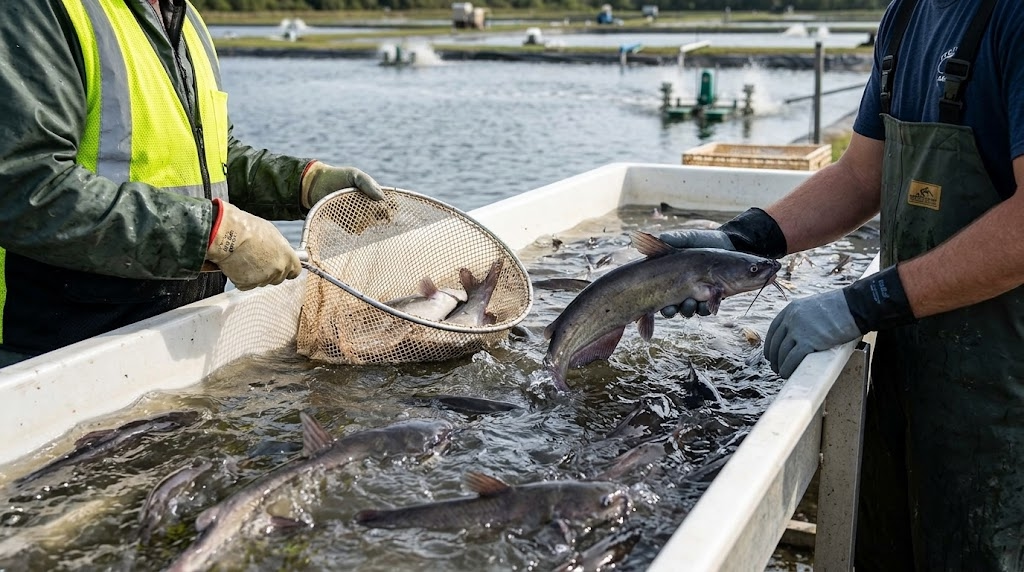
- Handling and Sorting Trauma: Rough netting, crowding during grading, and prolonged air exposure during transfer strip away the slime coat and scrape delicate skin.
- Aggressive Social Interactions and Nipping: Overcrowding or territorial aggression leads to fin nipping and flank biting, creating raw sores that easily attract fungal colonization.
- External Parasites: Primary infections by parasites such as Ich (Ichthyophthirius multifiliis) or flukes leave open micro-wounds on the skin and gills, which frequently develop secondary Saprolegnia infections.
- Equipment Abrasion: Sharp edges in tanks, concrete pond surfaces, or poorly maintained grading tables cause physical scrapes during harvest or movement.
3. From Minor Wound to Systemic Fungal Spread
Once a fungal spore successfully colonizes an injury site, the infection can progress rapidly:
- Mycelial Proliferation: The fungus grows outward, forming visible, cotton-like white or gray patches over the wound.
- Tissue Destruction: As the hyphae digest surrounding tissue, the wound deepens, destroying muscle and accelerating osmoregulatory failure.
- Secondary Bacterial Invasion: Open fungal lesions act as double-edged swords, simultaneously inviting opportunistic bacteria (like Aeromonas or Pseudomonas) and leading to compound infections and heavy mortalities.
4. Prevention: Protecting Fish from Injury and Fungal Onset
Preventing fungal infections stemming from injuries requires careful, proactive farm management:
- Gentle Handling Protocols: Use soft, knotless nets, minimize air exposure, and avoid overcrowding fish during grading and transport.
- Prophylactic Salt Treatments: Utilize therapeutic salt baths after handling events to reduce osmotic stress, soothe damaged tissues, and suppress fungal spore activity.
- Maintain Pristine Water Quality: Keep dissolved oxygen high (>4 mg/L) and nitrogenous wastes near zero to ensure optimal immune function and rapid natural wound healing.
- Stocking Density Control: Prevent overcrowding to minimize aggressive nipping and physical trauma between fish.
Need Assistance?
Are you currently dealing with post-handling injuries, cotton-like fungal growths, or unusual mortality rates in your catfish production system? Please contact us today for professional guidance, troubleshooting support, and tailored treatment strategies to protect your stock.