
Most layer farms dispose of dead birds. Few examine them. This is the most consistent and most expensive diagnostic mistake in commercial poultry production. A dead bird examined within 4…
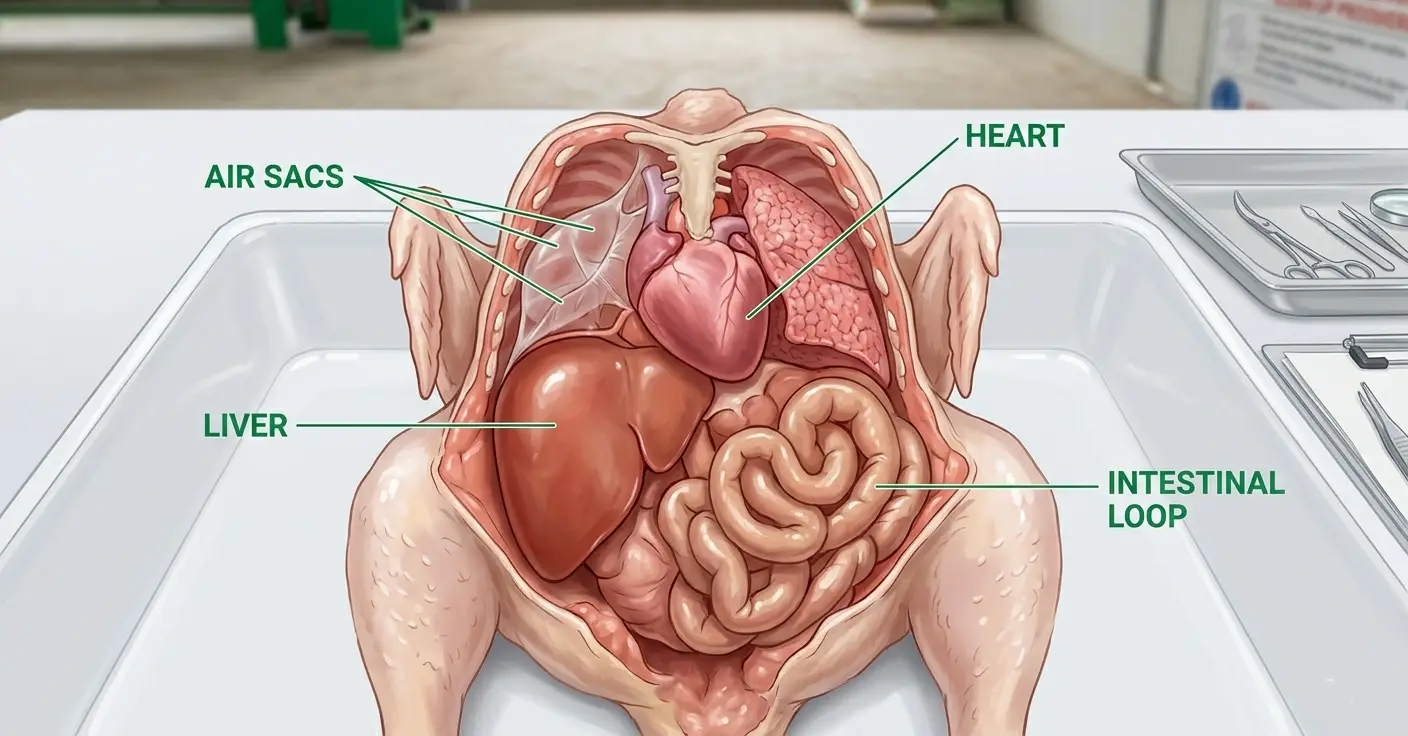
Most layer farms dispose of dead birds. Few examine them. This is the most consistent and most expensive diagnostic mistake in commercial poultry production. A dead bird examined within 4…
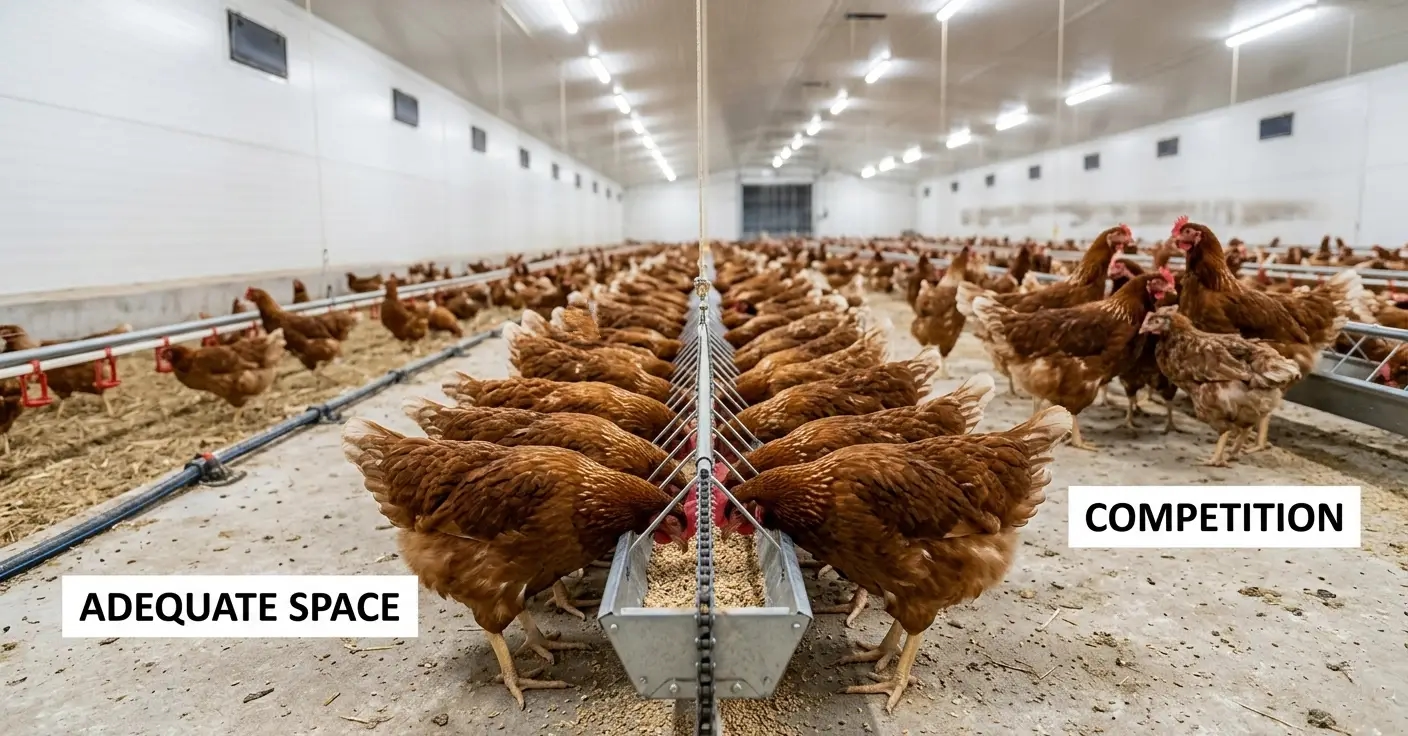
A flock of 5,000 pullets does not lay as one bird. It lies as a population, and the shape of that population at the point of sexual maturity determines the…
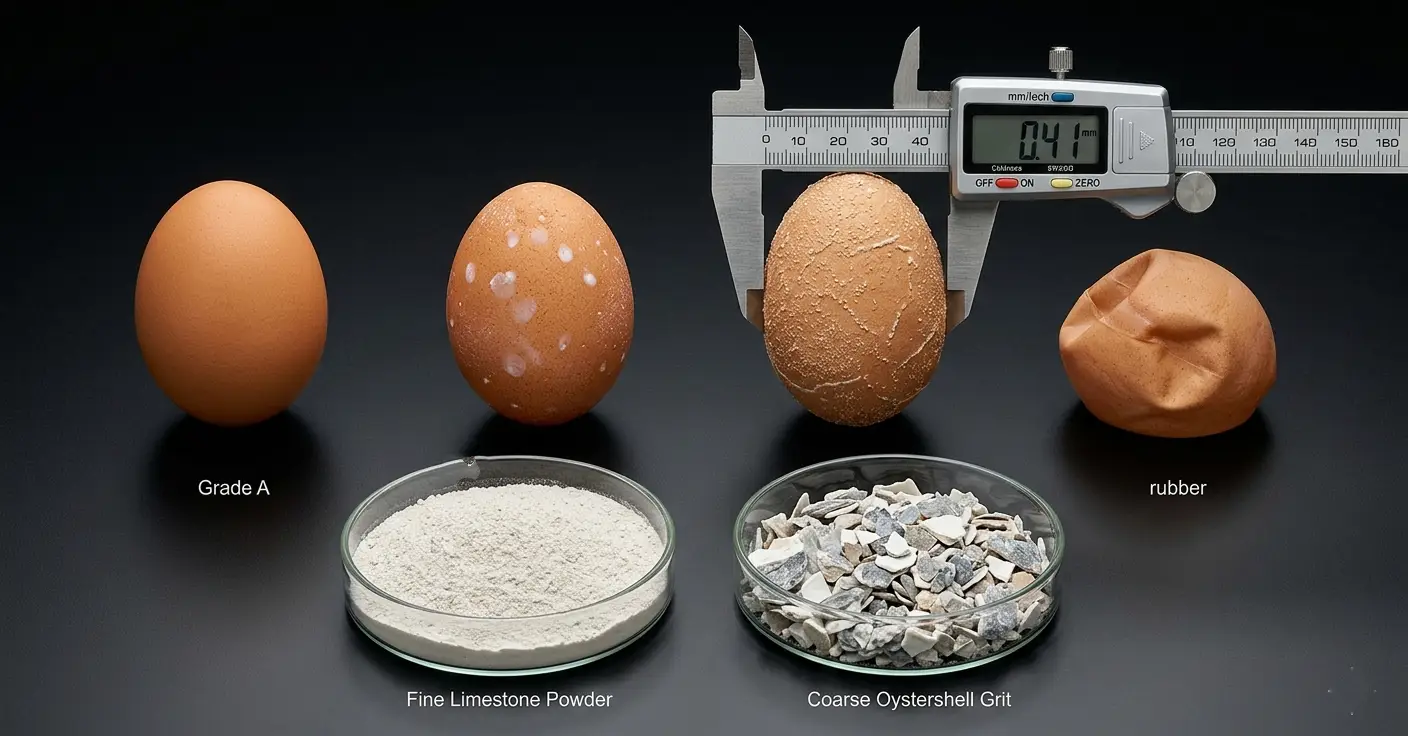
An egg drop is a production event with a root cause. It does not occur spontaneously. When laying rate falls 10% or more below the expected trajectory, or when a…
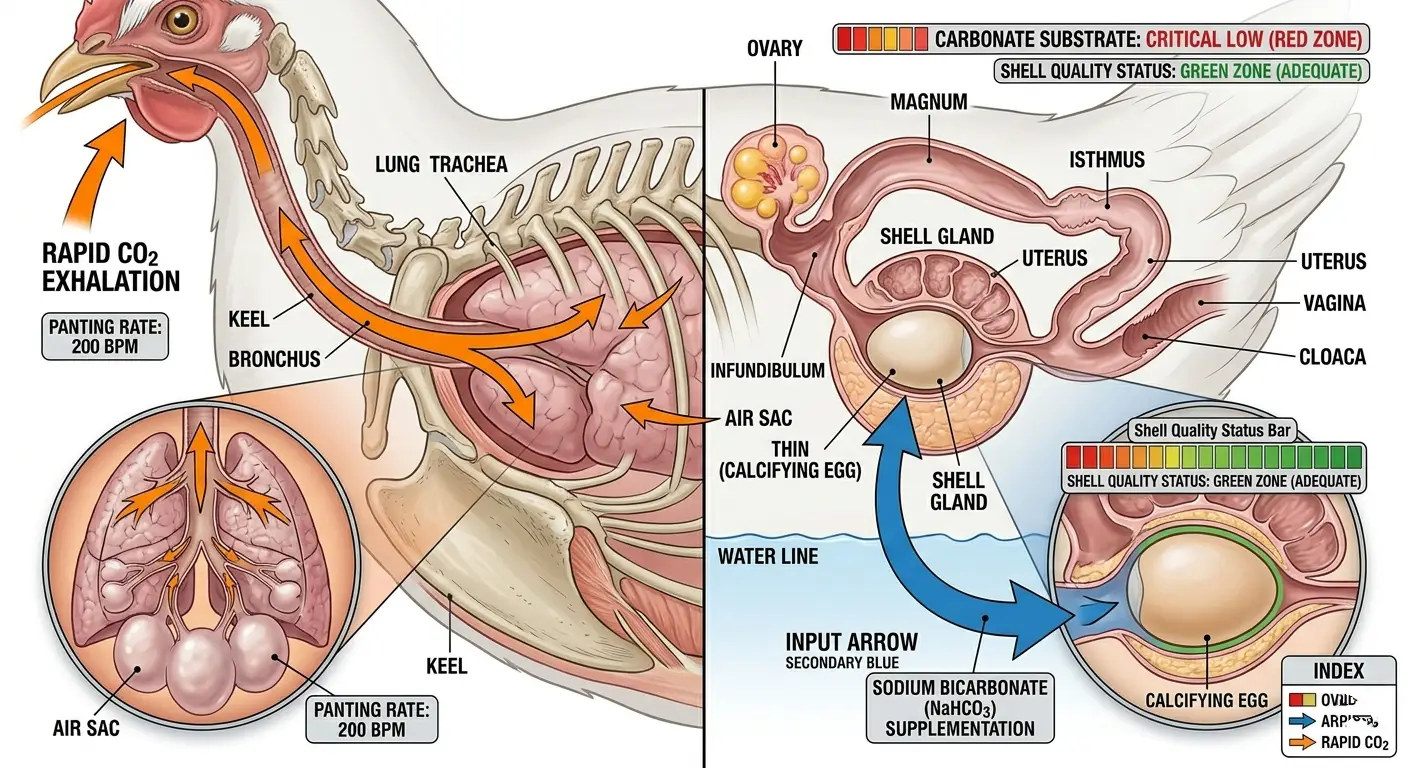
The dry season arrives on schedule. Every year. In northern Cameroon, Nigeria, and the Sahel zone, the harmattan brings temperatures above 35°C from November through February. In southern Cameroon and…
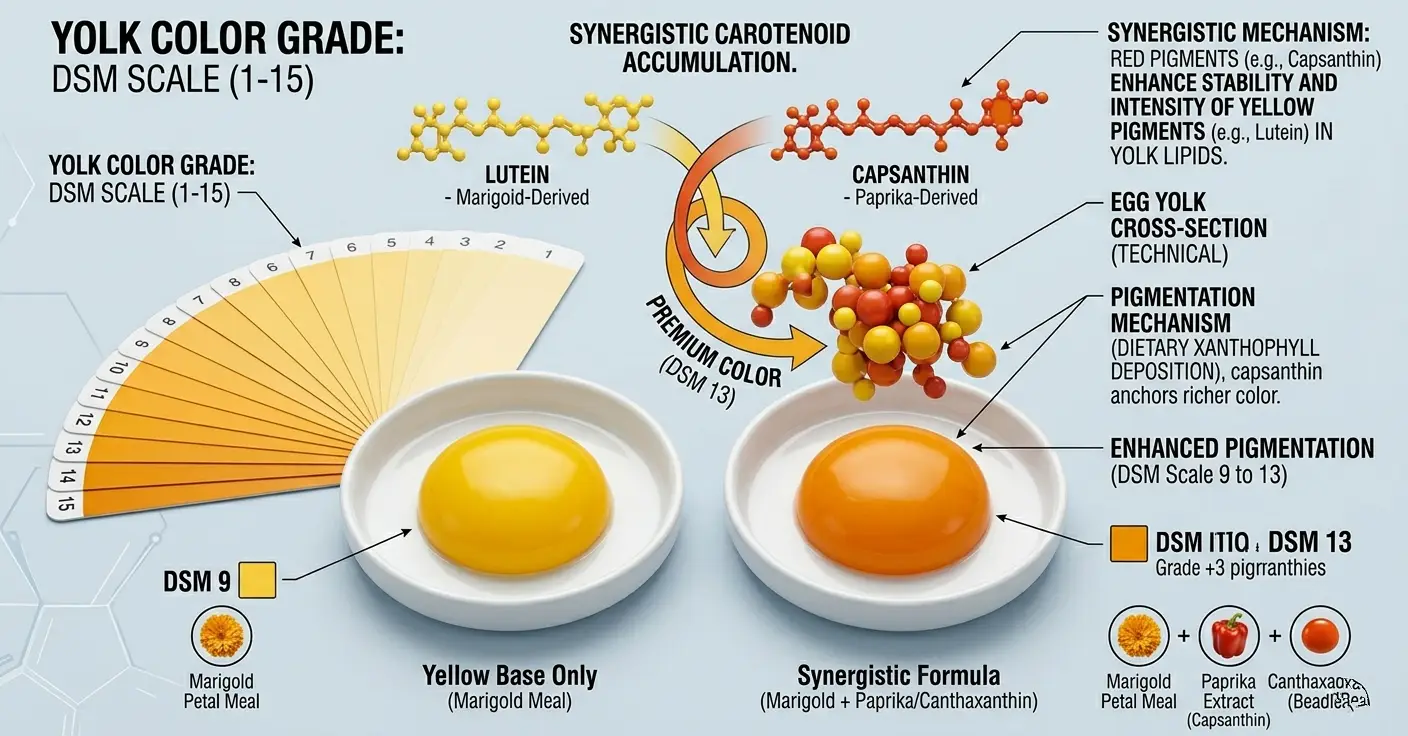
A consumer picking up two trays of eggs at a market stall in Douala, Yaoundé, or Lagos does not read the feed formulation sheet. She cracks an egg. If the…
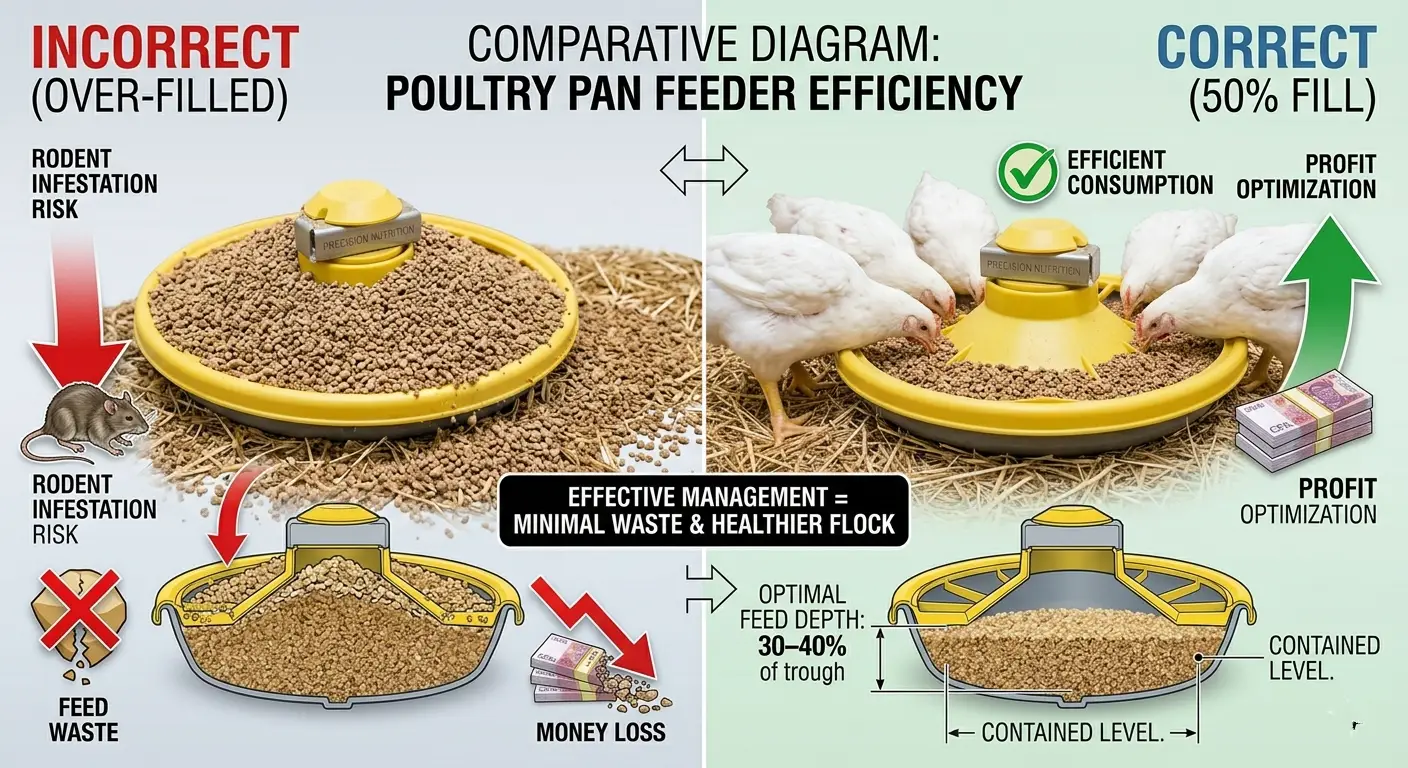
Feed accounts for 65–75% of the total variable cost of producing an egg. In a commercial layer operation producing 1 million eggs per year, a difference of 0.1 in feed…
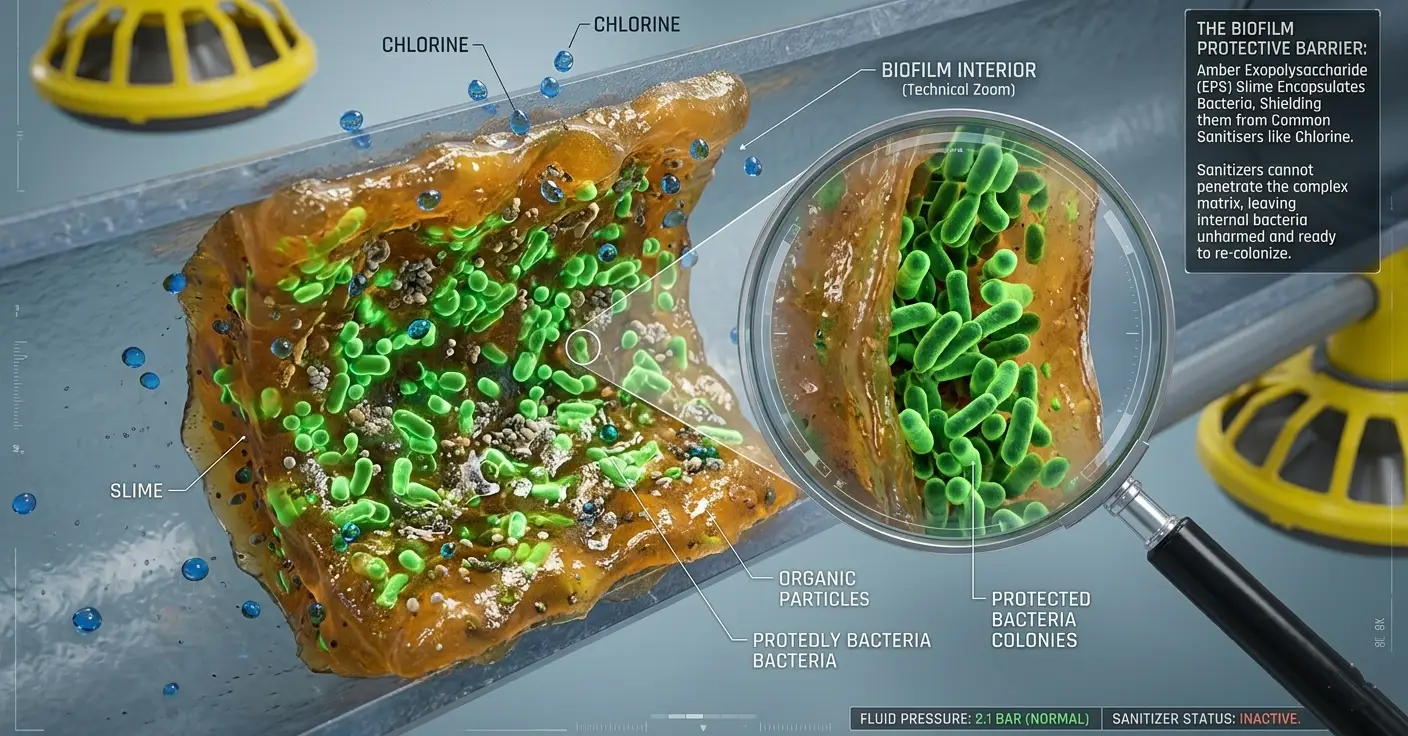
Water is the first nutrient a layer hen consumes every morning and the last she consumes before the lights go out. It is the medium through which every metabolic reaction…
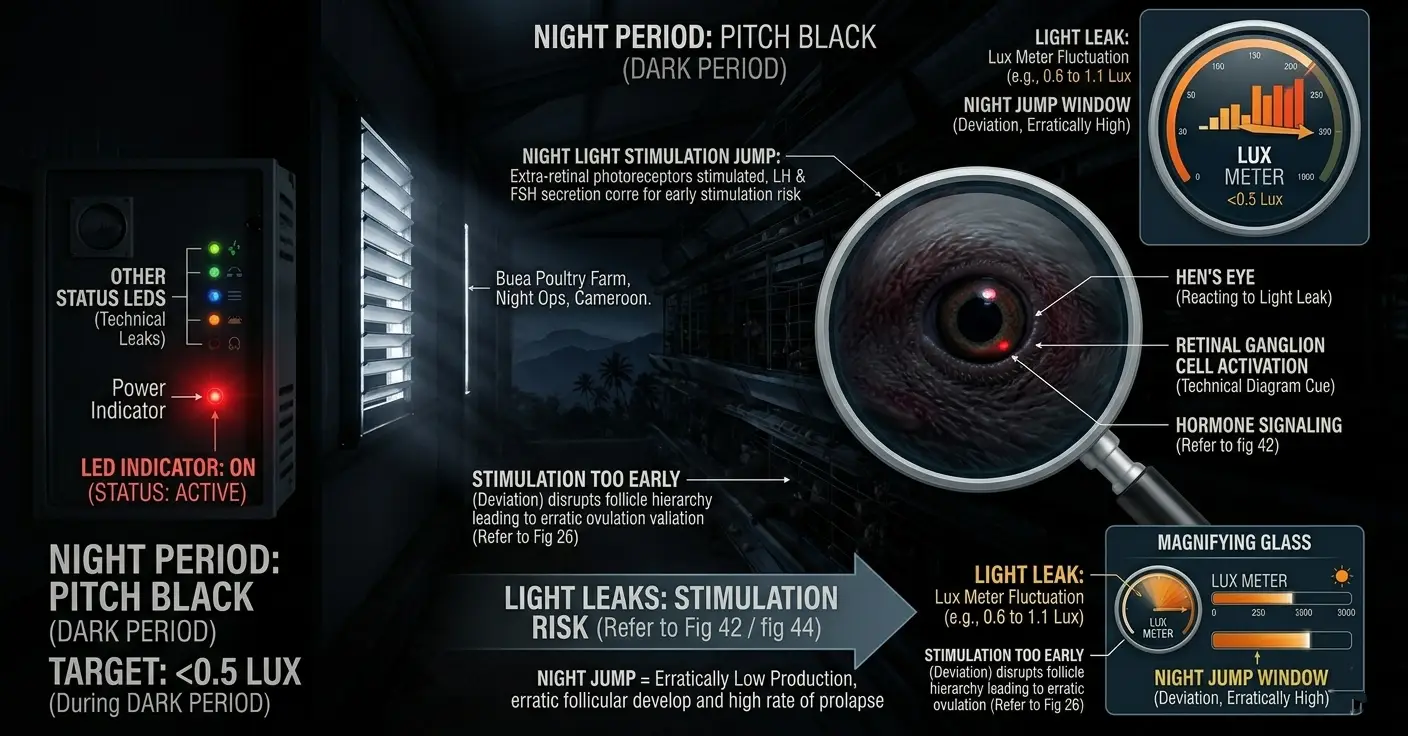
A commercial layer hen carries the genetic potential for 320–330 eggs in a 72-week laying cycle. Most flocks produce 270–290. The gap between genetic potential and actual production has many…
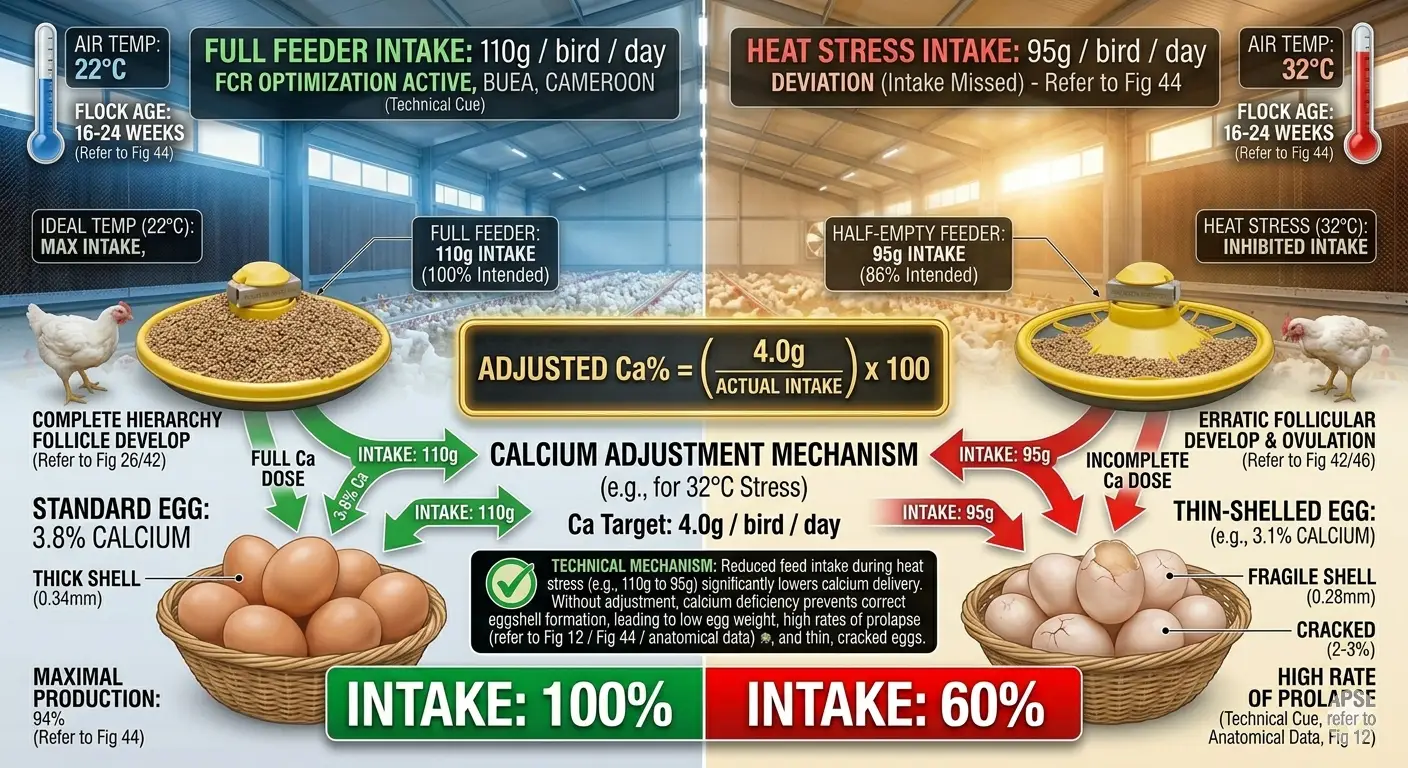
At Otto’s Farms, we track shell quality as a revenue metric, not a welfare indicator. A cracked shell is not just a compromised egg; it is a lost sale, a…
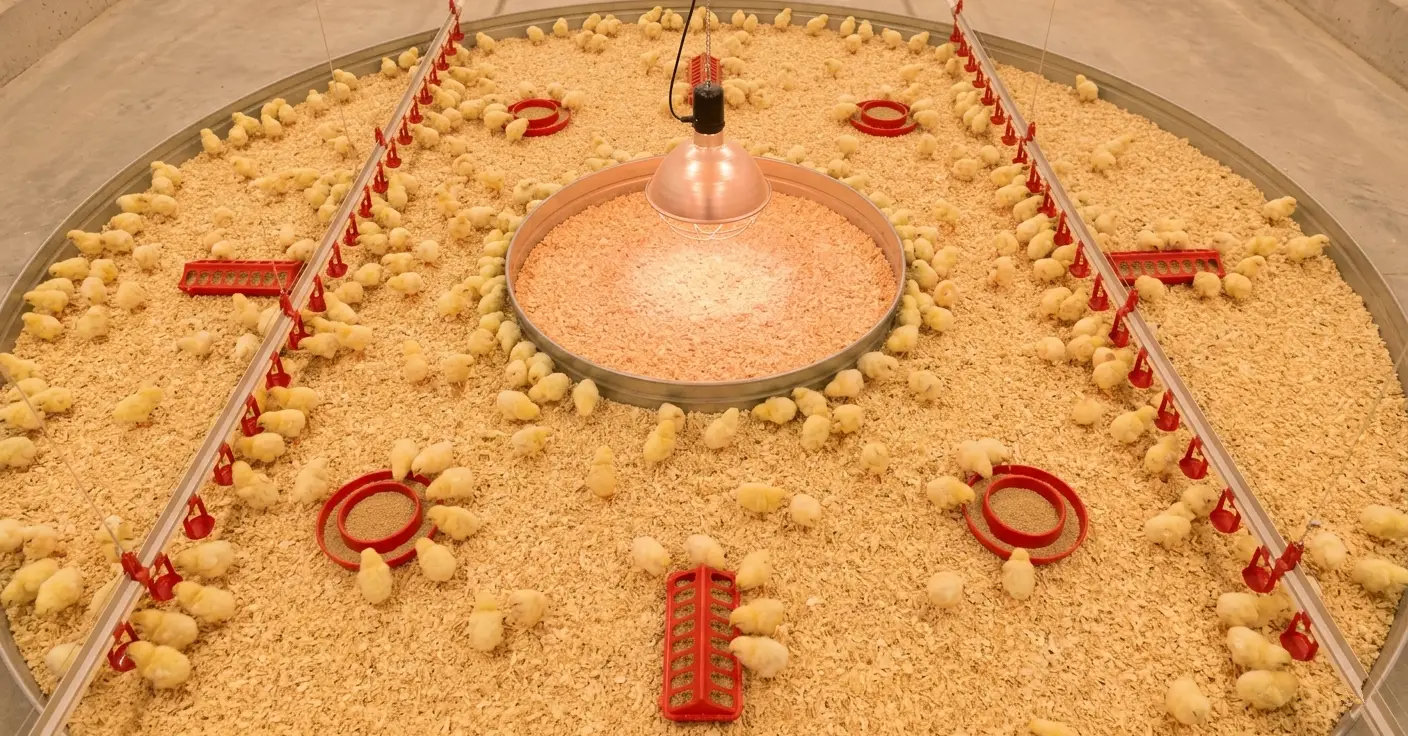
Every laying hen that produces 300+ eggs in a 52-week cycle started somewhere. She started in the first 48 hours of brooding — a window so biologically critical that mistakes…