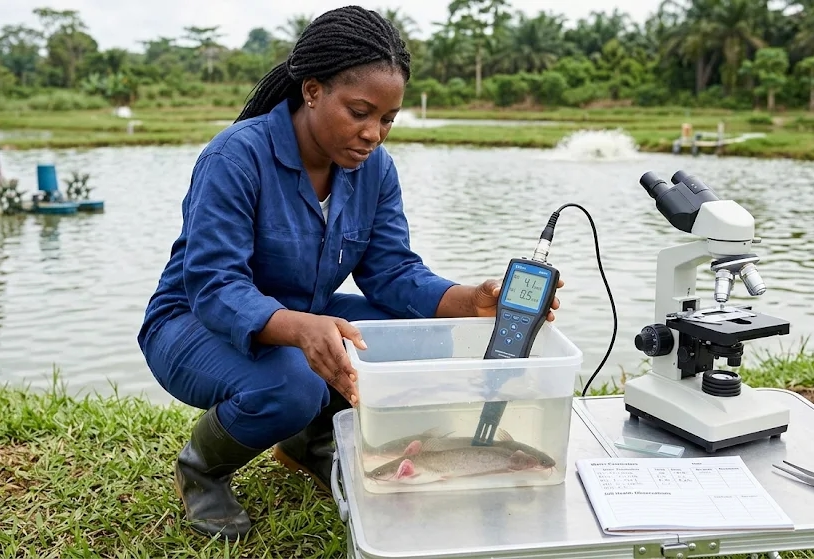
Catfish hatchery biosecurity refers to the measures used to prevent harmful pathogens from entering a hatchery, spreading between tanks or production units, and reaching healthy eggs, fry, fingerlings, and broodstock.
Effective biosecurity is essential for maintaining healthy fish populations, reducing disease outbreaks and protecting hatchery productivity. It combines controlled movement of fish and equipment, water-quality management, sanitation, quarantine, health monitoring and appropriate responses to suspected disease.
Biosecurity does not guarantee that a hatchery will remain disease-free, but it can significantly reduce opportunities for disease introduction and transmission.
Why Biosecurity Matters in Catfish Hatcheries
Catfish hatcheries often hold large numbers of eggs and young fish in relatively concentrated production systems. If a pathogen enters one unit, it may spread through shared water, contaminated equipment, fish transfers, or the movement of workers.
Weak biosecurity can contribute to:
- Disease outbreaks affecting multiple batches.
- Increased mortality among eggs, fry and fingerlings.
- Reduced feeding, growth and survival.
- Repeated introduction of pathogens through new stock.
- Increased costs associated with diagnosis and disease management.
- Disruption of hatchery production.
A well-designed biosecurity programme aims to prevent introduction, limit spread and support early detection.
1. Control the Introduction of New Fish
New broodstock and fingerlings are potential routes through which pathogens can enter a hatchery. Fish may carry infectious organisms even when they appear healthy.
To reduce this risk:
- Purchase stock from reliable suppliers.
- Record the source and arrival date of every new batch.
- Inspect new fish for visible abnormalities.
- Keep incoming fish separate from established populations.
- Use appropriate quarantine procedures.
- Obtain professional health assessments when disease risks are significant.
Visual inspection is useful but cannot establish that fish are free from all pathogens.
2. Quarantine New Fingerlings and Broodstock
Quarantine involves keeping incoming fish in a separate, appropriately managed area for observation and health assessment before introducing them to the main production population.
A practical quarantine procedure should include:
- Prepare a separate holding unit with suitable water conditions.
- Use dedicated nets, containers and other equipment.
- Observe fish daily for abnormal swimming, surface gasping, skin lesions and reduced feeding.
- Monitor mortality and water quality.
- Record changes in fish behaviour and condition.
- Seek professional diagnosis if disease is suspected.
- Transfer fish only when the relevant health and quarantine requirements have been met.
The appropriate quarantine period depends on the fish’s source, disease risks and professional guidance. A fixed period cannot guarantee that every infection will be detected.
3. Prevent Cross-Contamination Between Tanks
Equipment can carry pathogens from an affected tank to a healthy one.
Potential sources of cross-contamination include:
- Nets and grading equipment.
- Buckets and water containers.
- Feeding utensils.
- Transfer hoses.
- Workers’ hands and footwear.
- Shared water or drainage systems.
Where possible, dedicate equipment to individual tanks or production areas. If equipment must be shared, clean and disinfect it appropriately between uses.
A useful working rule is to handle healthy populations before potentially affected populations, while following established hygiene procedures between production units.
4. Clean and Disinfect Hatchery Equipment
Cleaning and disinfection are related but distinct steps.
Cleaning removes visible dirt, organic material and residues. Disinfection uses an appropriate process or product to reduce susceptible microorganisms on cleaned surfaces.
A safe equipment hygiene routine includes:
- Removing organic matter before disinfection.
- Using a disinfectant suitable for the intended surface and purpose.
- Following the product label for concentration, contact time and handling precautions.
- Allowing treated equipment to be prepared for reuse according to the instructions.
- Preventing disinfectants from entering stocked fish units at harmful concentrations.
- Recording important cleaning and disinfection activities.
Do not assume that a product safe for equipment is safe for fish, eggs or fry. Disinfectants should not be applied directly to stocked systems unless specifically approved for that use.
5. Protect the Hatchery Water Supply
Water can introduce pathogens or carry contamination between production units.
Biosecurity measures should reflect the source and design of the hatchery’s water system.
Consider the following practices:
- Assess the source water for potential contamination.
- Use suitable water-treatment methods where needed.
- Prevent contaminated drainage from entering clean water supplies.
- Avoid transferring untreated water between unrelated batches.
- Maintain pipes, tanks and water-treatment equipment.
- Monitor water quality consistently.
- Investigate unusual changes in water appearance, smell or fish behaviour.
Water treatment must be appropriate for the system and the organisms of concern. No single treatment method should be assumed to eliminate every pathogen.
6. Separate Clean and Contaminated Areas
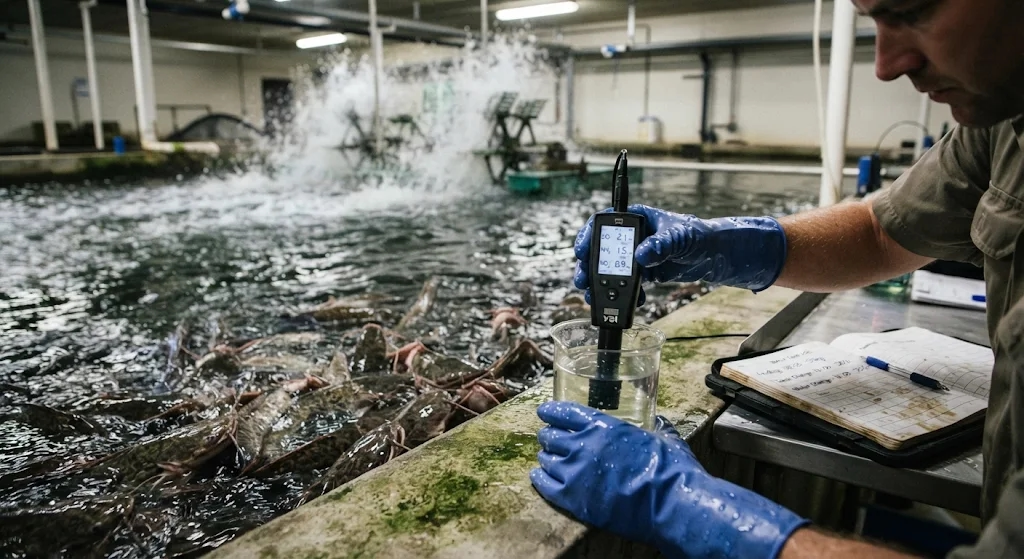
Where the hatchery layout allows, establish separate areas for receiving new fish, quarantine, egg incubation, fry rearing, routine operations and handling suspected disease cases.
The purpose is to reduce unnecessary movement of pathogens between areas.
Good practices include:
- Clearly identifying different production areas.
- Keeping equipment in its designated location.
- Limiting access to sensitive hatchery areas.
- Preventing contaminated footwear and tools from entering clean zones.
- Managing waste and drainage so that they do not contaminate healthy stock.
Even in a small hatchery, simple separation through labelled equipment, organised work routines and controlled movement can improve biosecurity.
7. Establish Staff Hygiene Procedures
Workers can unintentionally transfer pathogens between tanks or production areas.
Staff hygiene procedures should be practical, consistent and easy to follow.
They may include:
- Washing hands before handling fish or equipment.
- Cleaning footwear when moving between designated areas.
- Using clean protective clothing where appropriate.
- Avoiding unnecessary movement between quarantine and healthy-stock areas.
- Cleaning shared tools before reuse.
- Reporting suspected disease immediately.
Visitors should follow the same relevant hygiene and access procedures as staff.
8. Manage Eggs, Fry and Fingerlings Carefully
Eggs and young fish require careful handling because physical damage and environmental stress can compromise their condition.
Biosecurity practices should include:
- Obtaining eggs and young fish from appropriate sources.
- Using clean equipment during spawning, incubation and transfer.
- Removing dead eggs and fish promptly.
- Avoiding unnecessary transfers between tanks.
- Maintaining suitable water conditions during handling.
- Keeping different batches identifiable and separate where practical.
- Investigating unusual mortality or poor hatching results.
Dead eggs and fish should be removed using appropriate equipment and disposed of safely. Their presence may indicate an environmental or health problem that needs further investigation.
9. Monitor Fish Health Daily
Regular observation is an essential part of biosecurity because early detection helps prevent unnoticed disease spread.
Watch for:
- Reduced feeding response.
- Abnormal swimming.
- Gasping at the water surface.
- Rapid gill movements.
- Skin lesions or unusual growths.
- Changes in colour or body condition.
- Unexpected mortality.
- Poor growth or uneven development.
These symptoms do not identify a specific pathogen on their own. If signs persist, spread or occur alongside increasing mortality, investigate water quality and seek professional diagnosis.
Maintain records that identify the affected tank, batch, date and symptoms.
10. Use Water-Quality Management as Part of Biosecurity
Biosecurity and water quality are closely related. Although good water quality does not eliminate infectious organisms, it helps reduce environmental stress and supports fish health.
Monitor relevant parameters, including:
- Dissolved oxygen.
- Ammonia.
- Nitrite.
- pH.
- Water temperature.
Also maintain appropriate aeration, feeding, stocking density and waste removal.
When fish show sudden distress, investigate water quality promptly. Environmental problems can resemble infectious disease and may require immediate corrective action.
11. Establish a Suspected-Disease Response Procedure
Every hatchery should have a clear procedure for responding to suspected disease.
When unusual symptoms or mortality appear:
- Record the event. Document the date, affected batch, symptoms and number of fish involved.
- Check water quality. Measure relevant parameters and inspect aeration and circulation equipment.
- Restrict unnecessary movement. Avoid transferring fish, water or equipment from the affected area.
- Use dedicated equipment. Keep tools from the affected unit separate until they have been appropriately cleaned and disinfected.
- Seek diagnostic support. Contact a qualified fish-health professional or diagnostic laboratory when needed.
- Follow diagnosis-based recommendations. Use treatments only when appropriate for the suspected or confirmed condition.
- Review possible sources. Examine recent fish introductions, water changes, equipment sharing and other potential routes of transmission.
Do not automatically assume that every outbreak is bacterial or begin indiscriminate antibiotic treatment. Incorrect treatment can harm fish, delay diagnosis and contribute to antimicrobial resistance.
12. Manage Dead Fish and Hatchery Waste Safely
Dead fish, dead eggs and contaminated materials should be handled in ways that minimise further contamination.
Good waste-management practices include:
- Removing dead material promptly.
- Using dedicated tools where possible.
- Preventing waste from entering clean water supplies.
- Avoiding the transfer of untreated waste between production areas.
- Disposing of waste according to applicable local requirements.
- Cleaning and disinfecting equipment after use.
Repeated mortality should trigger investigation rather than being treated solely as a waste-removal problem.
13. Keep Records and Train Hatchery Workers
Written procedures make biosecurity easier to apply consistently.
A hatchery biosecurity record system should capture:
| Record | Details |
|---|---|
| Stock introduction | Source, date, batch and health information |
| Quarantine | Arrival, observations and release decision |
| Water quality | Test results and corrective actions |
| Equipment hygiene | Cleaning and disinfection activities |
| Fish health | Symptoms, mortality and diagnostic findings |
| Fish movement | Transfers between units and destinations |
| Treatments | Reason, product and authorised instructions |
| Staff procedures | Training and completion of required checks |
Workers should understand why each procedure exists, how to perform it correctly and whom to notify when a problem occurs.
Common Catfish Hatchery Biosecurity Mistakes
Common weaknesses include:
- Introducing fish without suitable quarantine.
- Using the same nets and buckets across tanks without cleaning.
- Allowing contaminated water to enter clean production units.
- Failing to record stock sources and fish movements.
- Ignoring early symptoms or small increases in mortality.
- Disposing of dead fish carelessly.
- Using disinfectants incorrectly.
- Treating disease without a diagnosis.
- Allowing visitors or workers to bypass hygiene procedures.
- Failing to investigate repeated disease outbreaks.
Regularly reviewing these risks helps the hatchery improve its procedures over time.
Frequently Asked Questions
What is the difference between hatchery hygiene and biosecurity?
Hygiene focuses on practices such as cleaning, sanitation and personal cleanliness. Biosecurity is broader: it includes hygiene alongside quarantine, movement control, water-source protection, disease monitoring and outbreak response.
Can biosecurity completely prevent catfish diseases?
No. Biosecurity reduces the risk of pathogen introduction and spread, but it cannot guarantee that disease will never occur. Water quality, fish health, environmental conditions and ongoing monitoring remain important.
Is quarantine necessary for every new batch of fingerlings?
New fish should undergo an appropriate health assessment and separation process based on their source and risk. Quarantine is especially important when introducing fish into an established population because apparently healthy fish may carry pathogens.
Why should hatchery equipment be separated?
Equipment may transfer contaminated water, organic material and infectious organisms between production units. Dedicated equipment or proper cleaning and disinfection between uses reduces this risk.
What should farmers do if disease appears in several tanks?
Restrict unnecessary movement of fish, water and equipment between affected and healthy areas. Check water quality, document symptoms and mortality, and seek professional diagnosis. The appropriate response depends on the cause and hatchery layout.
Conclusion
Catfish hatchery biosecurity is a coordinated system of prevention, monitoring and response. Quarantine, controlled fish movement, equipment sanitation, water-source protection, staff hygiene and early disease detection help reduce the risk of outbreaks.
The most effective programme is one that hatchery workers can follow consistently and that is supported by accurate records. When suspected disease occurs, investigate the cause promptly and use professional, diagnosis-based guidance to protect healthy stock.