Overstocking is a common management problem in catfish farming. It occurs when too many fish are kept in a pond, tank, or production unit relative to its water volume, oxygen…
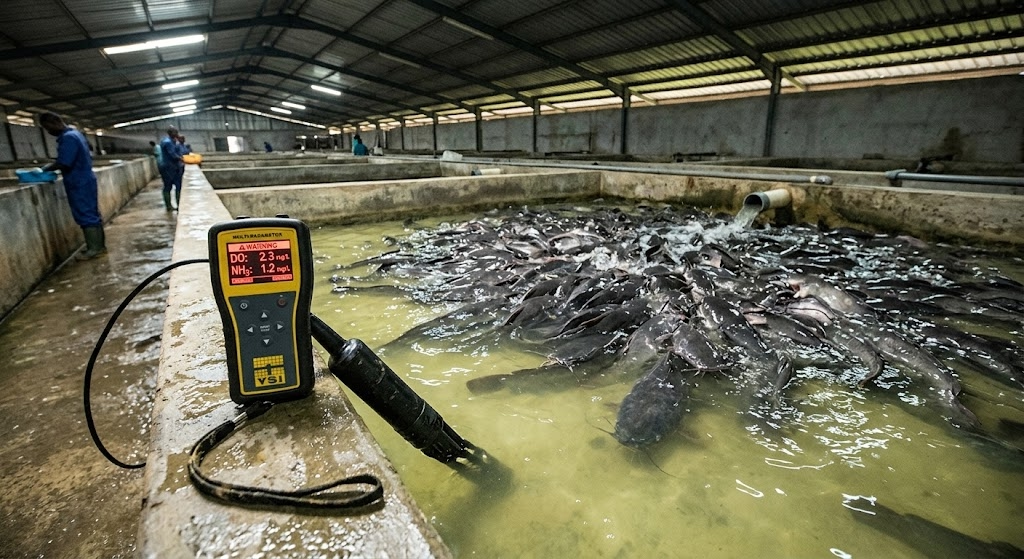
Overstocking is a common management problem in catfish farming. It occurs when too many fish are kept in a pond, tank, or production unit relative to its water volume, oxygen…
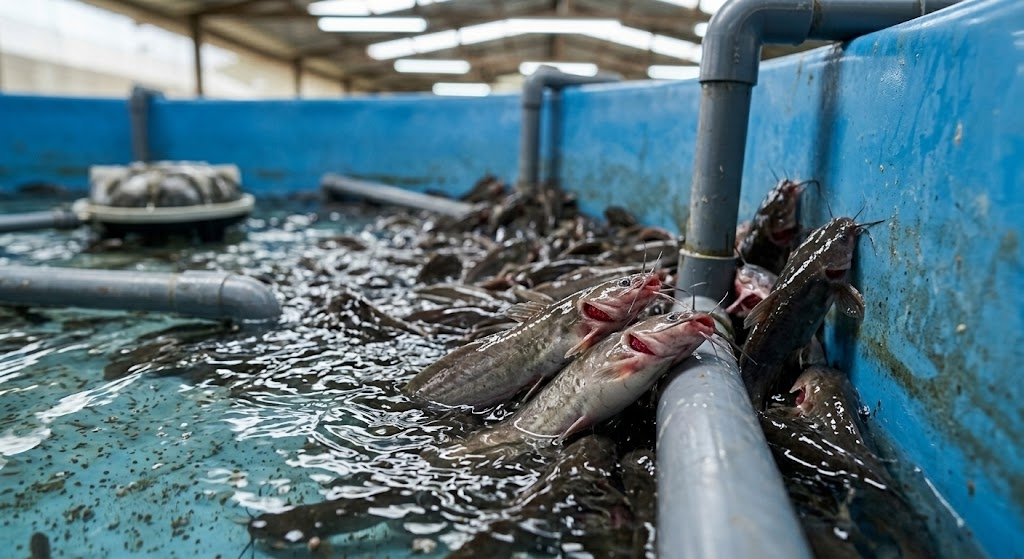
In commercial and homestead catfish production, the fingerling stage is the most critical and high-risk window for parasitic outbreaks. Because young African catfish (Clarias gariepinus) and Channel catfish (Ictalurus punctatus)…
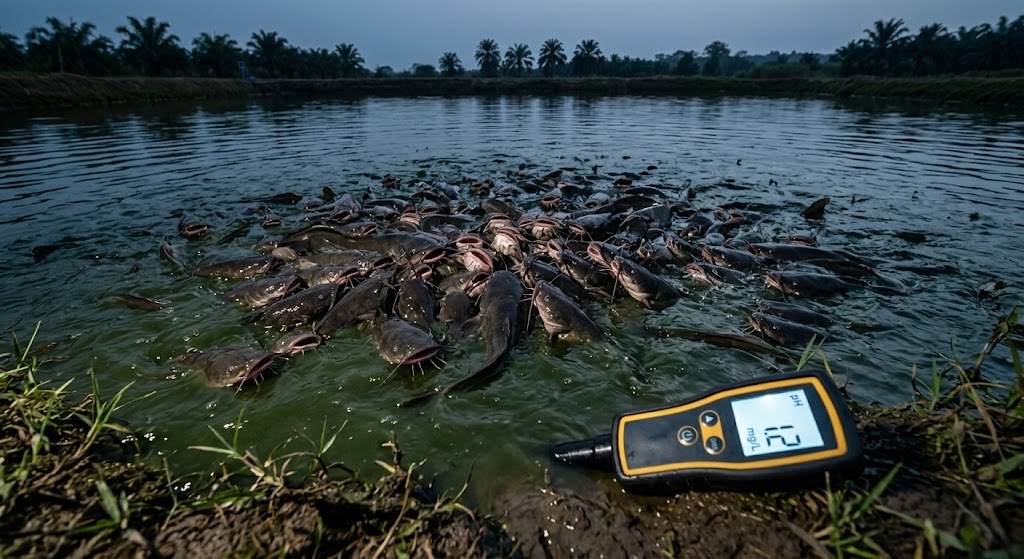
Low dissolved oxygen is a major water-quality problem in fish farming. When the oxygen available in water falls below the level needed by fish, catfish may experience respiratory stress, reduced…
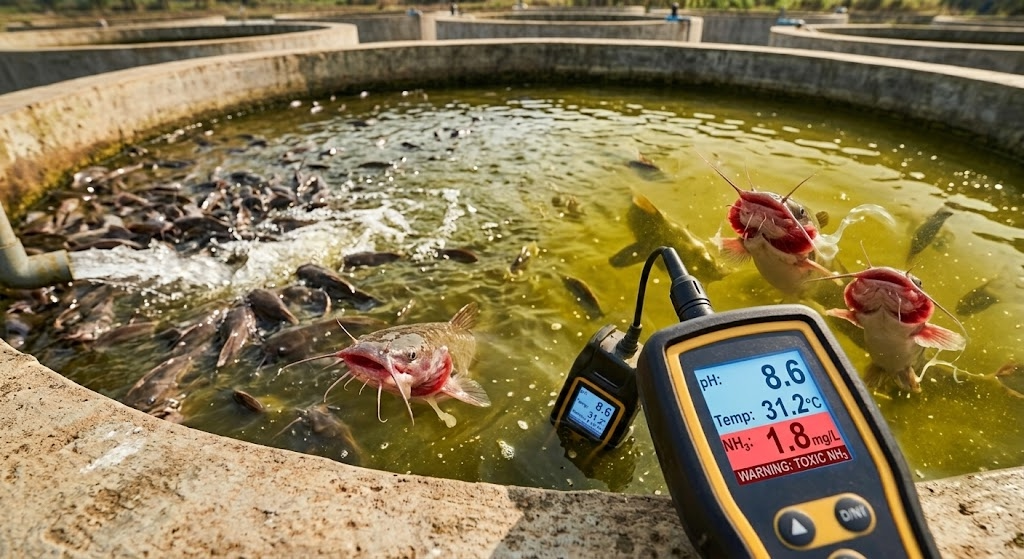
Ammonia is an important water-quality risk in catfish farming. It enters pond and tank water through fish waste, uneaten feed and the breakdown of organic matter. When ammonia accumulates, it…
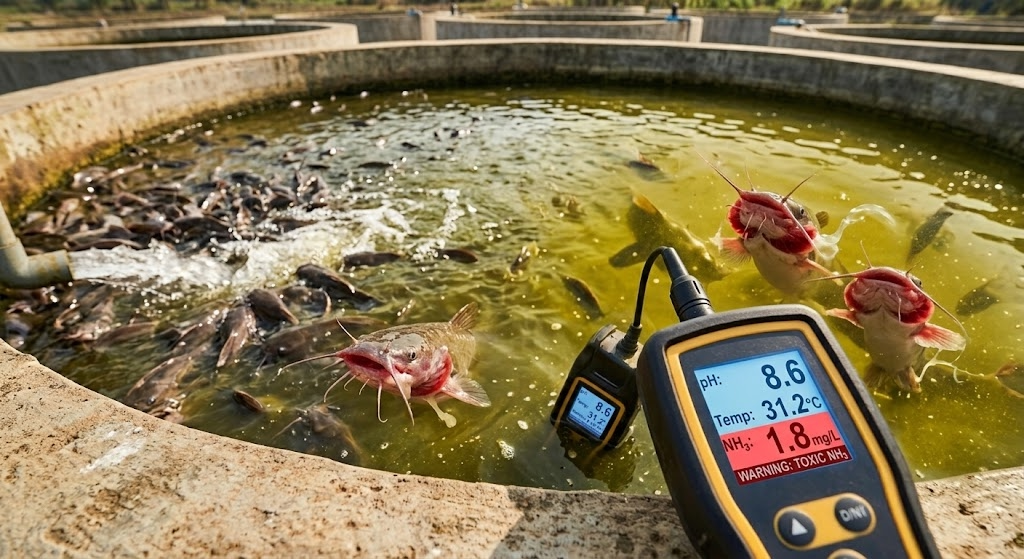
Nitrite is a water-quality contaminant that can interfere with oxygen transport in fish. When nitrite accumulates in catfish ponds or tanks, affected fish may show respiratory distress, reduced feeding, weakness,…
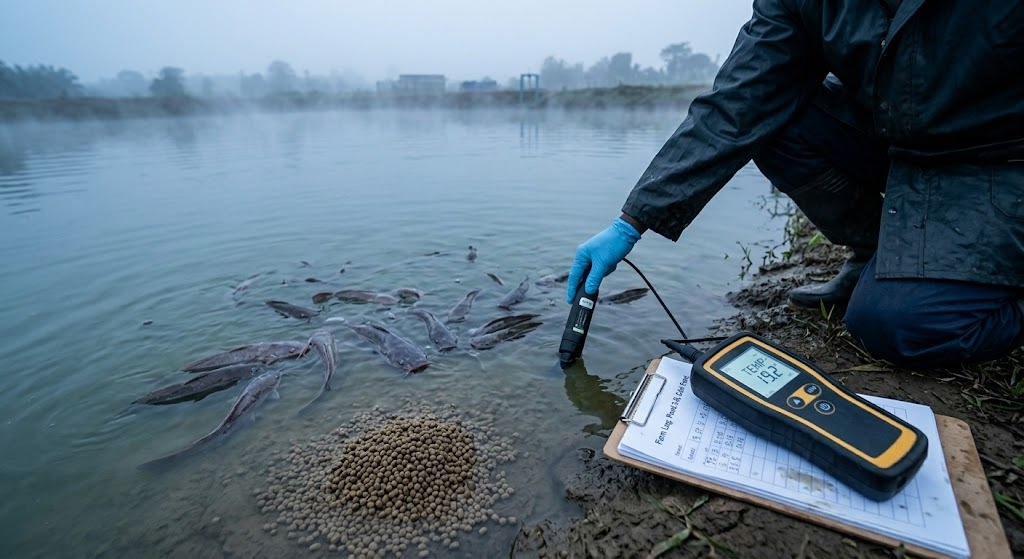
Water temperature plays an important role in catfish health because it influences fish metabolism, immune responses, pathogen activity and water quality. In African catfish farming, unsuitable temperatures can increase physiological…
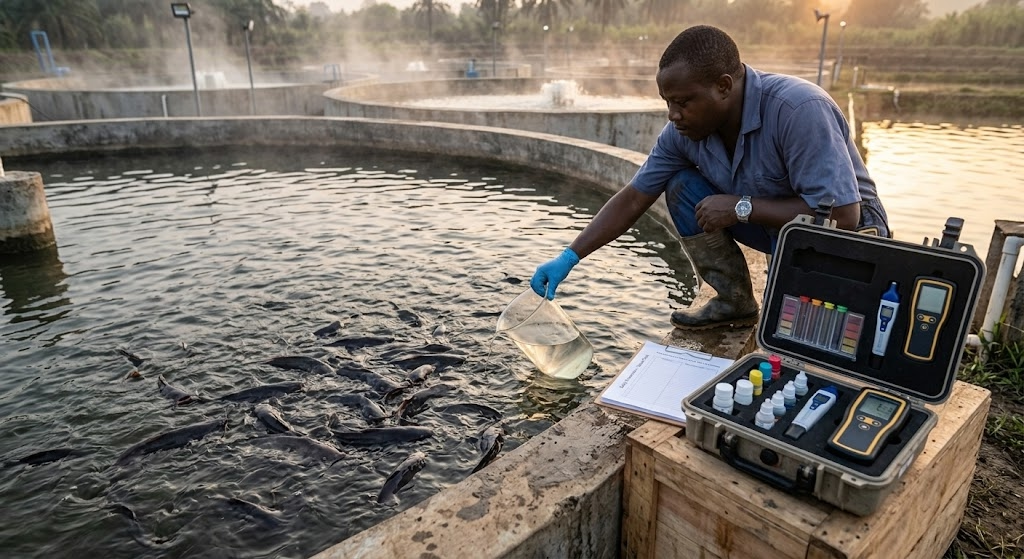
Testing catfish pond water is essential for maintaining fish health, preventing water quality problems and supporting consistent growth. Poor water conditions can cause reduced feeding, respiratory distress, slow growth and…
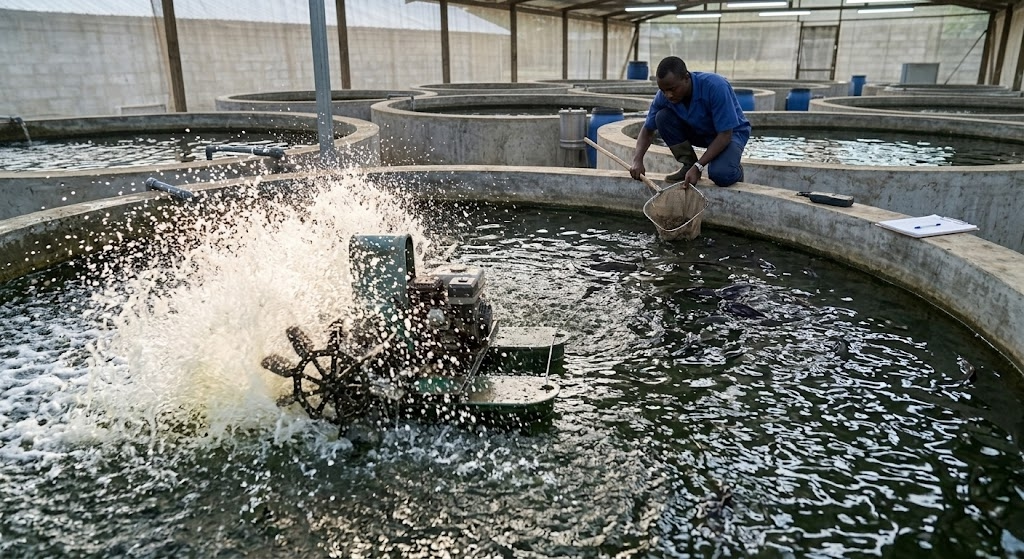
Water quality is one of the most important factors affecting catfish health, growth and survival. In African catfish farming, poor water conditions can reduce feeding, slow growth, damage gills and…
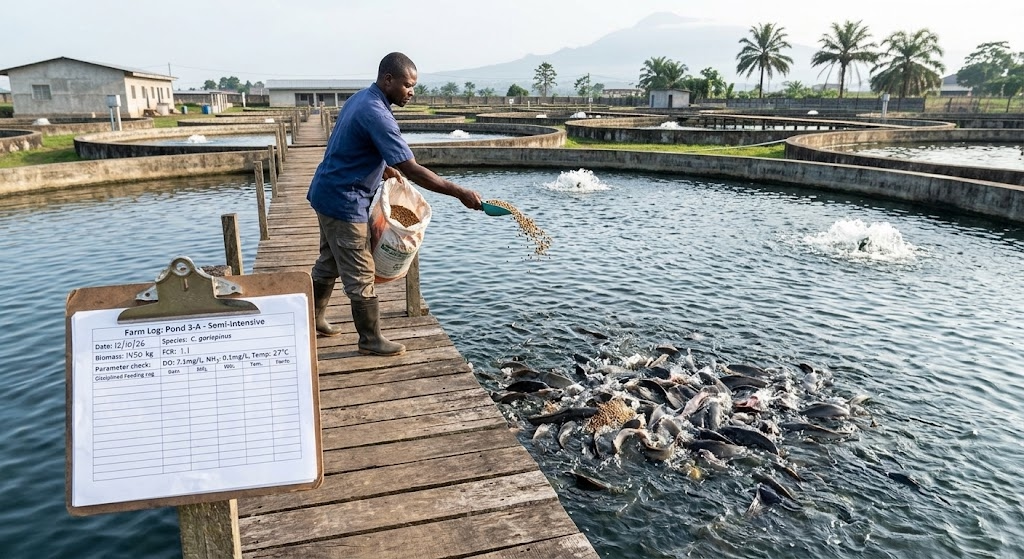
Overfeeding is a common water quality management problem in catfish farming. When farmers provide more feed than fish can consume and utilise, uneaten feed and additional waste can accumulate in…
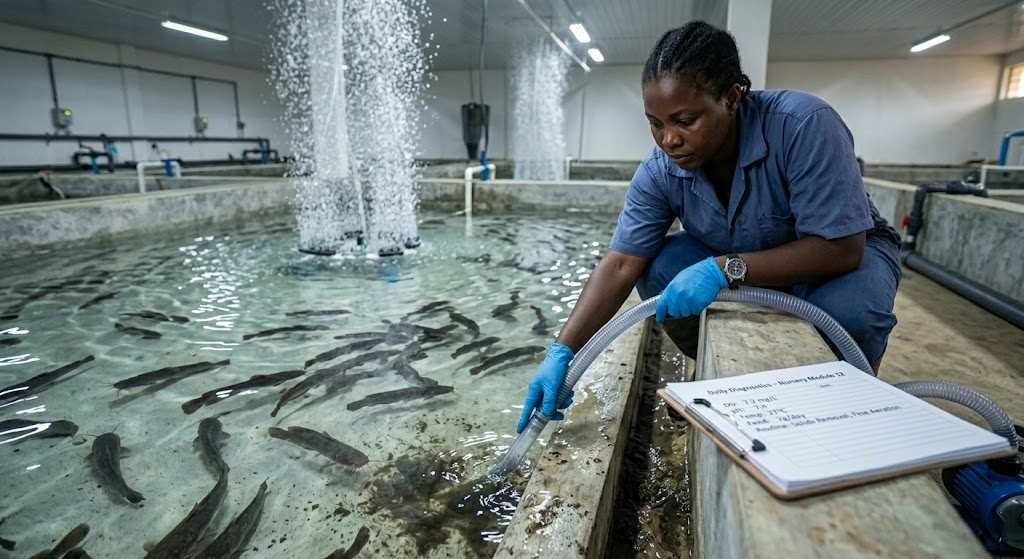
Organic waste is a major water-quality concern in catfish farming. It includes uneaten feed, fish faeces, dead algae, decaying aquatic plants, and other biological material that accumulates in ponds, tanks,…