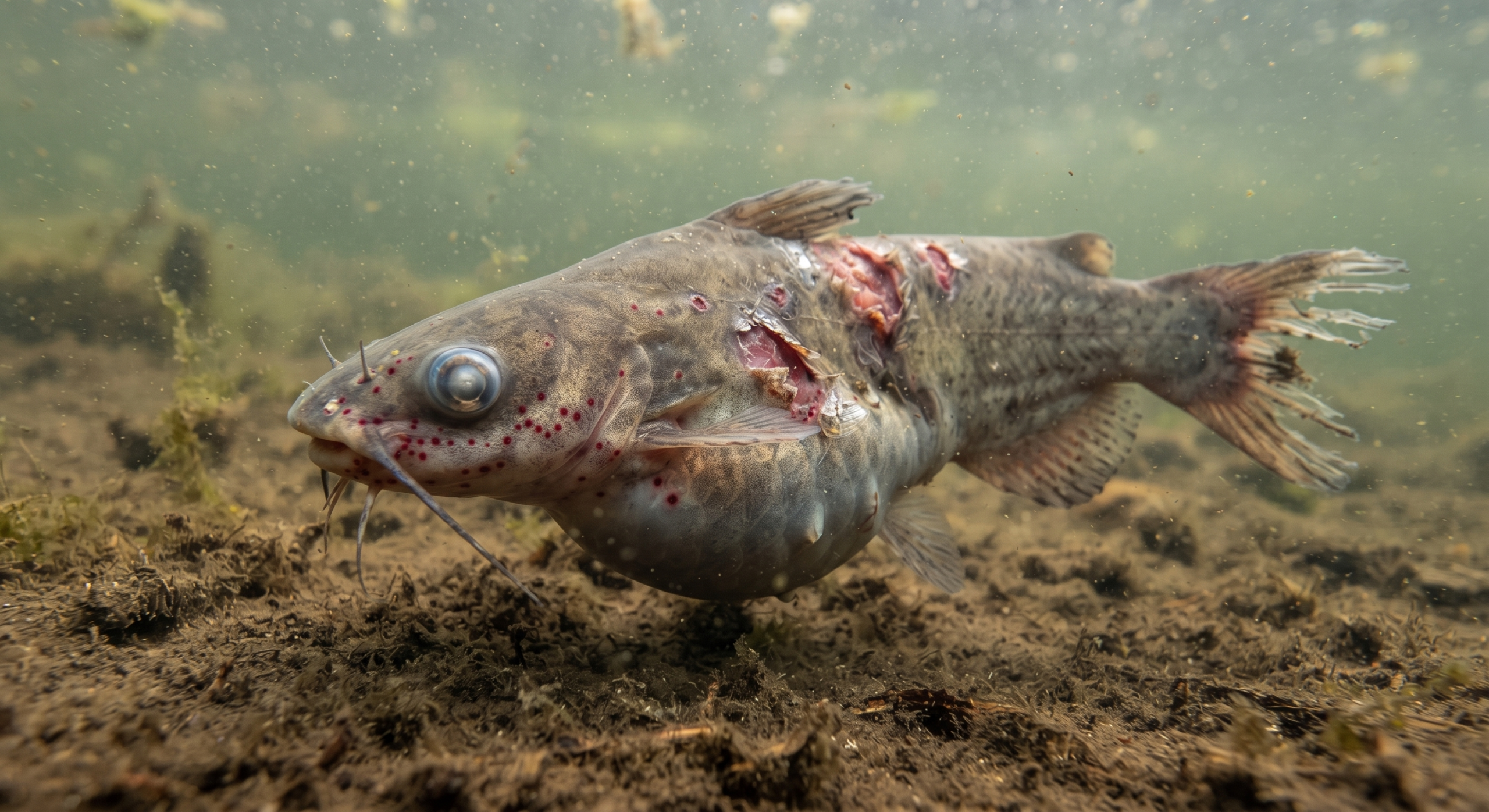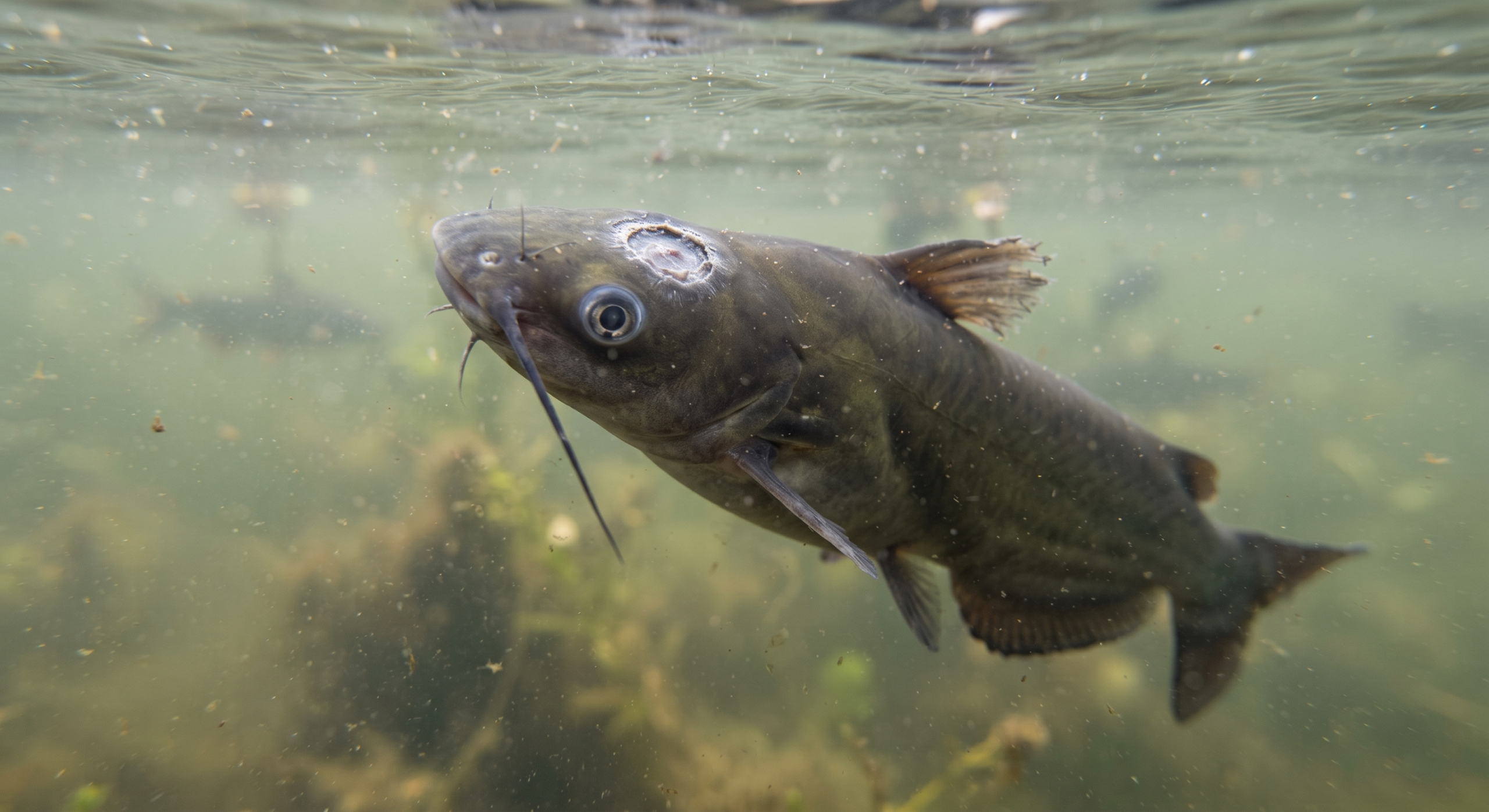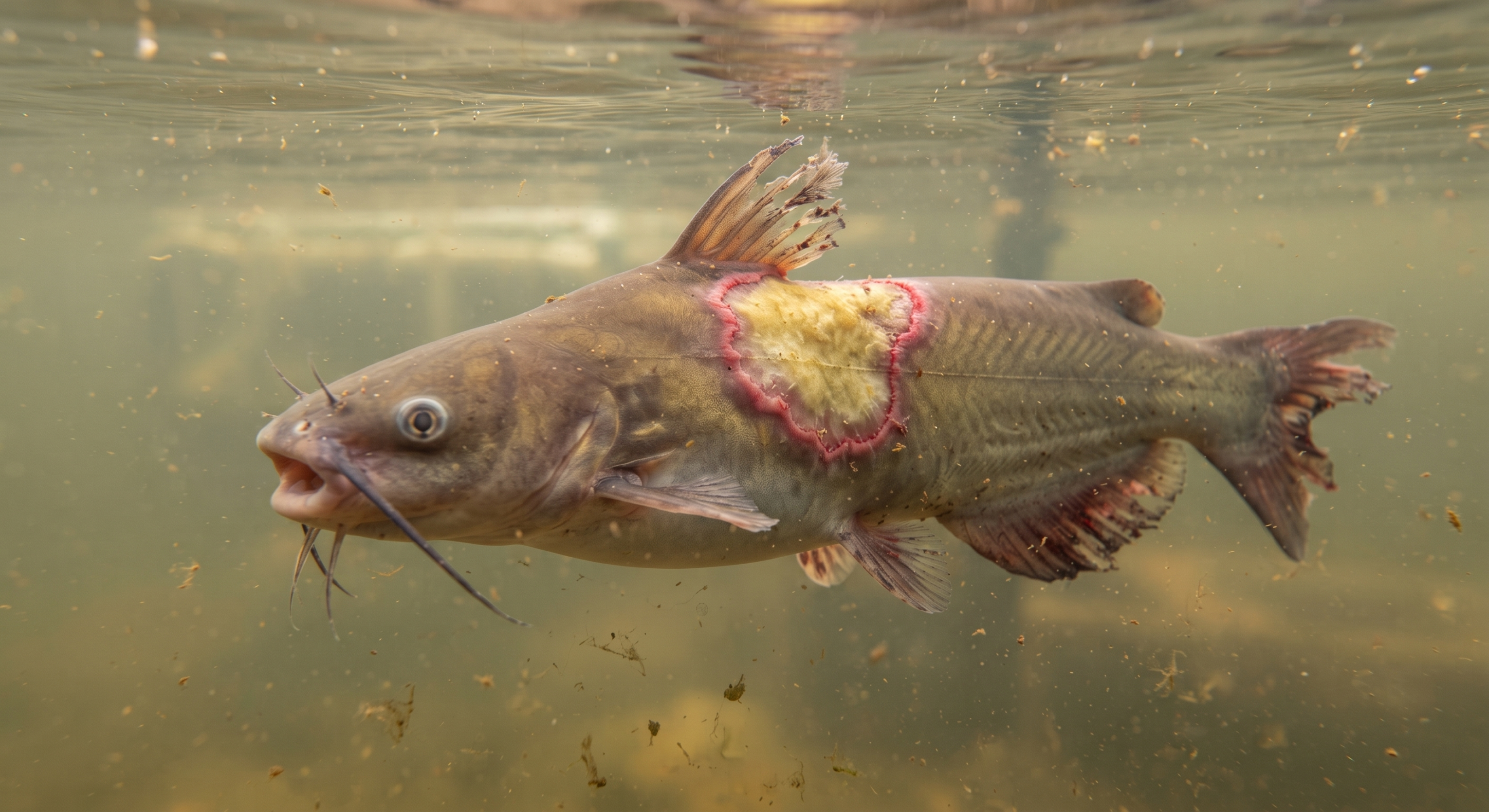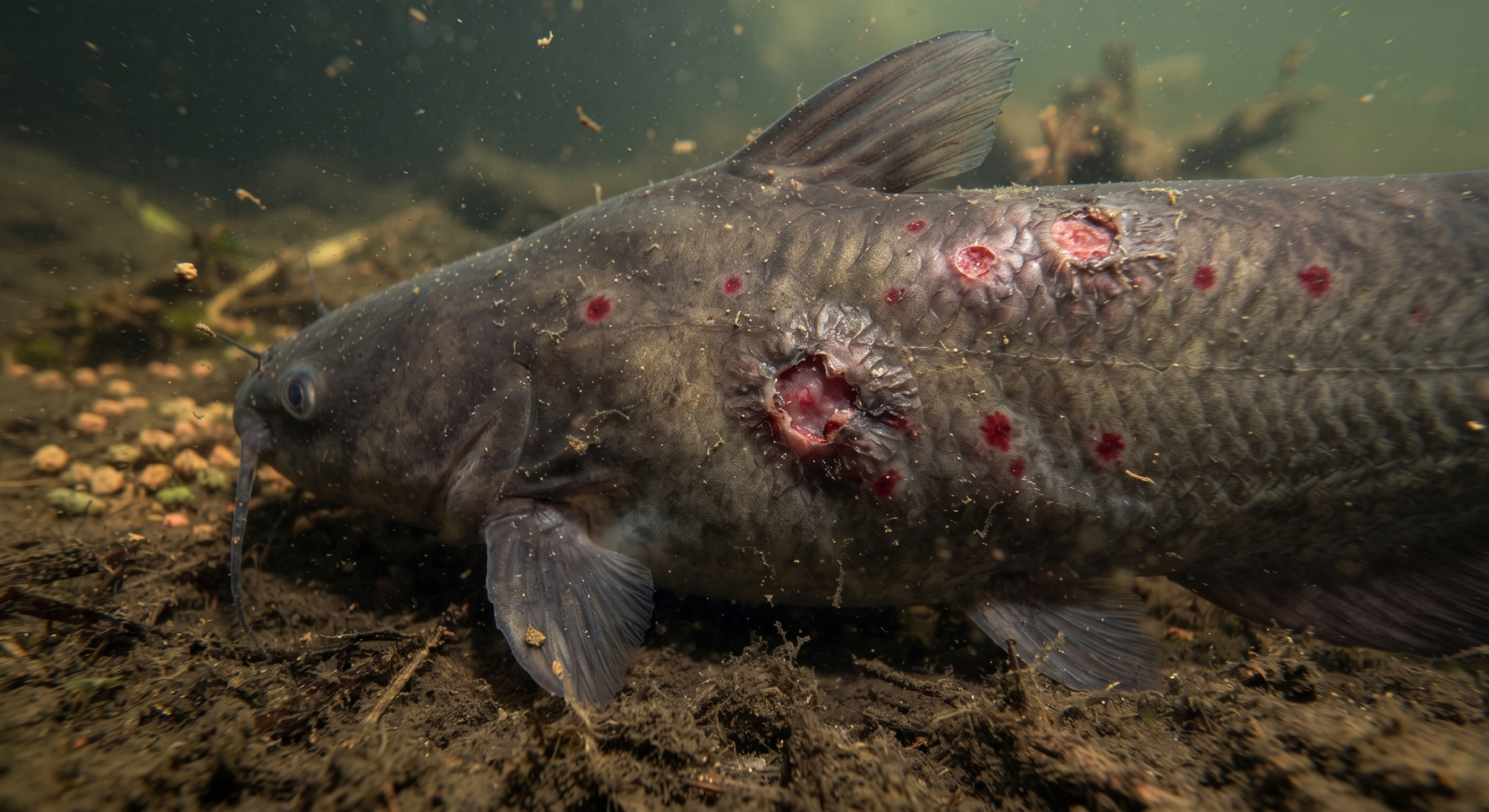
Dissolved oxygen gets the most management attention in catfish farming because its consequences are fastest — an oxygen crash kills in hours and is impossible to miss. The four parameters…
Organic agricultural products right to your table!
Dissolved oxygen gets the most management attention in catfish farming because its consequences are fastest — an oxygen crash kills in hours and is impossible to miss. The four parameters…
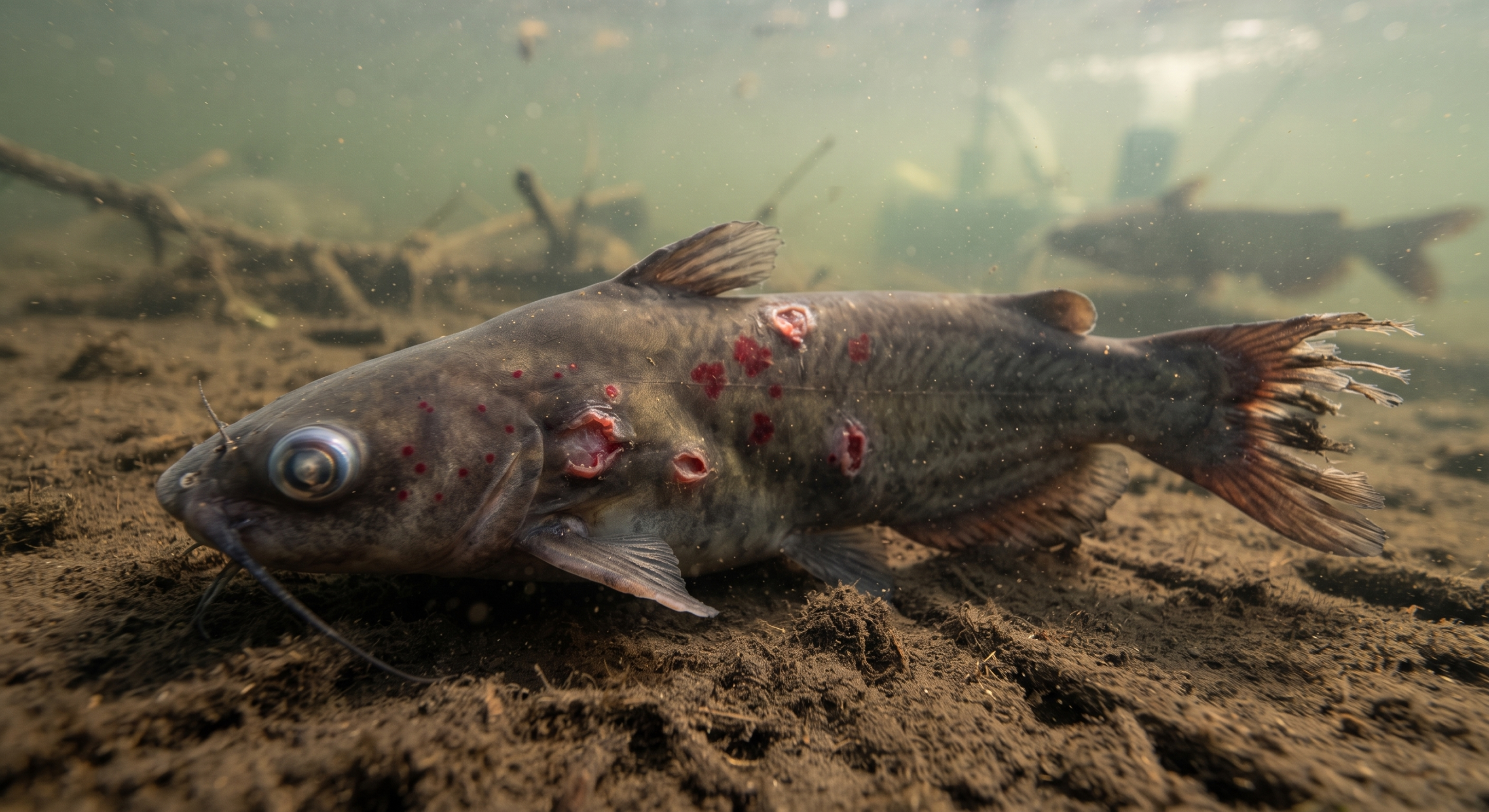
Of all the water quality parameters that commercial catfish farmers must manage — pH, ammonia, nitrite, temperature, turbidity — dissolved oxygen is the one that kills fastest. A pond or…
Plumbing and water engineering are the infrastructure that determines whether a catfish farm’s water quality management is easy or perpetually difficult. A correctly engineered water supply system delivers the right…
Site selection failures are the most expensive failures in commercial catfish farming because they are permanent. A wrong genetics decision can be corrected by restocking. A wrong feeding program can…
Production system selection is the second most permanent decision in catfish farming — following site selection, it determines the physical infrastructure within which every subsequent operational decision is made. The…
Every management decision in commercial catfish farming has a biological basis. The stocking density that allows African catfish to be held at 150 fish per cubic meter in a concrete…
Site selection failures are the most expensive failures in commercial catfish farming because they are permanent. A wrong genetics decision can be corrected by restocking. A wrong feeding program can…
Species selection is the first and most permanent decision in commercial catfish farming. Every subsequent decision — pond design, stocking density, feed formulation, water quality targets, harvest timing, and market…
EXECUTIVE SUMMARY A national shift to 100% organic free-range egg production in the UK would generate 2,316,000 tonnes of CO₂ equivalent (tCO₂e) annually—nearly twice the 1,184,000 tCO₂e emitted by an…
A relentless summer heatwave across South Korea has triggered a severe agricultural crisis. Over 302,000 livestock animals—predominantly poultry and swine—have succumbed to extreme thermal stress since mid-May 2026. Despite heavy…