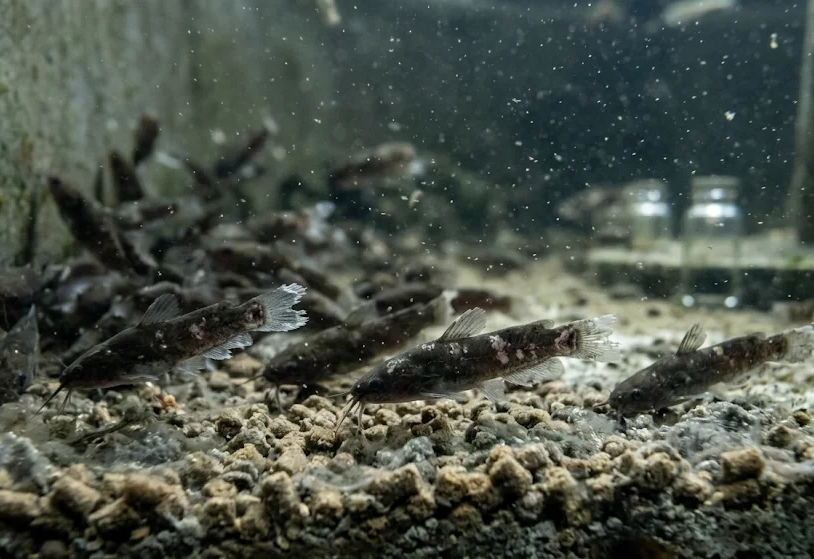
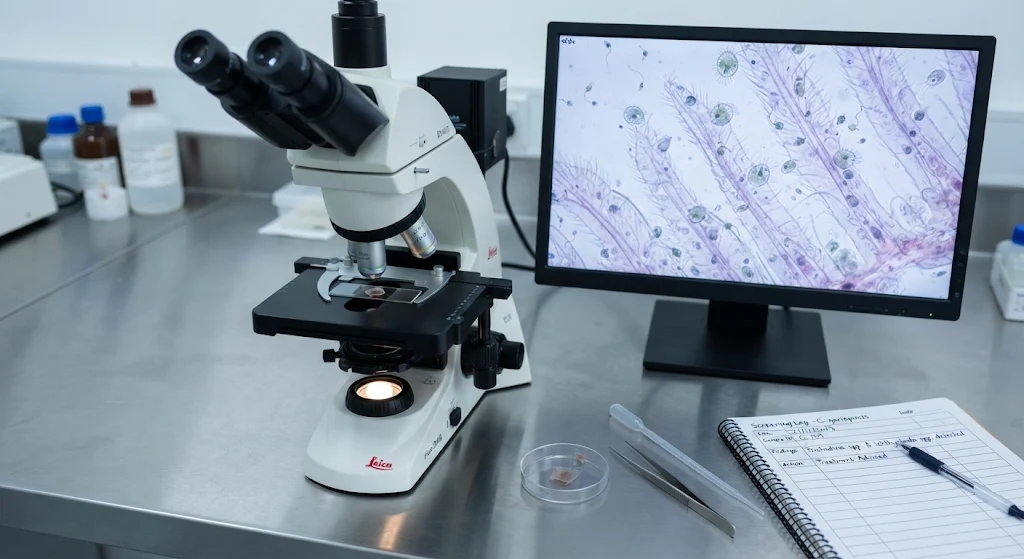
In both commercial and small-scale catfish aquaculture, microscopic single-celled organisms represent one of the most common and rapidly reproducing biological threats. While macroscopic parasites like fish lice and anchor worms are easily spotted with the naked eye, protozoan parasites operate at a microscopic level.
Targeting the skin, fins, and delicate gill filaments of African catfish (Clarias gariepinus) and Channel catfish (Ictalurus punctatus), these organisms multiply at explosive rates under stressful conditions, causing severe tissue damage, osmoregulatory failure, and sudden mortality if left unchecked.
1. Major Protozoan Parasites Affecting Catfish
Protozoan parasites span several distinct taxonomic groups, each attacking fish tissues in specific ways:
- Ich (Ichthyophthirius multifiliis / White Spot Disease): One of the most notorious ciliate protozoans in aquaculture. It burrows into the outer layers of the skin and gills, forming distinct, visible white cysts that look like grains of salt sprinkled over the fish.
- Trichodina Species: Saucer- or disc-shaped ciliated protozoans equipped with a distinct internal denticulate ring of hooks. They glide continuously across the skin and gill surfaces, using their constant movement and friction to graze on epithelial cells and mucus.
- Costia (Ichtyobodo necatrix): A tiny, flagellated protozoan that attaches to the skin and gills, causing heavy destruction of epidermal cells, severe blue-gray slime accumulation, and rapid suffocation.
- Chilodonella Species: Heart- or leaf-shaped ciliated protozoans that glide across skin and gill tissues, destroying cells and inducing heavy respiratory distress and tissue erosion.
2. Clinical Symptoms and Behavioral Warning Signs
Because protozoans attack both the skin barrier and the respiratory surface area of the gills, clinical signs typically involve a combination of surface irritation and acute oxygen deprivation:
- Flashing and Scraping: As protozoans irritate the skin, infected catfish repeatedly and frantically dart against pond walls, concrete tank surfaces, or bottom substrates to scratch off the parasites.
- Cloudy Slime Coat (Bluish-Gray Film): The fish’s epidermal cells overreact to continuous micro-abrasions, producing a thick, viscous, milky, or bluish-white mucus coating over the body and fins.
- Distinct White Spots (Ich): The presence of tiny, salt-like white pustules scattered across the skin, fins, and eyes is the definitive sign of an active Ich infection.
- Respiratory Distress and Gasping: When protozoans colonize the gills, fish exhibit rapid opercular (gill cover) movement, cluster tightly around incoming water inlets, or gasp frantically at the water surface where dissolved oxygen is highest.
- Lethargy and Secondary Infections: Weakened, parasitized fish separate from schooling behavior, stop feeding, and become highly vulnerable to opportunistic bacterial ulcers and fungal water molds (Saprolegnia).
3. Root Causes and Environmental Triggers
While low numbers of protozoans can persist in aquatic systems without causing clinical disease, major outbreaks are heavily driven by environmental stressors and management lapses:
- Poor Water Quality: High concentrations of nitrogenous wastes (ammonia and nitrite) and critically low dissolved oxygen (DO) levels severely compromise the fish’s natural immune response and degrade protective mucus barriers.
- Overcrowding and High Stocking Densities: High fish numbers make it effortless for free-swimming protozoan swarmers and spores to locate new hosts, accelerating transmission across the entire population.
- Temperature Fluctuation: Rapid changes in water temperature frequently trigger the encystment and reproductive cycles of protozoans like Ich, leading to sudden, explosive outbreaks during seasonal transitions.
- Lack of Biosecurity: Introducing unquarantined fingerlings or wild-caught stock without proper prophylactic treatment imports protozoan cysts directly into clean production units.
4. Comprehensive Prevention and Management Strategies
Controlling protozoan parasites requires a proactive approach centered on biosecurity, water quality management, and targeted hygiene:
- Strict Quarantine Protocols: Always isolate, inspect, and treat incoming fingerlings or broodstock in separate quarantine systems before introducing them to main production units.
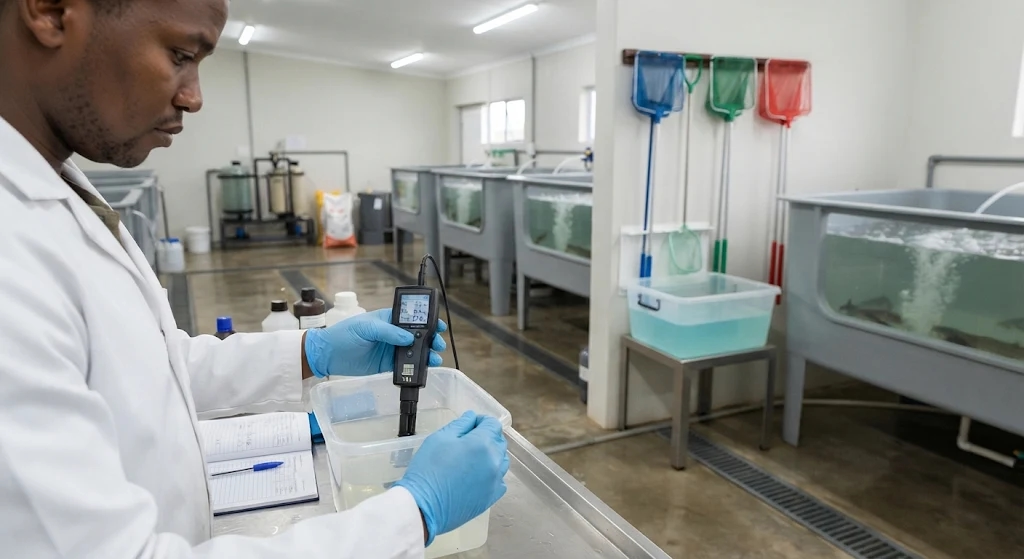
- Maintain Pristine Water Quality: Keep dissolved oxygen levels consistently high (>4 mg/L), stabilize pH (6.5–8.5), and keep nitrogenous wastes near zero through regular, controlled water exchange protocols.
- Manage Stocking Densities: Avoid overcrowding in production ponds and nursery tanks to slow down parasite transmission rates and reduce chronic stress.
- Therapeutic Salt Baths or Approved Treatments: Utilize approved salt (sodium chloride) treatments or professional antiparasitic agents under appropriate aquaculture guidelines to disrupt protozoan osmotic balance and suppress external infestations.
- Routine Hygiene: Thoroughly clean, dry, and disinfect holding tanks, nets, and production equipment between production cycles to break parasite life cycles.
Need Assistance?
Are you currently dealing with white spots, flashing behavior, cloudy slime coats, gill gasping, or unusual mortality rates in your catfish production system? Please contact us today
for professional guidance, water quality troubleshooting, and tailored parasite management strategies to protect your stock.