Feed accounts for 60–70% of the total cost of producing a market pig. No other single input — not housing, not labor, not health management — carries comparable weight in…
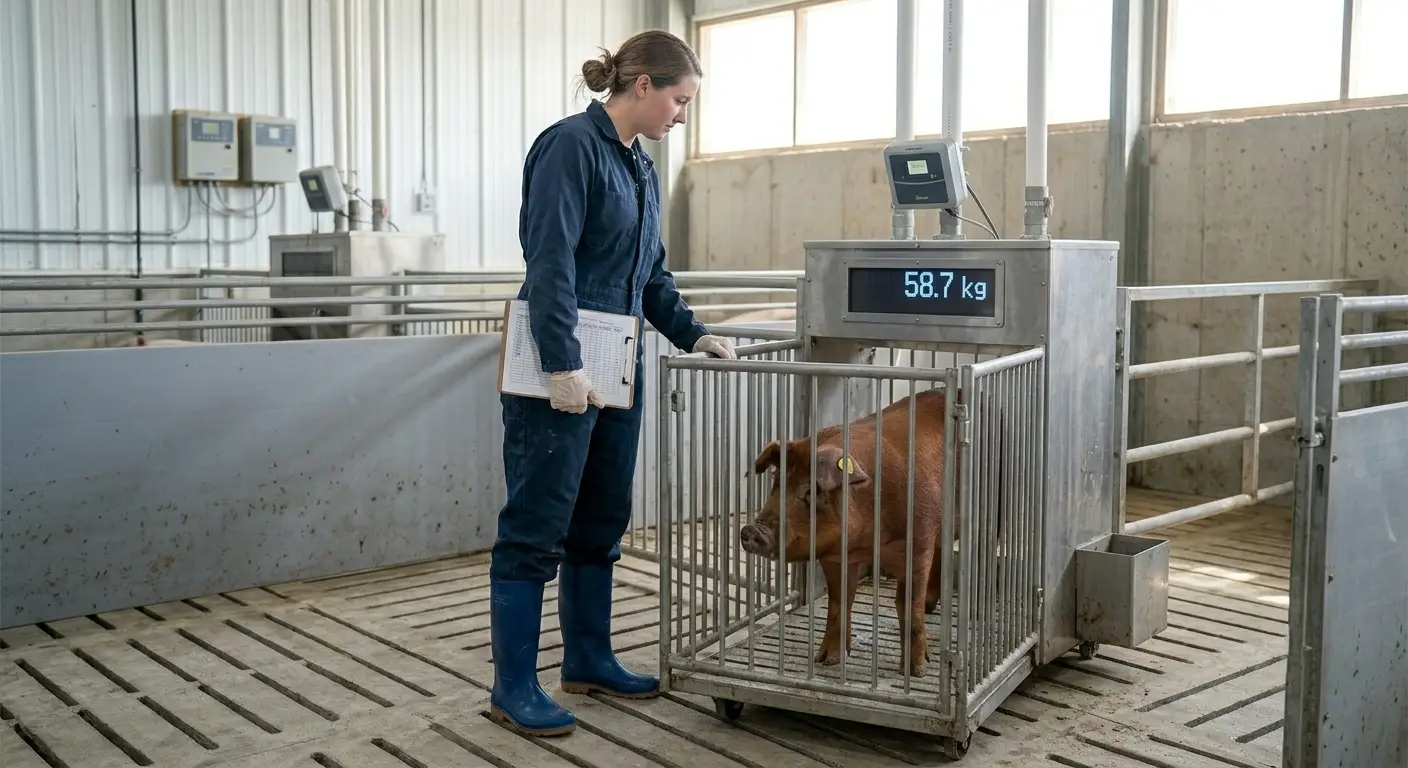
Feed accounts for 60–70% of the total cost of producing a market pig. No other single input — not housing, not labor, not health management — carries comparable weight in…
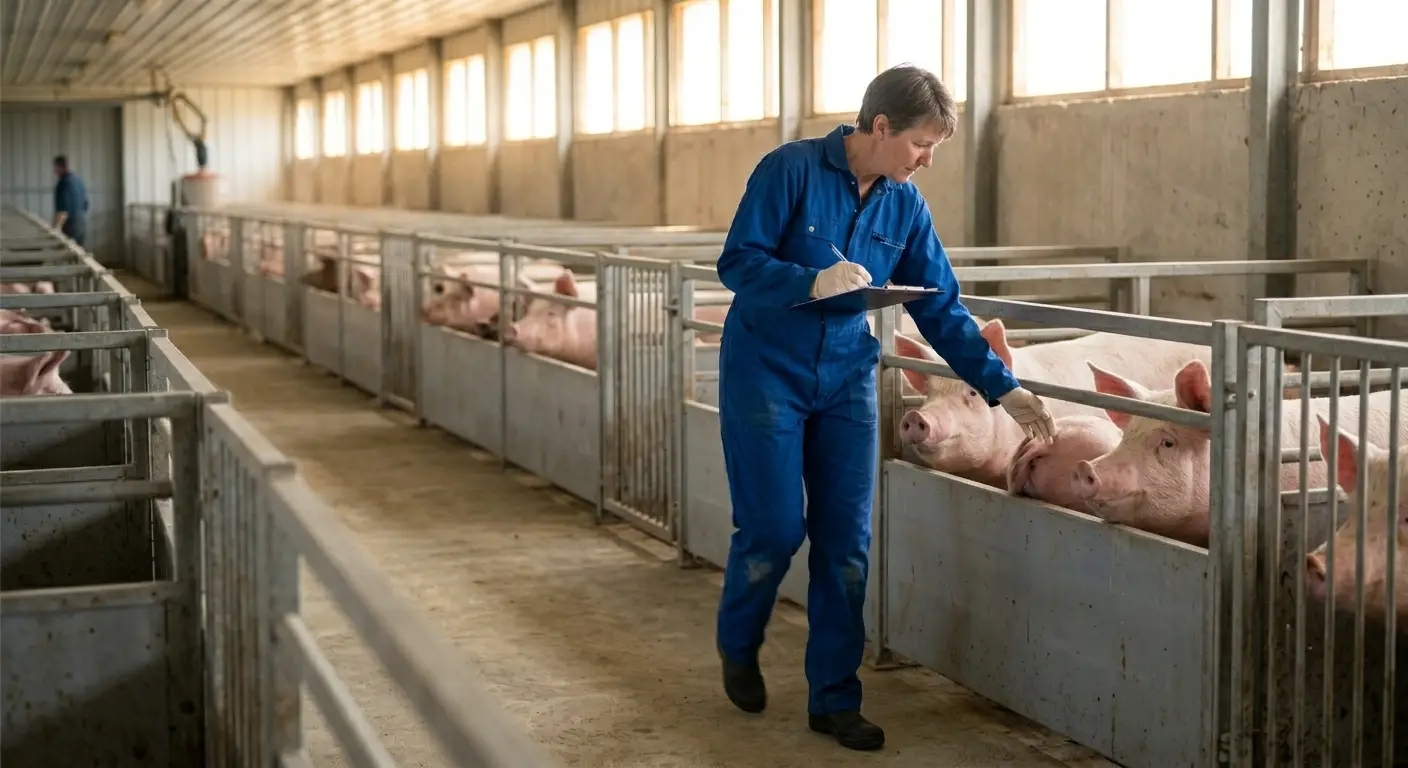
Every reproductive failure that begins with “she didn’t conceive” or “she returned to service” traces back, more often than any other single cause, to a heat detection error — insemination…
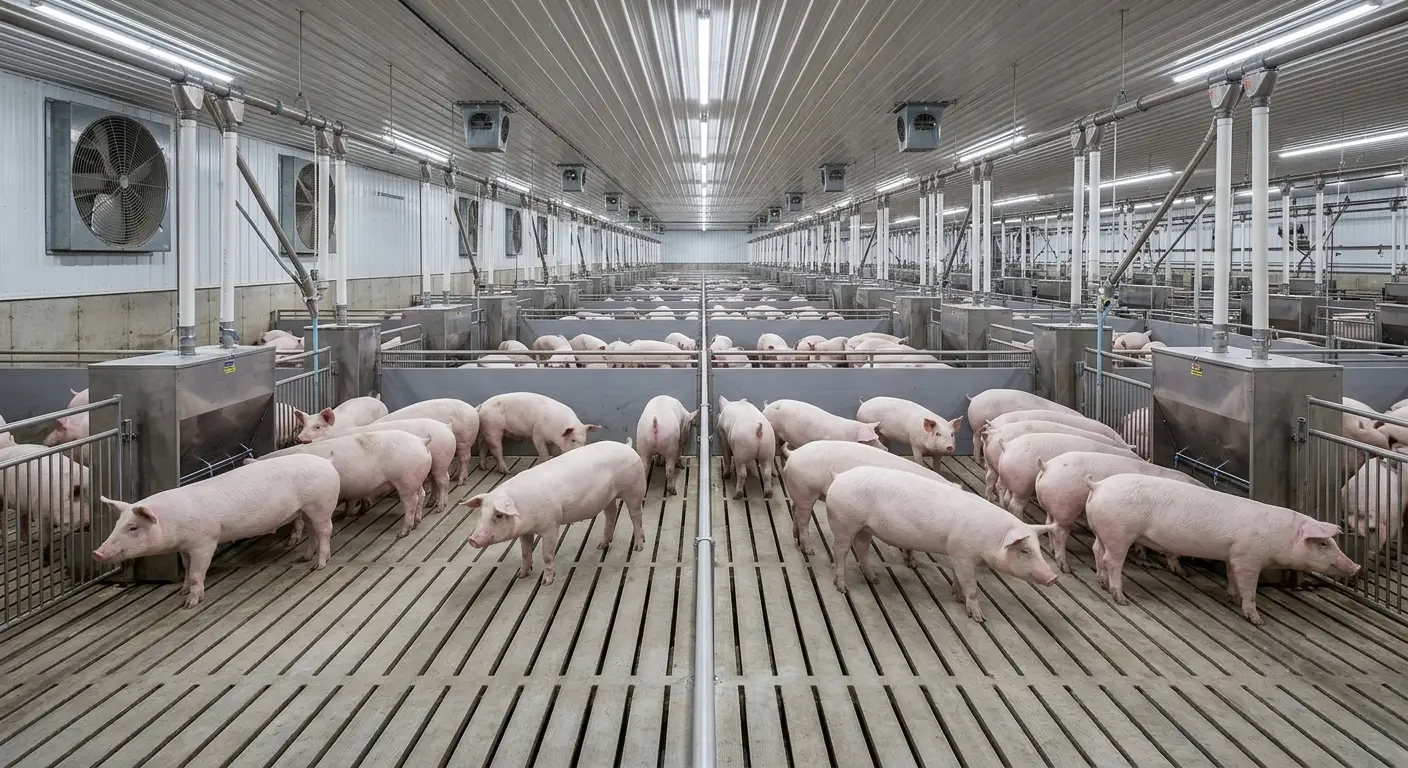
The question “heritage breed or commercial hybrid?” is frequently asked as if it has a single correct answer — as if one option is simply better than the other and…
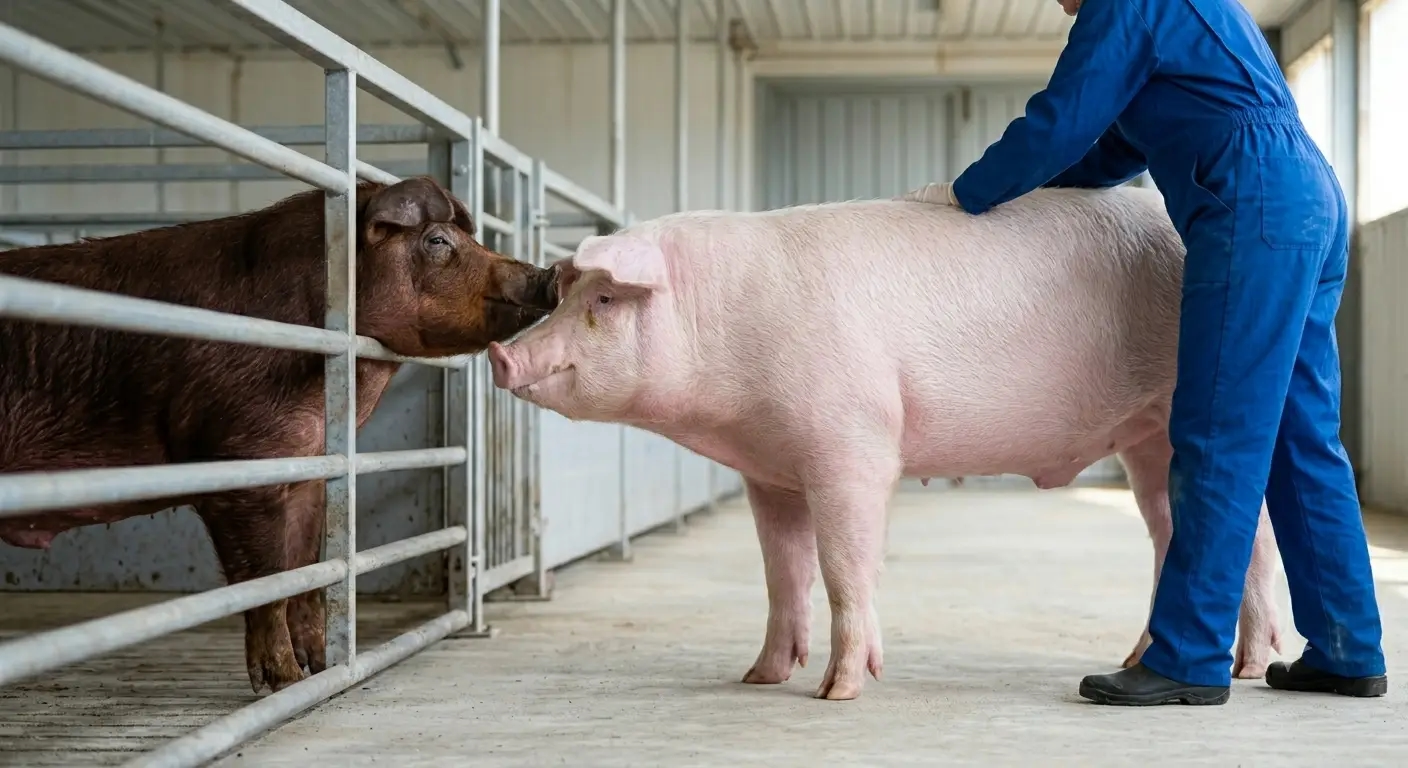
Artificial insemination (AI) has transformed commercial pig breeding from a system constrained by which boars a farm happens to own into a system where any farm — regardless of size…
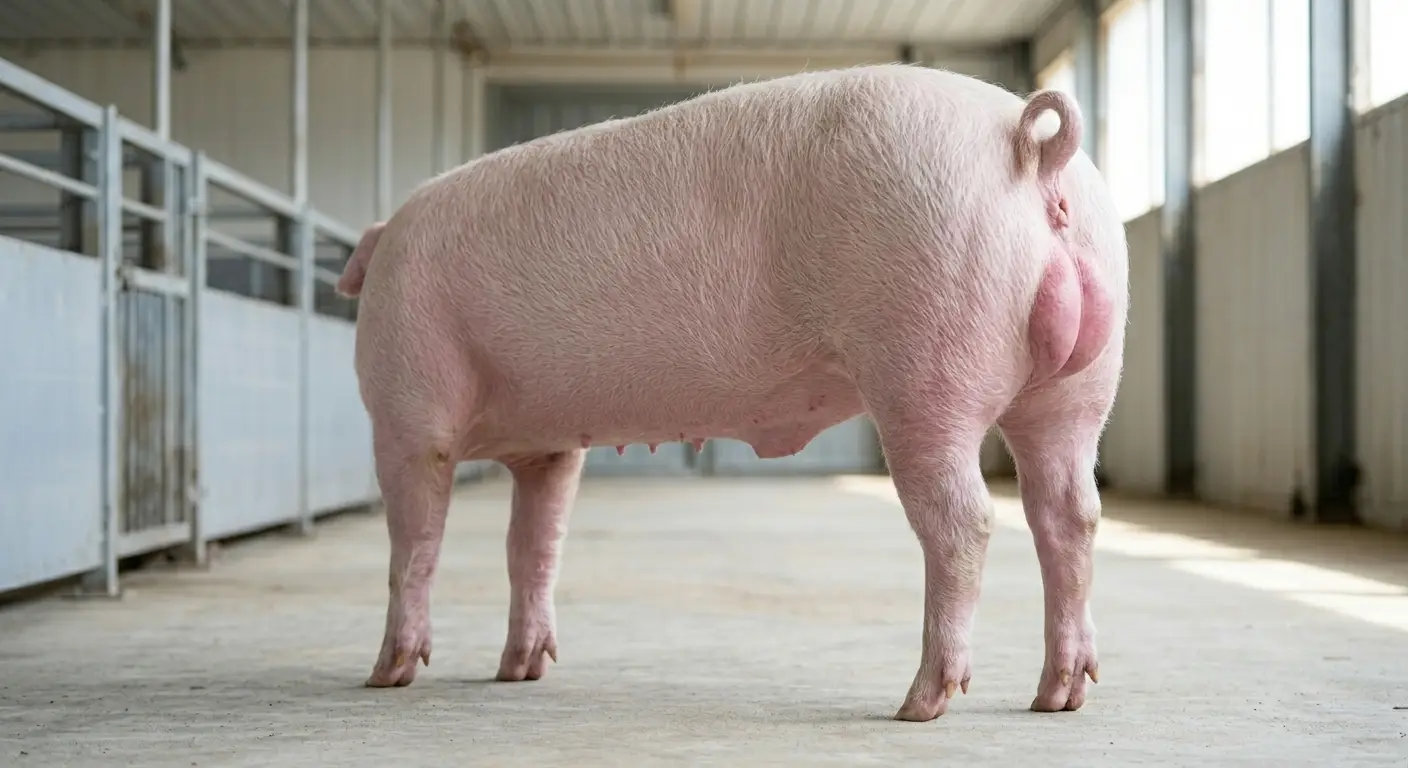
The gilt is not a market pig that you decided to keep. She is the foundation of your breeding herd — the animal whose reproductive performance will determine litter sizes,…
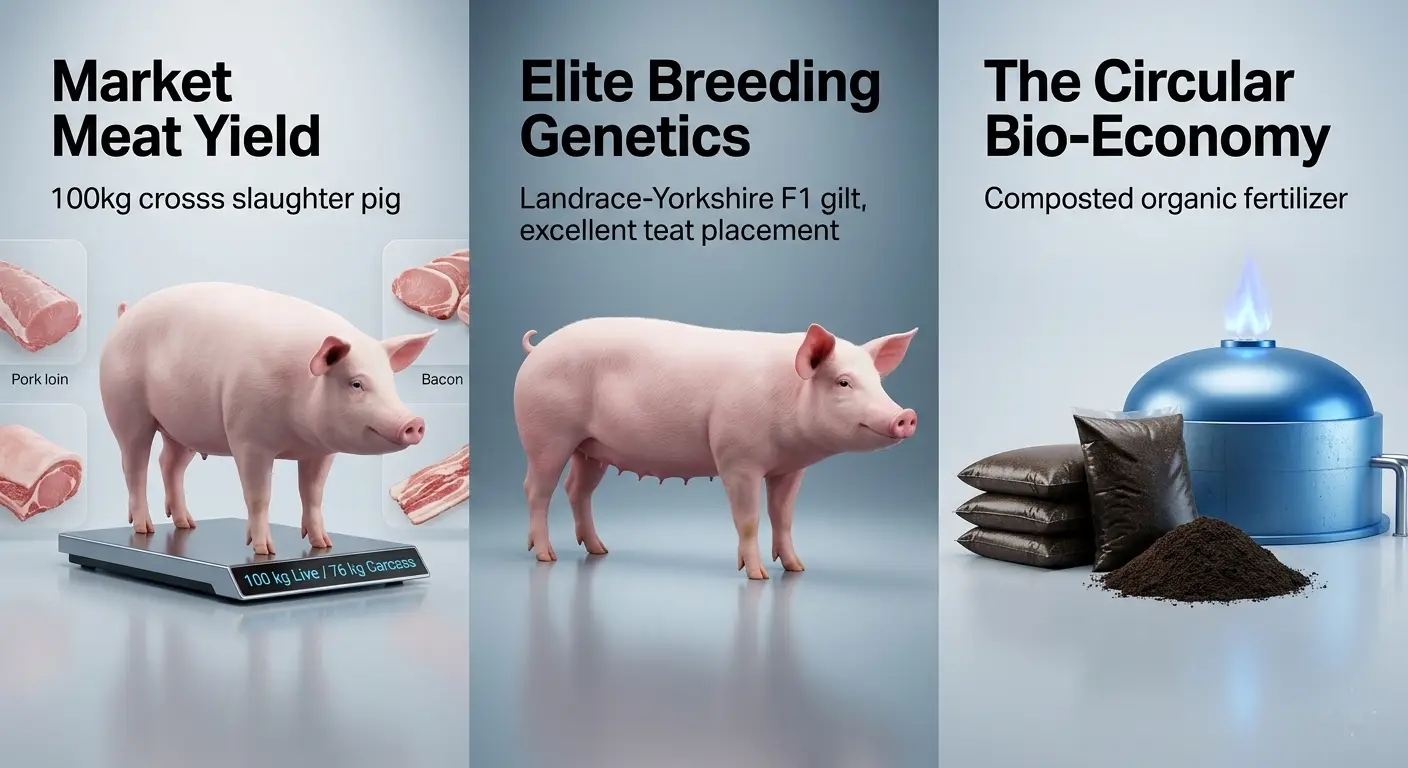
A piggery is a facility designed and managed for the commercial production of pigs. It encompasses the housing, feeding systems, health management, breeding program, and waste management infrastructure that together…
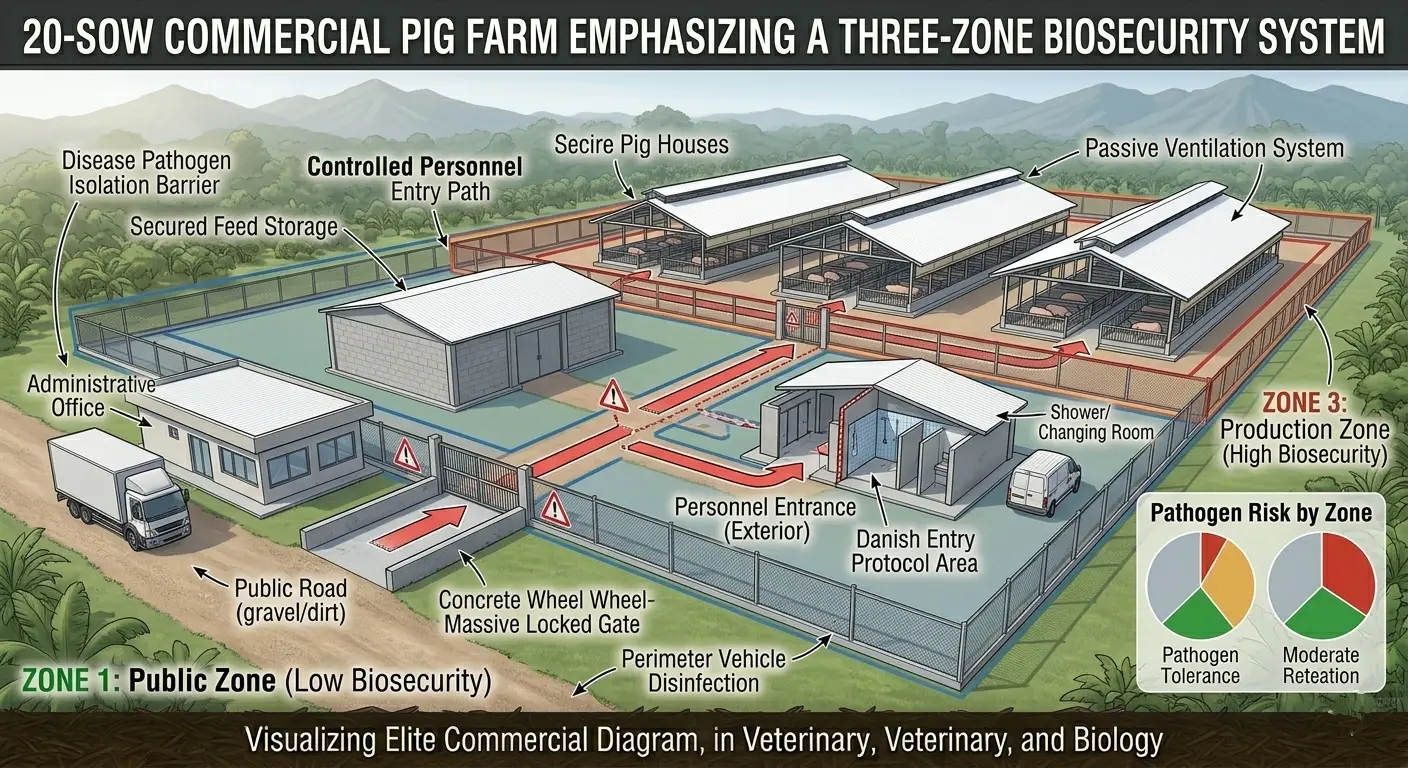
The pen determines the pig’s life. The layout determines the farm’s efficiency. And both, once built, are permanent — the most consequential infrastructure decisions a pig farmer makes before the…
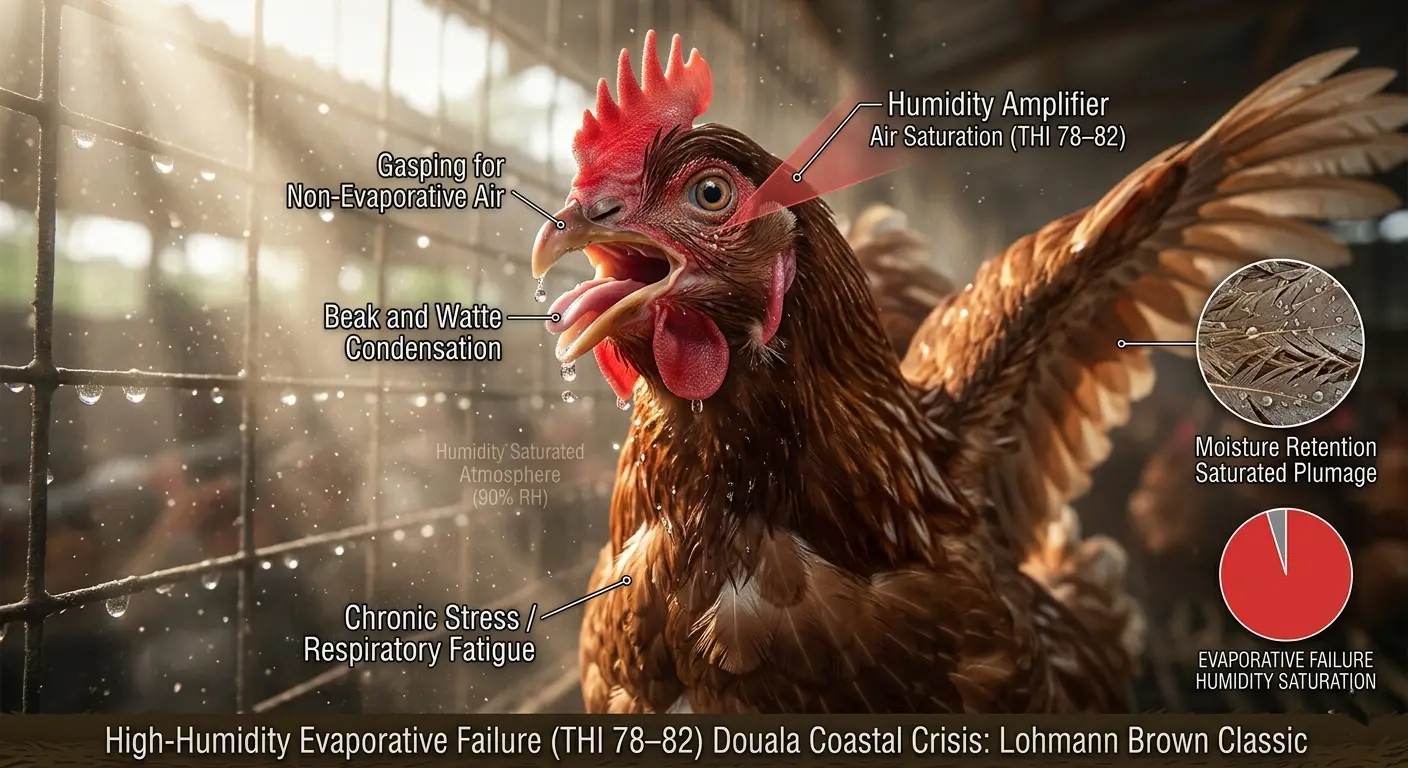
A commercial layer hen did not evolve in a tropical climate. The genetic ancestors of every modern commercial layer breed — Rhode Island Red, White Leghorn, Plymouth Rock, Sussex —…
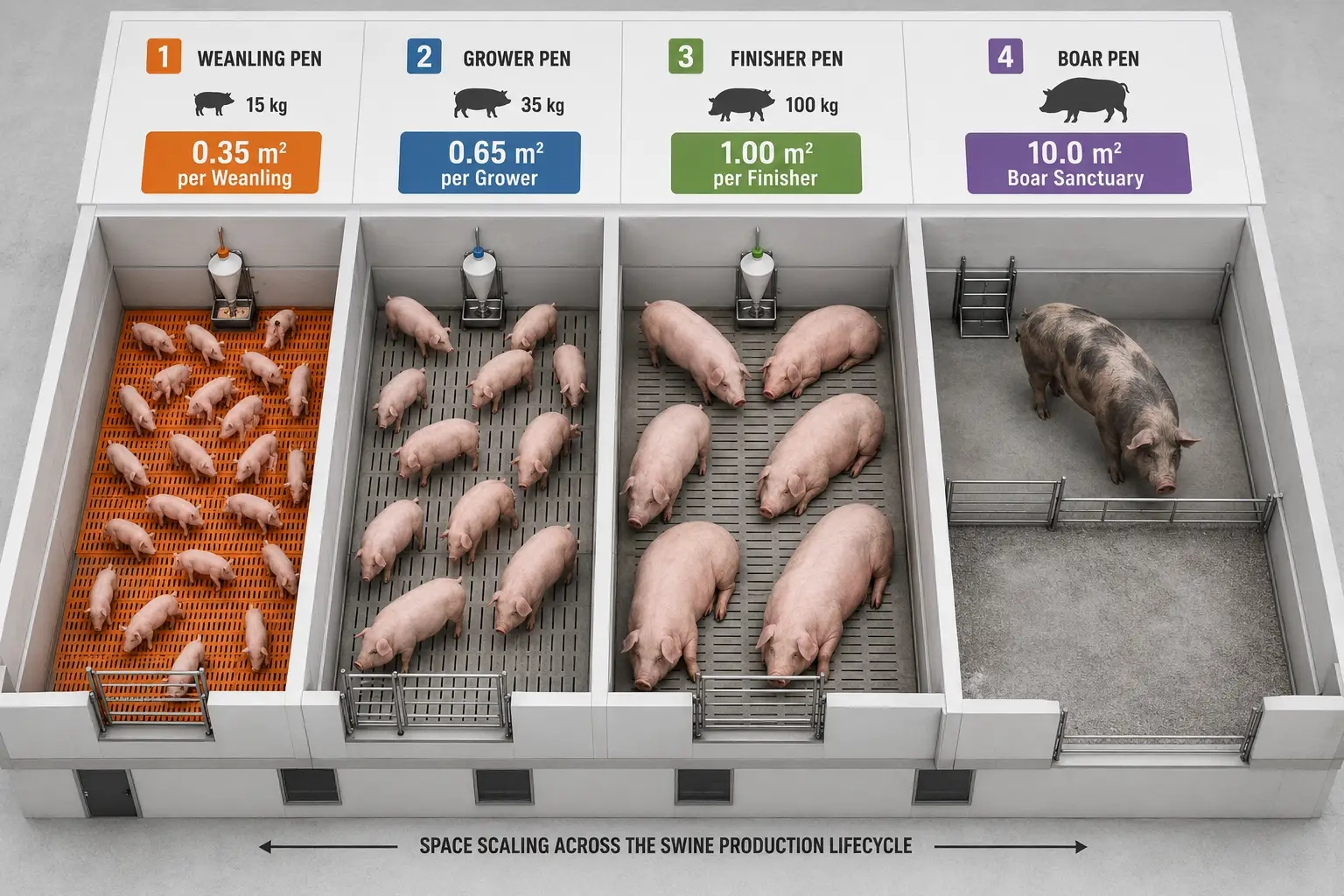
The pen area per pig is the most permanent decision made before production begins. Once concrete is poured and walls are built, the floor space available to each animal is…
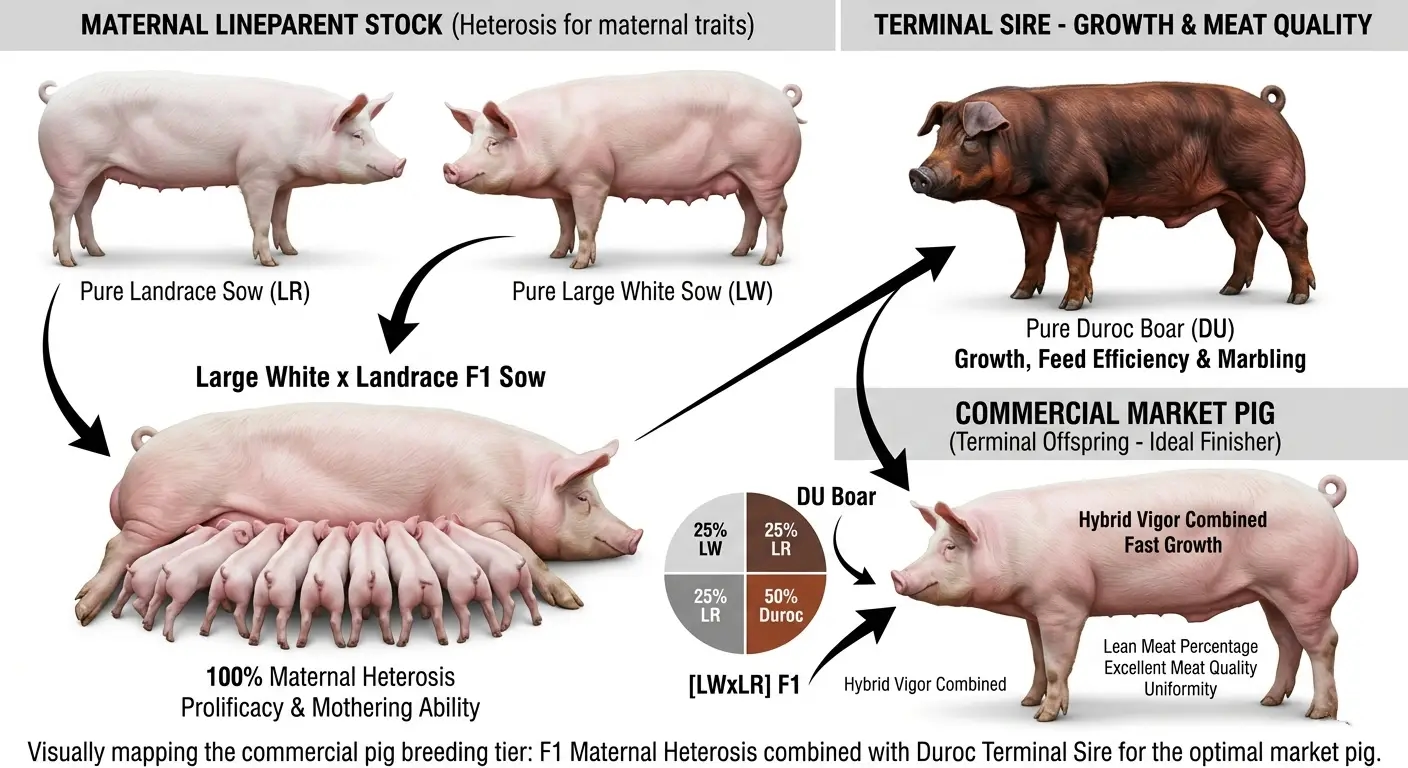
The breed decision is where pig farm profitability begins. Before the first feed bag is purchased, before the first pen is built, the genetic architecture of the animals that will…