
Aeromonas hydrophila is a prominent bacterial pathogen affecting aquaculture globally, posing a major health and economic threat to African catfish (Clarias gariepinus) farming. Because these bacteria are naturally present in…
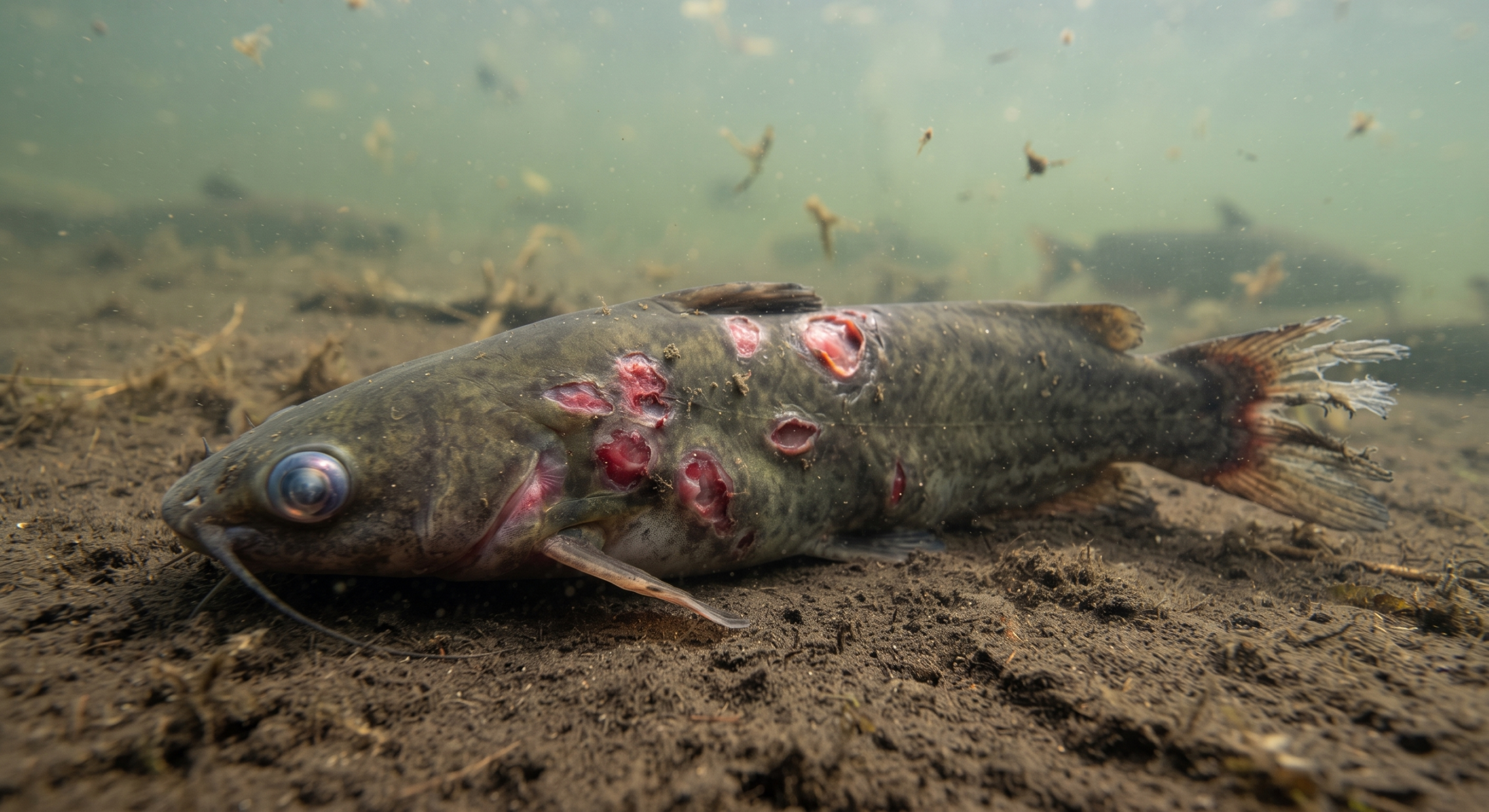
Aeromonas hydrophila is a prominent bacterial pathogen affecting aquaculture globally, posing a major health and economic threat to African catfish (Clarias gariepinus) farming. Because these bacteria are naturally present in…
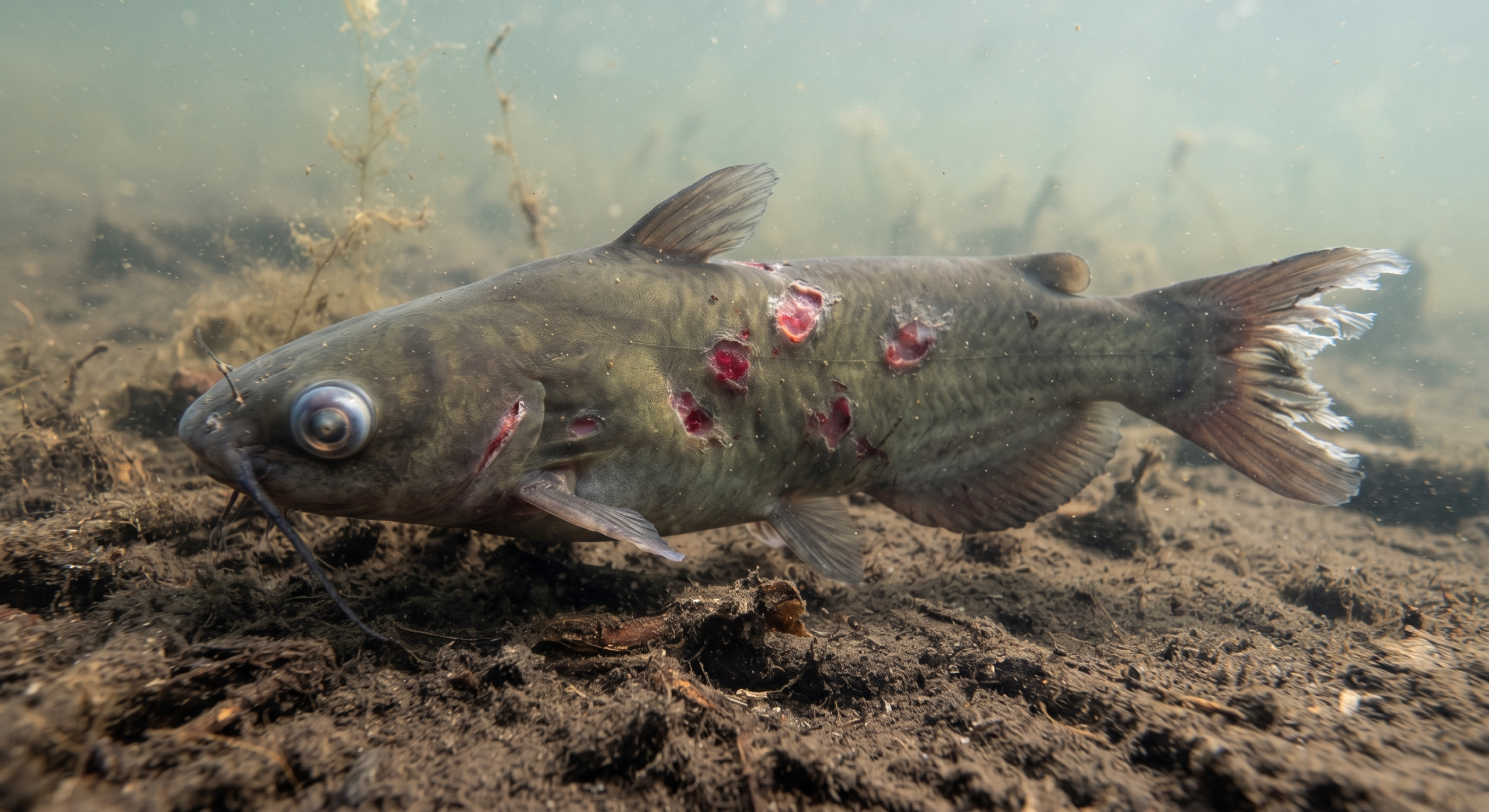
Motile Aeromonas Septicemia (MAS)—caused primarily by Aeromonas hydrophila and related species—is one of the most significant bacterial threats in catfish aquaculture. Because these bacteria are ubiquitous in aquatic environments, they…
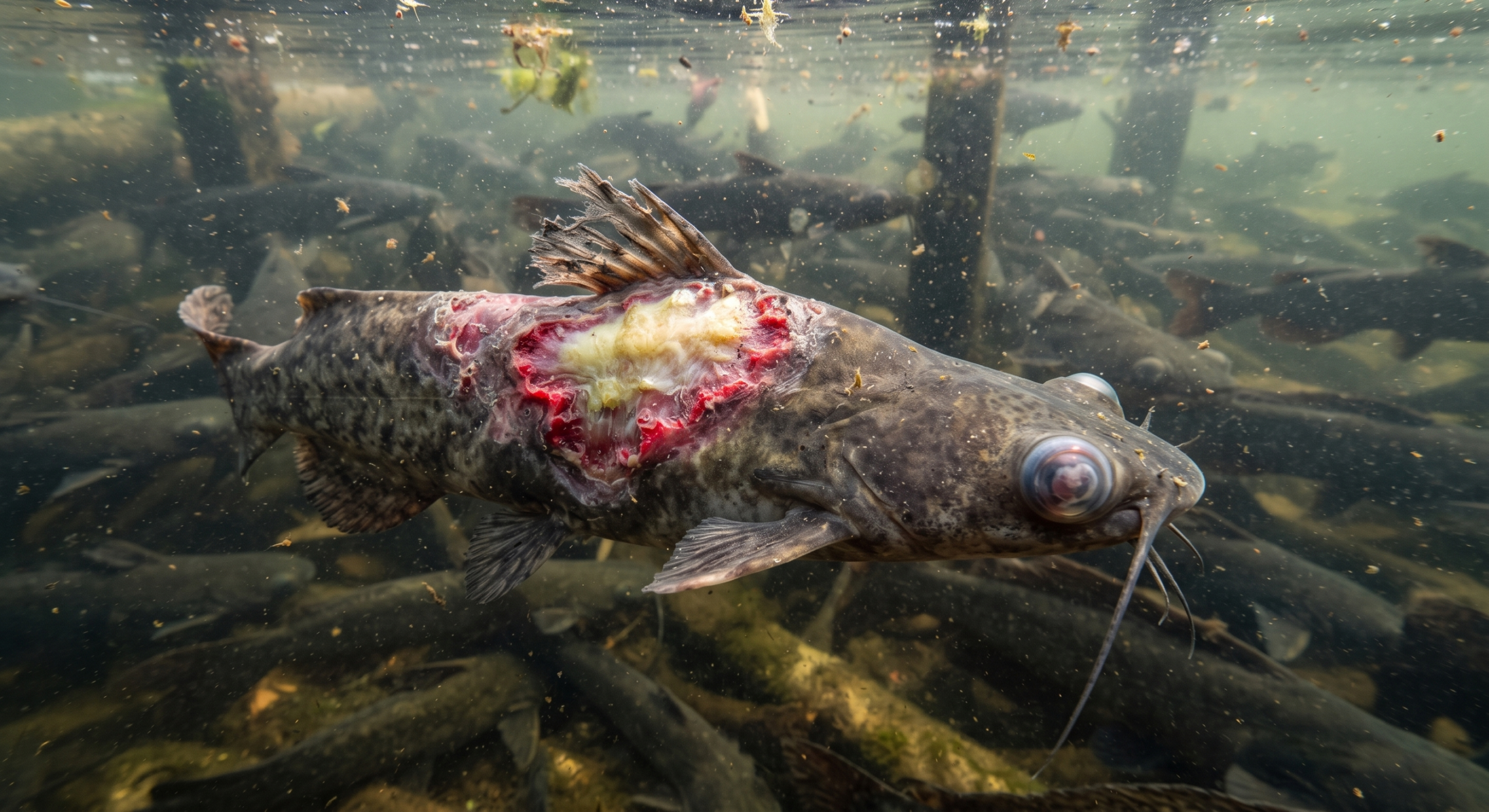
Catfish farming (aquaculture) is a lucrative and rapidly growing sector globally, particularly for species like Clarias gariepinus (African catfish) and Ictalurus punctatus (Channel catfish). However, like all intensive livestock systems,…
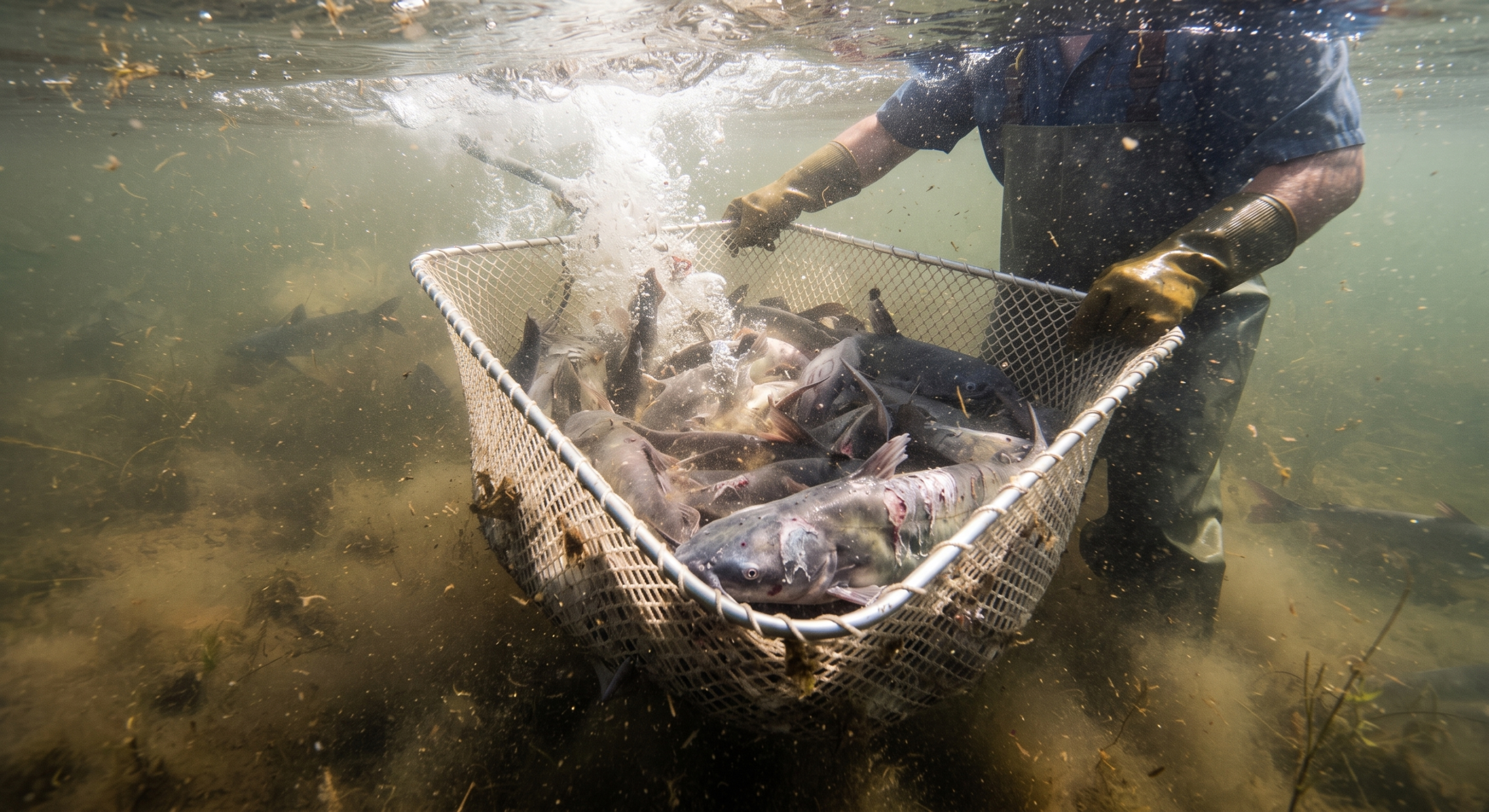
In catfish aquaculture, routine management tasks such as sorting, grading, netting, and transporting fish are essential for operations. However, these procedures are also primary sources of physical trauma and stress.…
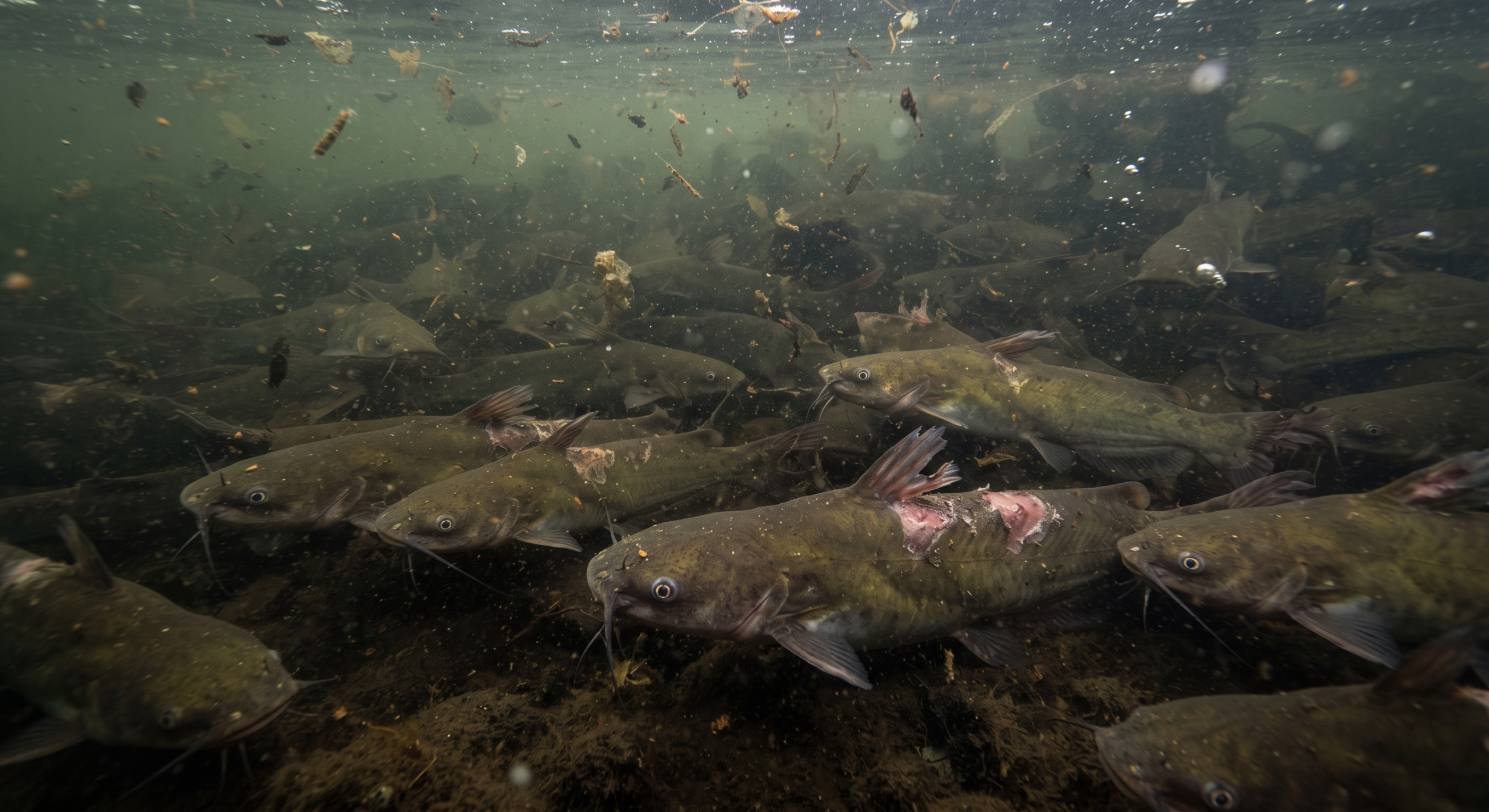
Stocking density is one of the most critical management decisions in aquaculture. While maximizing pond or tank capacity may seem economically efficient, high stocking densities and overcrowding are among the…
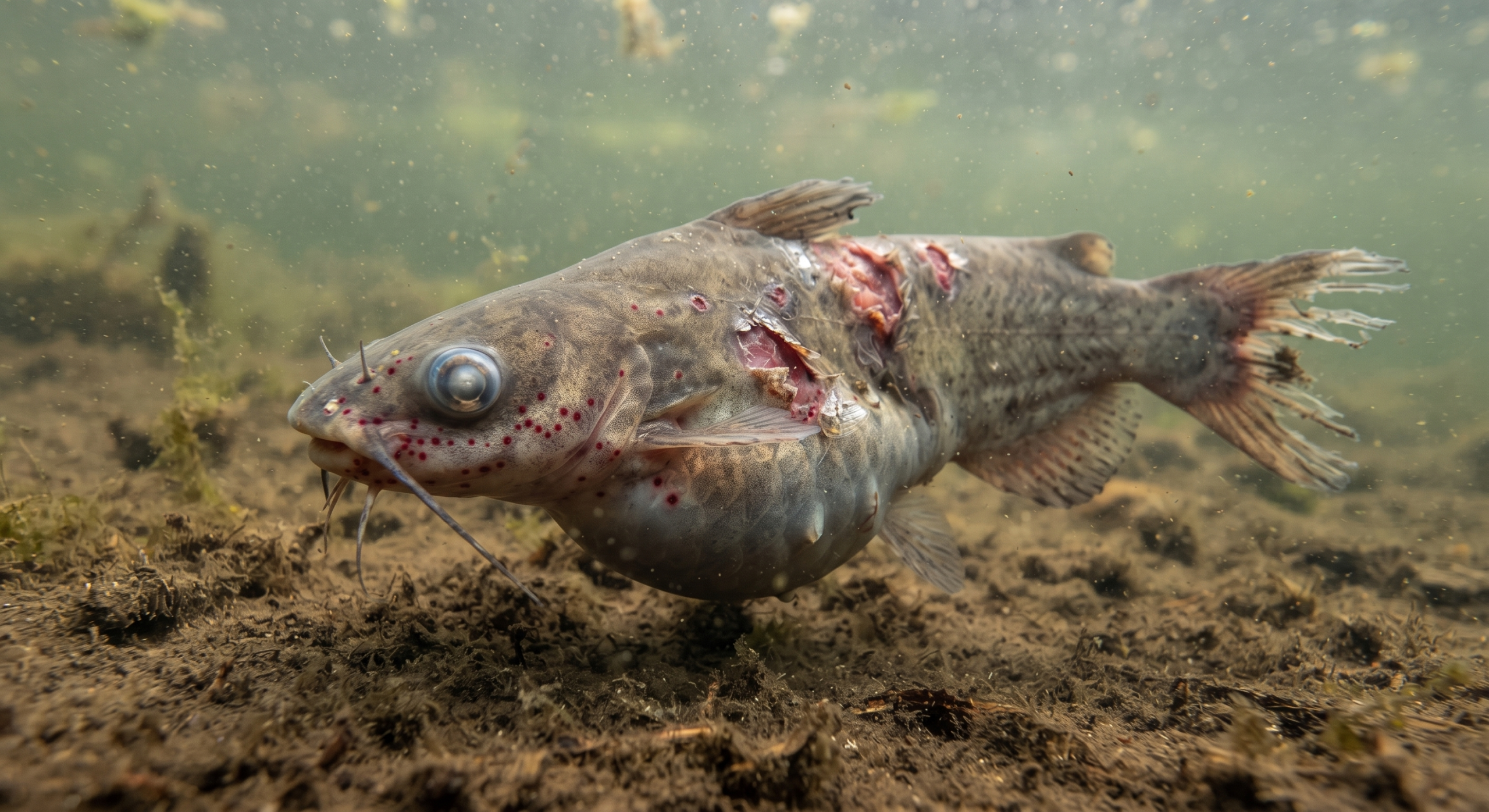
Bacterial infections caused by species of the genus Pseudomonas (such as Pseudomonas fluorescens and Pseudomonas aeruginosa) represent significant biological and economic challenges in aquaculture. Like many opportunistic aquatic pathogens, Pseudomonas…
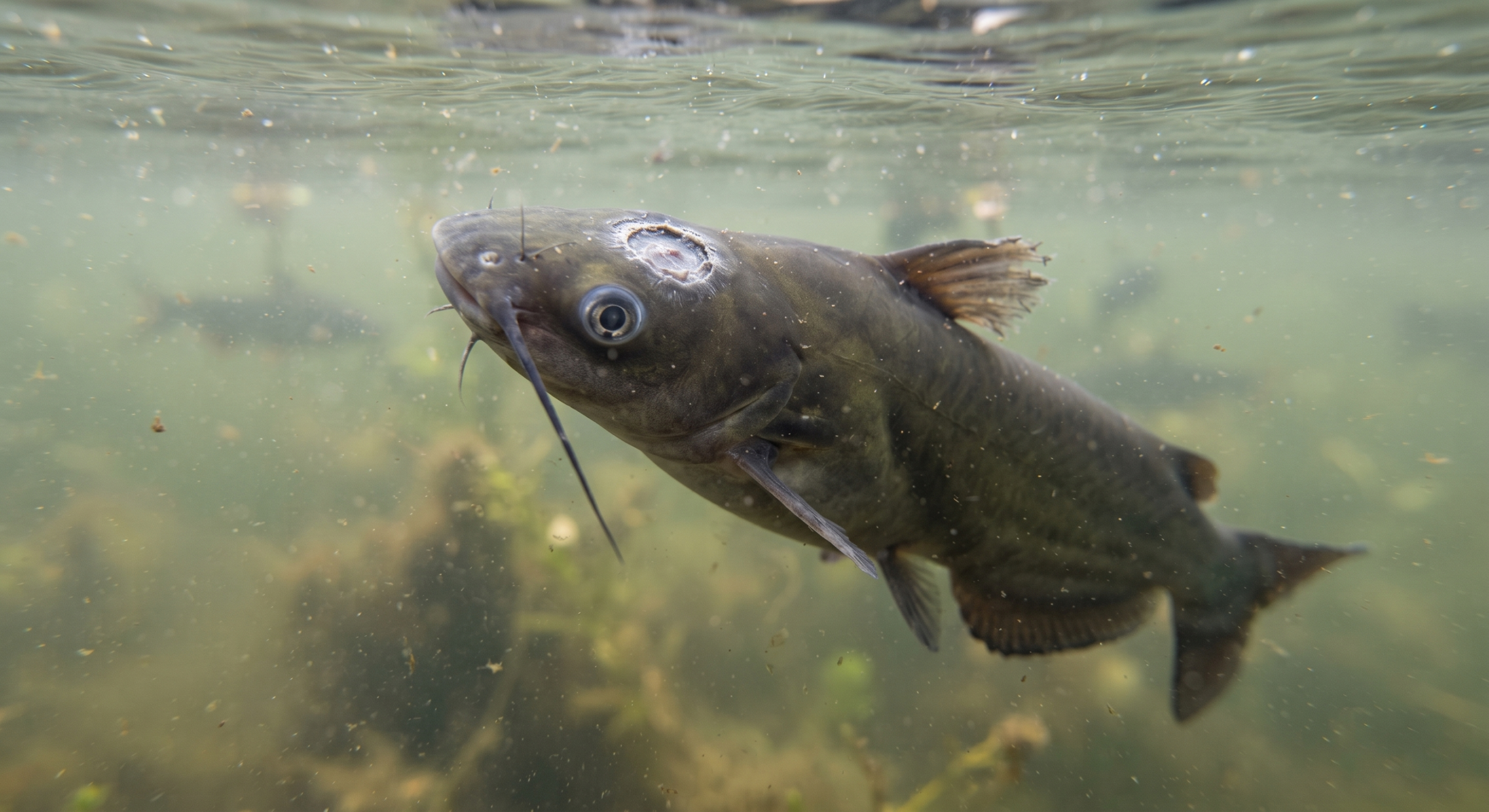
Bacterial infections caused by the genus Edwardsiella represent significant biological threats to catfish aquaculture. Specifically, Enteric Septicemia of Catfish (ESC)—caused by Edwardsiella ictaluri—and Edwardsiellosis (caused by Edwardsiella tarda) are major…
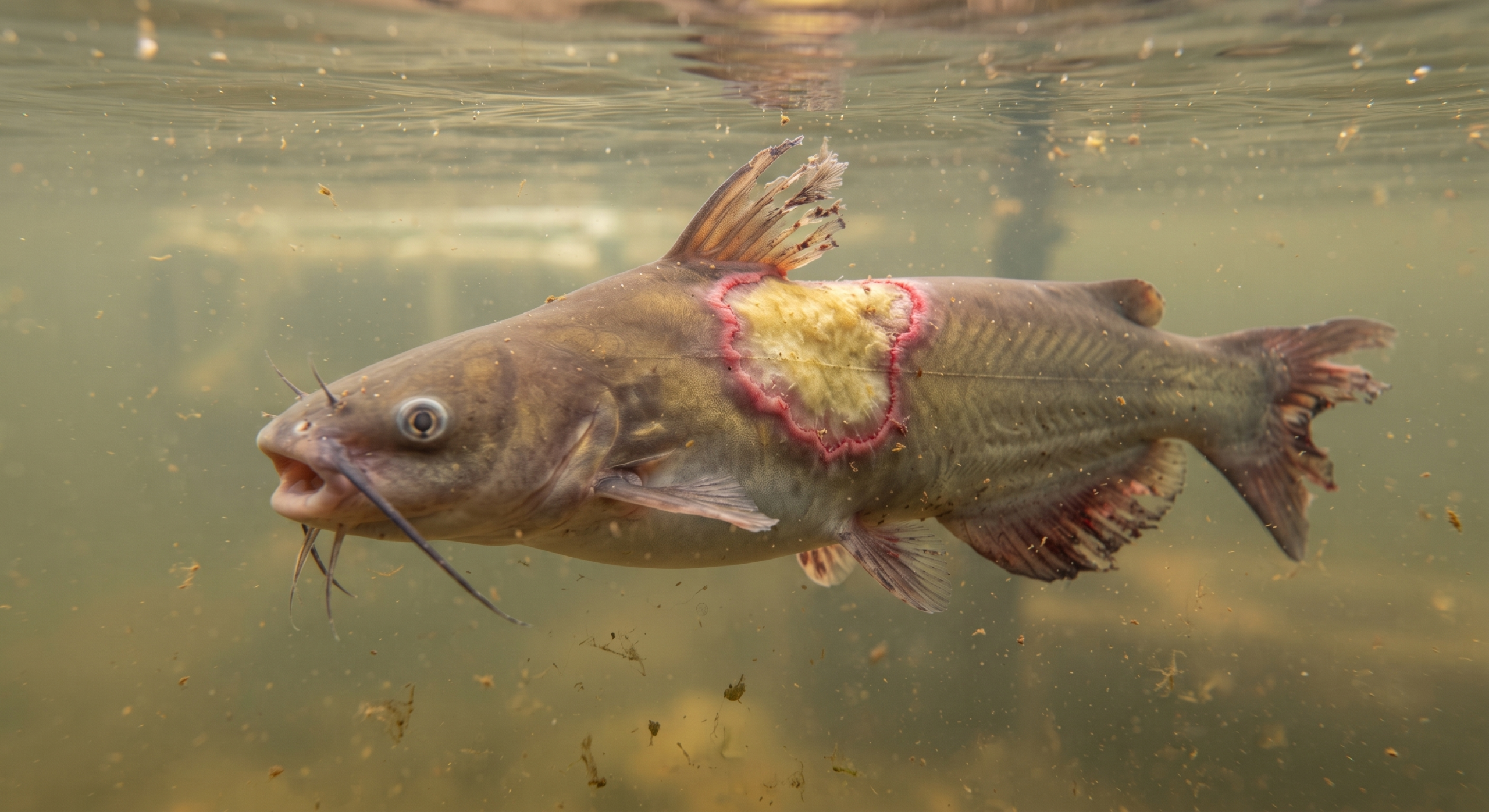
Columnaris Disease—often referred to as “cotton wool disease” or “saddleback”—is one of the most common and contagious freshwater fish diseases worldwide. Caused by the bacterium Flavobacterium columnare, it poses a…
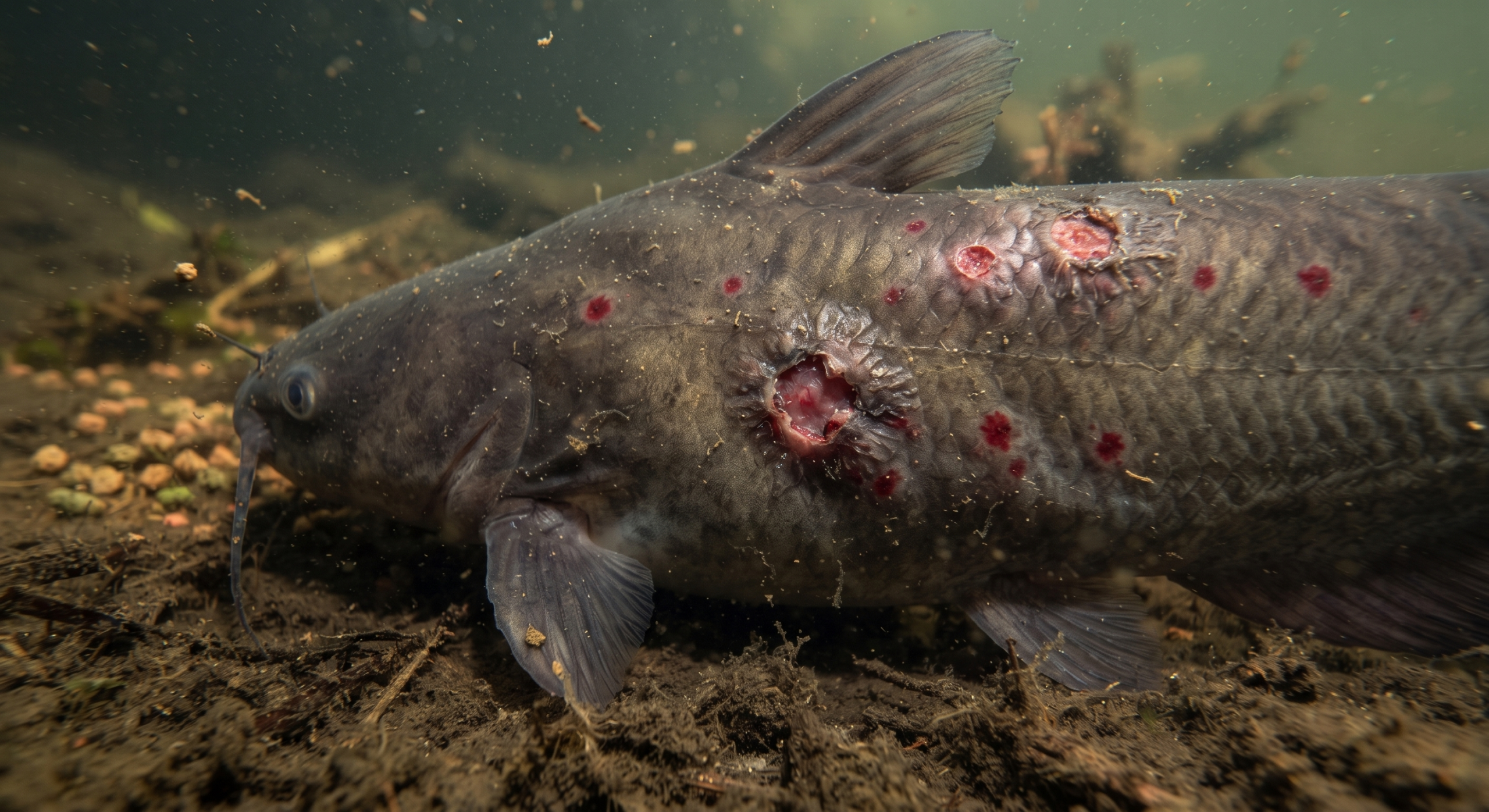
Red Spot Disease—clinically known as Motile Aeromonas Septicemia (MAS)—is a severe, systemic bacterial infection that poses a major threat to catfish aquaculture. It is driven primarily by bacteria of the…
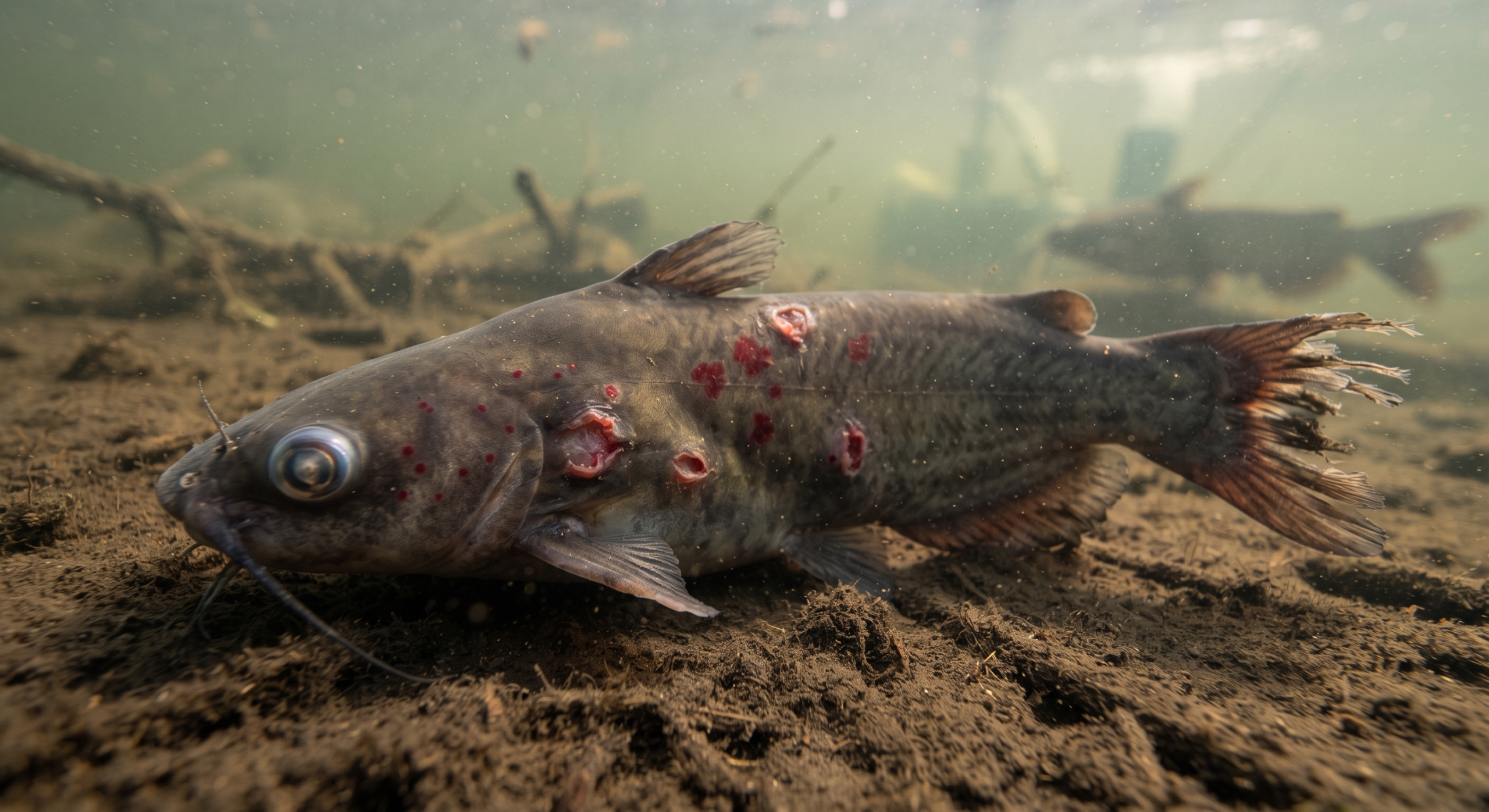
Motile Aeromonas Septicemia (MAS) is a severe, systemic bacterial infection caused by Aeromonas hydrophila and related species. It poses a major risk to catfish aquaculture, functioning as both an acute…