While bacterial pathogens and viral agents often dominate aquaculture discussions, fungal diseases represent a persistent and dangerous threat to catfish farming. Fungal infections can strike at any stage of production—from…
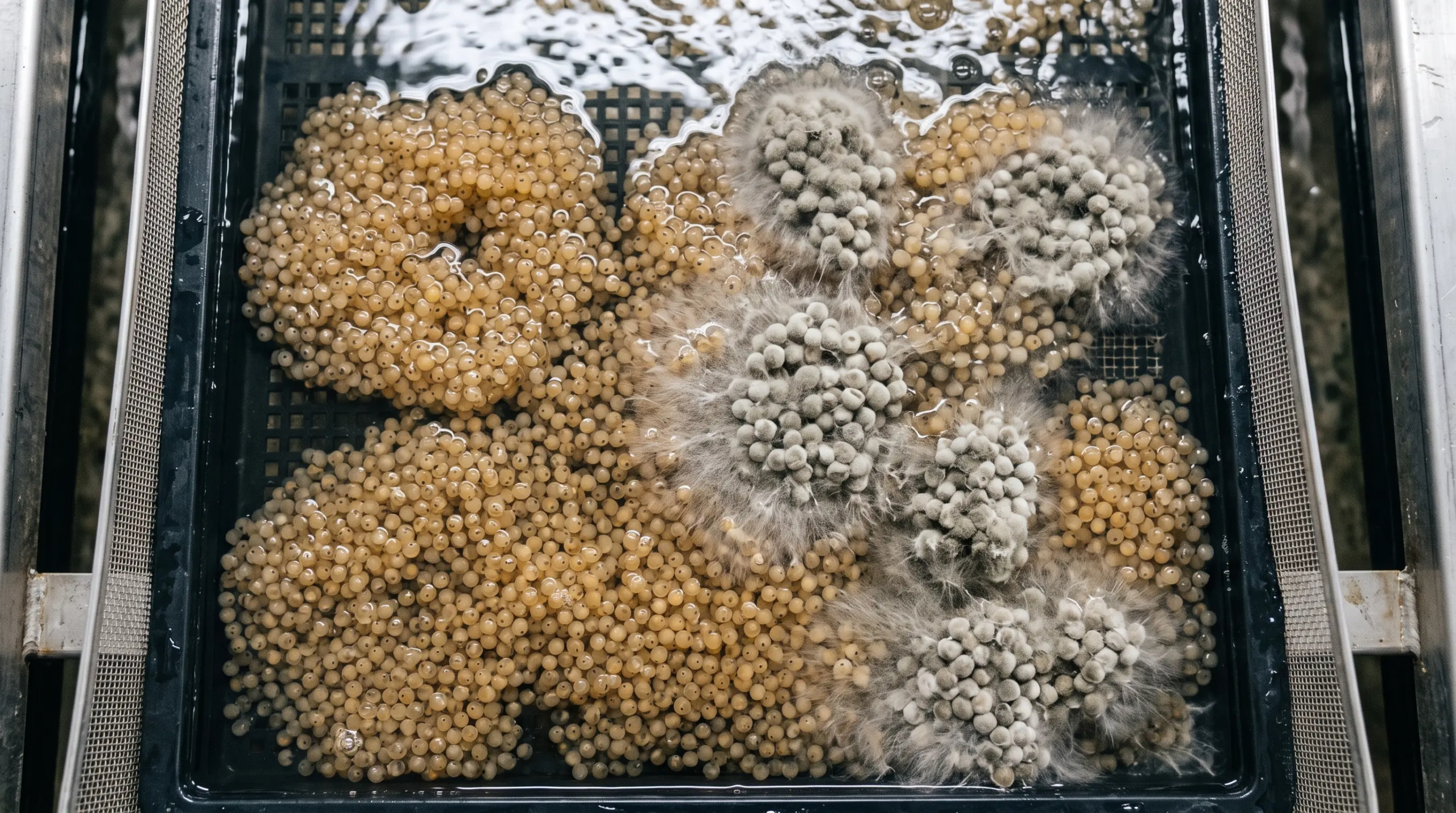
While bacterial pathogens and viral agents often dominate aquaculture discussions, fungal diseases represent a persistent and dangerous threat to catfish farming. Fungal infections can strike at any stage of production—from…
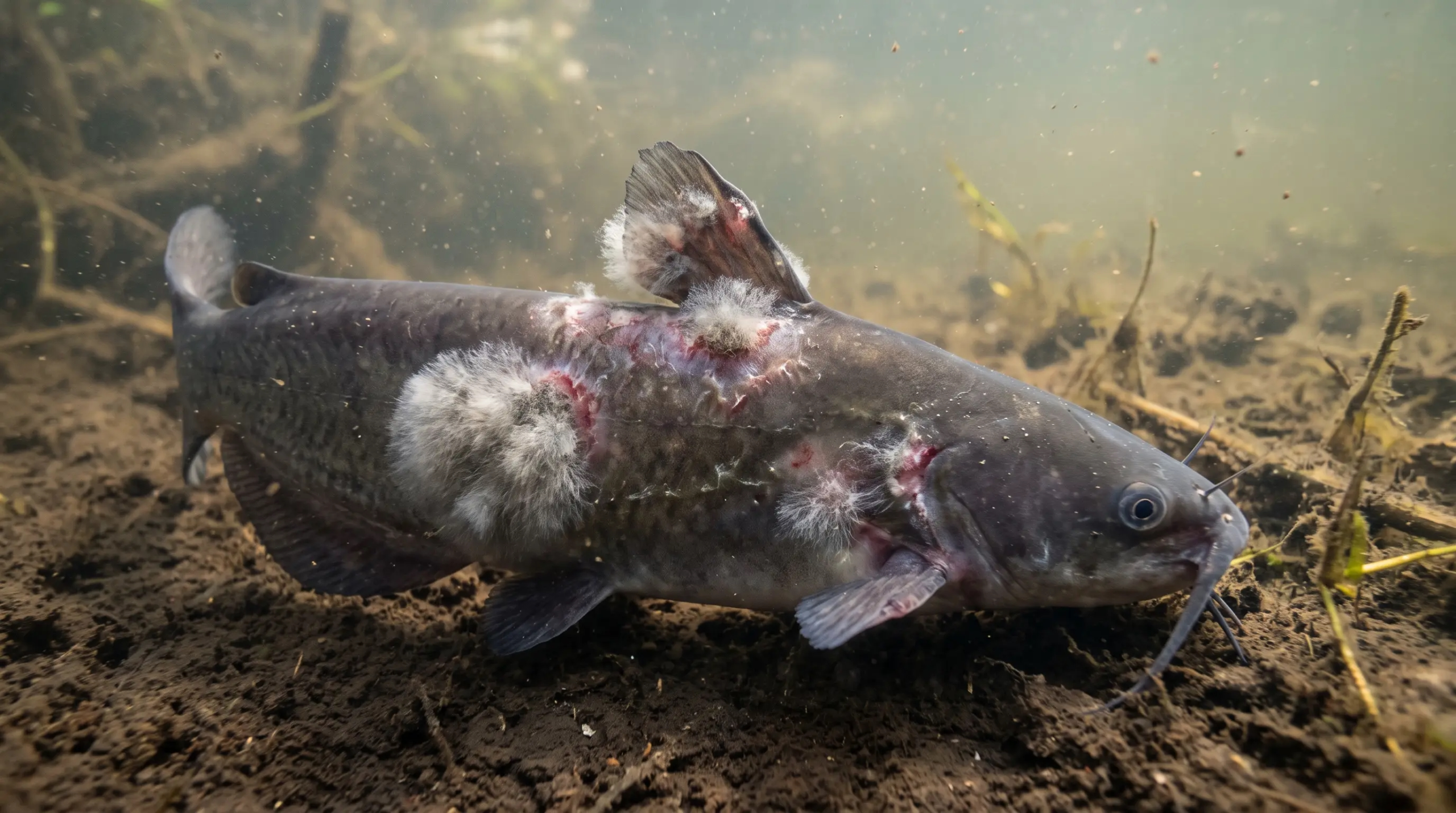
Saprolegniasis—commonly caused by water molds of the genus Saprolegnia—is one of the most widespread and economically damaging fungal conditions affecting freshwater aquaculture, including African and channel catfish production. Although these…
Cotton Wool Disease—clinically known as Saprolegniasis—is a widespread and highly destructive fungal condition affecting freshwater aquaculture, including African and channel catfish production. Caused primarily by water molds of the genus…
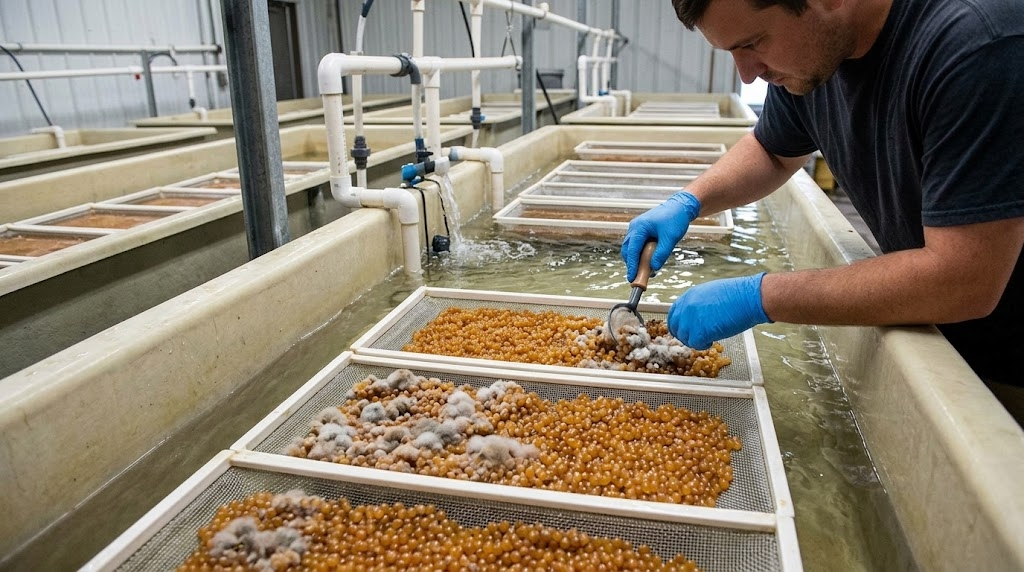
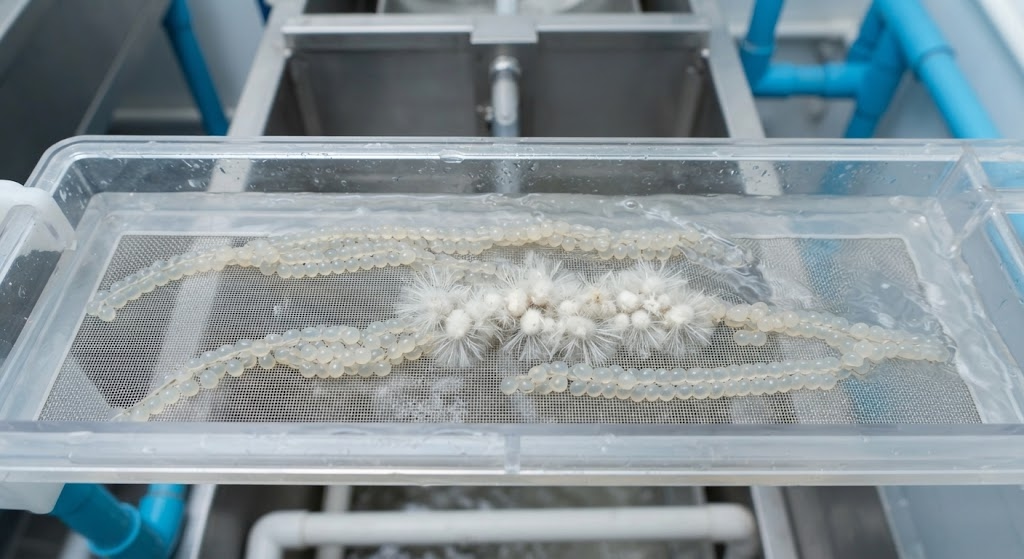
Managing catfish hatcheries requires meticulous attention to water quality and egg hygiene. One of the most common and devastating threats in hatchery operations is fungal infection in catfish eggs, primarily…
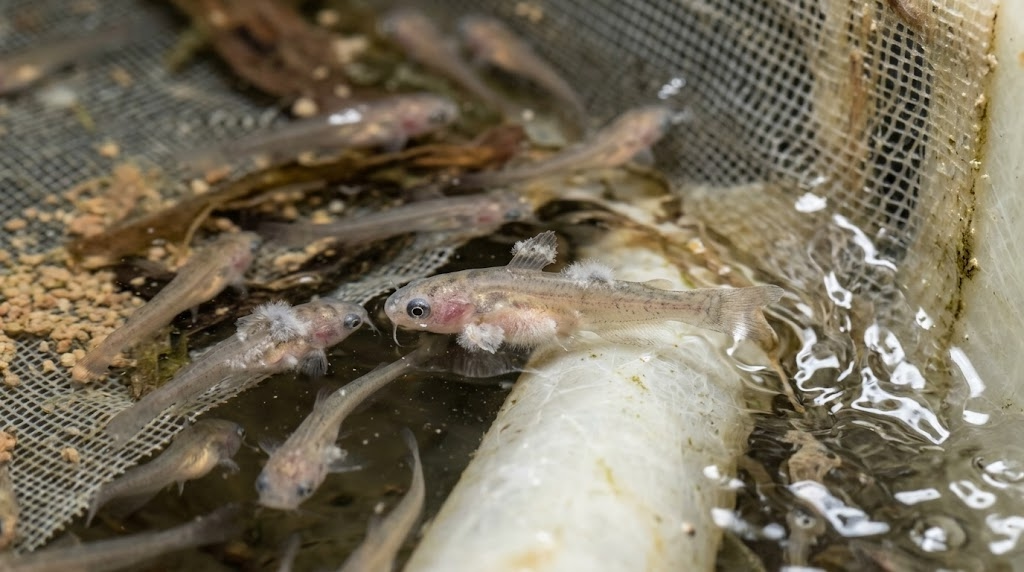
Catfish fry represent the most fragile and high-risk stage of aquaculture production. Newly hatched larvae and young fry possess delicate, thin skin, developing immune systems, and unformed scales, making them…
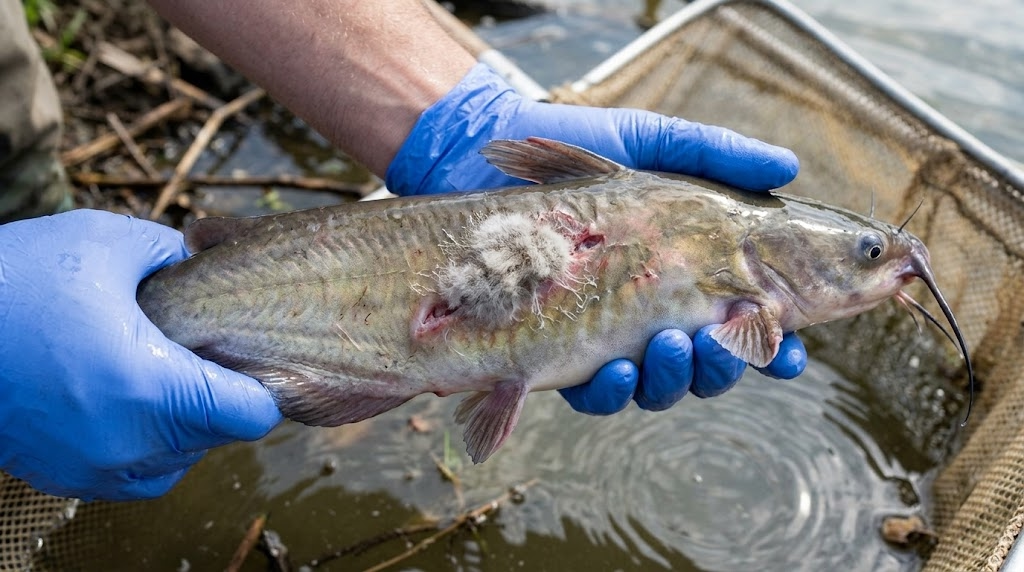
In catfish aquaculture, physical injuries are virtually inevitable during routine farm operations. Whether caused by handling, grading, transport, aggressive nipping, or external parasites, these wounds do more than just cause…
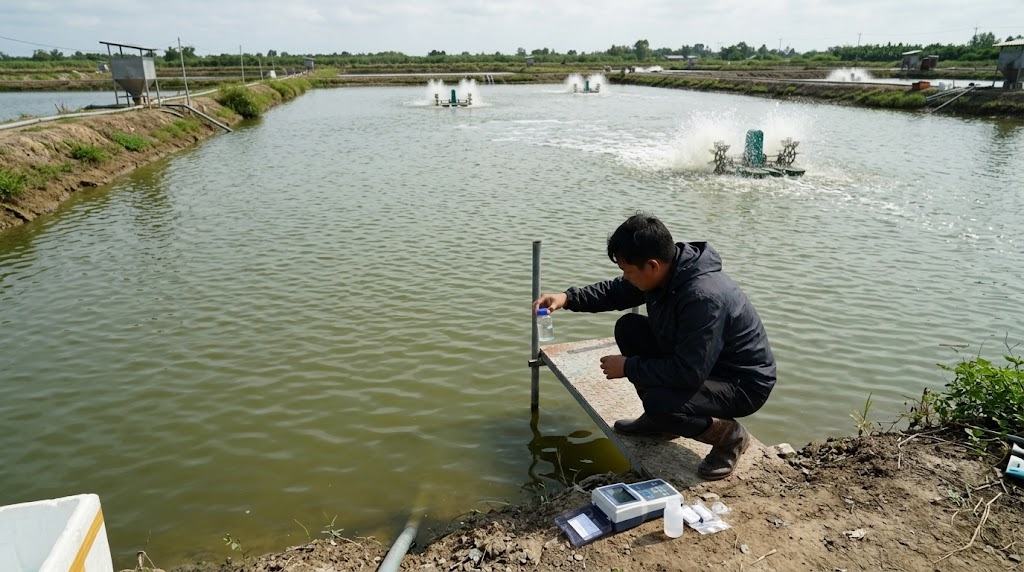
Water quality is the foundation of successful aquaculture. In intensive catfish farming systems, water serves as the medium for respiration, metabolism, and waste elimination, but it is also the natural…
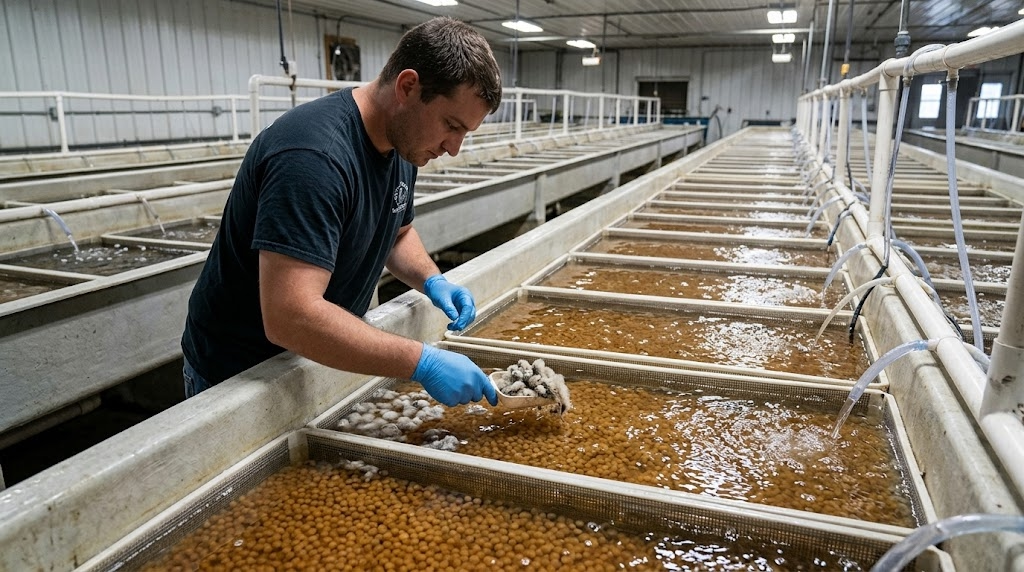
In catfish hatchery operations, egg incubation is a delicate and high-stakes phase. Because fertilized eggs are stationary, densely packed, and rich in nutrients, they are exceptionally vulnerable to water molds—specifically…
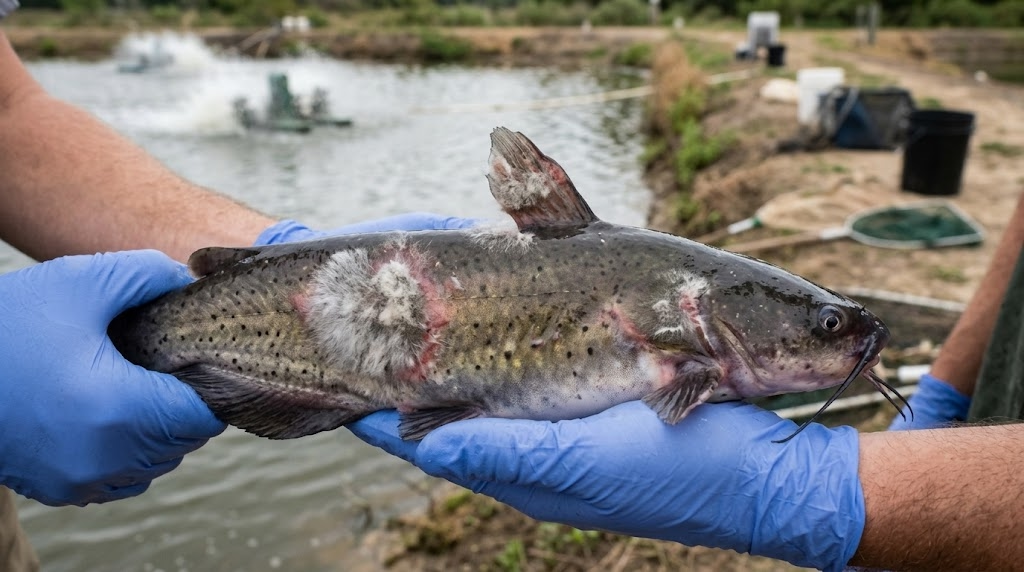
When a catfish develops a white, cotton-like growth on its skin, fins, gills, or eyes, it is a classic visual indicator of Saprolegniasis—commonly known as cotton wool disease or water…
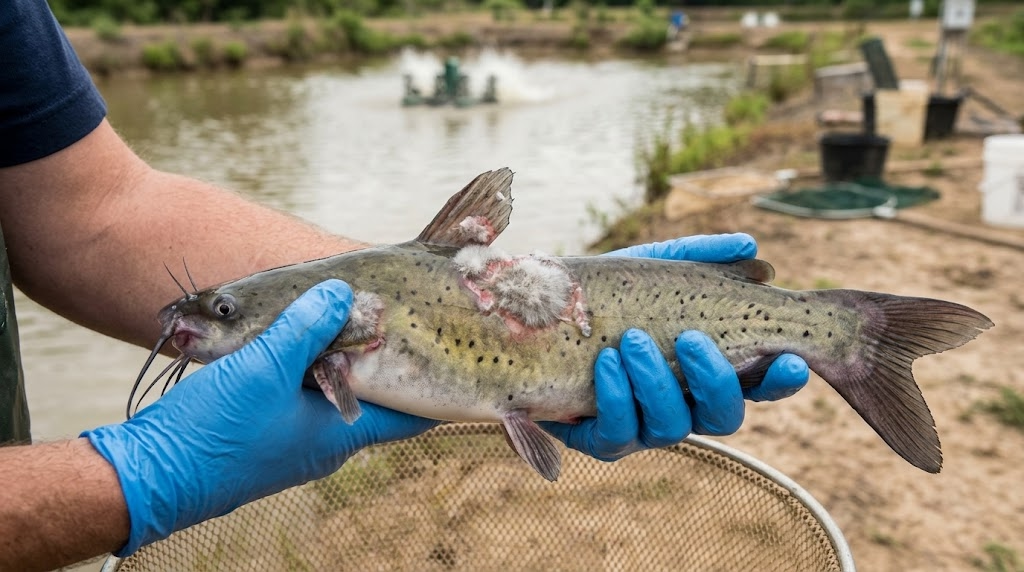
Catfish skin fungus—clinically known as Saprolegniasis or cotton wool disease—is one of the most visible and persistent health challenges in aquaculture. Driven by opportunistic water molds of the genus Saprolegnia,…